What a Cast-Welded Pulley Is
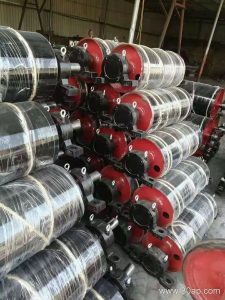
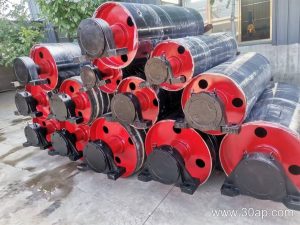
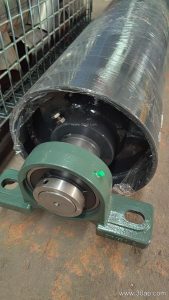
A cast-welded pulley is a conveyor pulley whose shell is produced by casting, with the end discs, hub, and shaft connection completed by welding. This hybrid construction combines the wear resistance of a cast shell with the design flexibility of a welded assembly. It is a distinct product from a drive pulley or a tail pulley, though it may serve in either position depending on the conveyor layout. Buyers often meet this pulley in bulk material handling circuits where shock loads and abrasive dust are routine.
How It Is Built
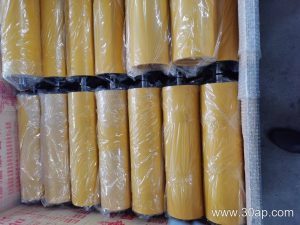
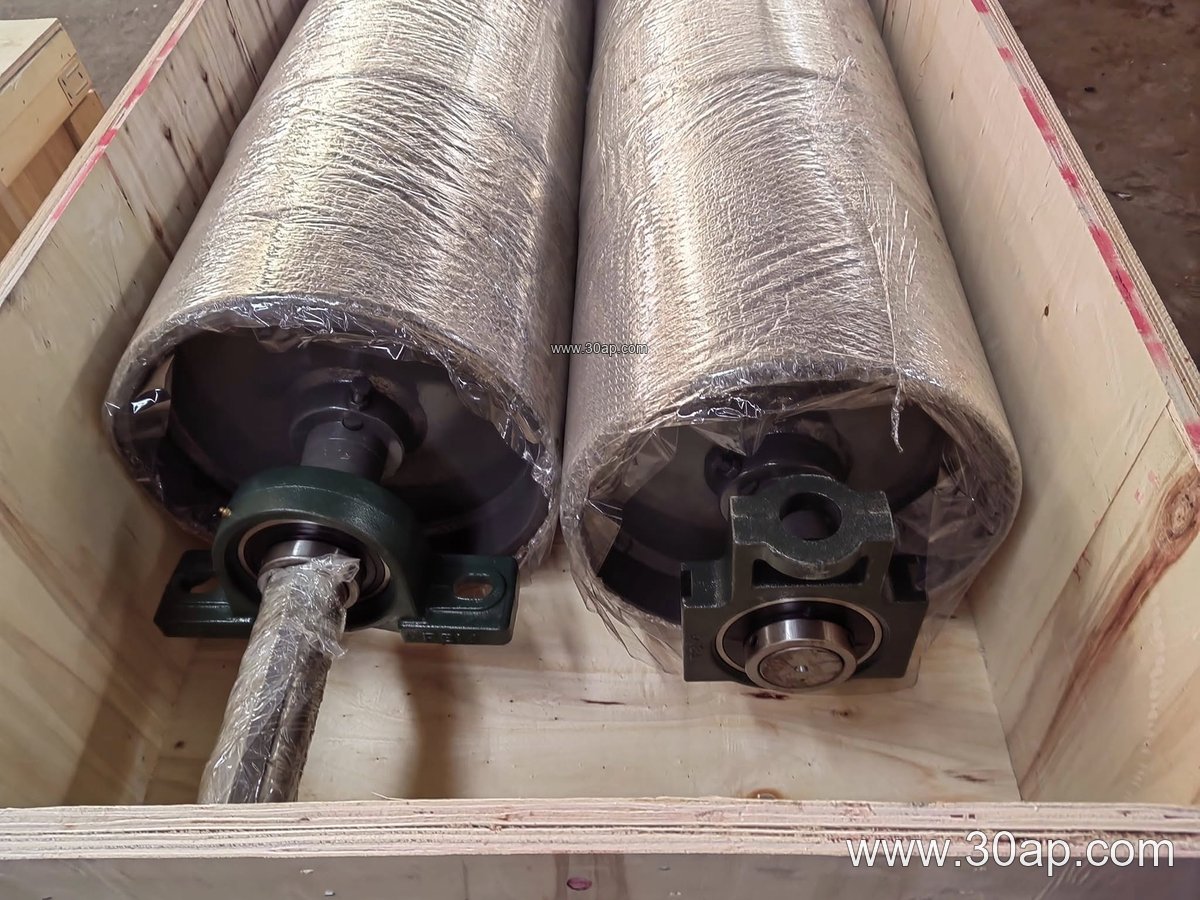
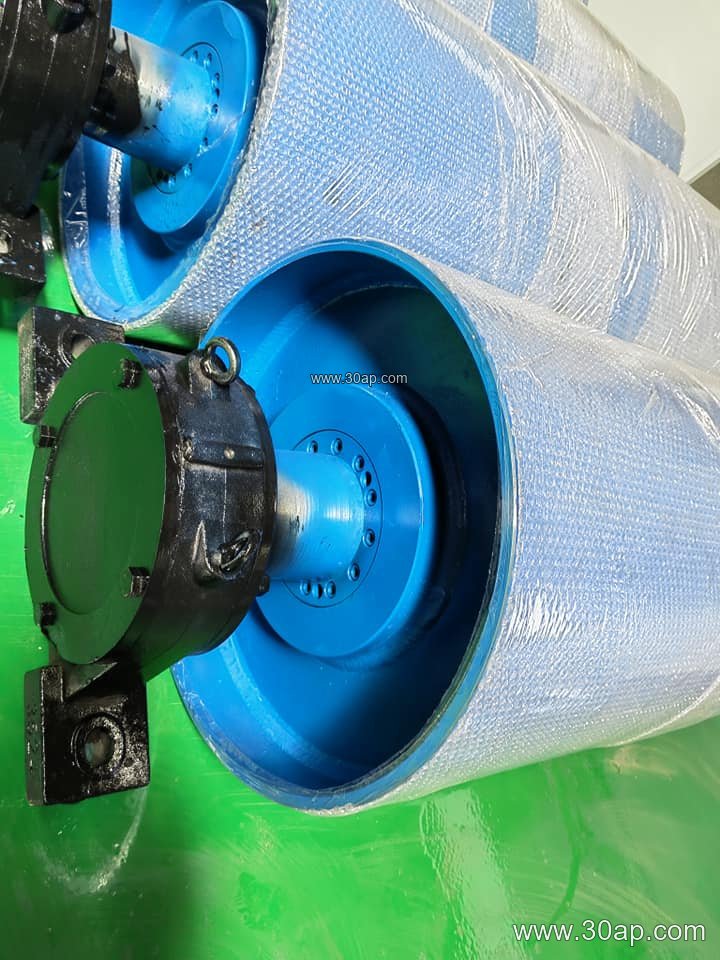
The manufacturing sequence starts with a cast steel or cast iron shell, machined to the required diameter and face width. End discs are welded to the shell, and the hub is joined to the shaft by welding or a shrink-fit connection. The weld seams are inspected and the pulley is balanced before the surface is finished. Common surface forms include plain, cast rubber, cold-bonded rubber, hot-vulcanized rubber, diamond grooving, herringbone grooving, and ceramic lagging. Lagging thickness is often 8, 10, 12, 15, or 20 mm, selected according to the duty.
Where It Fits on the Conveyor
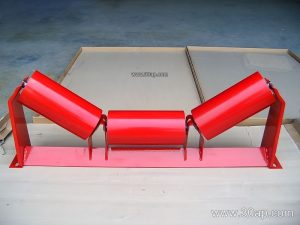
A cast-welded pulley can be used as a bend pulley, a take-up pulley, or a snub pulley. It is not a substitute for a drive pulley or a tail pulley, because each position has its own load profile and traction requirement. In a quarry or a limestone mine, the bend pulley redirects the belt around a curve, while the drive pulley transmits torque. In a coal washing plant or a power plant coal yard, the same cast-welded unit may act as a tension pulley to maintain belt wrap. The pulley works together with the conveyor belt, idler roller, and conveyor bracket to keep the line tracking.
Typical Sizes and Configurations
Diameter and face width are determined by the belt width, the required wrap angle, and the shaft load. The table below shows common reference combinations, not fixed rules. A wider belt does not automatically require a larger shaft diameter; shaft size follows torque and bearing load.
| Belt Width (B) | Typical Pulley Face Width | Example Diameter |
|---|---|---|
| B400 | about 500 mm | Ø250, Ø315 |
| B500 | about 600 mm | Ø315, Ø400 |
| B650 | about 750 mm | Ø400, Ø500 |
| B800 | about 950 mm | Ø500, Ø630 |
| B1000 | about 1150 mm | Ø630, Ø800 |
| B1200 | about 1400 mm | Ø800, Ø1000 |
| B1400 | about 1600 mm | Ø1000, Ø1250 |
| B1600 | about 1800 mm | Ø1250, Ø1400 |
| B1800 | about 2000 mm | Ø1400, Ø1600 |
| B2000 | about 2200 mm | Ø1600, Ø1800 |
Shaft diameters commonly range from Ø50 to Ø200 mm, but the final value is set by the design engineer. A cast-welded pulley for a B1200 belt might use a Ø1000 mm shell, while a B800 unit might use Ø500 mm. These are examples, not universal matches.
Applications Across Industries
In the aggregate and sand making plant, a cast-welded pulley handles dusty, abrasive conditions. In a cement plant, it may be found on clinker or raw meal conveyors. In an iron ore or copper ore terminal, the pulley must resist impact and corrosion. The same product can appear in a fertilizer granulation line or a grain silo, provided the lagging and surface finish suit the material. For abrasive bulk material, an abrasion resistant conveyor belt is often paired with a lagged pulley to reduce slip. In coal mining, a flame retardant conveyor belt may be used alongside a cast-welded bend pulley to meet safety requirements.
Buyer Checklist
Before ordering a cast-welded pulley, confirm the belt width, the pulley diameter, the face width, the shaft diameter, and the lagging type. Check whether the pulley will act as a bend, take-up, or snub unit, because the bearing arrangement and weld details differ. Ask for the balancing grade and the weld inspection report. Consider the conveyor belt type in use, such as an EP conveyor belt or a steel cord conveyor belt, because belt stiffness affects the minimum pulley diameter. For high-temperature service, a heat resistant conveyor belt may require a larger pulley to avoid belt damage. Finally, match the pulley to the conveyor bracket and idler roller layout so that the belt tracks correctly and the pulley is accessible for maintenance.