What an Endless Conveyor Belt Is
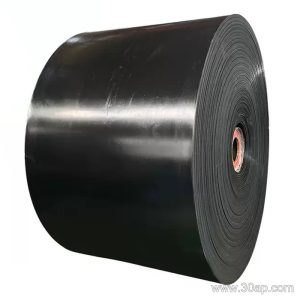
An endless conveyor belt is a closed loop of belting that is joined at the factory rather than on site. Instead of running an open length through the conveyor frame and fastening the two ends with mechanical clips or a field splice, the finished belt arrives already continuous. This construction gives the belt a smooth, joint-free carrying and pulley surface, which is why it is often chosen for lines where material must flow without interruption, dust leakage, or repeated splice maintenance.
Because the loop is closed before delivery, the belt length, width, and carcass layout have to be defined carefully against the actual conveyor. An endless conveyor belt is not a separate belt family by itself; it can be built from a rubber conveyor belt, an EP conveyor belt, an NN conveyor belt, a fabric core conveyor belt, or a steel cord conveyor belt, depending on the duty. The closed-loop construction is the common feature, while the underlying belt construction follows the job.
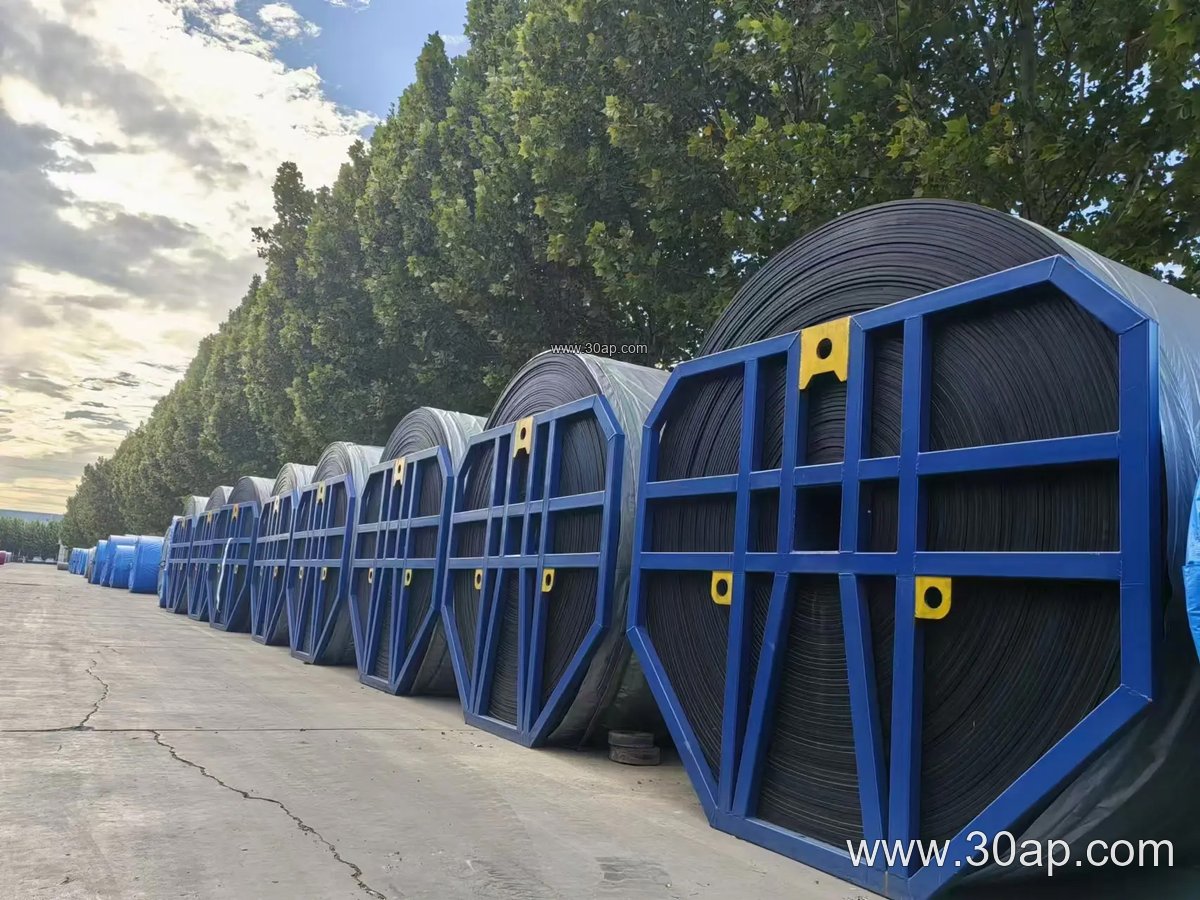
How the Loop Is Built
The belt body typically consists of a carcass and rubber covers. The carcass can be multi-ply fabric, as in a multi-ply fabric core conveyor belt, or steel cord. Fabric plies are bonded under heat and pressure, and the ends are joined into a continuous loop using a vulcanized splice. Steel cord belts follow a similar principle but with cord alignment carrying the tension. Cover compounds are selected for the environment, and grades such as abrasion resistant, heat resistant, flame retardant, oil resistant, and anti-static versions are common.
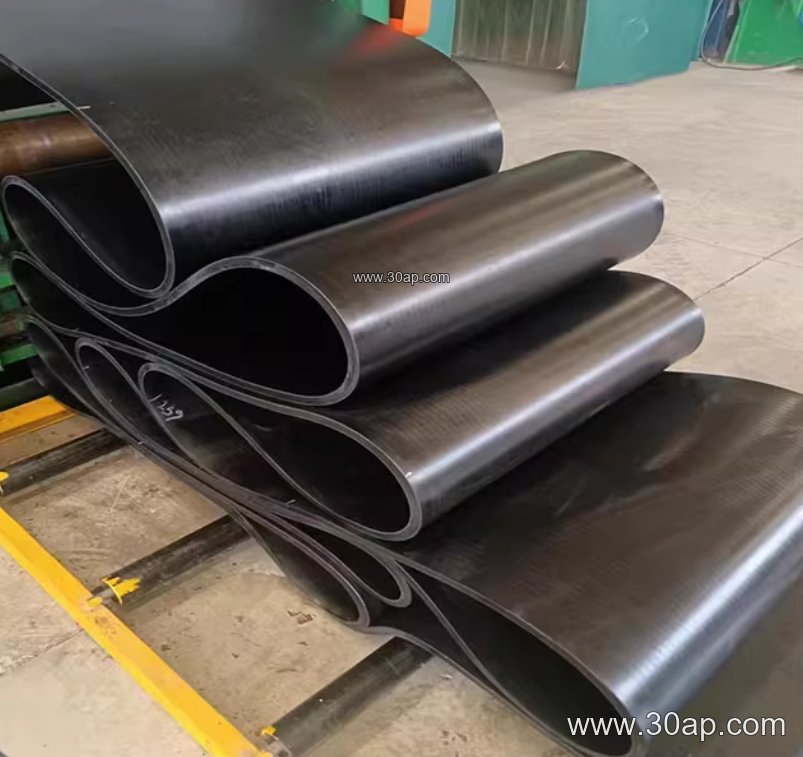
Top cover and bottom cover thickness are usually quoted together, for example 4+2 mm or 6+2 mm, with the first figure as the carrying side. Carcass ply count is often 2 to 6 for fabric belts. These are reference patterns, not fixed rules; the final construction is confirmed by the conveyor design.
Common Configurations
- EP conveyor belt loops for general bulk haulage and high tensile demand.
- NN conveyor belt loops where nylon carcass flexibility is preferred.
- Steel cord conveyor belt loops for long, high-tension routes.
- Chevron, skirted, corrugated sidewall, and pipe conveyor belt designs for inclined or contained transport.
- PVC and PVG belts for lighter or underground service.
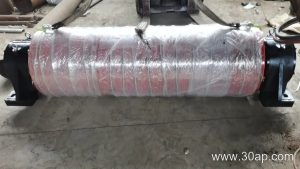
Typical strength grades referenced in project documents include EP200 through EP2000 and ST1000 through ST3150, and common widths run from B500 to B2000. A 1200mm wide belt and a 1800mm wide belt are both normal in mining and aggregate work. Note that belt width does not dictate one pulley diameter; drive pulley, tail pulley, and bend pulley sizing depend on tension, wrap angle, and shaft load, and these pulley roles are not interchangeable.
Where Closed Loops Are Used
Mines, coal preparation plants, cement works, power stations, steel plants, quarries, sand and gravel yards, ports, and recycling lines all use continuous belting. In a coal mining conveyor belt loop, flame retardant and anti-static properties are frequently specified. Iron ore and copper ore circuits lean toward high abrasion resistant and heavy-duty construction. Cement and aggregate lines often combine a crusher conveyor belt with impact resistant covers at transfer points. Food grade and oil resistant loops appear in processing plants, while cold resistant grades suit outdoor installations in cold regions.
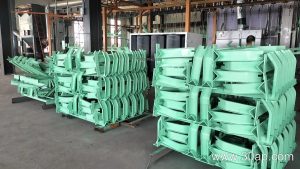
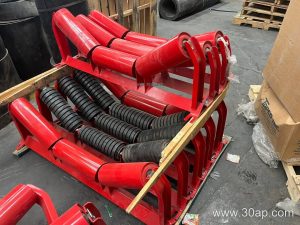
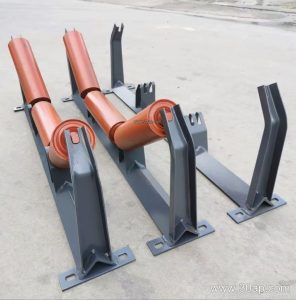
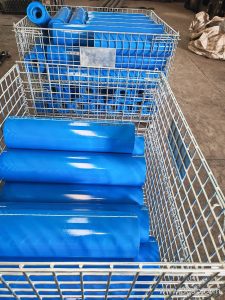
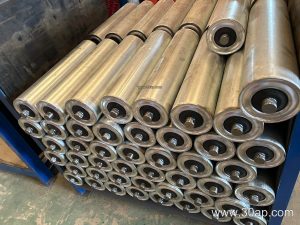
Supporting hardware matters too. Idler roller spacing, conveyor pulley condition, and conveyor bracket alignment all affect how a closed loop tracks and wears. A well-built endless belt can still fail early if a seized idler roller or a worn conveyor pulley damages the edge.
Buyer Checklist
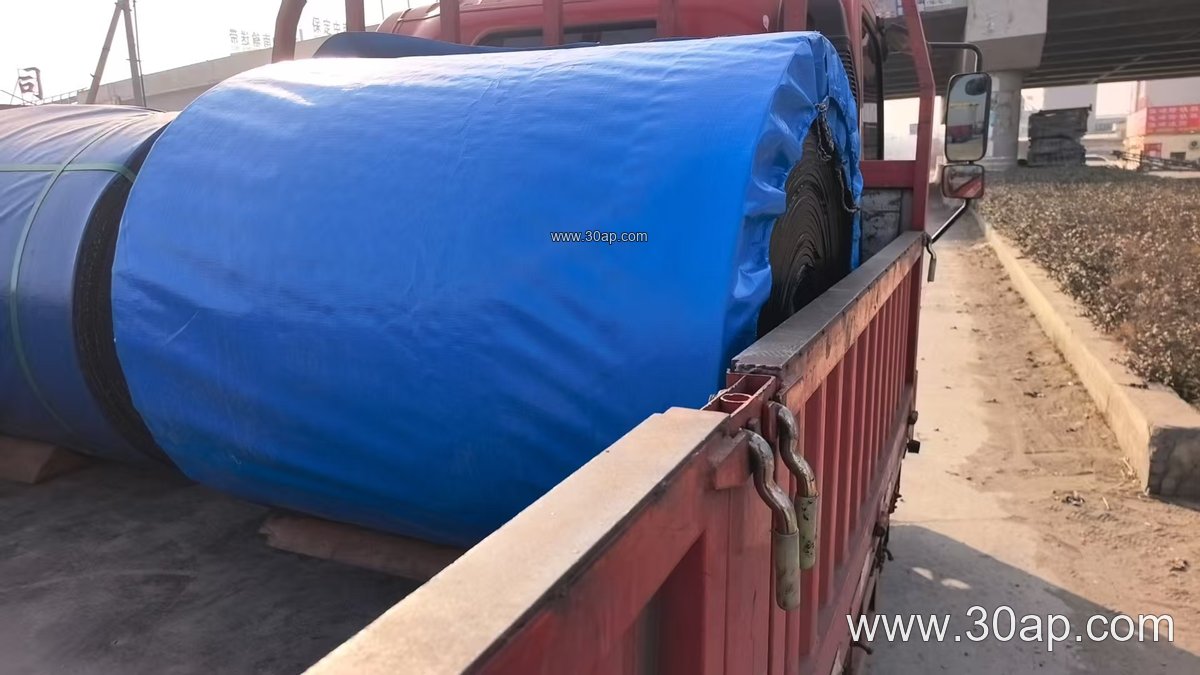
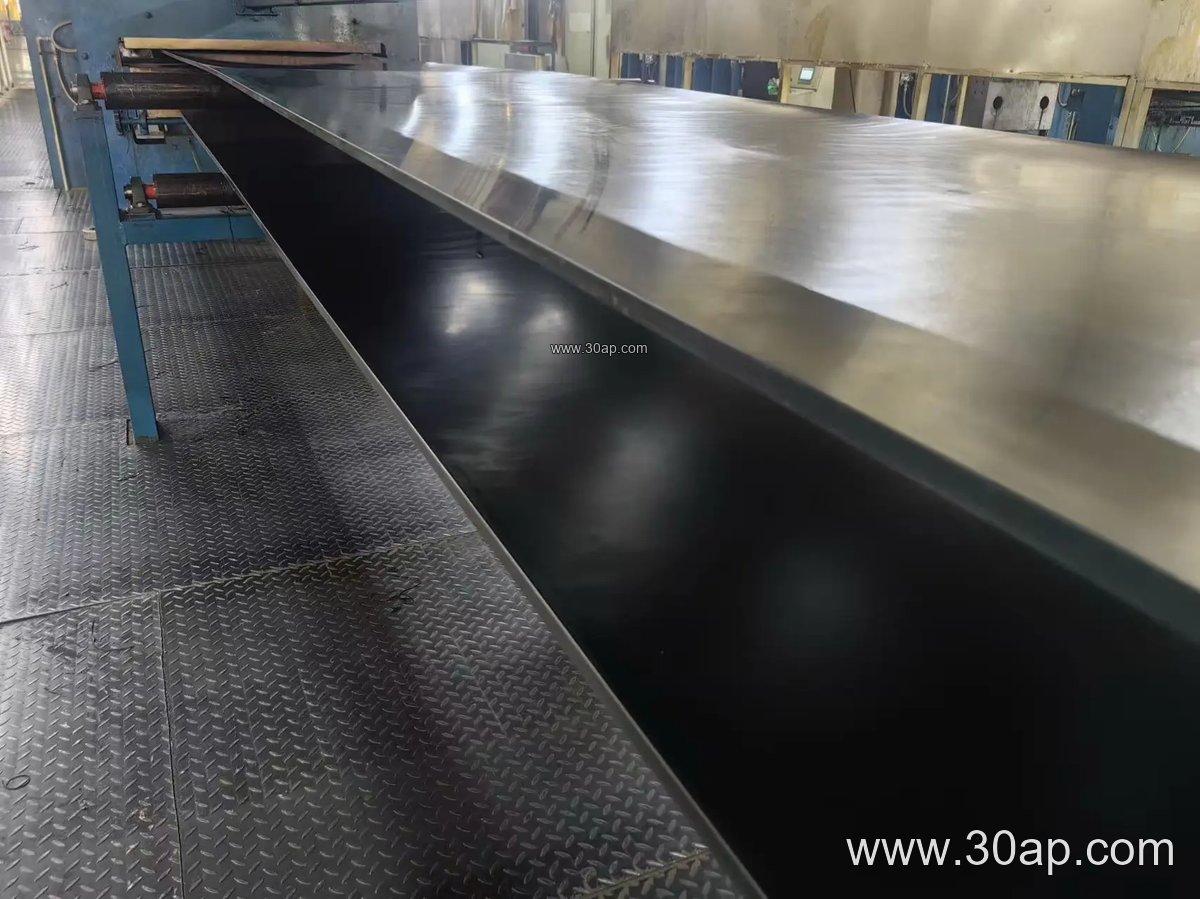
Before ordering, confirm the center-to-center length, belt width, carcass type and ply count, strength grade, and cover thickness. State the material, lump size, temperature, moisture, and whether oil, chemicals, or flame resistance are involved. Mention incline angles, because a chevron or corrugated sidewall design may be needed. Ask how the loop will be packed and how the splice was made, and check that the supplier can match the pulley diameters already on the conveyor.
Maintenance is simpler with a joint-free belt, but inspection still matters. Watch for cover wear, edge damage, and splice fatigue, and keep idler roller and conveyor pulley surfaces clean. For more guidance on endless belts, idler roller selection, and conveyor pulley matching, visit conveyoridler.com and review the technical notes before finalizing a specification.