What a High-Strength Pulley Does on a Conveyor
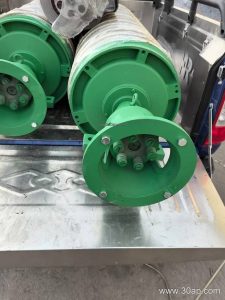
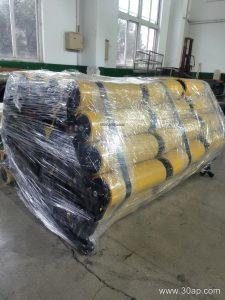
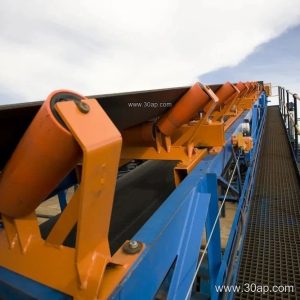
A high-strength pulley is the robust, heavily built drum at the heart of a conveyor’s drive, tail, or bend station. It transmits torque, maintains belt tension, and keeps the belt tracking true under loads that would distort an ordinary drum. In quarry and aggregate lines, cement plant clinker handling, and power plant coal yards, this component is often the difference between steady output and frequent downtime. Unlike a standard conveyor pulley, the high-strength version is engineered with thicker shells, reinforced end discs, and heavier shafts to resist bending and fatigue.
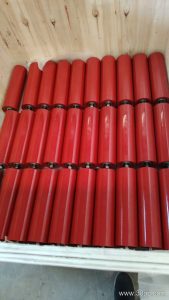
Because it carries the same duty as the main conveyor pulley in a system, it must be matched carefully to the belt and the load. Whether you run a rubber conveyor belt, an EP conveyor belt, or a steel cord conveyor belt, the pulley’s diameter and face width influence belt life and splice integrity. For abrasive bulk material, pairing a high-strength pulley with an abrasion resistant conveyor belt and well-chosen idler rollers reduces wear on both belt and drum.
Construction and Surface Options
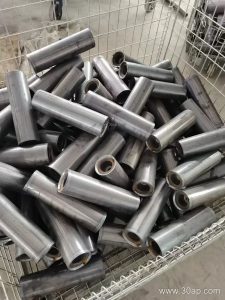
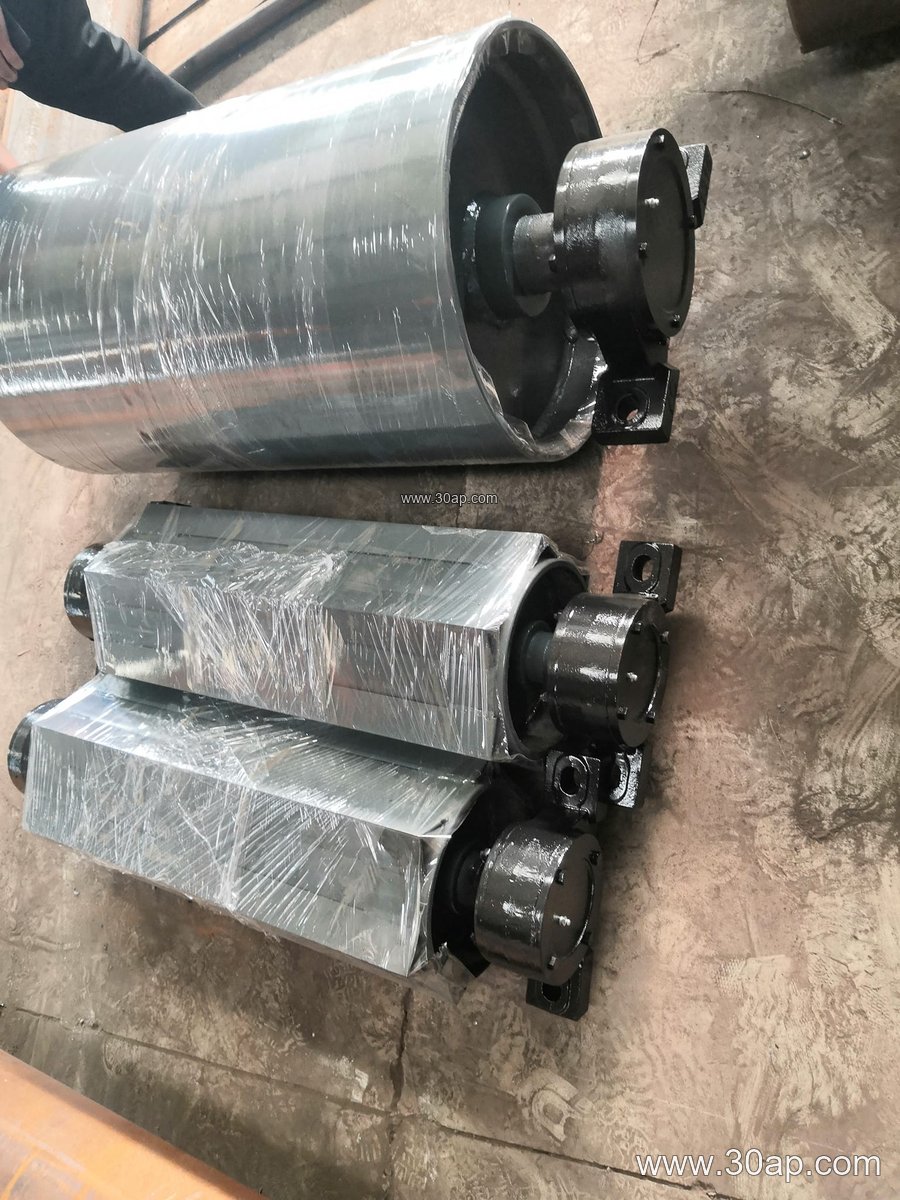
These pulleys are typically fabricated from rolled steel shells welded to sturdy hubs, then machined for balance. The shaft is sized by torque and radial load, not simply by belt width; common shaft diameters range from Ø50 to Ø200 mm depending on the application. Surface treatment is a key choice. Plain finish suits light duties, while lagging improves grip. Common lagging types include cast rubber, cold-bonded rubber, hot-sulfide rubber, diamond pattern, herringbone, and ceramic lagging, with thicknesses often 8, 10, 12, 15, or 20 mm.
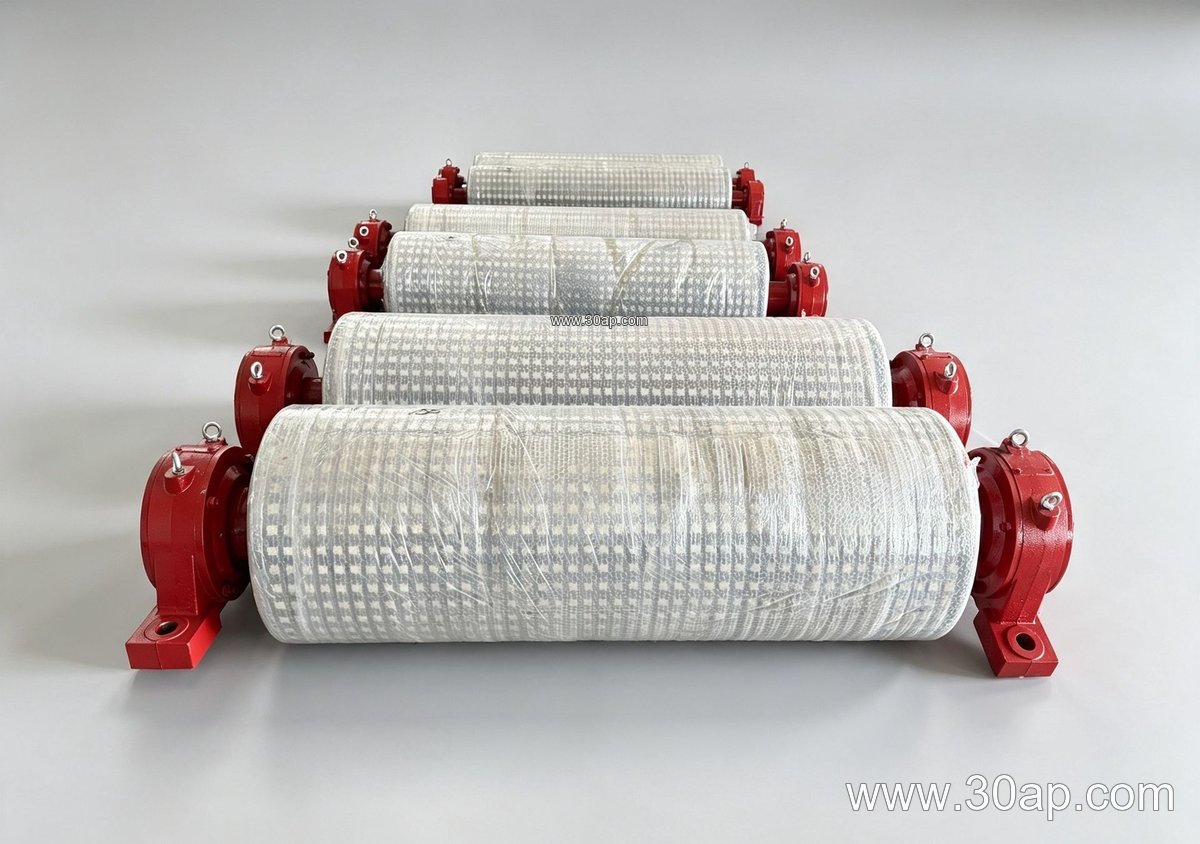
Face width usually exceeds belt width so the belt is fully supported. For example, a B800 belt commonly runs on a pulley face of about 950 mm, and a B1200 belt on roughly 1400 mm. A typical combination might be B1200 × Ø1000 or B1400 × Ø800, but these are design examples, not fixed rules. The correct diameter depends on belt tension, wrap angle, and space constraints; no single belt width should be assumed to match only one diameter.
Where It Fits in the Conveyor Layout
Drive pulleys, tail pulleys, and bend pulleys are not interchangeable. The drive pulley, often the head pulley, delivers power through lagging contact. The tail pulley at the loading end guides the return belt, while a bend pulley changes belt direction or adjusts wrap angle around the drive. A high-strength pulley may serve any of these positions, but its design must reflect the specific duty. In a limestone mine or a sand and gravel plant, the head pulley usually carries the highest tension, so shell thickness and lagging quality matter most there. At the tail, impact resistance and self-cleaning features may take priority.
Related components such as conveyor brackets and idler rollers should be checked for alignment with the pulley. A misaligned bracket can cause edge wear even on a well-built drum. When the conveyor uses a chevron conveyor belt or a corrugated sidewall conveyor belt, pulley face and lagging should be chosen to avoid interference with cleats or sidewalls.
Matching the Pulley to the Belt and the Job
Belt type influences pulley selection. A heavy-duty mining conveyor belt or a high abrasion resistant conveyor belt may require a larger diameter to reduce bend stress. Heat resistant conveyor belt and fire resistant conveyor belt applications call for lagging that tolerates temperature and flame exposure. In underground coal mining, flame retardant conveyor belt and anti-static conveyor belt requirements extend to the pulley’s surface and grounding path. For food or chemical duties, oil resistant conveyor belt and acid resistant conveyor belt grades may be paired with suitable lagging.
Widths from B400 through B2400 are available in the market, but the right choice comes from the conveyor design, not from a catalog alone. A high-strength pulley for a 1200mm wide conveyor belt in an iron ore terminal will differ from one on a 650mm wide conveyor belt in a fertilizer plant. Buyers should provide belt width, belt type, operating tension, shaft speed, and environmental conditions.
Buyer Checklist and Maintenance Notes
- Confirm the pulley’s position: drive, tail, or bend, and specify the required lagging.
- State belt width and type, such as EP conveyor belt or steel cord conveyor belt, plus any special needs like heat or oil resistance.
- Check shaft diameter against calculated torque and load; do not assume a fixed shaft size from belt width.
- Verify face width and diameter against the conveyor frame and available space.
- Inspect lagging wear, shell runout, and bearing condition during scheduled shutdowns.
Regular inspection of the high-strength pulley, together with conveyor belt tracking and idler roller condition, helps prevent unplanned stops. For more information on conveyor components and belt matching, visit our site at www.example.com/high-strength-pulley and review related pages on conveyor pulley and conveyor belt selection.