What a High Impact Resistant Idler Does
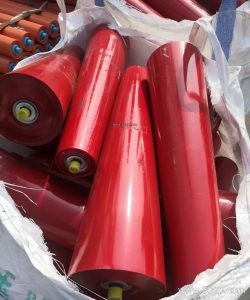
A high impact resistant idler is the carrying roller placed where material hits the conveyor belt hardest, usually directly under a chute, crusher discharge, or transfer point. Instead of letting the belt absorb the full drop energy against a rigid steel surface, this idler uses a cushioned roller surface to spread the load and reduce the chance of belt damage. In a quarry, limestone mine, or ore handling line, that difference can matter more than the nominal belt strength alone.
The same product is also described as a buffer idler or impact roller. Those names refer to the same cushioned carrying roller, not to a drive pulley, tail pulley, or bend pulley, which are separate components in the conveyor system.
How the Roller Is Built
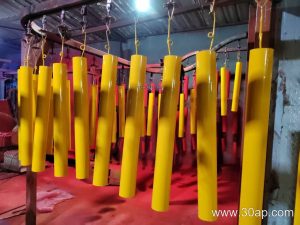
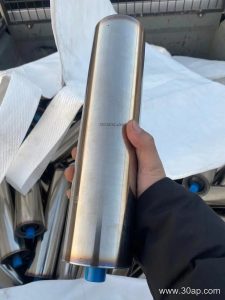
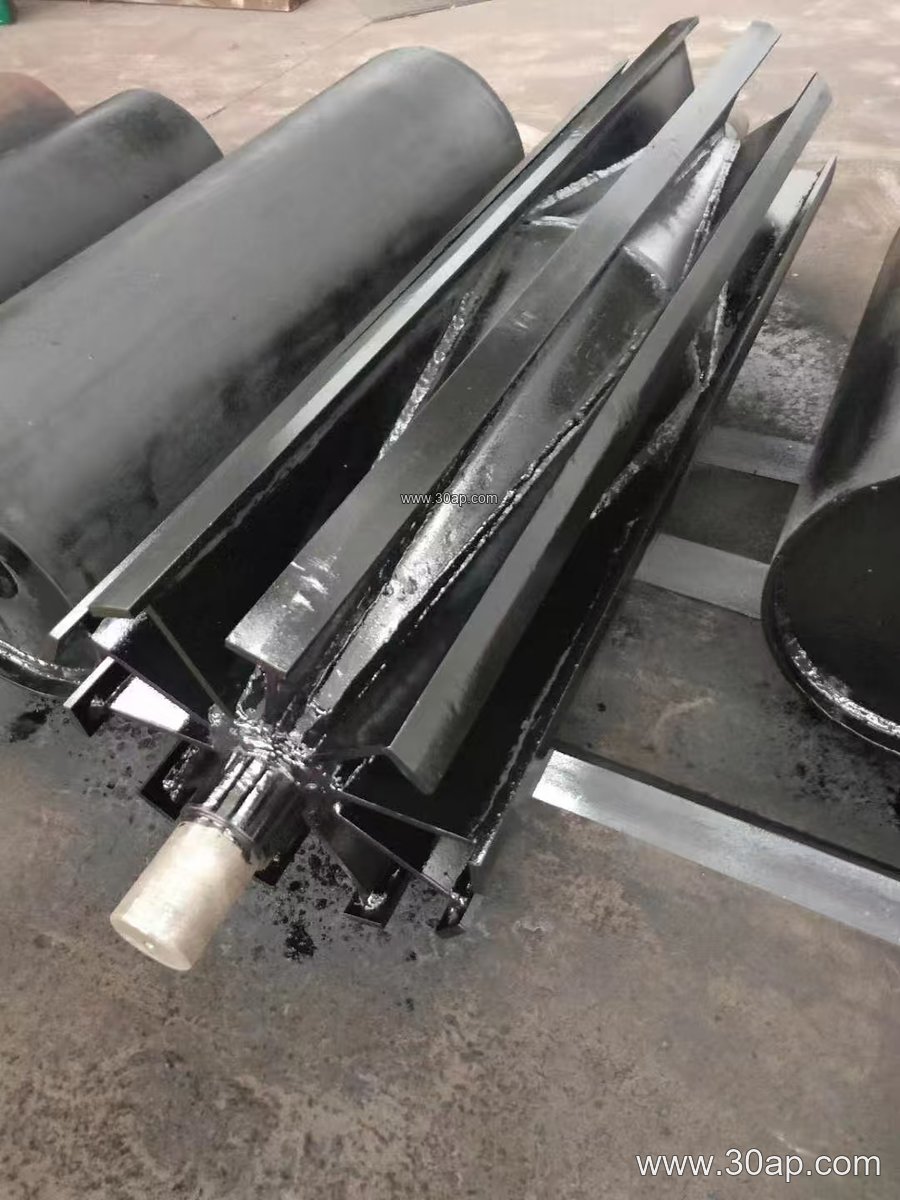
A typical impact idler keeps the standard roller frame and shaft but replaces the plain steel shell with a set of rubber rings or a rubber-covered sleeve. The rings are spaced along the roller length, so the belt sits on a flexible surface rather than a continuous hard cylinder. The shaft, bearing housing, and end caps follow the same basic design as a conventional idler roller, which means the impact version can usually be mounted in the same conveyor bracket.
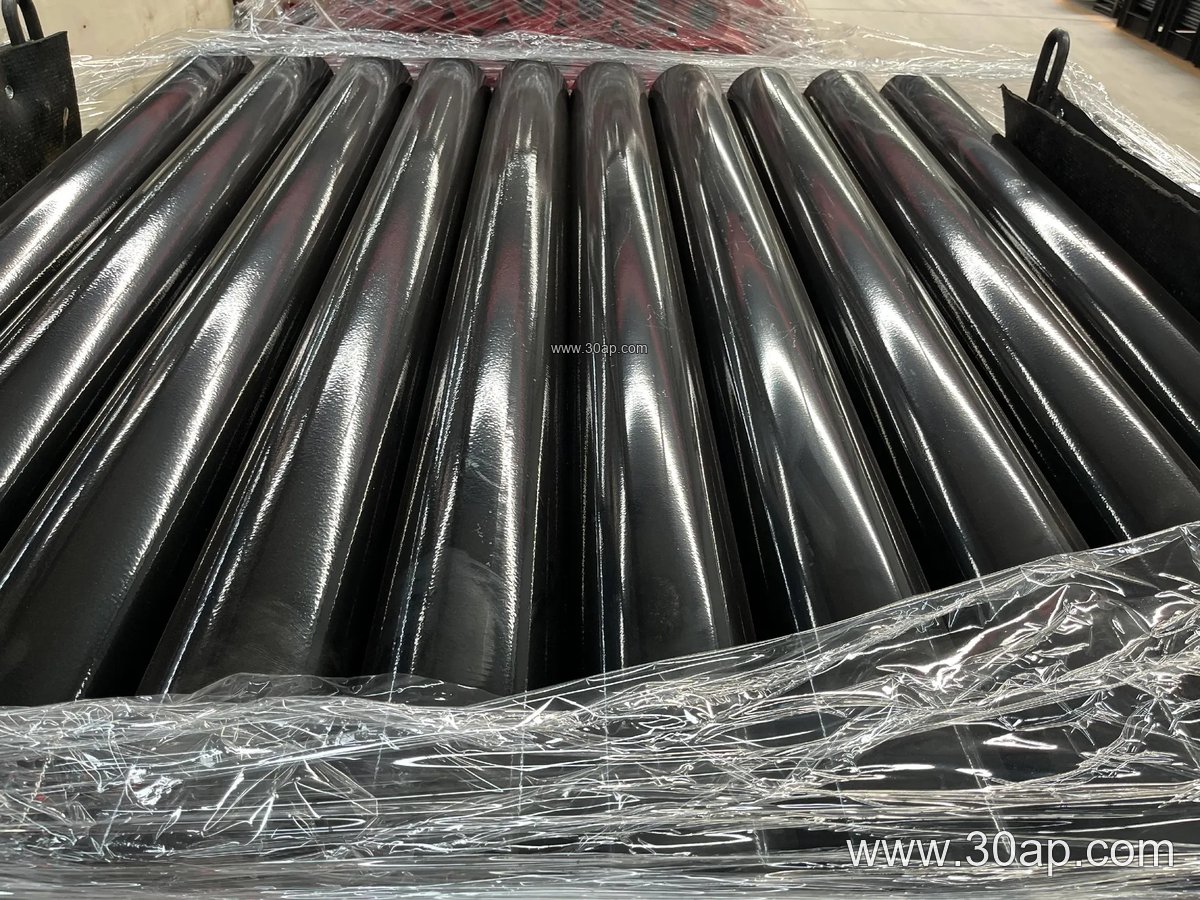
Bearing selection varies with load and roller diameter. Common bearing sizes include 6204, 6205, 6305, 6306, 6308, and 6310, but a given bearing is not tied to one roller diameter. Sealing quality matters here, because dust from crushed rock, cement clinker, or coal fines will shorten bearing life if it reaches the housing.
Typical Sizes and Configurations
Impact idlers are usually supplied in three-roll troughing sets, with the center roll doing most of the cushioning work. Roller diameters commonly range from Ø89 to Ø159, and wider belts may use larger diameters. Belt widths from B500 to B2000 are common in bulk handling, while very wide installations may go beyond that. The table below shows reference values only; final dimensions should follow the conveyor design.
| Reference item | Common range |
|---|---|
| Roller diameter | Ø89, Ø102, Ø108, Ø127, Ø133, Ø159 |
| Belt width | B500, B650, B800, B1000, B1200, B1400, B1600, B1800, B2000 |
| Trough angle | 20°, 30°, 35°, 45° |
| Roller surface | Rubber ring, rubber sleeve |
| Bearing example | 6205, 6305, 6306, 6308 |
Roll length changes with belt width, trough angle, and the number of rolls in the set. For a three-roll troughing set, a B800 belt often uses rolls around 315 mm long and a B1200 belt around 465 mm, but the side rolls and center roll can differ. No single belt width should be treated as matched to only one pulley diameter or one shaft size.
Where It Fits on the Conveyor
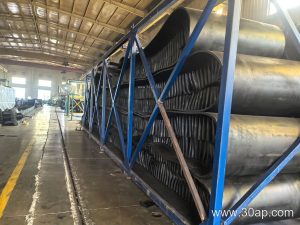
The impact idler belongs at the loading zone, not along the ordinary carrying run. A coal mining conveyor feeding a crusher, a cement plant receiving clinker, or a power plant unloading fuel all create drop points where sharp lumps and heavy pieces strike the belt. Standard troughing idlers can handle steady load, but they do not cushion the first contact. A cushion idler set installed under the chute absorbs part of that energy before it reaches the belt carcass.
Downstream, the same conveyor may use a rubber conveyor belt or an EP conveyor belt selected for abrasion and cut resistance. The impact idler complements that belt choice rather than replacing it. In dusty or wet conditions, a well-sealed idler roller also protects the bearing from grit that would otherwise cause seizure.
Buyer Checklist
- Confirm the belt width, trough angle, and whether the set is two-roll or three-roll.
- Check the drop height and lump size at the transfer point; cushioning needs grow with both.
- Match roller diameter and bearing class to the actual load, not to a rule of thumb.
- Ask about ring hardness and spacing, since soft rings may wear quickly under sharp rock.
- Verify that the idler frame fits the existing conveyor bracket before ordering.
- Consider the environment: washdown, coal dust, heat, or oil mist all affect seal choice.
For a quarry conveyor belt or an ore conveyor belt handling abrasive rock, impact idlers are usually part of a wider wear strategy that includes pulley lagging, skirt rubber, and adequate belt support. Buyers should treat published sizes as starting points and confirm final dimensions with the conveyor designer.