What a Conveyor Support Bracket Does
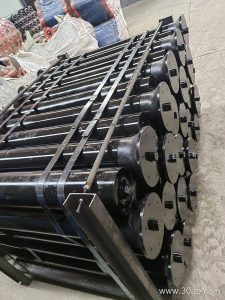
A conveyor support bracket is the structural interface that holds idler rollers at the correct position and angle along a conveyor frame. In a quarry, aggregate line, or power plant coal handling system, these brackets carry the weight of the belt and material, maintain trough shape, and keep the belt tracking properly. The bracket itself is a fabricated steel component, while the idler roller rotates inside it. A well-matched bracket assembly reduces vibration, extends roller life, and protects the conveyor belt from edge damage.
Construction and Common Forms
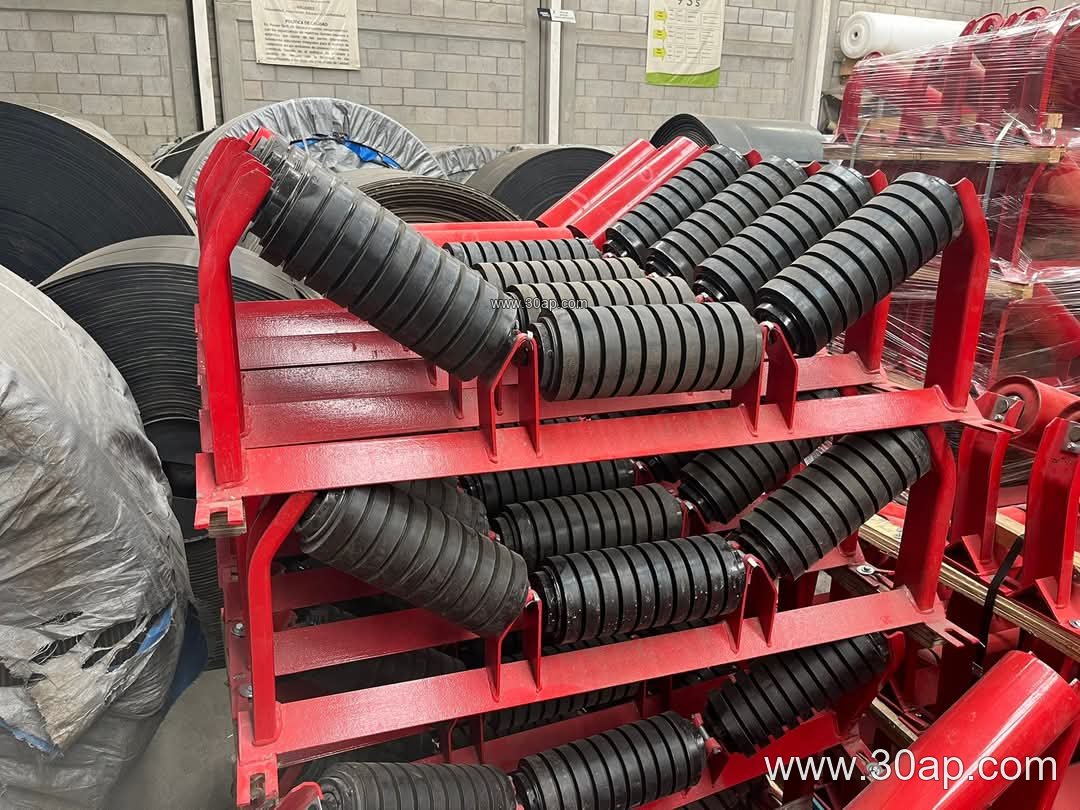
Most brackets are made from angle steel, channel steel, or folded steel plate. The design varies with the duty: trough brackets for the carrying side, return brackets for the empty side, and transition or adjustable brackets near pulleys and loading points.
Typical Bracket Types
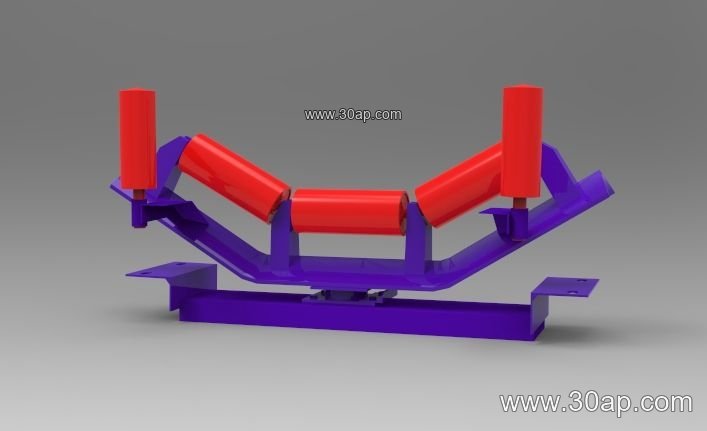
- Trough bracket (carrying side): sets the trough angle and supports three or more idlers.
- Return bracket: supports the belt on the return run, often with a flat or V-shaped arrangement.
- Transition bracket: guides the belt from flat to troughed profile near a conveyor pulley.
- Impact bracket: reinforced for loading zones where material drops onto the belt.
- Adjustable bracket: allows changes to trough angle and sometimes idler spacing during setup or alignment.
Material thickness and weld quality matter more than appearance. In dusty cement plants or wet coal mining operations, paint or galvanizing helps resist corrosion, but the structural section must still match the load.
Matching Bracket, Belt, and Roller
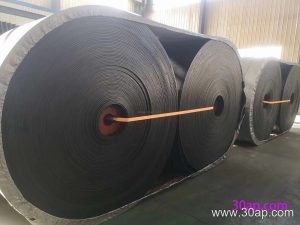
The bracket must suit the belt width and the idler diameter, and the trough angle should match the material profile. Common belt widths include B500, B650, B800, B1000, B1200, B1400, B1600, B1800, B2000, and B2200. Idler diameters are often Ø89, Ø108, Ø133, Ø159, or Ø194. Trough angles of 20, 30, 35, and 45 degrees are common; adjustable brackets can move between these angles.
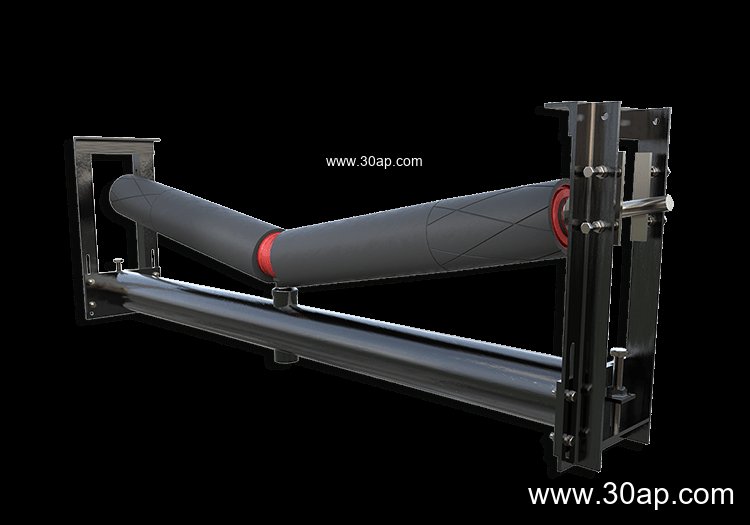
There is no single mandatory pairing. A B800 belt may run at 35 degrees with Ø108 idlers, while a B1200 system might use 45 degrees and Ø133 rollers depending on capacity and material. Installation hole spacing and crossbeam length change with belt width and trough angle, so they should be confirmed against the conveyor drawing rather than assumed from one dimension.
Reference Combinations (for discussion only)
| Belt Width | Trough Angle | Idler Diameter |
|---|---|---|
| B650 | 30 degrees | Ø89 |
| B800 | 35 degrees | Ø108 |
| B1000 | 35 degrees | Ø108 or Ø133 |
| B1200 | 45 degrees | Ø133 |
| B1400 | 35 or 45 degrees | Ø159 |
These are examples, not fixed rules. Final selection depends on load, belt stiffness, and the conveyor profile.
Where These Brackets Are Used
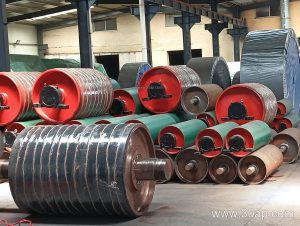
Support brackets appear throughout bulk handling: a limestone quarry feeding a crusher, a coal washing plant, a cement plant clinker line, a power plant coal yard, a port ship loader, or a steel plant sinter strand. In each case the bracket works with the conveyor belt, idler roller, and conveyor pulley to keep material moving. Heavy-duty mining conveyors and long overland systems often use reinforced brackets at transfer points, while lighter aggregate lines may use standard trough sets.
For abrasive ore or wet conditions, the bracket should be checked for drainage and buildup. In cold climates, ice and frozen material can distort alignment, so adjustable brackets are sometimes preferred for seasonal correction.
Buyer Checklist
- Confirm belt width and idler diameter before ordering.
- Specify trough angle and whether adjustment is required.
- Check material: angle, channel, or folded plate, and surface treatment.
- Match mounting hole spacing to the existing frame or new design.
- Consider loading impact, corrosion, and maintenance access.
- Verify that the bracket suits the conveyor pulley transition zone if used near a drive or tail pulley.
For more information on compatible components such as conveyor idlers, pulleys, and belts, visit our site at www.example.com/conveyor-bracket or www.example.com/idler-roller. A correctly chosen conveyor support bracket is a small part of the system, but it directly affects belt life, roller wear, and uptime in any bulk material handling operation.