What a Rubber Disc Return Idler Does
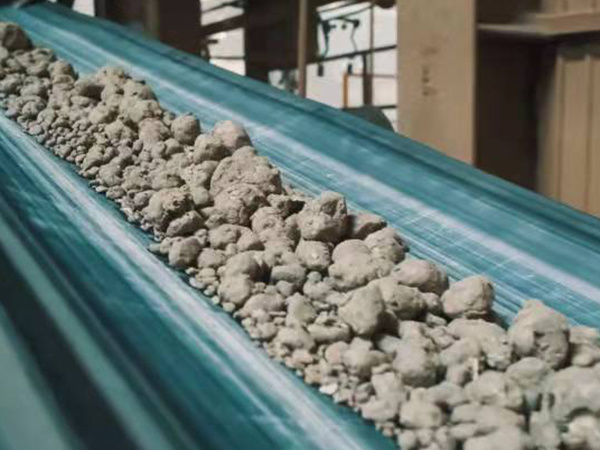
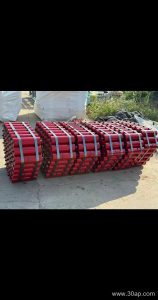
A rubber disc return idler is a lower run idler roller fitted with a series of rubber discs along the shell. It supports the empty side of the conveyor belt on the return strand and, at the same time, helps shed sticky fines, damp dust and small lumps that would otherwise build up on a plain steel roller. In a cement plant, a limestone quarry or a coal handling system, that combination of support and self-cleaning often matters more than the price of the part itself.
The product is sometimes called a rubber ring return idler or rubber disc return roller. Those names describe the same item: a return-side roller with an elastomer disc surface. It is not a substitute for a troughing idler, an impact idler or a training idler, and it is not a drive pulley or a bend pulley. Those components do different jobs on the same conveyor.
How the Idler Is Built
Most designs start with a steel tube shell and a through shaft, with bearing housings sealed at each end. Rubber discs are pressed onto the shell at intervals, leaving gaps between them. The gaps are the working feature: material that sticks to the belt tends to drop through rather than wrap around a continuous surface. Bearing sizes commonly used in this class of idler include 6204, 6205, 6305, 6306, 6308 and 6310, although the correct bearing depends on load, shaft size and the manufacturer’s design rather than on belt width alone.
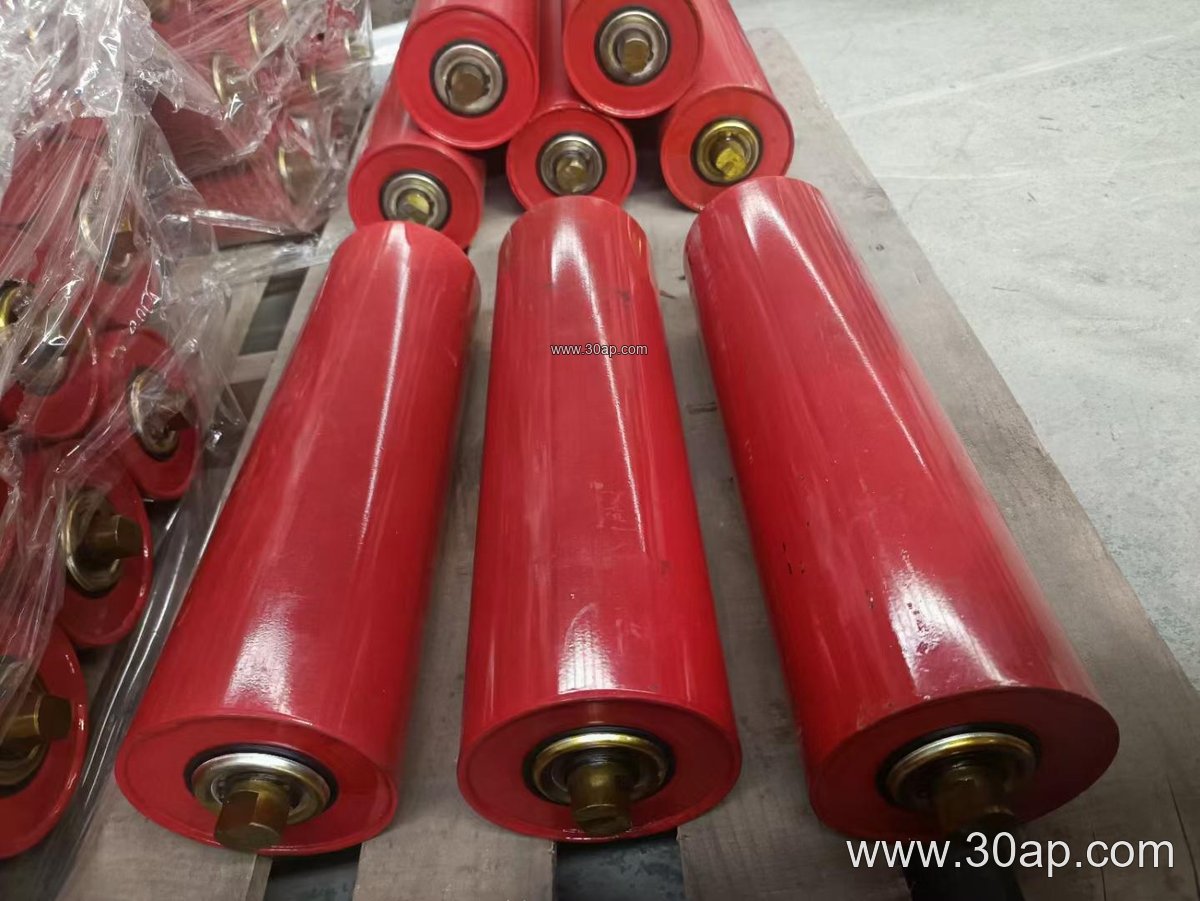
Sealing quality has a strong effect on service life. Dust from a crusher or a sinter plant finds its way into poorly protected housings, and once grit reaches the bearing, the roller stiffens and starts to wear the belt cover. Buyers should ask about the seal arrangement, the disc hardness and how the discs are fixed against axial movement.
Where It Fits on the Conveyor
This idler belongs on the return strand, usually replacing part of the plain lower idler set. It is a common choice in:
- Wet or sticky service, such as washed aggregate lines and sand and gravel plants
- Coal preparation plants and power station coal yards, where fine coal clings to the belt
- Cement and lime plants handling damp raw material or clinker dust
- Fertiliser, grain and other bulk material conveyors where carryback is a nuisance
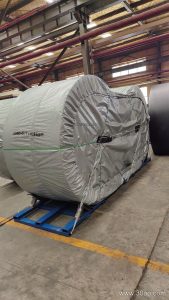
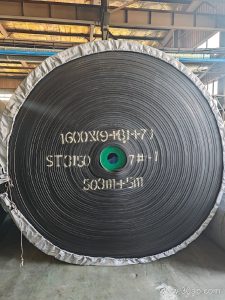
On a long overland or port conveyor running an EP conveyor belt or a steel cord conveyor belt, a limited number of rubber disc return idlers may be placed where carryback is worst, while plain rollers handle the rest of the run. Matching the idler to the actual carryback pattern is more useful than fitting the whole return side with one type.
Choosing Diameter, Length and Spacing
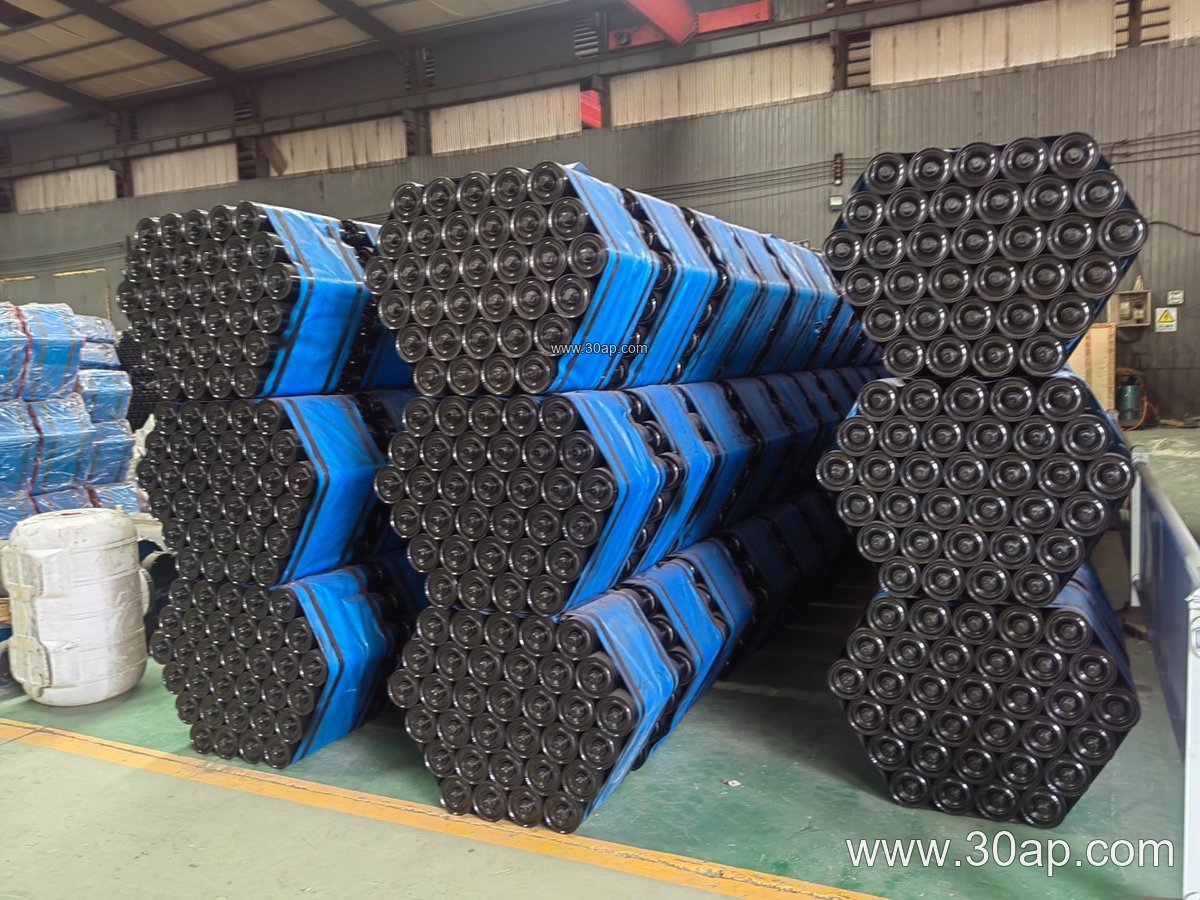
Return idlers are normally selected by shaft diameter, roller diameter, roller length and the belt width they serve. Common roller diameters in this range are Ø89, Ø102, Ø108, Ø127, Ø133, Ø159 and Ø178 mm, with larger sizes used on heavy-duty mining conveyors. Roller length follows belt width and the frame design; for reference, a B800 belt might use a roller around 315 mm long and a B1200 belt around 465 mm, but these are typical examples, not fixed pairings. The conveyor bracket and frame drawing should always be checked before ordering.
| Reference item | Typical range | Note |
|---|---|---|
| Roller diameter | Ø89 to Ø178 mm | Selected by load and belt speed |
| Belt width | B500 to B2000 mm | Roller length follows frame design |
| Bearing | 6204 to 6310 | Confirm with shaft and housing |
| Disc material | Rubber, abrasion resistant rubber | Hardness to suit duty |
| Mounting | Conveyor bracket / frame | Match existing hole pattern |
Spacing on the return side is usually wider than on the carry side, but it must still keep belt sag within limits. Where a conveyor uses a heavy-duty mining conveyor belt with a thick cover, the extra weight should be considered when setting spacing.
Buyer Checklist
- Confirm the shaft diameter, flat or keyed ends, and the bracket fixing centres.
- State the belt width and the return frame type, not just the roller diameter.
- Describe the material: wet fines, clinker dust, coal or abrasive ore.
- Ask how the discs are bonded or clamped, and whether replacement discs are available.
- Check that the idler can be rotated by hand before installation and that seals are intact.
For a quotation, it helps to send the conveyor drawing together with details of the belt, such as whether it is an abrasion resistant conveyor belt or a flame retardant conveyor belt, and the environment, for example an underground coal mining conveyor or an outdoor quarry conveyor. A supplier can then propose a suitable rubber disc return idler rather than a generic roller.