Choosing the Right Conveyor Bracket
A conveyor bracket may seem minor, but it determines belt tracking, load stability, and system uptime. Selecting the wrong bracket leads to misalignment, premature wear, and costly downtime.
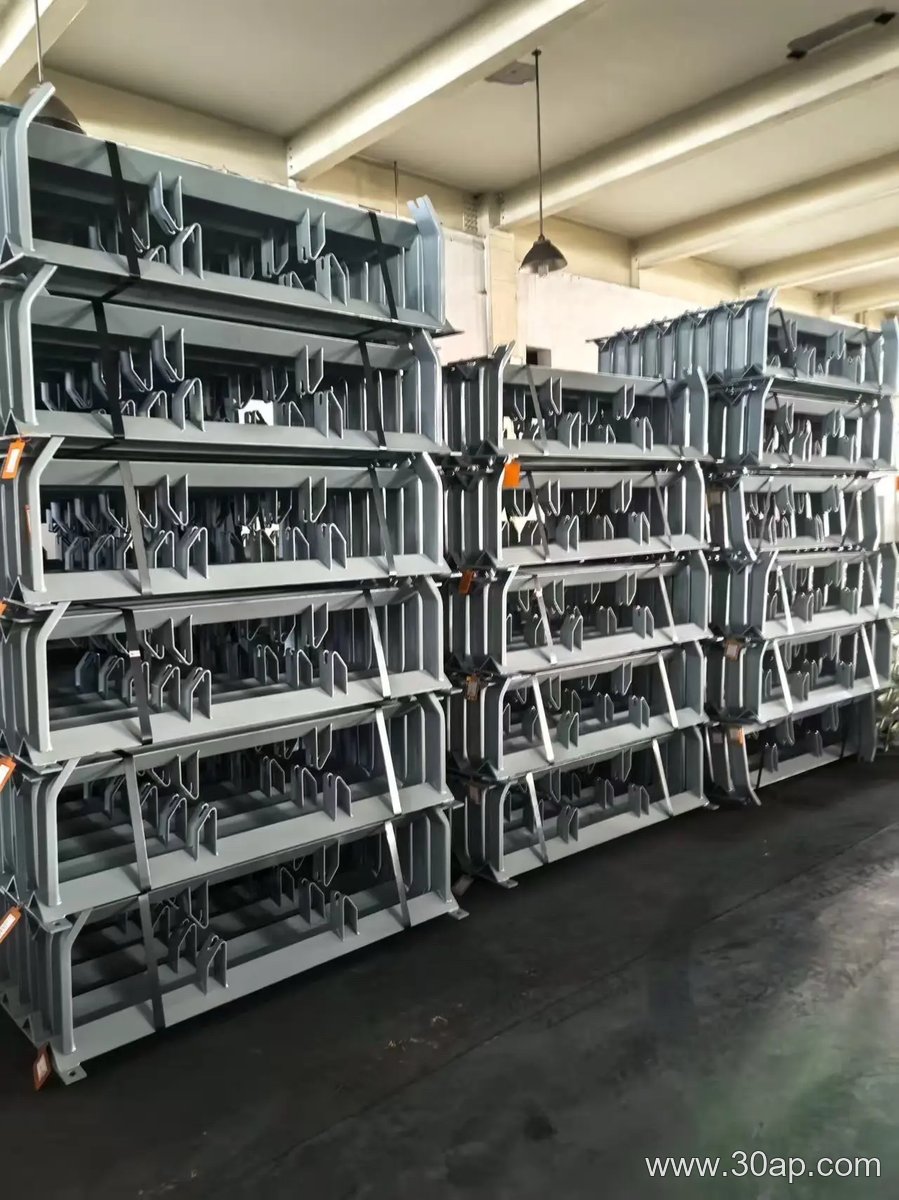
Key Selection Factors
- Material: Steel for heavy loads; stainless for corrosive or food-grade environments; aluminum for lightweight, high-speed lines.
- Adjustability: Slotted or pivoting brackets allow fine-tuning of idler rolls and return rollers.
- Load Rating: Match the bracket’s static and dynamic capacity to your maximum belt tension and product weight.
Purchasing Advice
Always verify hole spacing and shaft diameter against your existing conveyor frame. Ask for galvanized or powder-coated finishes when outdoor or humid conditions apply. Order spare brackets for critical sections—stocking one extra per 20 meters reduces emergency lead times.
Why the Conveyor Belt Remains the Backbone of Modern Material Handling
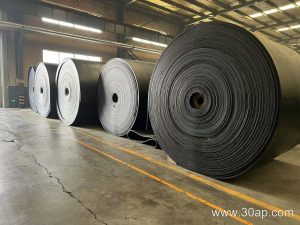
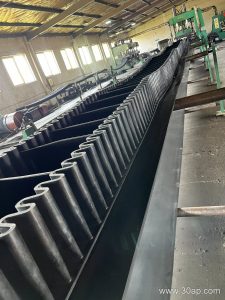
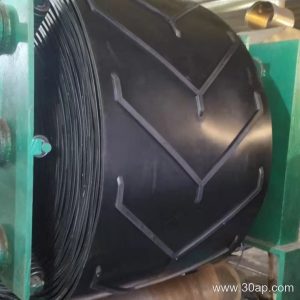
The conveyor belt is not just a moving surface; it is the engineered link between production stages, warehouse throughput, and bulk logistics. Choosing the correct belt directly impacts uptime, energy consumption, and product integrity. Before purchasing, define your load type, speed, and environment—abrasive, oily, hot, or hygienic—as each condition demands a specific rubber, PVC, or metal mesh construction.
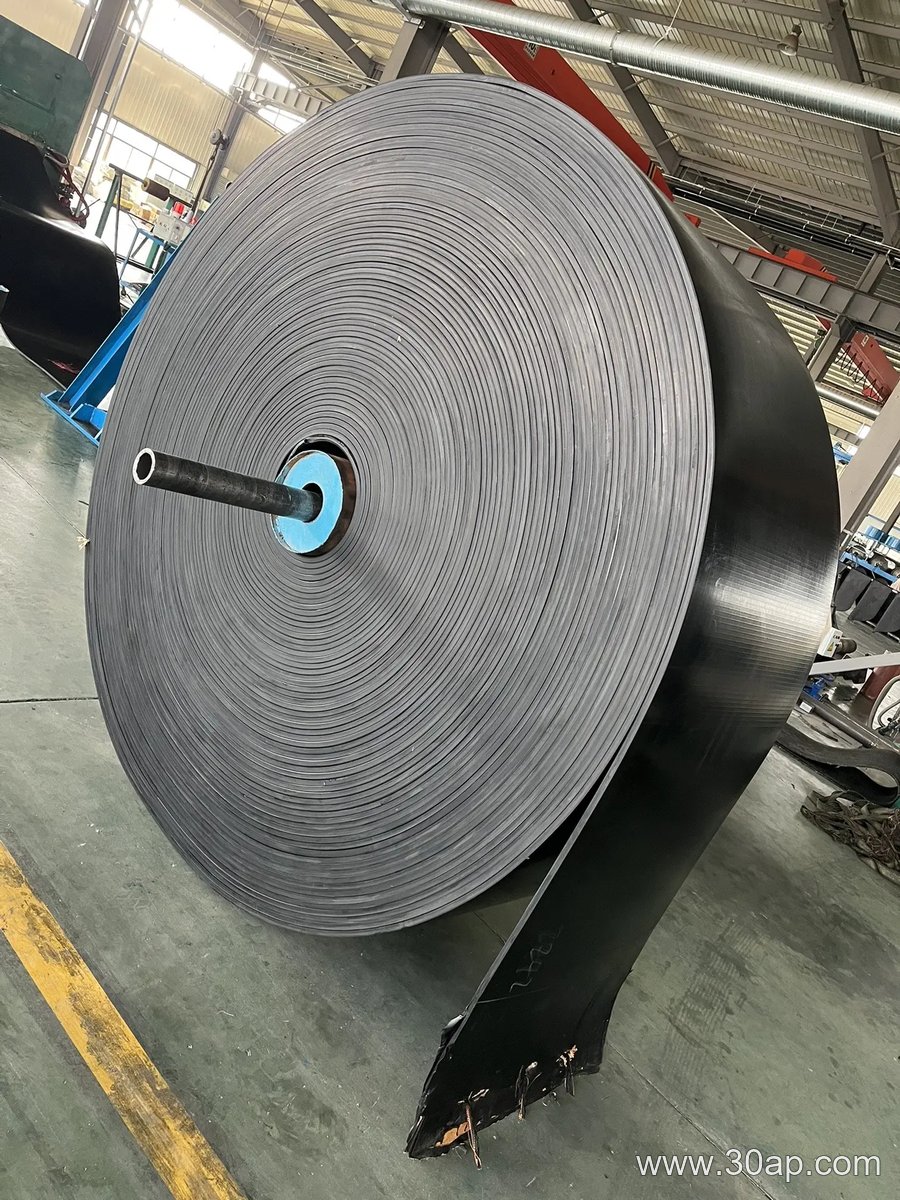
Key Selection Criteria for a Conveyor Belt
- Assess tensile strength and carcass material (polyester, nylon, or steel cord) based on peak load and belt length.
- Match cover thickness to wear risk: 3 mm for light goods, 6 mm or more for sharp or heavy aggregates.
- Check operating temperature range and chemical resistance; use fire-resistant or antistatic belts for mining or food contact.
Purchasing and Inspection Advice
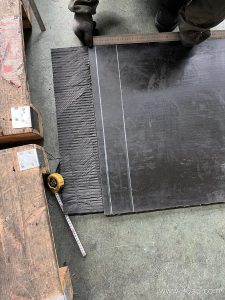
Request a splicing diagram and verify belt tracking with crowned pulleys or auto-tensioners. Always order a spare roll with identical splice type to avoid downtime. For long-term value, compare total cost of ownership—including energy efficiency and replacement frequency—not just the meter price. Insist on a certified test report for elongation and adhesion.
Why the Idler Roller Defines Your Conveyor’s Efficiency
The idler roller is the unsung hero of bulk material handling. It supports the belt, shapes the load, and absorbs impact — yet a poorly chosen roller can cause belt misalignment, premature wear, and costly downtime. This article focuses on how to choose the right idler roller for your specific application.
Core Types and Applications
- Troughed idlers (20°, 35°, 45°) for bulk solids on flat or inclined belts.
- Impact idlers with rubber rings at loading zones to cushion heavy drops.
- Return idlers (flat or V-return) to support the empty belt on the underside.
Material and Seal Selection
Steel (rolled or pressed) suits abrasive materials; impact-resistant polymer reduces noise and corrosion. Sealed bearings with labyrinth or contact seals protect against dust and moisture — critical in mining or grain handling.
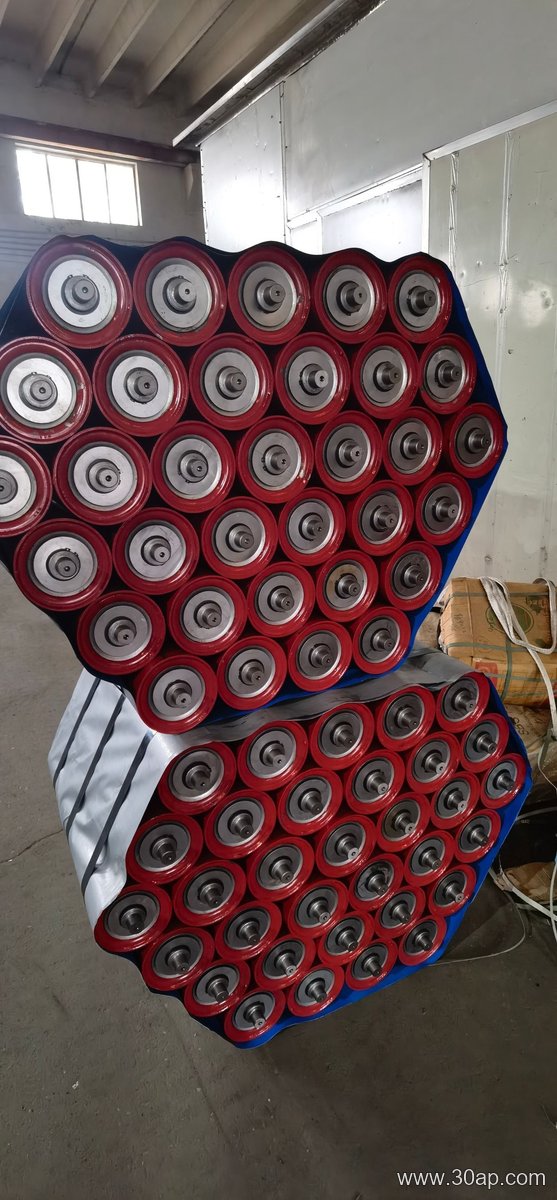
Belt Speed and Load Rating
Match the idler roller’s dynamic load capacity (C-value) to your belt speed and lump size. Under-sizing accelerates failure. Over-sizing raises cost. Check the CEMA standard for your design.
Purchasing Advice
- Measure shaft diameter, roller length, and belt width precisely.
- Request a test sample for a week under real load.
- Compare total cost of ownership — not just unit price — including maintenance intervals.
- Verify availability of spare parts and local service.
A disciplined idler roller selection extends belt life by 40% and reduces energy consumption. Prioritize application fit over low upfront price.
Why the Conveyor Pulley Dictates System Reliability
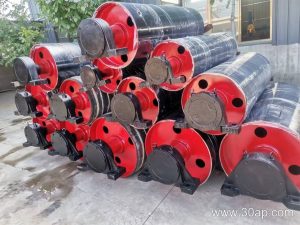
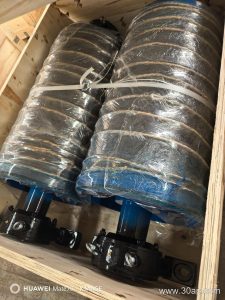
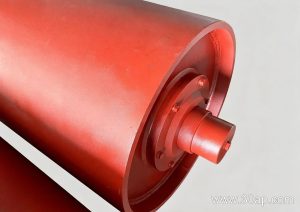
The conveyor pulley is the mechanical heart of any belt conveyor, transferring drive torque and maintaining belt tension. A poorly chosen pulley causes belt misalignment, premature wear, and costly downtime.
Key Engineering Considerations
- Diameter: Match pulley diameter to belt construction and splice type to prevent flex fatigue.
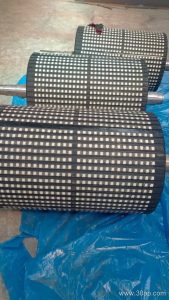
- Lagging: Specify ceramic or rubber lagging for drive pulleys to improve friction and shed material buildup.
- Shaft & Hub Rating: Verify the rated load capacity against your peak starting torque and live load.
Procurement Advice
Always request crown-faced pulleys for the head and tail positions. For severe duty, choose welded steel with a minimum shell thickness of 10 mm. Insist on dynamic balancing reports and measure the pulley’s face width to be 100–150 mm wider than the belt.
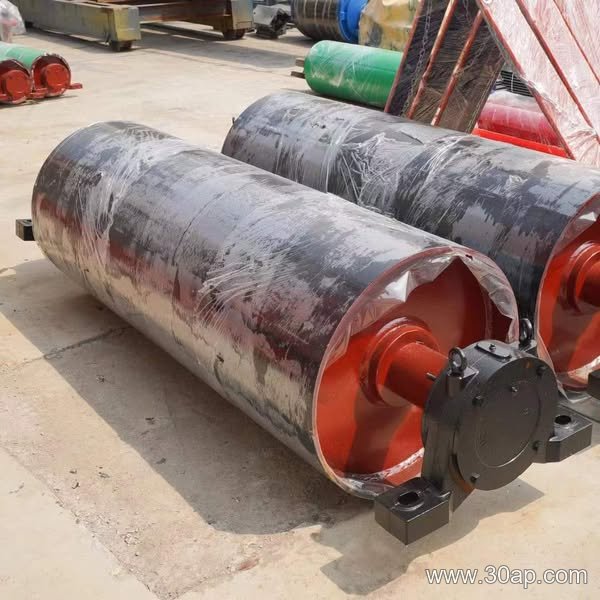
When ordering, confirm the bearing type (spherical roller recommended) and whether you need a snub or bend pulley—each serves a distinct tensioning role. Finally, request a corrosion allowance if your environment is humid or abrasive.