What a Conveyor Parts Idler Does on the Line
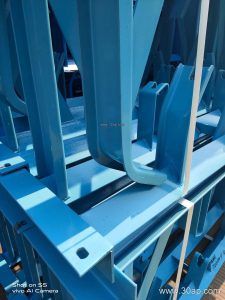
A conveyor parts idler is the rotating support that carries the belt and the material load along the length of a conveyor. Often called an idler roller, it is mounted in a conveyor bracket or frame and turns freely as the belt passes over it. The idler does not drive the belt; that job belongs to a conveyor pulley at the head or tail. Instead, the idler keeps the belt in a stable trough, reduces friction, and protects the belt from sagging between supports. In a quarry, a cement plant, or a power plant coal yard, dozens or hundreds of these rollers work together, so their condition directly affects power draw, belt life, and spillage.
How an Idler Roller Is Built
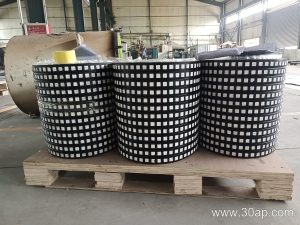
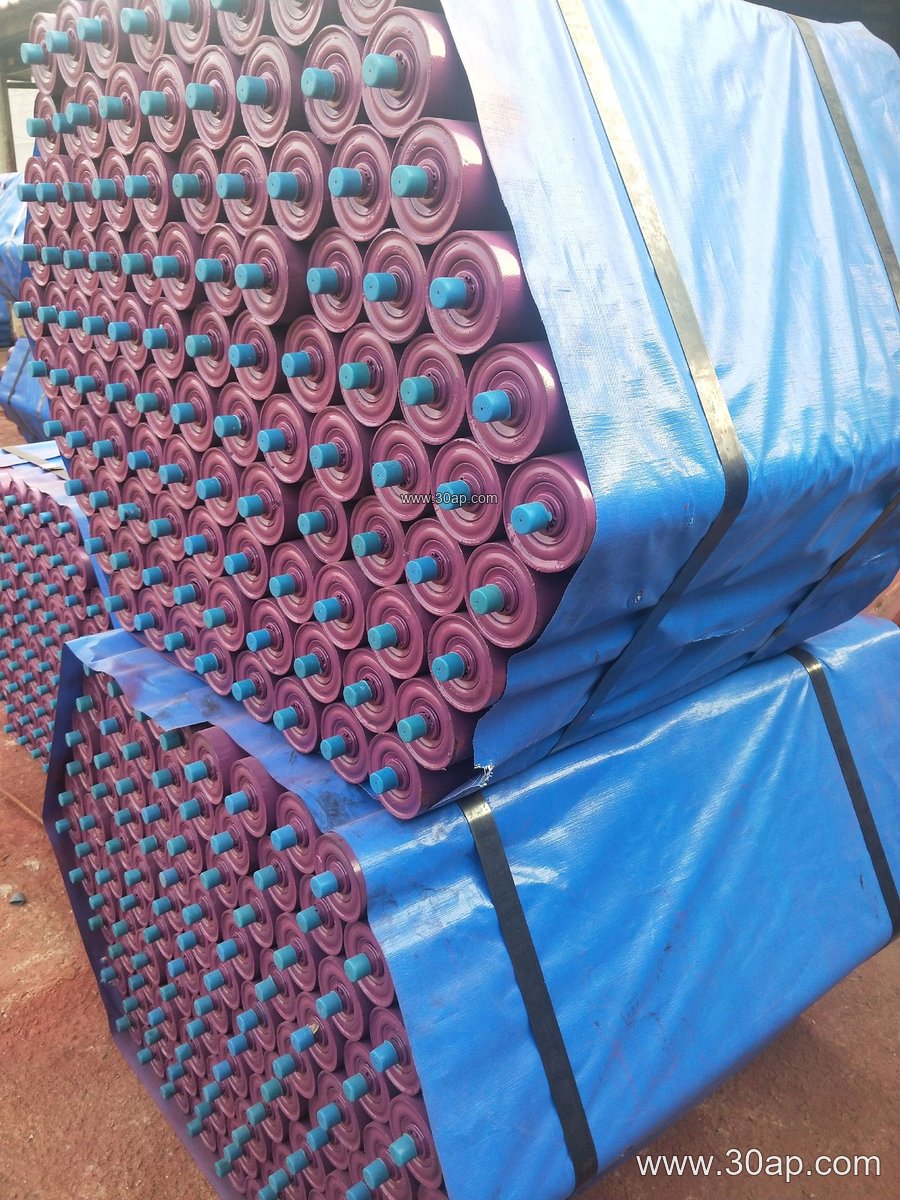
Most idlers share a simple but durable construction. A steel tube forms the shell, with bearing housings pressed into each end. Sealed bearings, often in sizes such as 6204, 6205, 6305, 6306, 6308, or 6310, allow smooth rotation while keeping dust and water out. The shaft runs through the assembly and locks into the bracket. Roller surfaces may be plain steel, nylon, ceramic, or covered with rubber rings for impact zones. Sealing quality matters most in dusty operations such as crushing circuits, where fine grit can destroy an unprotected bearing quickly.
Common Idler Types and Where They Sit
Carrying idlers on the top run are usually arranged as a single roller, two-roll, or three-roll troughing set. A three-roll troughing idler with a 20, 30, 35, or 45 degree trough angle holds bulk material in the center of the belt. Return idlers support the empty belt underneath, and V-shaped return rollers help with belt tracking. Impact idlers with rubber rings sit below loading points, while transition idlers ease the belt from flat to troughed. Self-aligning idlers, including friction and tapered designs, correct minor misalignment. Spiral idlers can reduce material buildup on the return side.
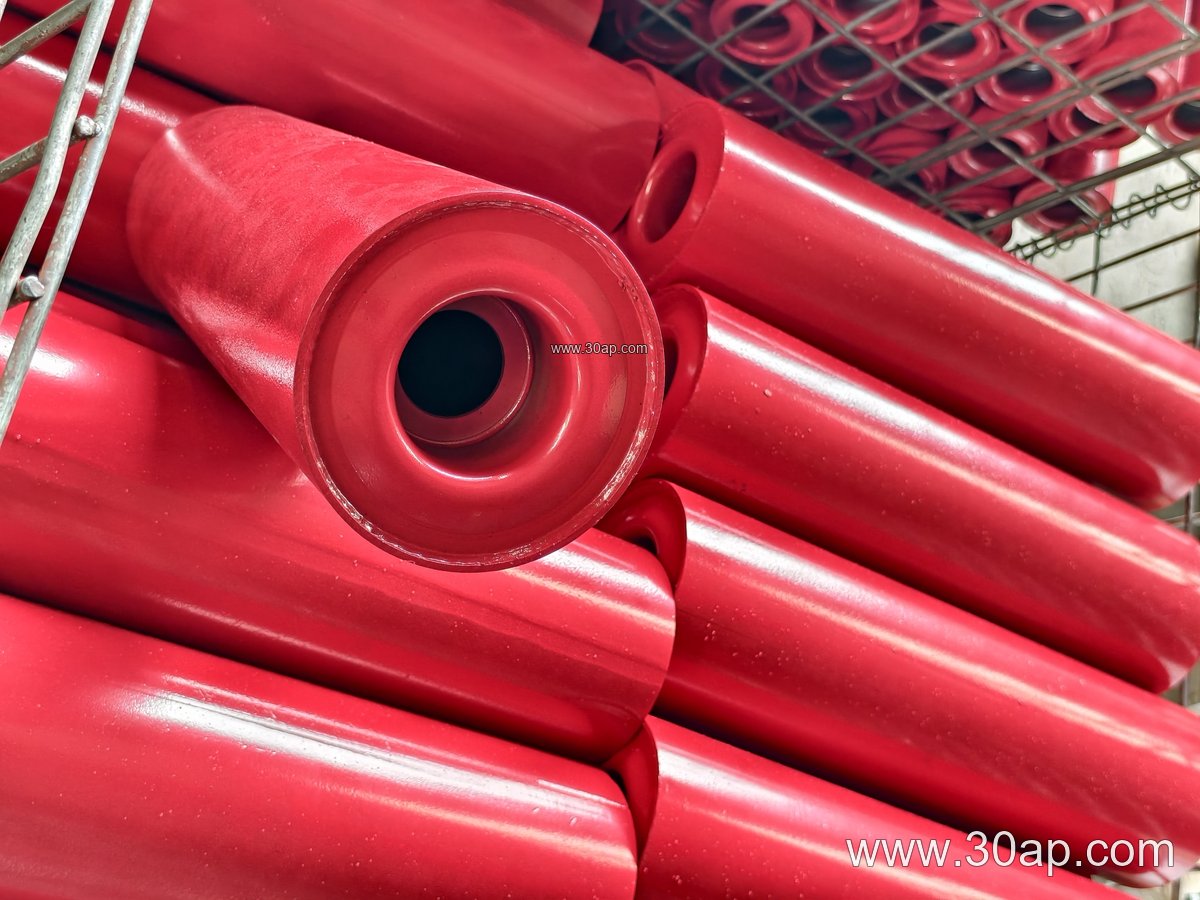
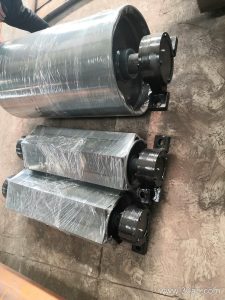
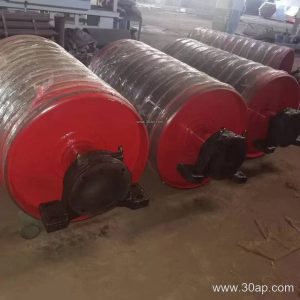
For comparison, a conveyor pulley at the drive, tail, or bend position performs a different job and is not interchangeable with an idler. Each has its own mounting, load path, and maintenance needs.
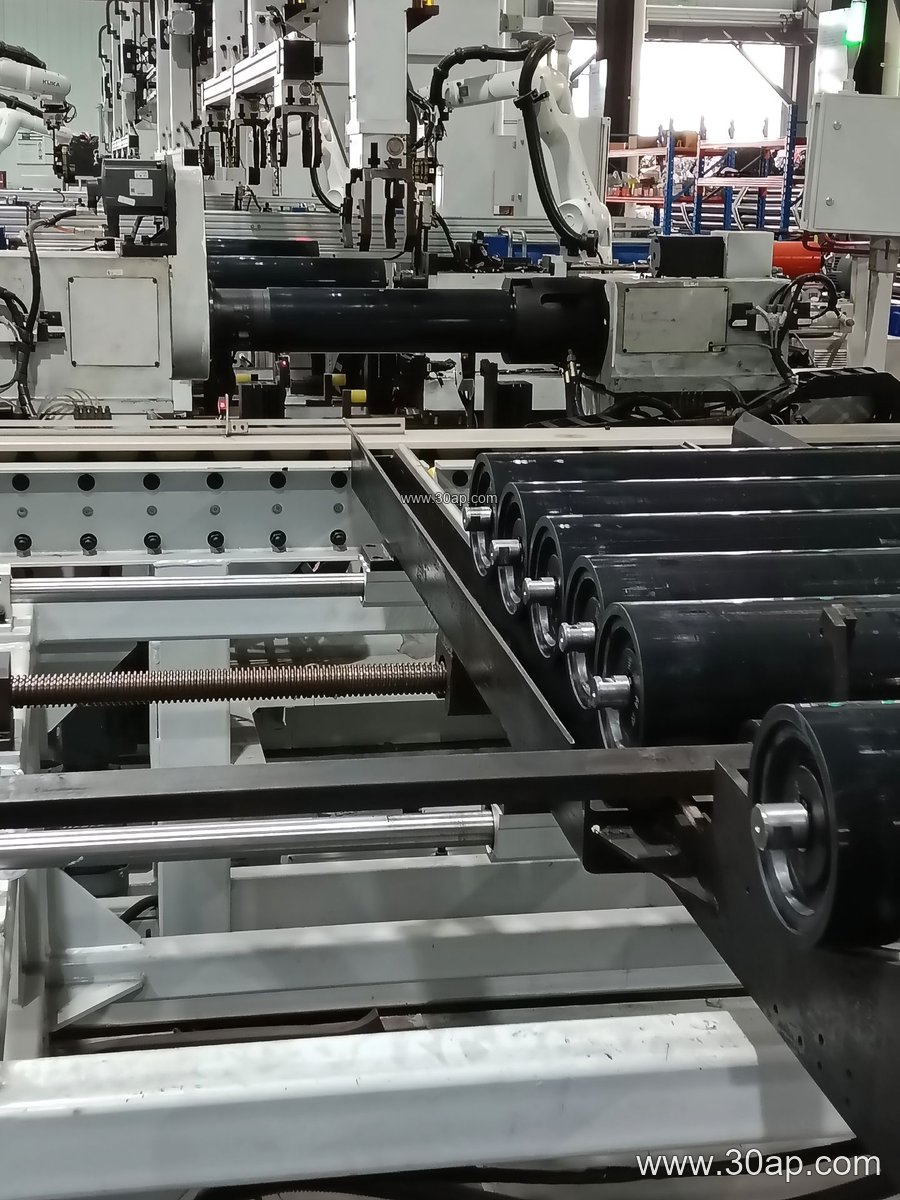
Typical Dimensions and Roller Diameters
Idler diameter and roller length are selected with belt width, trough angle, and load in mind. The table below lists common reference values, not fixed combinations.
| Item | Common Reference Values |
|---|---|
| Troughing idler diameter | Ø63, Ø76, Ø89, Ø102, Ø108, Ø127, Ø133, Ø159, Ø178, Ø194, Ø219 mm |
| Belt width | B400, B500, B650, B800, B1000, B1200, B1400, B1600, B1800, B2000, B2200, B2400 |
| Trough angle | 20, 30, 35, 45 degrees |
| Example roller length, three-roll set | About 200 mm at B500, 250 mm at B650, 315 mm at B800, 380 mm at B1000, 465 mm at B1200, 530 mm at B1400, 600 mm at B1600, 670 mm at B1800, 750 mm at B2000 |
Side rollers and center rollers can differ in length. A belt width does not dictate one shaft diameter, and bearing size should be confirmed with the idler supplier rather than assumed from belt width alone.
Where These Rollers Are Used
Idlers appear wherever a conveyor belt moves bulk material. In a limestone quarry or aggregate line, troughing and impact idlers handle sharp rock after primary crushing. In a coal handling system at a power plant, flame retardant and anti-static belt grades often run over sealed rollers that resist coal dust. A cement plant uses them on clinker and raw meal lines, while a port ship loader relies on them for long horizontal runs. The same hardware suits fertilizer, grain, and tunnel spoil conveyors when the roller surface and sealing match the environment.
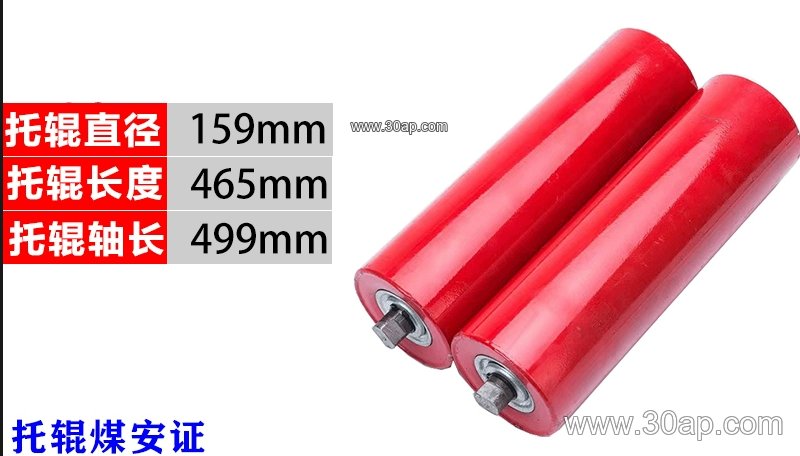
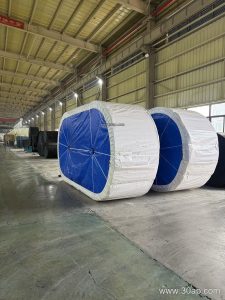
Matching belt construction to the duty helps the whole system last. A heavy-duty mining conveyor belt or high abrasion resistant conveyor belt puts more demand on roller bearings and shells than a light package-handling line. In wet or oily conditions, an oil resistant conveyor belt or cold resistant conveyor belt may be paired with properly sealed idlers.
What Buyers Should Check Before Ordering
- Confirm the belt width, trough angle, and whether the set is single, two-roll, or three-roll.
- Check the roller diameter, shell thickness, shaft ends, and bracket fit against the existing frame.
- Ask about bearing size, sealing arrangement, and lubrication type for the site conditions.
- For impact zones, specify rubber ring or cushion rollers rather than standard troughing idlers.
- Review the belt grade in use, from EP conveyor belt and NN conveyor belt constructions to steel cord conveyor belt, so roller spacing and load assumptions are realistic.
- Plan a spare stock of the most common roller lengths and diameters to reduce downtime.
Regular inspection of idler rotation, noise, and shell wear prevents small roller problems from turning into belt damage. A well-chosen conveyor parts idler set, matched to the belt and the material, keeps a quarry, coal yard, or cement line running with less friction and fewer stoppages.