What a Friction Self-Aligning Idler Does
On a long conveyor, even a small drift of the belt toward one side can lead to edge damage, spillage, and unscheduled downtime. A friction self-aligning idler is a training idler that uses the friction between the rotating roller and the belt to steer the belt back on track. Unlike a fixed troughing idler, this idler is mounted on a pivot or bracket that allows the whole roller set to skew slightly when the belt wanders. The resulting friction force creates a corrective angle, gently guiding the belt toward the center. It is a passive, mechanical solution that requires no sensors or external power.
Construction and Key Components
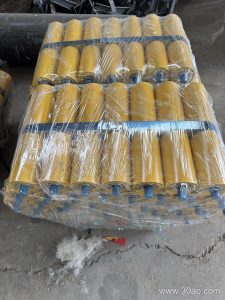
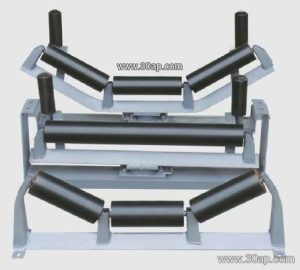
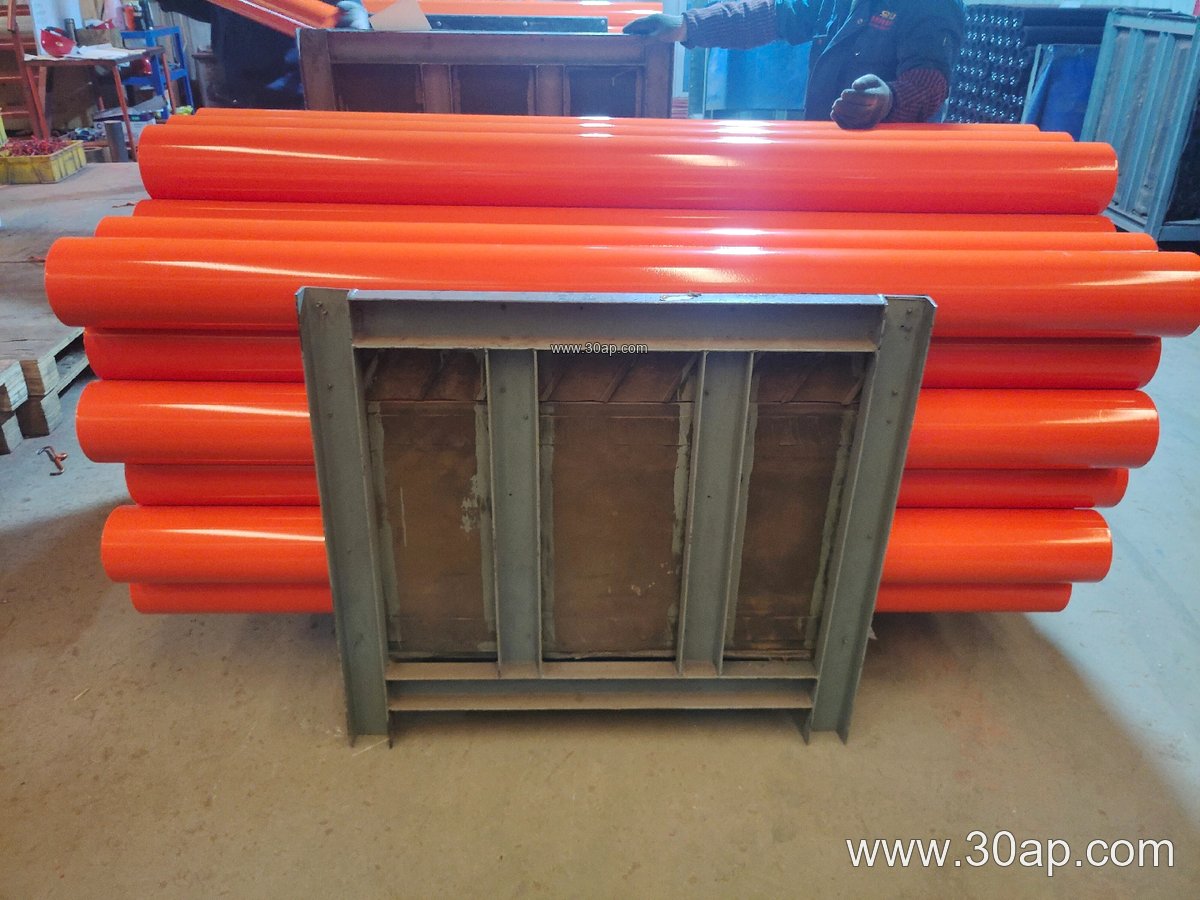
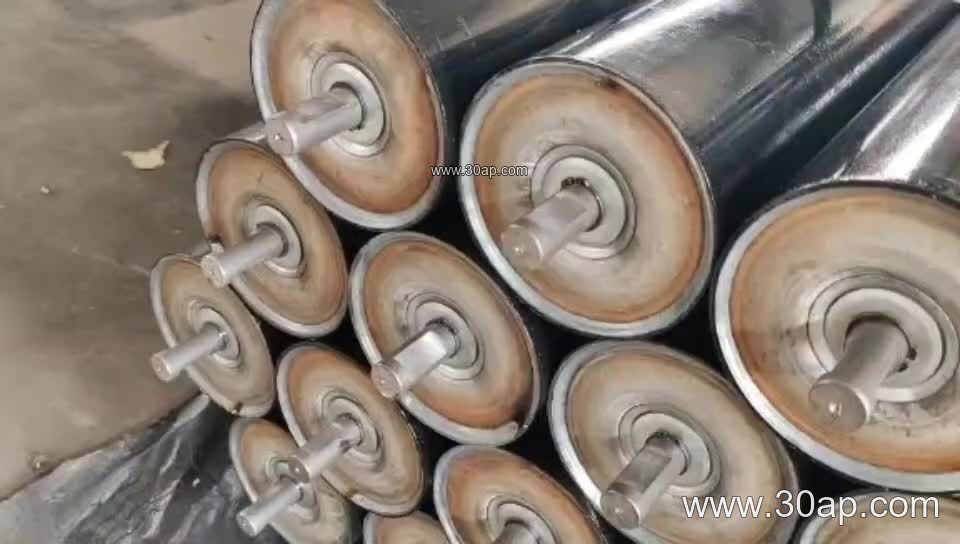
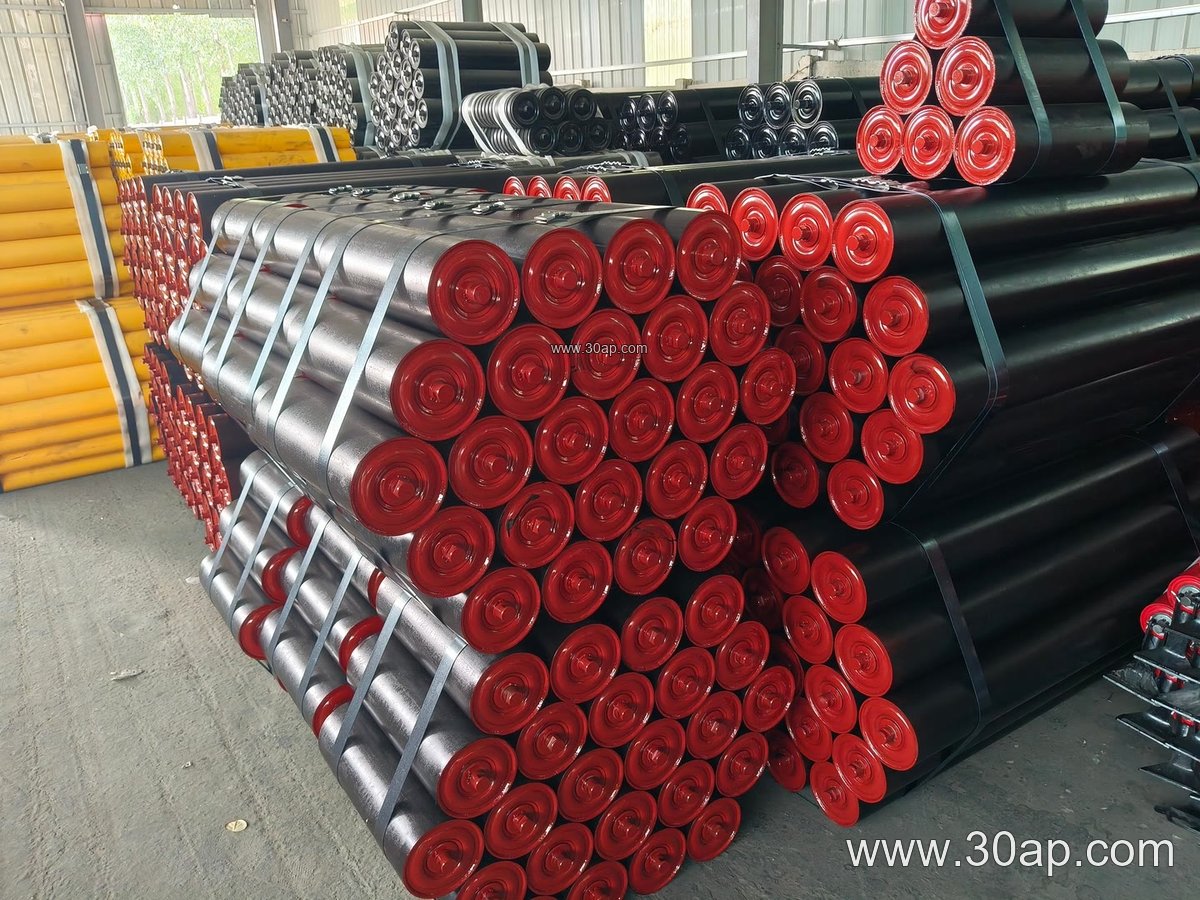
The friction self-aligning idler typically consists of a sturdy steel frame, two or three rollers, and a vertical pivot shaft supported by a conveyor bracket. The rollers are often made of steel tube, and the surface may be plain, rubber-covered, or fitted with rubber rings for extra grip. Bearings such as 6205, 6305, or 6306 are common, depending on the roller diameter and load. The pivot mechanism is designed with a small amount of friction so that the idler responds to belt misalignment but does not oscillate. A common configuration uses a 30-degree or 35-degree trough angle with a roller diameter of Ø89, Ø108, or Ø133 mm, matched to the belt width and material load.
Where It Fits on the Conveyor
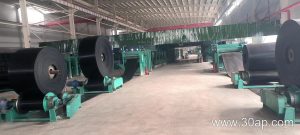
These idlers are usually installed on the carrying side, spaced at intervals along the conveyor. They are especially useful on long overland conveyors, in tunnels, and at transfer points where the belt is prone to misalignment. In a quarry or sand and gravel plant, a friction self-aligning idler helps keep the belt centered after a crusher discharge. In a coal mining operation, it can be paired with a flame retardant conveyor belt to maintain tracking in dusty, uneven conditions. For cement plants and power plant coal handling, the idler works alongside troughing idlers and impact idlers to stabilize the belt path.
Common Sizes and Configurations
Friction self-aligning idlers are available in a range of roller diameters and belt width matches. The table below shows typical reference values; actual selection depends on belt speed, load, and trough angle. Roller length is not fixed to a single belt width, and the side rollers may differ from the center roller.
| Belt Width (mm) | Common Roller Diameter (mm) | Typical Trough Angle |
|---|---|---|
| 500 | Ø63, Ø76, Ø89 | 20°, 30° |
| 650 | Ø76, Ø89, Ø108 | 20°, 30°, 35° |
| 800 | Ø89, Ø108, Ø133 | 30°, 35° |
| 1000 | Ø108, Ø133, Ø159 | 30°, 35°, 45° |
| 1200 | Ø108, Ø133, Ø159 | 30°, 35°, 45° |
| 1400 | Ø133, Ø159, Ø178 | 35°, 45° |
| 1600 | Ø133, Ø159, Ø178, Ø194 | 35°, 45° |
| 1800 | Ø159, Ø178, Ø194 | 35°, 45° |
| 2000 | Ø178, Ø194, Ø219 | 35°, 45° |
These are common examples, not mandatory combinations. A 1200 mm wide belt, for instance, may use a friction self-aligning idler with Ø133 mm rollers and a 35-degree trough angle, but the final choice should be confirmed by the conveyor designer.
Selection Tips for Buyers
When specifying a friction self-aligning idler, consider the belt width, the material being conveyed, and the environment. For abrasive materials such as iron ore or copper ore, a roller with a thicker wall or a rubber surface can extend service life. In a coal mining conveyor system, the idler should be compatible with the flame retardant and anti-static properties of the belt. The pivot mechanism should be protected from dust and water; sealed bearings and a robust bracket are important in wash-down or outdoor applications. Also check that the idler frame height and roller length match the existing conveyor structure, and that the pivot allows enough swing to correct the expected misalignment without contacting the belt edges.
Maintenance and Compatibility
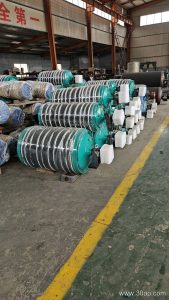
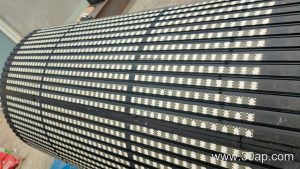
Friction self-aligning idlers have no electrical parts, so maintenance is mainly inspection of the pivot for free movement and checking the rollers for wear or build-up. A worn bearing or a stuck pivot will reduce the self-aligning effect. When replacing a standard training idler, ensure the new friction self-aligning idler is mounted on a compatible conveyor bracket and that the belt has sufficient tension for the friction force to act. For conveyors carrying heavy bulk material, pairing these idlers with a heavy-duty mining conveyor belt and properly aligned conveyor pulleys will improve overall tracking performance.
Where to Use It
This idler is a practical choice for quarry conveyors, aggregate lines, and cement plant raw material handling. It also finds use in port ship loading and storage yard conveyors where belt alignment is critical. Because it relies on friction rather than sensors, it is a cost-effective way to reduce belt edge wear and spillage in many bulk material handling operations.