What an EP Conveyor Belt Is
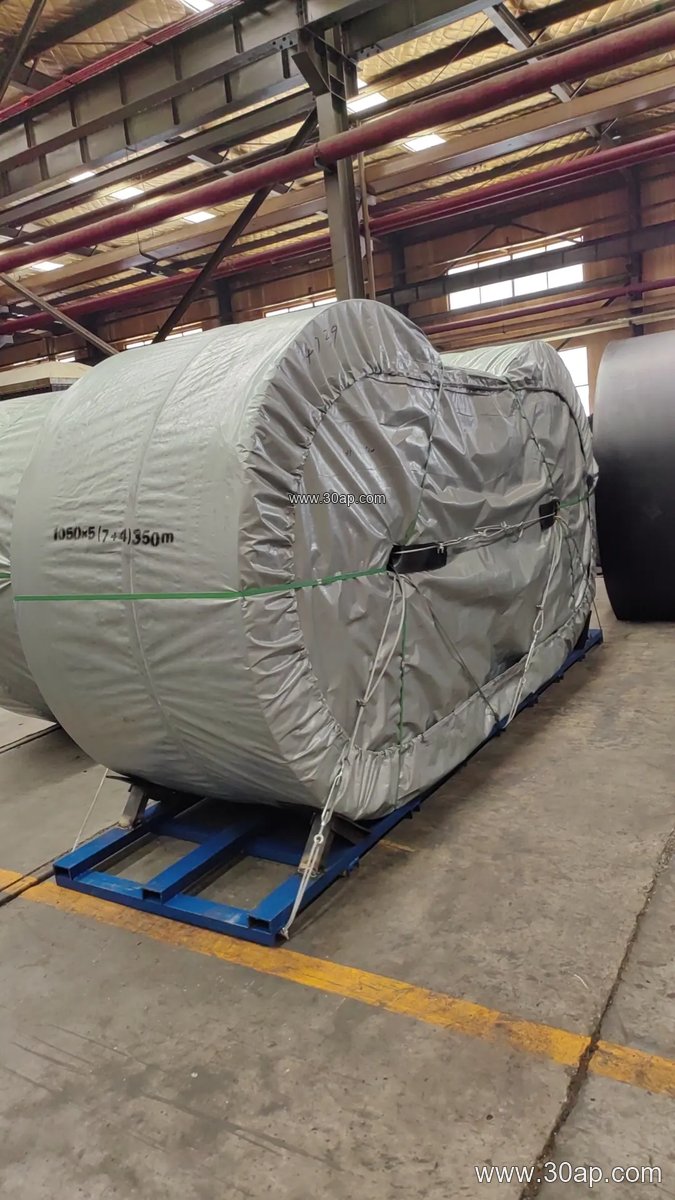
An EP conveyor belt is a fabric-core belt built around polyester warp yarns and polyamide (nylon) weft yarns. The name comes from the two fibre types: E for polyester and P for polyamide. This hybrid carcass gives the belt high tensile strength with low elongation, which is why it is a common choice for main haulage lines in mines, quarries, cement works, power plants and sand and gravel yards. In everyday buying language the product is often called an EP rubber conveyor belt or an EP fabric core conveyor belt, and all three names describe the same item.
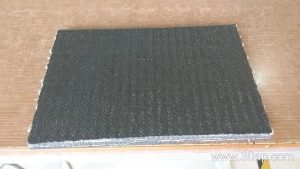
The carcass is the load-bearing part. It is bonded to rubber covers on the top and bottom, and the whole assembly is vulcanised into a flat, flexible band. Because the polyester warp resists stretching under tension, an EP belt usually needs less take-up travel than a pure nylon belt, which matters on long inclined routes where start-up shock and steady creep both affect tracking.
Construction and Cover Options
A standard build stacks several fabric plies, usually two to six, and wraps them in skim rubber before the top and bottom covers are applied. Cover thickness is normally written as a pair, for example 4+2 mm or 6+2 mm, meaning top cover plus bottom cover. Buyers should match the cover compound to the material being carried rather than to habit.
- Abrasion resistant covers for crusher discharge, ore and stone.
- Heat resistant grades for clinker, sinter and cement kiln areas.
- Flame retardant and anti-static builds for coal mining and underground coal mining duty.
- Oil resistant compounds around workshops and recycling lines.
- Cold resistant grades for outdoor yards in hard winters.
Edge protection, transverse reinforcement and cover hardness are specified per project. Where material is dropped from height, an impact resistant cover or a thicker top cover reduces gouging at the loading point.
Strength Grades and Common Sizes
EP belts are graded by the nominal tensile strength of the carcass, expressed in newtons per millimetre of width. The table below lists typical grades and belt widths; values are for reference and actual supply depends on the manufacturer and the conveyor design.
| Item | Common options |
|---|---|
| Strength grade | EP200, EP315, EP400, EP500, EP630, EP800, EP1000, EP1250, EP1600, EP2000 |
| Belt width | B500, B650, B800, B1000, B1200, B1400, B1600, B1800, B2000 |
| Cover thickness | 3+1.5, 4+2, 5+2, 6+2, 8+3 mm |
| Ply count | Usually 2 to 6 fabric layers |
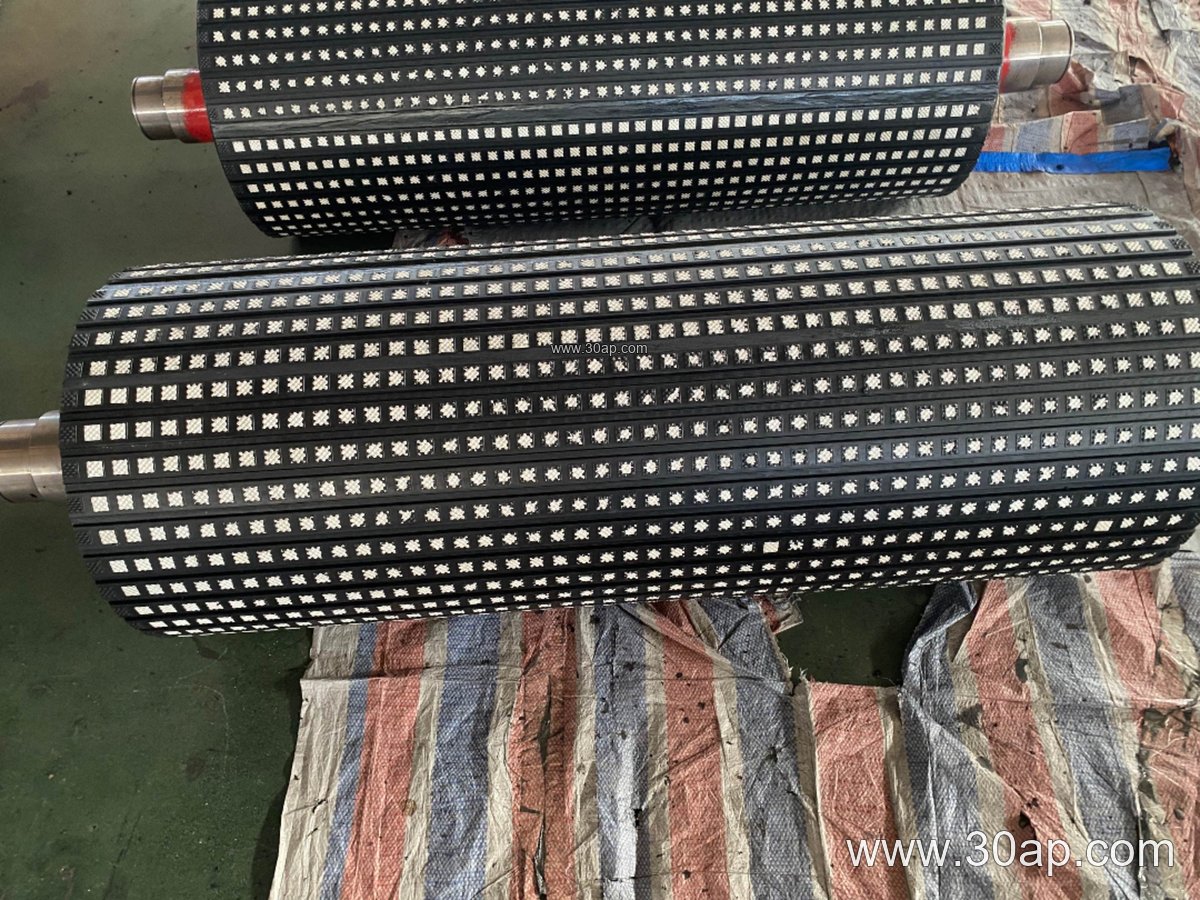
Grade and width are selected together with the conveyor profile, the tonnage per hour and the drive arrangement. A wide belt on a short run may only need a modest grade, while a narrow belt on a long lift may call for a higher rating. There is no rule that ties one belt width to one pulley diameter; drive pulley, tail pulley and bend pulley dimensions follow the shaft loads and wrap angles calculated for the whole conveyor.
Where EP Belts Are Used
Typical duties include raw ore transport at an iron ore or copper ore site, coal haulage on the surface, clinker and limestone handling in a cement plant, biomass and ash lines in a power station, and aggregate movement in a sand making plant or stone crushing line. Port terminals and ship loading systems also use fabric core belts where the run length suits a fabric carcass. For very long, high-tension trunk conveyors, a steel cord conveyor belt is often compared, but that is a different carcass class and not a substitute where an EP build has been specified.
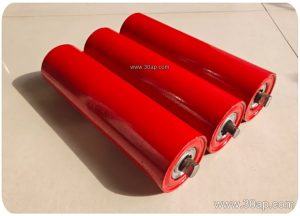
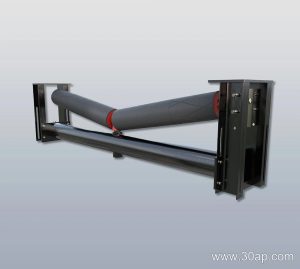
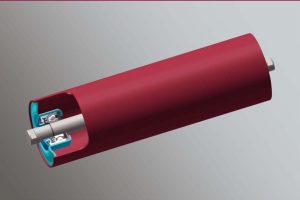
Related hardware matters as much as the belt. Idler roller spacing, conveyor pulley lagging and conveyor bracket alignment all influence belt life. A poorly aligned frame or a seized idler can damage even a correctly rated belt within weeks.
Buyer Checklist
- Confirm the required strength grade and the number of plies with the conveyor designer.
- State the material, lump size, temperature and any oil or chemical exposure.
- Choose cover thickness from the wear pattern, not only from the initial budget.
- For coal or underground work, specify flame retardant and anti-static properties.
- Ask how the belt will be joined: vulcanised splice or mechanical fastener, since splice strength depends on carcass type.
- Check storage and handling, because fabric core belts should not be kinked or stored in direct sun for long periods.
For general fabrication work, a rubber conveyor belt in EP construction can be cut and spliced on site by trained crews. Matching the belt grade, cover compound and splice method to the duty keeps a quarry conveyor belt or a mining conveyor belt running predictably, and it simplifies spare planning when several lines share the same specification. More selection notes for fabric core belts and related components are available at conveyorbeltsolution.com.