What the Ø127 Heavy-Duty Idler Is
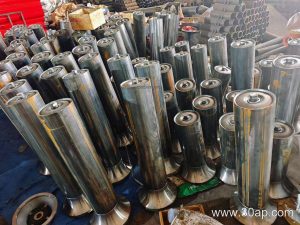
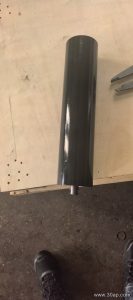
The Ø127 heavy-duty idler is a robust conveyor roller built around a 127 mm nominal diameter shell. In bulk handling, that diameter sits in the upper-middle range of common idler sizes, giving the roller enough stiffness and load capacity for wide, fast or heavily loaded belts. This roller is often specified as a heavy-duty carrying idler or return idler on main haulage conveyors, where ordinary light-series rollers would wear out too quickly. You will also see it described simply as a 127 mm idler roller, but the heavy-duty qualifier matters: it signals thicker shells, stronger bearing housings and better sealing than a standard-duty unit of the same diameter.
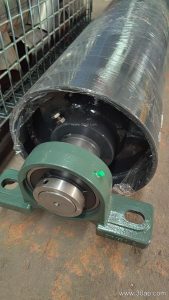
The Ø127 heavy-duty idler is not a pulley. Drive, tail and bend pulleys are different components with different duties, and they are never interchangeable with idlers. A conveyor pulley turns the belt; an idler roller supports it. Keeping that distinction clear helps buyers avoid mismatched parts lists.
How It Is Built
Construction follows the usual roller pattern, but with heavier elements. The shell is typically a thick-walled steel tube, machined at the ends to seat the bearing housings. Shafts are sized by the load case, not by belt width alone, so a 127 mm roller on a 1200 mm belt may use a different shaft than the same diameter on a 2000 mm belt. Bearings are commonly deep-groove ball bearings such as 6308 or 6310 in this size class, selected according to load and speed. Sealing is the quiet hero: labyrinth seals, felt or rubber lip seals and grease-filled end caps keep dust and water out in quarry, coal and cement environments.
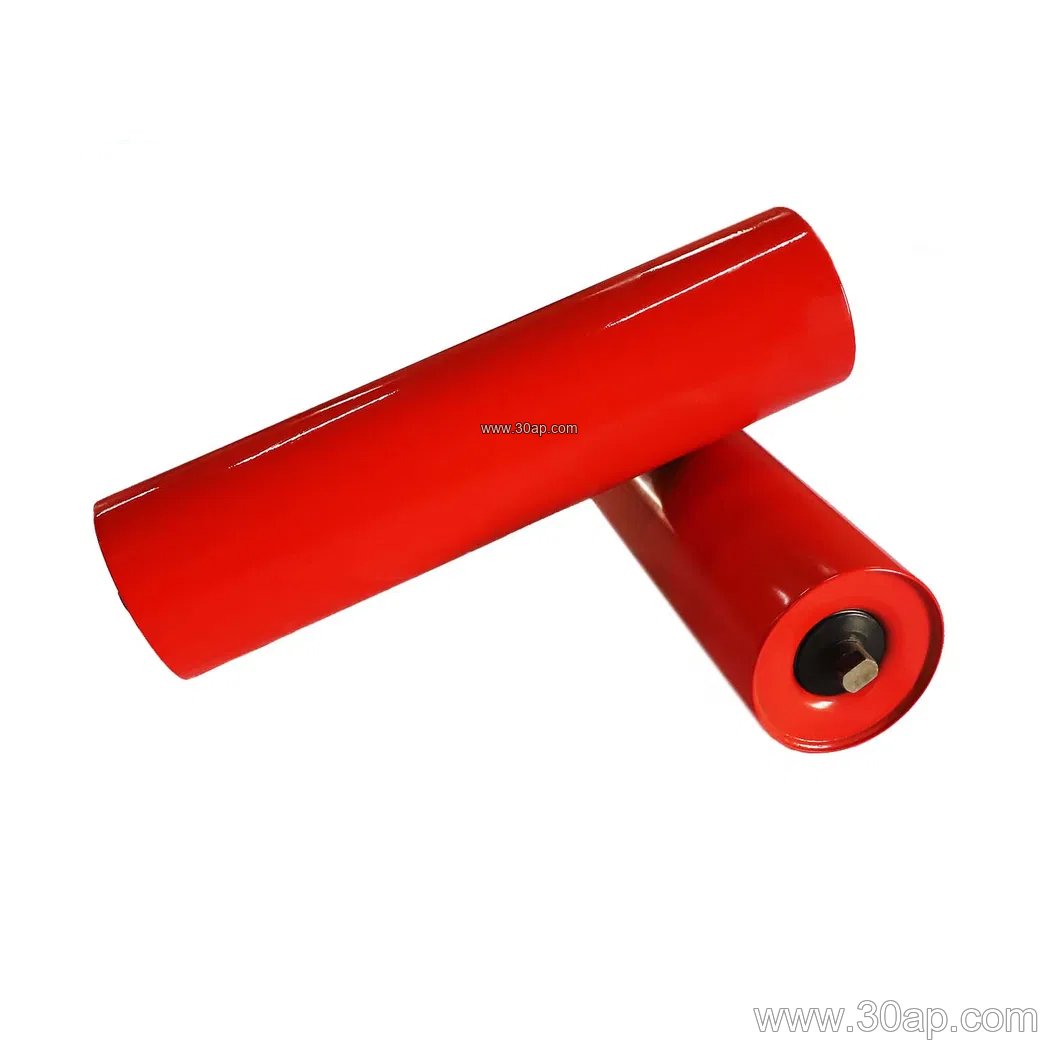
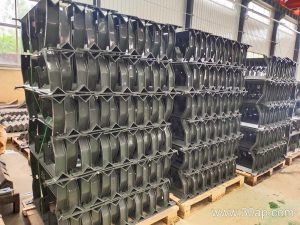
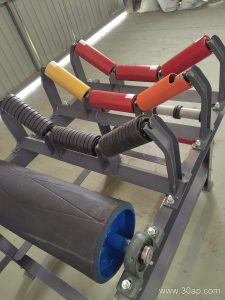
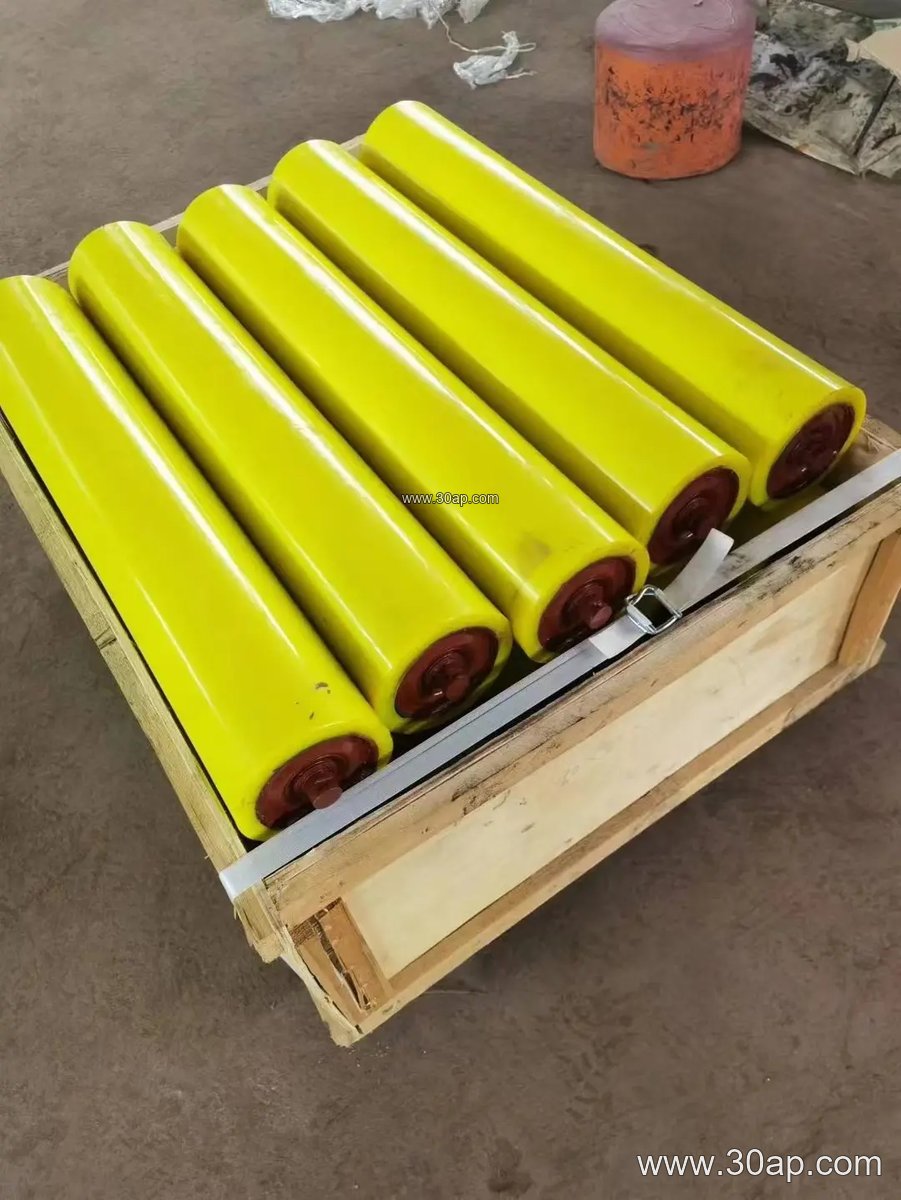
Surface options vary with the duty. Plain steel shells suit clean, abrasive-free service. Rubber rings or rubber lagging reduce impact and noise under coarse rock. Ceramic or nylon covers help where sticky material builds up. The roller is mounted in a conveyor bracket or frame, and the complete station may be a single roller, a two-roller set or a three-roller troughing set at 20, 30, 35 or 45 degrees.
Where It Fits in the Plant
This diameter is a workhorse in heavy material flow. In a limestone quarry or aggregate line, Ø127 heavy-duty idlers carry crusher discharge and screen feed belts. In a coal washing plant and power station coal yard, they support belts moving damp, abrasive fuel. Cement plants use them on clinker and raw meal conveyors, while iron ore and copper ore operations rely on them on long overland runs. Port ship-loading conveyors and steel plant sinter lines also specify this size where belt speeds and tonnages are high.
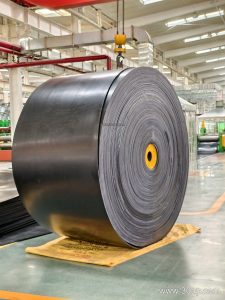
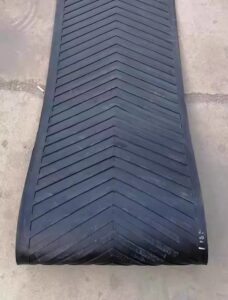
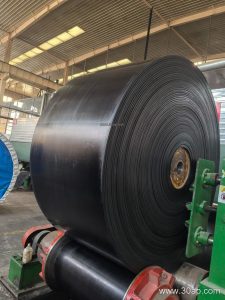
The belt itself matters. A heavy-duty mining conveyor belt, an abrasion resistant conveyor belt or a flame retardant conveyor belt all impose different loads on the roller. Where the belt is a steel cord conveyor belt or a high strength conveyor belt, the idler spacing and roller diameter are usually engineered together. Multi-ply fabric core and EP conveyor belts are common on medium-duty lines, while corrugated sidewall or pipe conveyor belts need specially arranged idlers rather than a simple troughing set.
Common Reference Dimensions
The table below gives typical reference values, not fixed rules. Roller length changes with belt width, trough angle and station type, and side rollers may differ from centre rollers.
| Belt width | Typical roller length, three-roller troughing | Common trough angles |
|---|---|---|
| B500 | about 200 mm | 20°, 30°, 35° |
| B650 | about 250 mm | 20°, 30°, 35° |
| B800 | about 315 mm | 30°, 35°, 45° |
| B1000 | about 380 mm | 30°, 35°, 45° |
| B1200 | about 465 mm | 30°, 35°, 45° |
| B1400 | about 530 mm | 30°, 35°, 45° |
| B1600 | about 600 mm | 30°, 35°, 45° |
| B1800 | about 670 mm | 35°, 45° |
| B2000 | about 750 mm | 35°, 45° |
Bearing choices in this diameter are usually 6308 or 6310, with 6208 or 6306 appearing on lighter variants. A 127 mm roller is not automatically required for every belt width, and one belt width does not dictate a single shaft diameter. Design load, speed and belt tension decide that.
What a Buyer Should Check
- Confirm the duty class. A heavy-duty idler should have a thicker shell and better seals than a standard roller of the same diameter.
- Match the roller to the station: carrying, impact, return or self-aligning. A V-return or flat return idler does a different job from a troughing idler.
- Check the shaft and bearing arrangement against the actual load, not just the belt width.
- Ask about seal type and grease retention for dusty or wet service.
- Verify mounting dimensions against the existing conveyor bracket and frame.
- Consider the belt: a heat resistant conveyor belt or oil resistant conveyor belt may need different roller covers or clearances.
Used well, the Ø127 heavy-duty idler is a long-life component that keeps a conveyor belt running true from the crusher to the stockpile. Buyers who match diameter, duty class and sealing to the real operating conditions get far better service than those who choose on price alone.