What the Main Drive Pulley Does
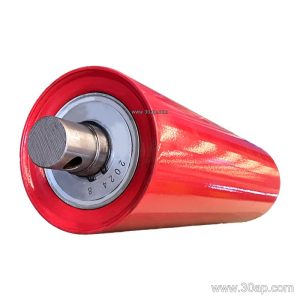
The main drive pulley is the powered drum at the head of a belt conveyor that transfers torque from the gearbox to the conveyor belt. As the belt wraps the drum, friction between the pulley surface and the belt cover pulls the loaded strand forward. In a quarry or a cement clinker line, this single component sets the pace for the whole material flow, so its diameter, face width, shaft and lagging all deserve careful attention.
It is also called the head pulley or drive drum. It should not be confused with a tail pulley at the return end or a bend pulley that only changes belt direction. Those drums guide or tension the belt; only the drive drum inputs power.
Construction and Surface Options
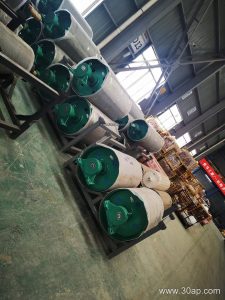
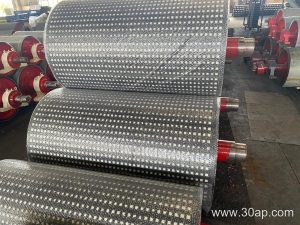
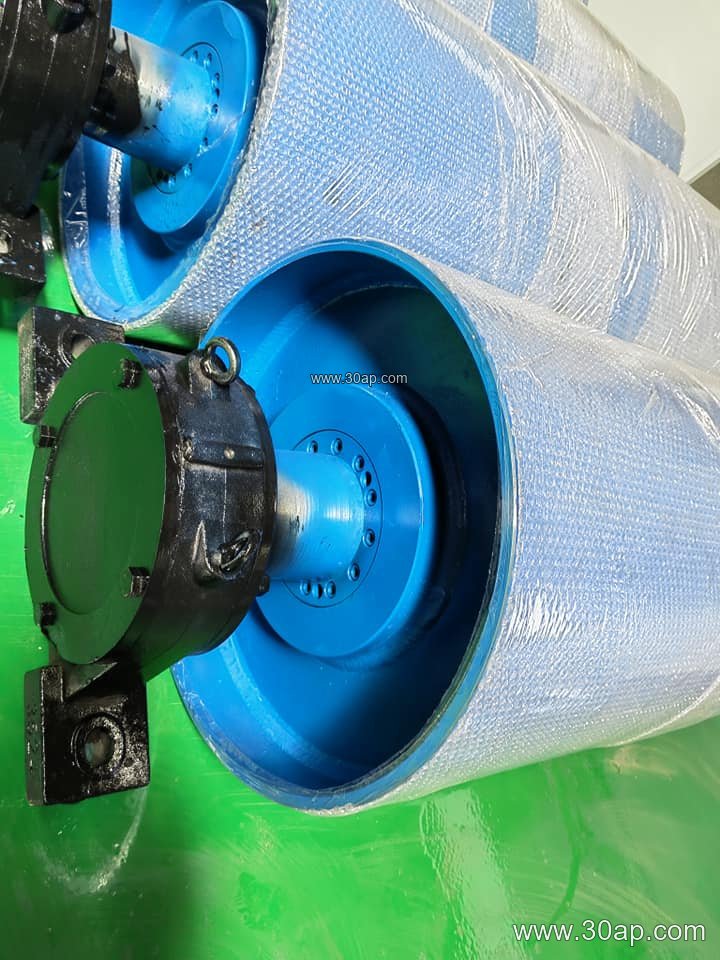
A typical drive drum is a welded steel shell with machined end discs and a through shaft, supported by bearing housings mounted on the conveyor bracket. The shell may be plain, or covered with rubber lagging to raise the friction coefficient. Common lagging methods include hot-vulcanized rubber, cold-bonded rubber, diamond grooving, ceramic tiles and plain sheet. Lagging thickness is frequently 8, 10, 12, 15 or 20 mm depending on belt tension and environment.
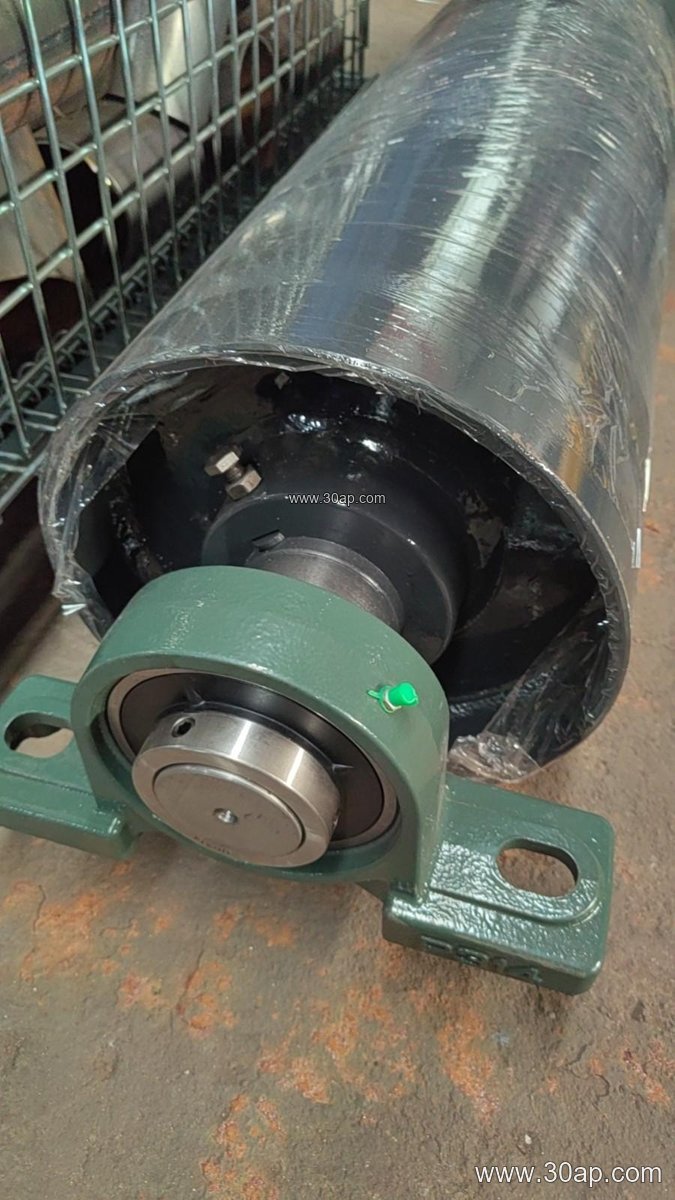
The face width usually exceeds the belt width so the belt is fully supported. Reference proportions are often quoted as B400 with about 500 mm face, B650 with about 750 mm, B800 with about 950 mm, B1000 with about 1150 mm and B1200 with about 1400 mm. A drum might be ordered as B1200 × Ø1000 or B800 × Ø500, but these are examples, not fixed pairings.
Where It Is Installed
Drive pulleys appear in stone crushing plants feeding a screen, in power plant coal handling, in iron ore and copper ore concentrate transport, and in port bulk terminals. In a coal mining conveyor, a flame retardant conveyor belt or PVG conveyor belt may run over a lagged drive drum, while a steel cord conveyor belt on a long overland route needs a larger diameter to limit bending stress. The same drum concept serves a fertilizer plant or a grain silo, where a food grade conveyor belt or oil resistant conveyor belt may be used.
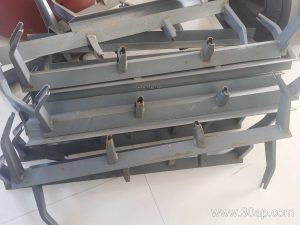
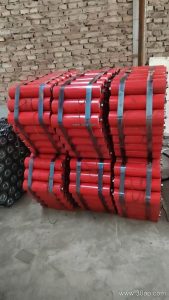
Matching the drum to the belt matters. A heavy-duty mining conveyor belt with high tension needs sufficient wrap angle and friction; a chevron conveyor belt or corrugated sidewall conveyor belt may require a slightly different approach to belt tracking at the head. The idler roller set on the carrying side and the return idlers keep the belt aligned as it approaches the drum.
Key Parameters for Buyers
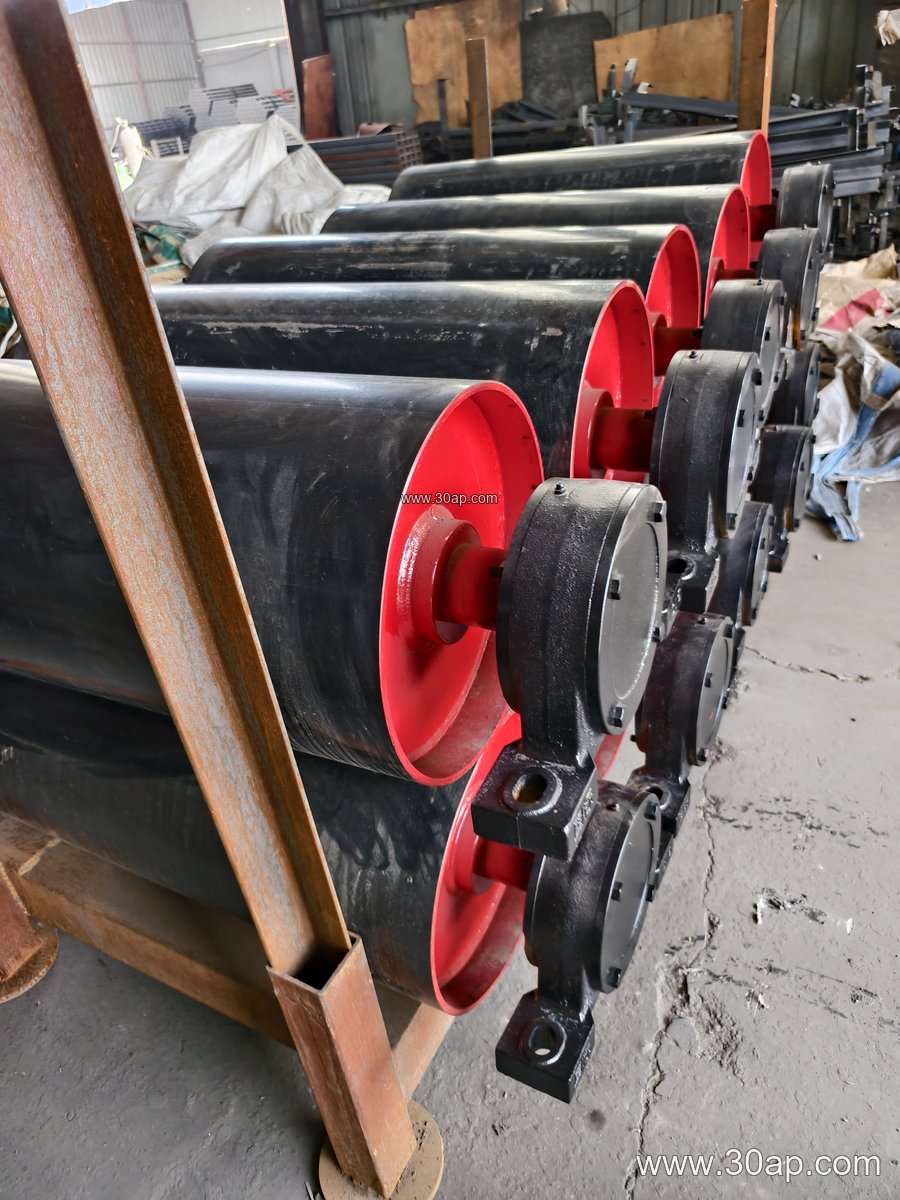
When specifying, buyers usually confirm belt width, drum diameter, shaft diameter, lagging type and bearing arrangement. Shaft diameter is determined by torque and load, not by belt width alone. Common shaft sizes include Ø80, Ø100, Ø120, Ø140 and Ø160, but the final value comes from the drive calculation.
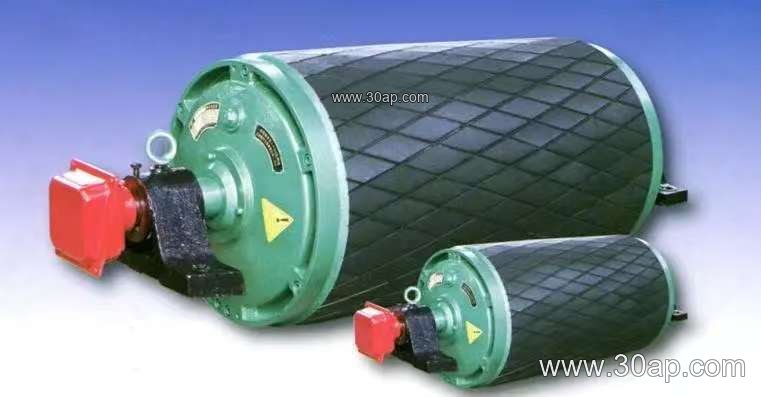
- Belt width: B500, B650, B800, B1000, B1200, B1400, B1600, B1800 and wider
- Drum diameter: Ø315, Ø400, Ø500, Ø630, Ø800, Ø1000, Ø1250
- Lagging: plain, diamond, ceramic, hot-vulcanized rubber
- Bearing: pillow block or flange type, selected by radial load
For a small aggregate line, a B650 × Ø500 drum with 10 mm rubber lagging is a common starting point; for a 2000 t/h port conveyor, a B1800 × Ø1250 drum with ceramic lagging may be more appropriate. Neither is universal.
Maintenance Notes
Check lagging wear at every shutdown. Worn grooves reduce grip and can cause belt slip, especially when the belt is wet or dusty. Keep the pulley face clean and confirm that the conveyor bracket bolts remain tight. Inspect bearing temperature and lubrication regularly. If the belt shows edge damage near the head, review drum alignment and the transition idlers rather than changing the drum size.
At sbmconveyor.com we often remind maintenance teams that a drive pulley is a wear part, not a permanent fixture. Re-lagging or replacing the drum at the right time protects the conveyor belt and keeps the line running.