What a Conveyor System Pulley Does
A conveyor system pulley is the rotating drum that drives, redirects or tensions the belt on a conveyor. It is also called a conveyor drum or belt pulley, and it sits at the heart of the material handling line. In a quarry or a cement plant, one conveyor may use several of these drums, each with a different job. The drive pulley transmits power from the gearbox to the belt, the tail pulley at the loading end keeps the belt tracking, and bend pulleys guide the belt through the return run. These are separate roles, so a drive drum, a tail drum and a bend drum are not interchangeable parts.
The drum is usually built from a steel shell, two end discs, a shaft and bearing housings. The shell surface may be plain or covered with rubber, and the shaft is sized by torque and load rather than by belt width alone. On a typical aggregate conveyor, a B800 × Ø500 drum with a Ø100 shaft is a common starting point for design discussion, but the final figures come from the conveyor engineer.
How the Drum Is Built
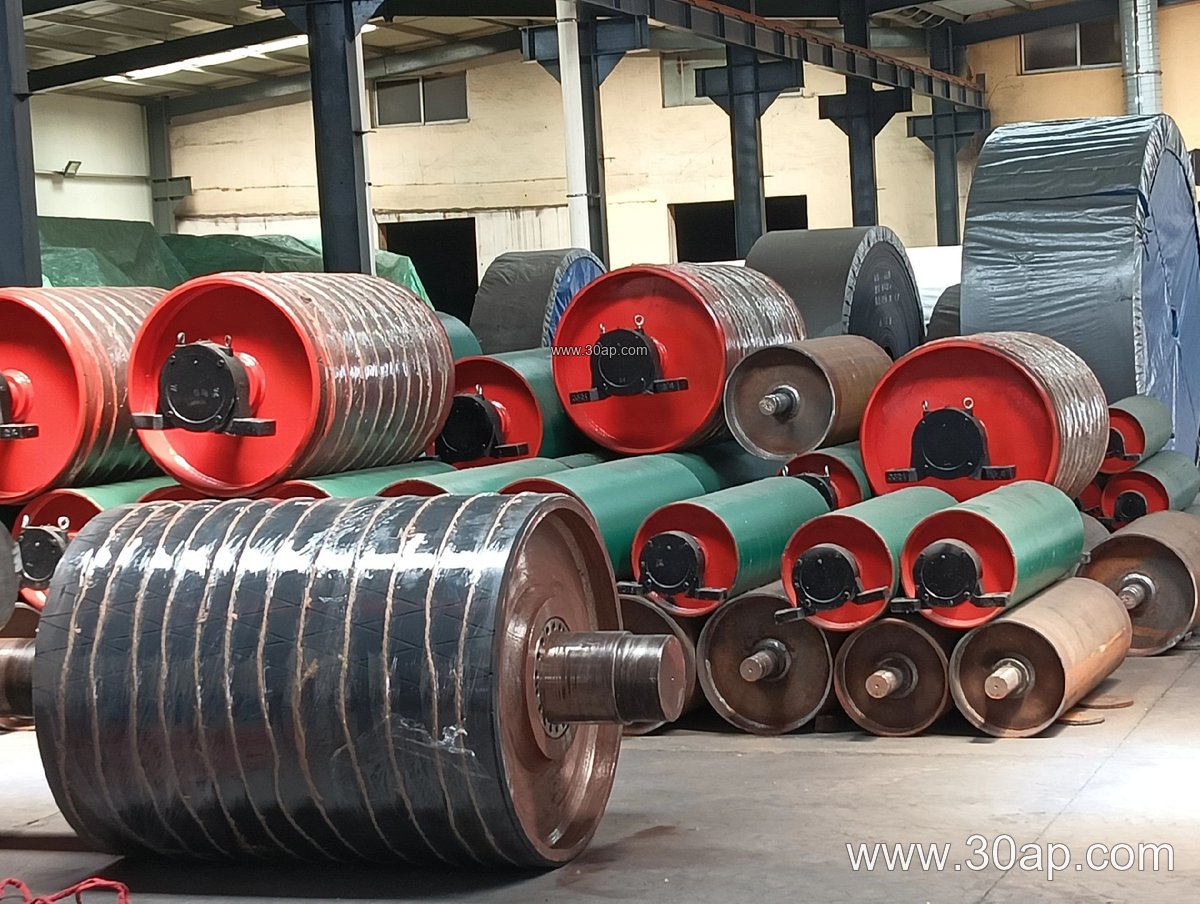
Construction details matter in dusty and abrasive sites. The shell is rolled and welded, then machined so the pulley runs true. The shaft is pressed or keyed into the end discs, and the bearings are mounted in housings that bolt to the conveyor bracket. Lagging is applied to improve grip and protect the shell.
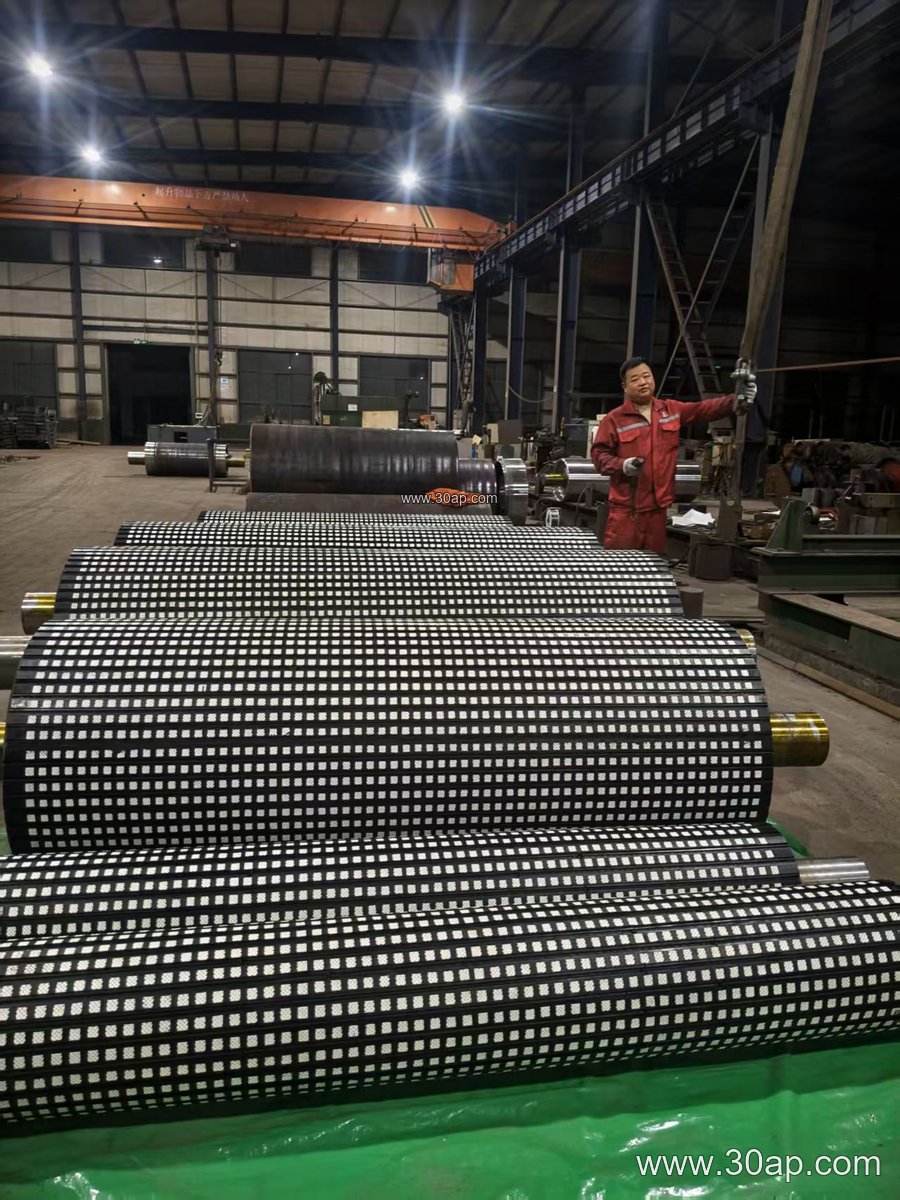
- Plain surface: used where the belt slip risk is low, often on bend and tail positions.
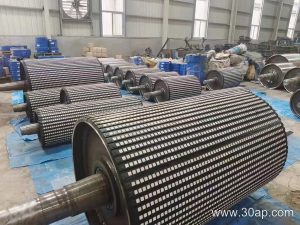
- Rubber lagging: cold-bonded or hot-vulcanized, with flat, diamond or herringbone patterns.
- Ceramic lagging: chosen for high-traction drive drums in wet or muddy conditions.
- Lagging thickness: commonly 8, 10, 12, 15 or 20 mm depending on duty.
Common drum diameters include Ø200, Ø250, Ø315, Ø400, Ø500, Ø630, Ø800, Ø1000 and larger sizes such as Ø1250 and Ø1400. The shell face width is normally wider than the belt; for example, a B650 belt often runs on a drum face around 750 mm, and a B1200 belt may use a face near 1400 mm. These are reference patterns, not fixed pairings.
Where It Fits in the Plant
In a limestone quarry or a crushing and screening line, the head pulley discharges rock onto the next belt, while the tail pulley sits under the hopper. In a cement plant, drums on clinker and raw meal conveyors work in hot and abrasive conditions. A power plant coal handling system may use flame retardant and anti-static belting together with well-lagged drive drums, and an iron ore or copper ore line needs abrasion resistant covers and sturdy bearings. The pulley must match the belt it carries, whether that belt is an EP conveyor belt, an NN conveyor belt, a steel cord conveyor belt or a rubber conveyor belt.
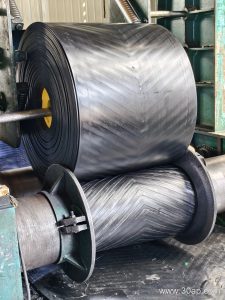
Selection also depends on the belt type. A heavy-duty mining conveyor belt with high tension calls for a larger shaft and stronger bearing support than a light fabric core belt. A chevron conveyor belt or a corrugated sidewall belt may need extra clearance around the drum. When the belt is a pipe conveyor belt, the pulley arrangement is different again.
What Buyers Should Check
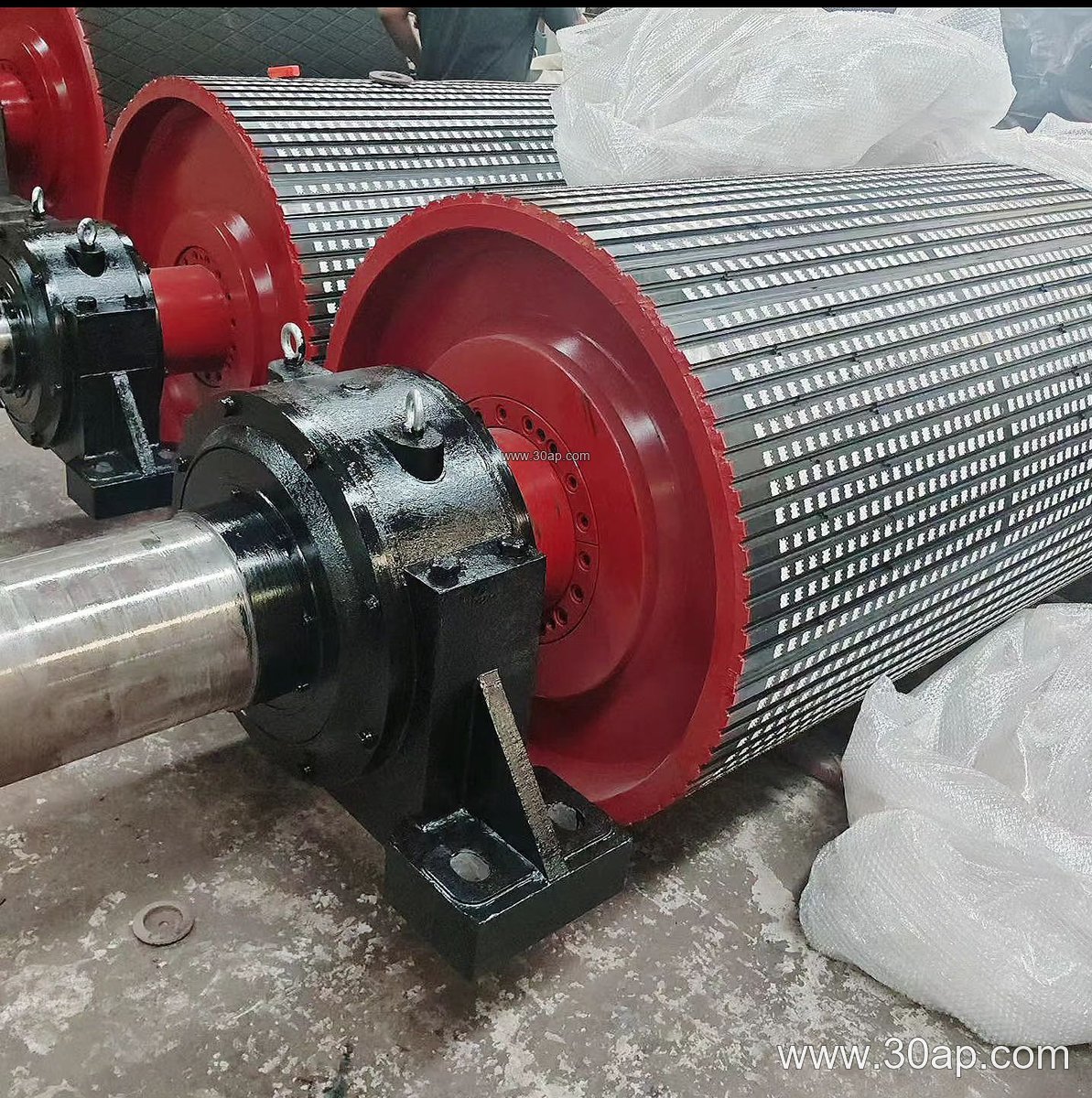
Before ordering, confirm the belt width, the required diameter, the shaft size, the lagging type and the mounting position. Ask whether the drum is a drive, tail, bend, tension or snub pulley, because each has its own load case. Check that the bearing housing matches the conveyor bracket on site. For harsh service, consider abrasion resistant and heat resistant belt grades, and remember that a flame retardant conveyor belt or fire resistant conveyor belt is often specified underground. A cold resistant belt may be needed in winter operations, and an oil resistant or chemical resistant cover helps where spills occur.
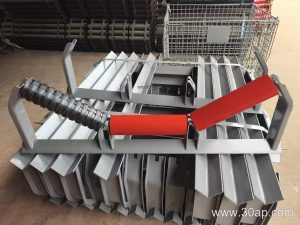
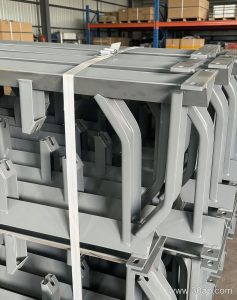
Look at the whole circuit: the conveyor belt, idler roller, conveyor pulley and conveyor bracket should be treated as one system. Poor alignment at the drum causes belt edge damage, and worn lagging causes slip and spillage. Regular inspection of the shell, lagging and bearings keeps the line running. For more on drums and related components, see baorunconveyor.com/conveyor-pulley and the belt pages at baorunconveyor.com/conveyor-belt.