What a Heavy-Duty Conveyor Belt Is
A heavy-duty conveyor belt is the load-carrying member of a bulk handling system built for abrasive rock, wet coal, hot clinker, and continuous high-tonnage duty. It is not simply a thicker version of a general-purpose belt. The carcass, cover compounds, and splice design are chosen together so the belt can survive impact at the loading point, flexing over pulleys, and years of service in a quarry, coal preparation plant, cement works, or power station coal yard. Buyers often search for this product as a heavy-duty mining conveyor belt, and the same construction logic applies whether the line moves ore, aggregate, or fuel.
Construction and Carcass Options
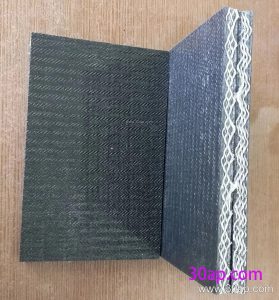
The strength of the belt comes from its carcass. Fabric-core designs use woven plies, while steel cord designs use brass-coated wires embedded in rubber. Cover rubber protects the carcass from wear, heat, oil, and flame, and edge construction affects tracking and resistance to fraying.
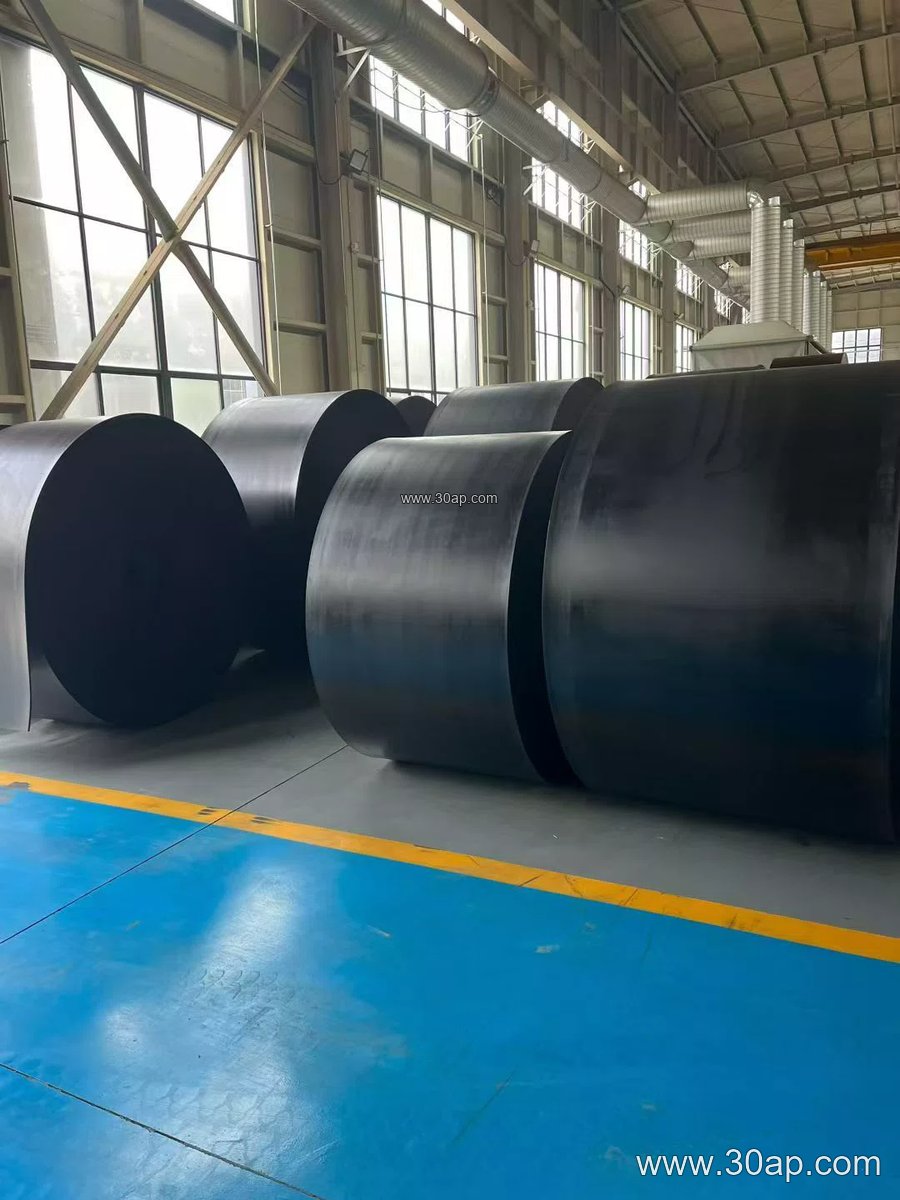
- Multi-ply fabric core: an EP conveyor belt or NN conveyor belt with several plies is common for medium to long runs where impact resistance matters.
- Steel cord: a steel cord conveyor belt suits very long, high-tension lines such as main trunk conveyors at a mine or port.
- Cover compounds: abrasion resistant, heat resistant, oil resistant, flame retardant, cold resistant, and anti-static grades are selected by the duty, not by preference.
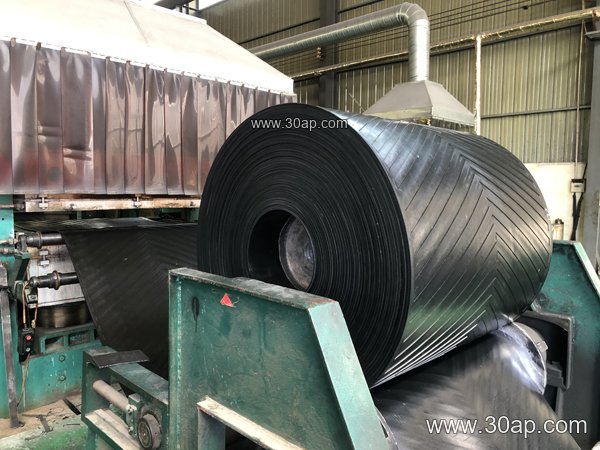
- Special profiles: chevron, skirted, corrugated sidewall, and pipe conveyor belt constructions solve incline, spillage, and enclosed-transport problems.
Common cover thickness combinations include 4+2 mm, 5+2 mm, 6+2 mm, and 8+3 mm, with the first figure being the top cover. Carcass plies usually range from 2 to 6 layers in fabric constructions. These are reference values; final thickness and ply count follow the conveyor design.
Typical Duty Points by Industry
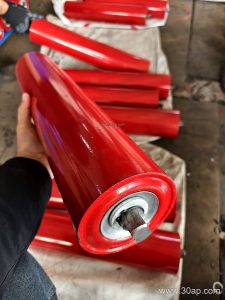
In a hard-rock mine or砂石料厂, primary crusher discharge puts sharp, lumpy material onto the belt, so impact resistant and high abrasion resistant grades are usual. Underground coal mining conveyor belt service demands flame retardant and anti-static properties, often with PVG or PVC constructions in regulated environments. Cement plants handle limestone, raw meal, and hot clinker, where heat resistant conveyor belt grades and abrasion resistant covers are both relevant. Power plants and steel plants move coal, coke, and sinter, frequently on wide belts with sturdy idler roller support and well-aligned conveyor pulley trains. Ports and ship loading terminals favor high strength conveyor belt designs for long conveying distances.
Widths, Strengths, and Reference Data
Belt width is matched to lump size, capacity, and troughing angle. Common widths include B650, B800, B1000, B1200, B1400, B1600, B1800, and B2000, with wide and extra-wide belts used on high-capacity trunk lines. Strength grades for fabric belts are usually written as EP200, EP400, EP630, EP800, EP1000, EP1250, and upward; steel cord belts are described by ST ratings such as ST1000, ST1600, ST2000, and ST2500. The table below shows how these references are normally presented; it is not a fixed matching rule.
| Parameter | Common reference values | Notes |
|---|---|---|
| Belt width | B650, B800, B1000, B1200, B1400, B1600, B1800, B2000 | Selected by capacity and lump size |
| Fabric strength | EP200, EP400, EP630, EP800, EP1000, EP1250 | Depends on tension and splice efficiency |
| Steel cord strength | ST1000, ST1600, ST2000, ST2500 | For long, high-tension lines |
| Top/bottom cover | 4+2, 5+2, 6+2, 8+3 mm | Set by wear and impact duty |
| Ply count | 2 to 6 plies | Fabric core constructions |
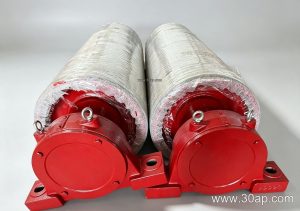
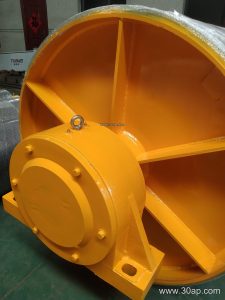
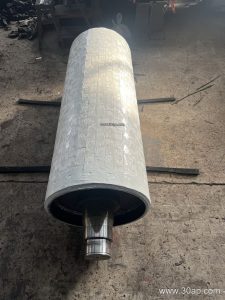
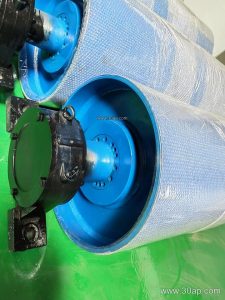
A 1200mm wide conveyor belt and a 1500mm wide conveyor belt are both common in aggregate plants, but neither width dictates a single pulley diameter. Drive, tail, and bend pulleys each have their own design role, and the conveyor pulley diameter must be checked against belt tension, carcass type, and manufacturer guidance. The same applies to shaft sizing, which is calculated from torque and load rather than guessed from width.
What to Confirm Before Ordering
Start with the material: lump size, moisture, temperature, oil content, and abrasiveness. Then confirm the conveyor layout, including incline, transition distance, and pulley arrangement. Specify the required cover grade, such as abrasion resistant, heat resistant, flame retardant, or oil resistant, and state whether anti-static properties are needed. Check that the conveyor bracket and idler roller spacing support the belt properly at loading and discharge. For steep inclines, compare a chevron belt with a smooth belt rather than assuming one will hold the load. Finally, agree on splice method and edge condition, because a heavy-duty belt is only as strong as its joint.
Maintenance Notes
Inspect the top cover at transfer points for cutting and gouging, check edge wear along the full run, and keep pulleys and idlers turning freely. Misalignment usually shows up first as edge damage, so correct tracking before it becomes a carcass problem. Store spare belts flat and away from ozone sources, and record cover thickness readings so replacement is planned rather than reactive. For more on belts, rollers, and pulleys, visit beltconveyorparts.com and review the heavy-duty conveyor belt range before finalizing a specification.