What a Quarry Conveyor Belt Does
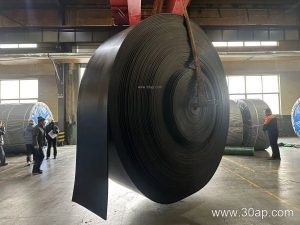
A quarry conveyor belt is the load-carrying component that moves blasted rock, crushed stone, sand, and screened aggregate between the crusher, screens, stockpiles, and load-out points. In a typical sand and gravel plant or stone crushing line, the belt runs continuously over idler rollers and is driven by a head pulley, with a tail pulley at the loading end and bend pulleys guiding the return path. The belt is only one part of the system, but it is the part that touches the material, so its construction decides how well the line handles sharp edges, heavy lumps, and abrasive dust.
The same product is often called an aggregate conveyor belt or a rock conveyor belt when it serves a quarry or crushing circuit. These are descriptive names for the same family of heavy-duty rubber belts, not different products.
How the Belt Is Built
Most quarry belts are fabric-cored or steel-cord reinforced rubber belts. The carcass provides tensile strength and resistance to impact, while the top and bottom covers protect the carcass from cutting, abrasion, and moisture. Common carcass options include EP conveyor belt (polyester-nylon), NN conveyor belt (nylon-nylon), and steel cord conveyor belt for long runs or high tonnage. Multi-ply fabric core construction is widely used in primary and secondary crushing lines because it absorbs lump impact better than a thin single-ply belt.
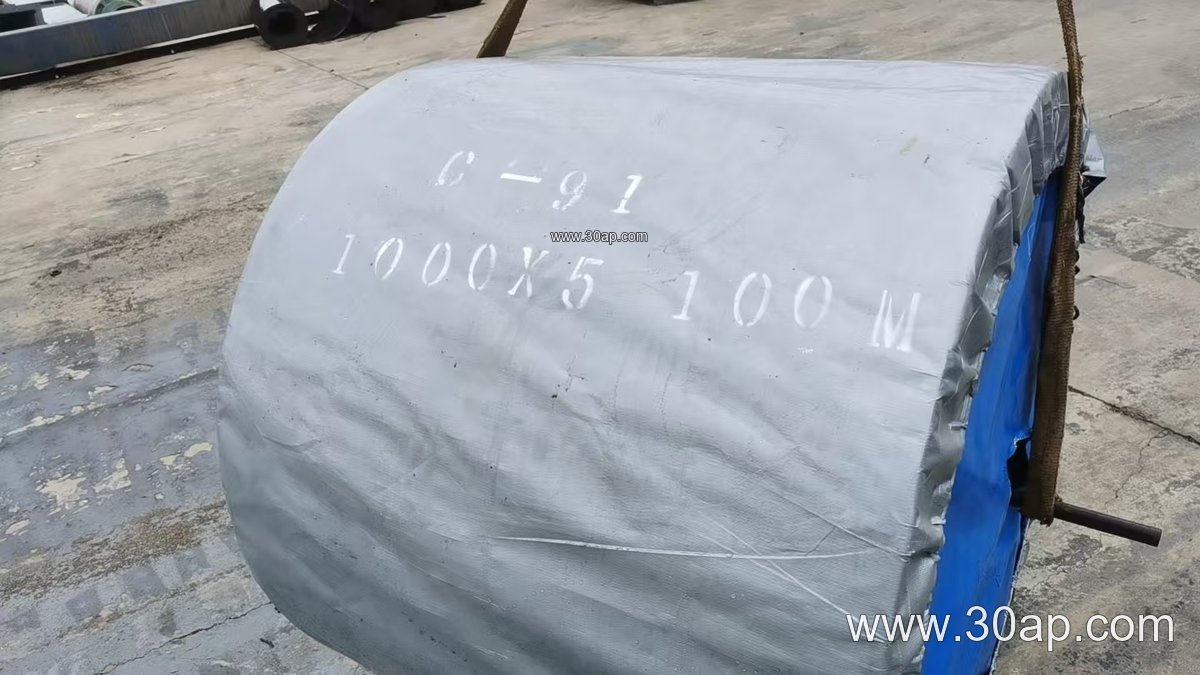
Cover thickness is usually stated as top plus bottom, for example 6+2 mm or 8+3 mm for coarse rock. A high abrasion resistant conveyor belt grade is common on crusher discharge and transfer belts, while a heat resistant conveyor belt may be needed after a dryer or near hot clinker. In dusty, potentially explosive environments such as coal handling, a flame retardant conveyor belt or anti-static conveyor belt grade is specified instead.
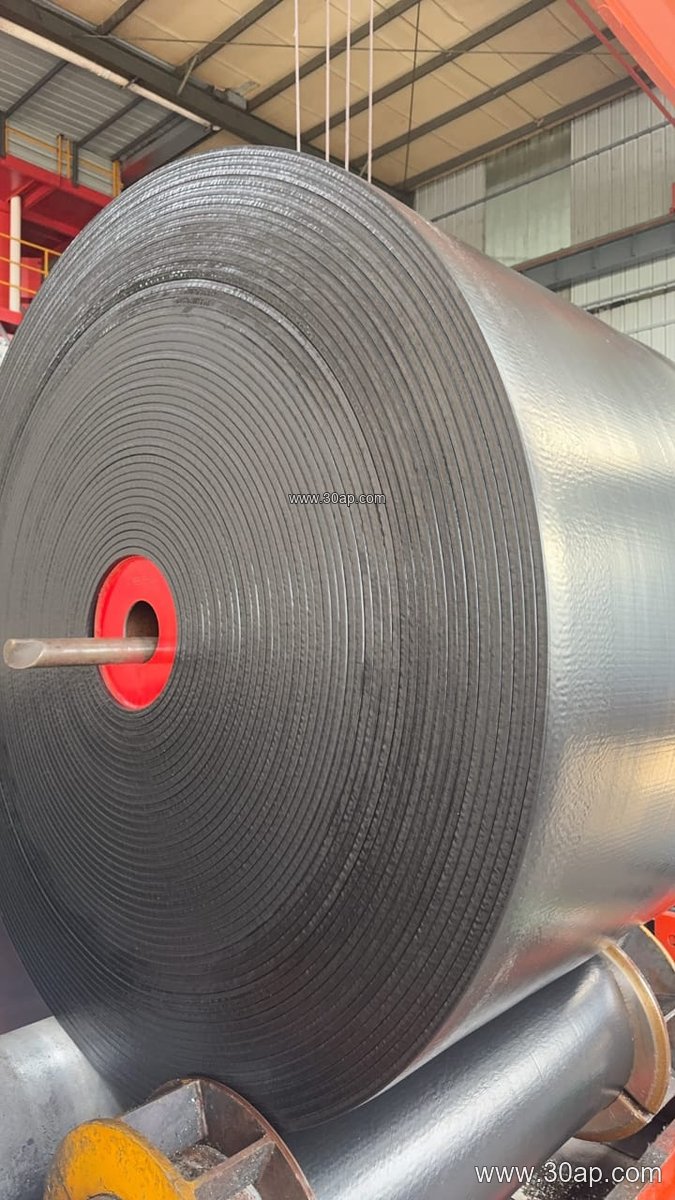
Typical Specifications and Surface Forms
Quarry belts are ordered by width, strength class, cover thickness, and carcass type. The values below are common reference points; actual selection follows the conveyor design, duty, and manufacturer data.
- Common widths: B500, B650, B800, B1000, B1200, B1400, B1600, B1800, B2000
- EP strength grades often quoted: EP200, EP315, EP400, EP500, EP630, EP800, EP1000, EP1250, EP1600, EP2000
- Cover combinations: 3+1.5, 4+2, 5+2, 6+2, 8+3 mm
- Carcass plies: usually 2 to 6 layers in fabric belts
Surface forms matter on inclines. A chevron conveyor belt or patterned belt improves grip on slopes, while a corrugated sidewall conveyor belt or skirted conveyor belt keeps material from spilling at steep transfer points. For dusty or enclosed routes, a pipe conveyor belt can curve and contain the load. An endless conveyor belt is sometimes chosen to reduce splice joints on critical belts.
Where Quarry Belts Are Used
Beyond quarries and aggregate plants, this belt family appears in cement plants, power plant coal yards, iron ore and copper ore handling, gold mining operations, and port ship loading. A mining conveyor belt may share the same carcass style but carry different cover grades. In a cement plant, belts move limestone, clay, and clinker; in a coal mining conveyor belt application, flame resistance and anti-static properties are usually more important than pure abrasion resistance.
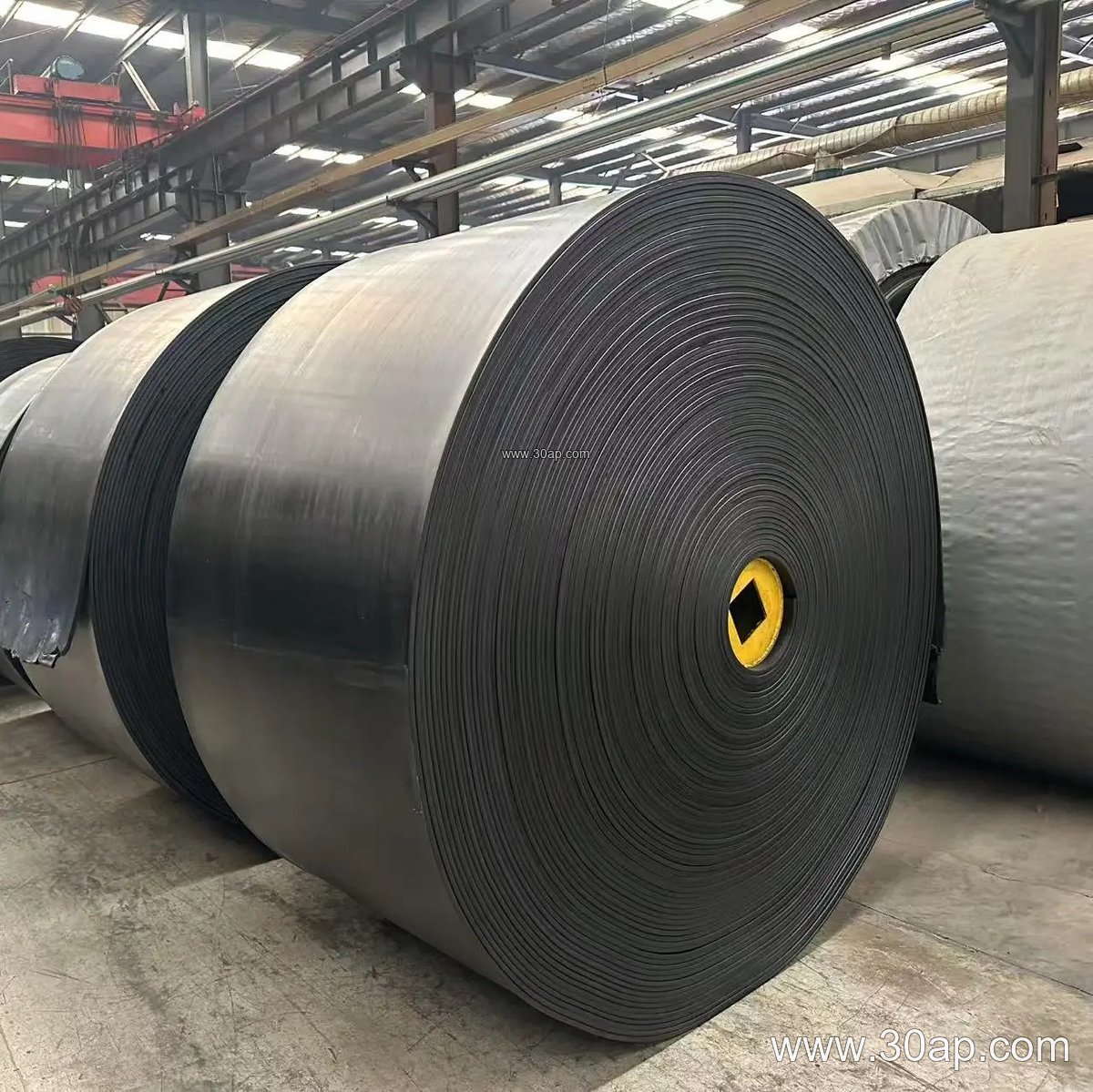
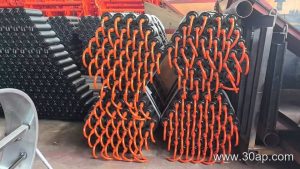
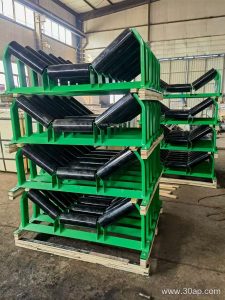
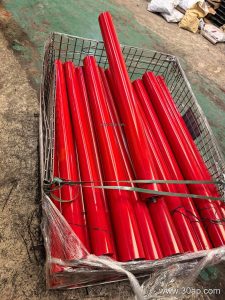
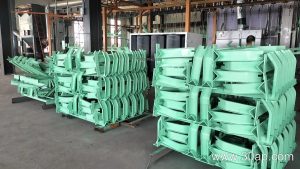
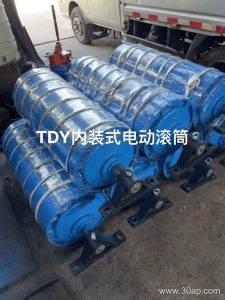
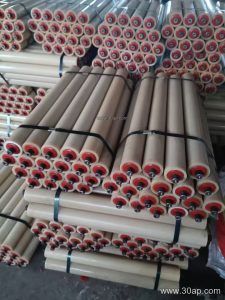
Supporting hardware also shapes belt life. Idler roller condition, pulley alignment, and conveyor bracket rigidity affect tracking and wear. A worn idler roller or a misaligned conveyor pulley can shorten belt life faster than the material itself. Skirt rubber and loading chutes should be adjusted so rock falls onto the belt center rather than the edges.
Buyer Checklist Before Ordering
Start with the material: lump size, moisture, temperature, and whether it is oily or chemically active. Then confirm the conveyor geometry, including incline, transition distance, and pulley diameters. A wider belt does not automatically require one specific pulley size; pulley diameter is set by belt construction, tension, and shaft load, so it should be confirmed with the conveyor designer. Do not assume a shaft diameter from belt width alone.
Ask for the carcass type, ply count, cover grade, and cover thickness in writing, plus the splice method. For a crusher conveyor belt, confirm impact resistance at the load point. For a long overland run, compare fabric versus steel cord options. Spare idler rollers, a spare bend pulley, and correct belt tensioning practice are practical investments for any quarry line.