What a Port Conveyor Belt Does
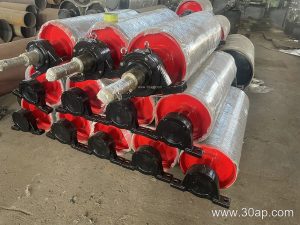
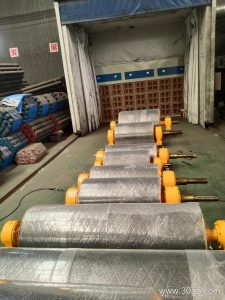
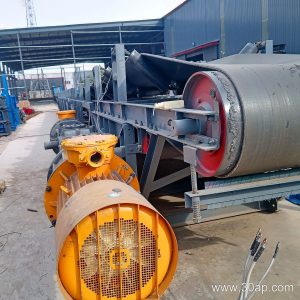
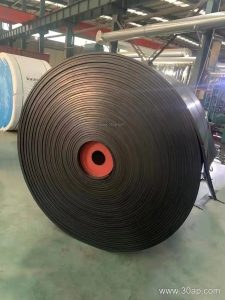
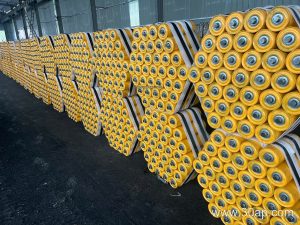
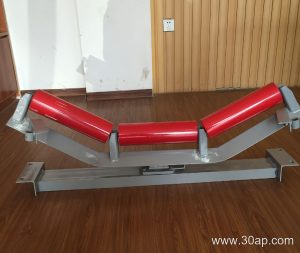
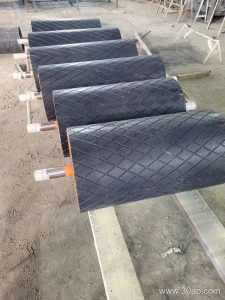
A port conveyor belt is the load-carrying element in the continuous handling systems that move bulk cargo between ship loaders, unloaders, stockyards, and rail or truck loading points. In a terminal, the belt works as part of a tightly integrated line: material transfers from a hopper or grab through a feeding chute, runs along idler roller strings, passes over conveyor pulleys at the head and tail, and is guided by conveyor brackets and frames. Any weak point in the belt affects the whole circuit, so the choice of belt construction deserves careful attention from the start.
Port duty is rarely gentle. Cargoes such as iron ore, coal, fertilizer, grain, cement clinker, and mineral sand bring abrasion, impact, moisture, and sometimes oil or heat. A belt specified for a quarry or a power plant may not suit a marine terminal where salt air, variable cargo, and high throughput combine. That is why terminal operators often ask for abrasion resistant, oil resistant, or flame retardant grades depending on the cargo mix.
Construction and Common Belt Types
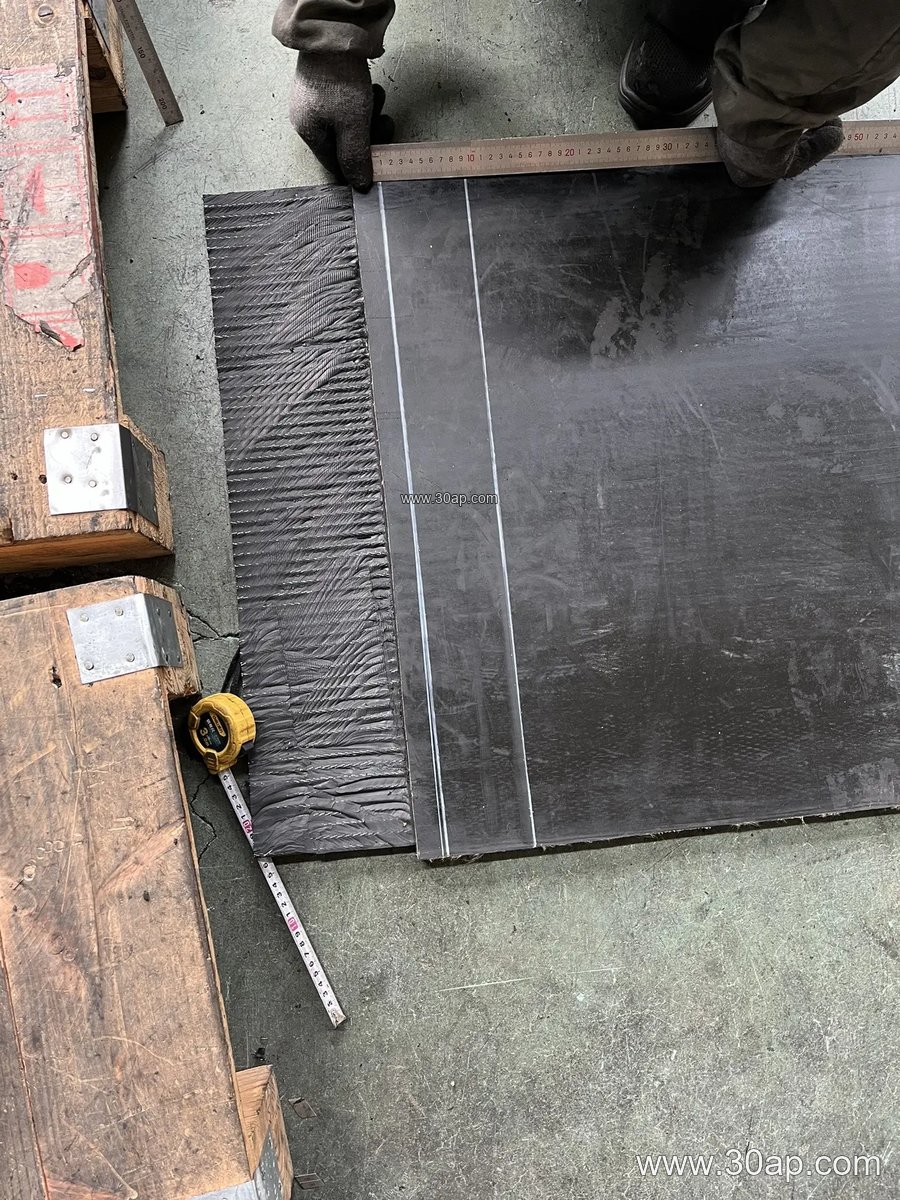
The core of most port belts is a fabric or steel reinforcement covered with rubber. Fabric constructions include EP conveyor belt (polyester warp, nylon weft) and NN conveyor belt (nylon warp and weft). Both belong to the fabric core conveyor belt family, and multi-ply fabric core conveyor belt designs remain common for medium-duty berth lines. For long horizontal runs and high tension, a steel cord conveyor belt is often chosen because it carries heavy loads with less stretch.
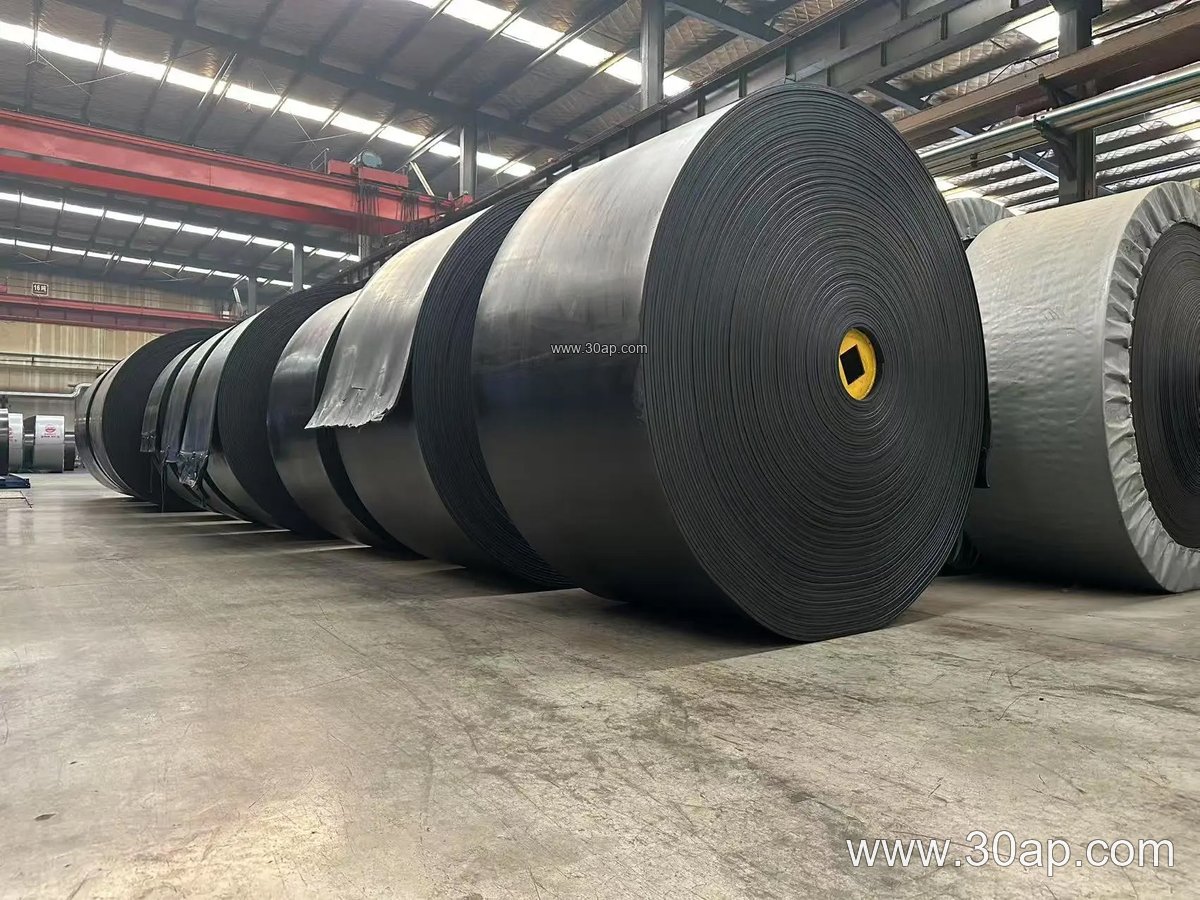
- EP conveyor belt: good fatigue resistance and low elongation, widely used on ship loading and stockyard lines.
- NN conveyor belt: strong ply-to-ply adhesion and impact tolerance for crusher and transfer points.
- Steel cord conveyor belt: suited to long center distances and high tonnage.
- Chevron conveyor belt or corrugated sidewall conveyor belt: helpful where inclines or space limits demand steep conveying.
- Pipe conveyor belt: used where dusty cargo must be enclosed along the route.
Cover compounds are selected by cargo. An abrasion resistant conveyor belt handles ore and clinker, a heat resistant conveyor belt suits cement or sinter, and a flame retardant conveyor belt or fire resistant conveyor belt is common where coal is handled. Anti-static grades are also requested in some coal and dust environments.
Reference Dimensions and Strength Grades
The figures below are typical reference values; actual selection depends on the conveyor design, and suppliers may differ. They are not a fixed matching rule between belt width and pulley diameter.
| Parameter | Common reference range |
|---|---|
| Belt width | B500, B650, B800, B1000, B1200, B1400, B1600, B1800, B2000 |
| EP strength grades | EP200, EP315, EP400, EP500, EP630, EP800, EP1000, EP1250, EP1600, EP2000 |
| Cover thickness | 3+1.5, 4+2, 5+2, 6+2, 8+3 mm |
| Fabric plies | Usually 2 to 6 plies |
For example, a 1200mm wide belt with an EP1000 rating might serve a medium-capacity ore line, while a 1800mm or 2000mm belt at a higher strength grade could suit a main ship loading conveyor. These are illustrative combinations only, not mandatory pairings.
Where Port Belts Are Used
Bulk terminals, coal ports, ore berths, cement export facilities, and grain elevators all rely on this equipment. A ship loading conveyor belt must resist impact from free-falling cargo, while a yard belt may face repeated starts under load. In dusty coal terminals, flame retardant and anti-static properties matter; in fertilizer and chemical terminals, oil resistant or acid resistant covers are often considered. Aggregate and sand terminals favor high abrasion resistant compounds, and cold climate ports may ask for cold resistant belts.
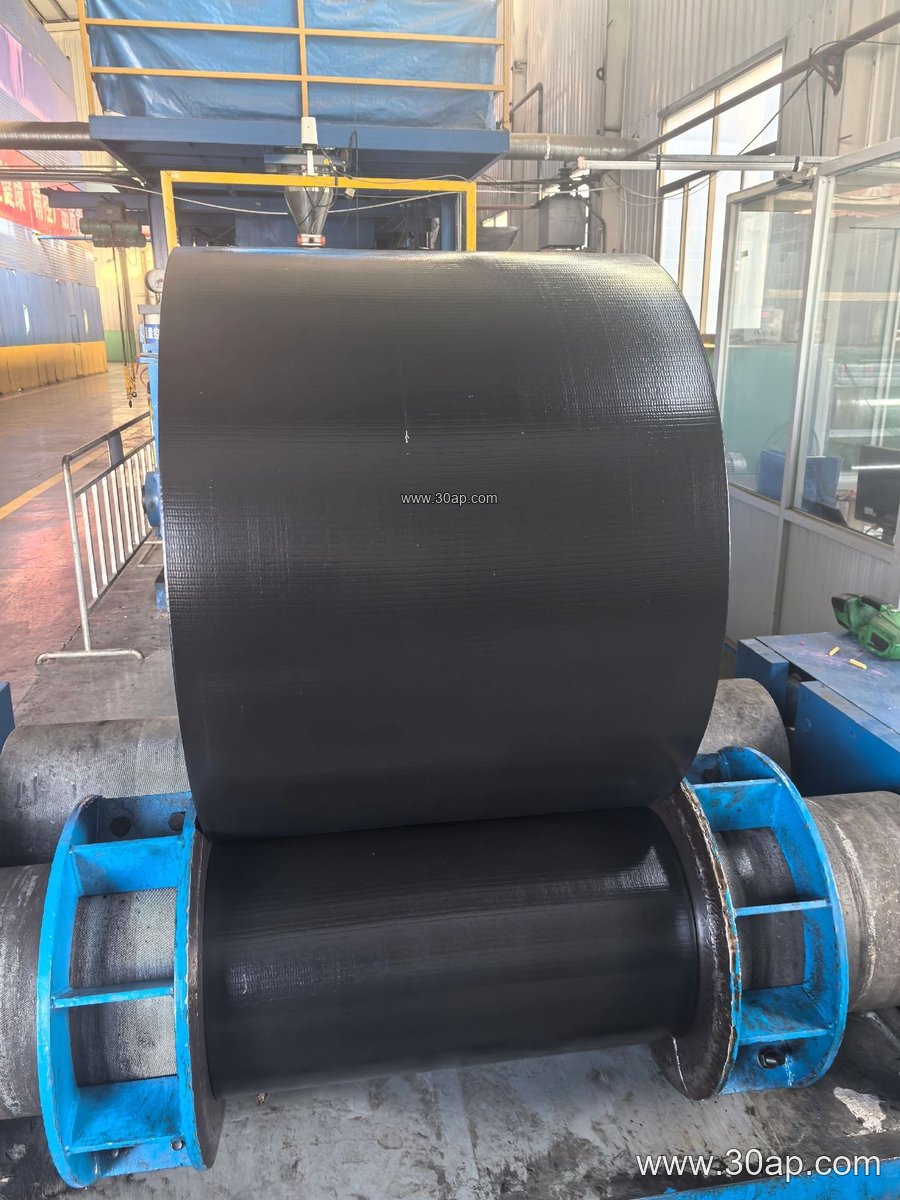
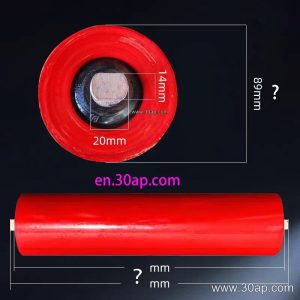
Related hardware matters too. Idler roller alignment, pulley condition, and conveyor bracket rigidity all influence belt life. A well-built belt can still fail early if a seized idler roller or a worn conveyor pulley damages the cover.
Buyer Checklist
- Define the cargo: lump size, moisture, oil content, temperature, and dust hazard.
- Confirm the required strength grade, ply count, and cover thickness with the conveyor designer.
- Check whether flame retardant, anti-static, or heat resistant properties are needed for the site.
- Review splicing method and whether an endless conveyor belt is preferred for long runs.
- Plan inspection of idler roller, pulley, and bracket condition as part of routine maintenance.
Buyers should request test reports and dimensional drawings from the supplier and verify that the belt matches the actual conveyor layout rather than a catalog assumption. For more information on belt, idler roller, and pulley selection, visit www.example.com or consult the terminal’s conveyor engineer.