What a Return Idler Bracket Does
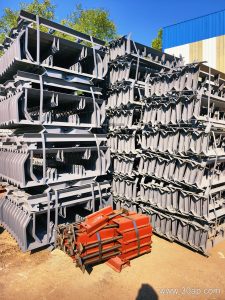
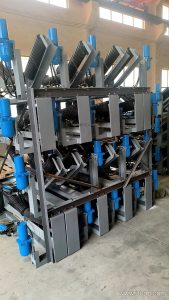
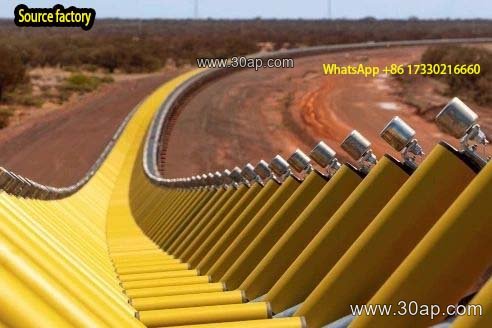
A return idler bracket is the structural component that holds the return idlers in place beneath the conveyor belt. While the carrying idlers on the top side get most of the attention, the return side needs just as much support to keep the belt from sagging and misaligning. This bracket, often called a return roller bracket or lower idler support, mounts to the conveyor frame and positions the return idlers at the correct height and angle. Without it, the belt would droop, rub against the structure, and wear out prematurely. In industries like mining, quarrying, cement plants, and power stations, a well-built return idler bracket is a small but critical part of the whole conveyor system.
Construction and Materials
Most return idler brackets are fabricated from angle steel, channel steel, or bent steel plate. The choice depends on the load and the environment. For heavy-duty applications in a coal mining conveyor or an iron ore plant, thicker channel steel is common to resist impact and vibration. In less demanding settings, such as a sand and gravel line or a food processing plant, lighter bent plate may be sufficient. The bracket typically includes slots or holes for mounting to the conveyor stringer, and a cradle or hook arrangement to secure the idler shaft. Some designs are fixed, while others are adjustable, allowing the return idler to be positioned for optimal belt contact. The surface is usually painted or galvanized to resist corrosion, especially in wet or chemical-laden environments.
Where It Fits in the Conveyor
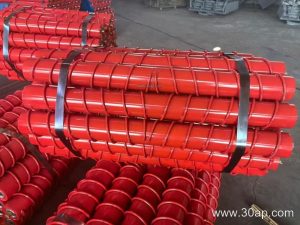
The return idler bracket is installed on the lower side of the conveyor frame, spaced at regular intervals along the return run. It supports either a single flat return idler or a V-shaped return idler set, depending on the belt width and the load. In a typical arrangement, the bracket is bolted to the conveyor stringer, and the idler is dropped into the bracket’s seat. This allows for quick replacement during maintenance. The bracket must be aligned carefully so that the return idler is perpendicular to the belt travel; otherwise, the belt may drift to one side. In a tunnel excavation or a port conveyor, proper alignment of these brackets helps reduce belt edge damage and extends the life of the entire conveyor belt.
Types and Configurations
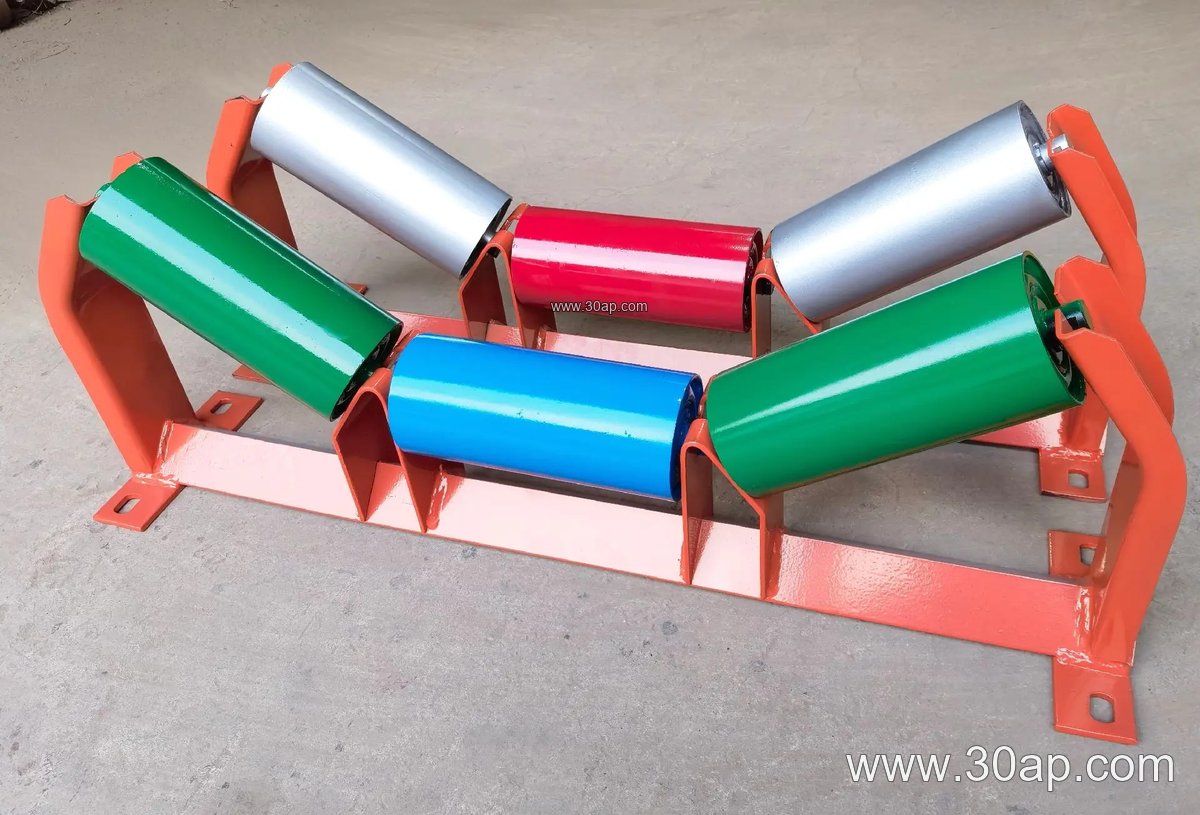
Return idler brackets come in several forms to suit different belt widths and idler types. Fixed brackets are simple and robust, while adjustable brackets allow fine-tuning of the idler height or angle. Some brackets are designed for V-type return idlers, which help center the belt. Others are flat brackets for standard return rollers. In wider conveyors, such as those using a 1200mm or 1400mm wide conveyor belt, the bracket may be reinforced to handle the extra weight. The table below shows common reference sizes for return idler brackets, but actual dimensions depend on the conveyor design and idler diameter.
| Belt Width (B) | Typical Return Idler Diameter | Common Bracket Material |
|---|---|---|
| B500 | Ø89 | Angle steel |
| B650 | Ø89 – Ø108 | Angle steel or bent plate |
| B800 | Ø108 | Channel steel |
| B1000 | Ø108 – Ø133 | Channel steel |
| B1200 | Ø133 | Channel steel |
| B1400 | Ø133 – Ø159 | Channel steel |
| B1600 | Ø159 | Heavy channel steel |
| B1800 | Ø159 – Ø194 | Heavy channel steel |
These values are for reference only; the actual bracket dimensions, hole spacing, and beam length are determined by the conveyor manufacturer based on the specific application.
Selection and Maintenance Tips
When choosing a return idler bracket, consider the belt width, the return idler diameter, and the operating environment. In a cement plant or a steel mill, where dust and heat are present, a robust bracket with corrosion protection is advisable. For a coal mining conveyor belt, flame retardant properties may be relevant for the belt itself, but the bracket should be sturdy enough to withstand constant vibration. Adjustable brackets are useful during initial installation to compensate for frame tolerances, while fixed brackets are simpler and often more economical for standard layouts. Regular inspection of the brackets for loose bolts, cracks, or misalignment is important; a failed bracket can cause the return idler to drop, leading to belt damage and downtime.
Buying Considerations
Buyers should request brackets that match the conveyor’s stringer spacing and idler shaft size. It is not enough to specify only the belt width; the bracket must be compatible with the return idler being used. For example, a B1000 conveyor with Ø133 return idlers needs a bracket designed for that shaft diameter, not just a generic B1000 bracket. Also, consider the mounting method: bolt-on brackets are common, but some designs use hooks or pins for quick release. In dusty or wet conditions, stainless steel or galvanized brackets may be worth the extra cost. Finally, ensure the bracket design allows for easy idler replacement without removing the entire frame. This saves time during maintenance in a busy quarry or power plant.