What a Gold Mining Conveyor Belt Does on Site
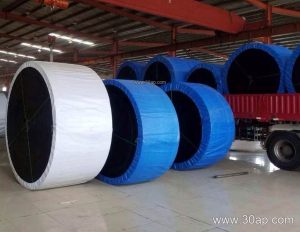
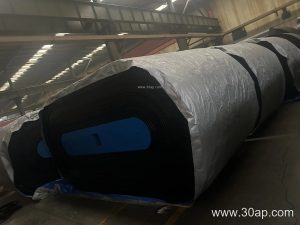
A gold mining conveyor belt is the load-carrying element that moves crushed ore, mill feed, tailings and concentrate between processing stages. In gold operations the material is often sharp, heavy and abrasive, so the belt must survive impact at the crusher discharge, keep tracking on long inclined runs, and resist the oily or chemical-laden conditions found around leach and reagent areas. The same belt family is widely used in quarry, aggregate and cement plants, but gold circuits usually place a higher premium on abrasion resistance and impact strength.
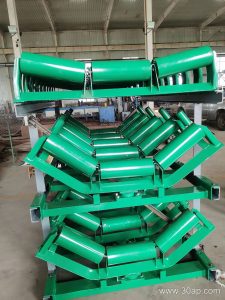
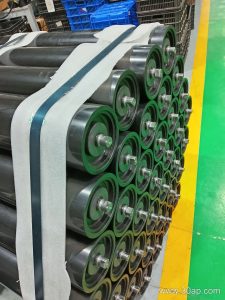
The belt is only one part of the conveyor. A conveyor pulley at the head drives the system, a tail pulley returns it, and bend pulleys guide the path through take-up and transition zones. Idler rollers support the belt on the carrying and return sides, while conveyor brackets hold the idlers and pulleys in alignment. Choosing a Gold Mining Conveyor Belt therefore means matching the belt to the pulleys, idlers and structure around it, not selecting a belt in isolation.
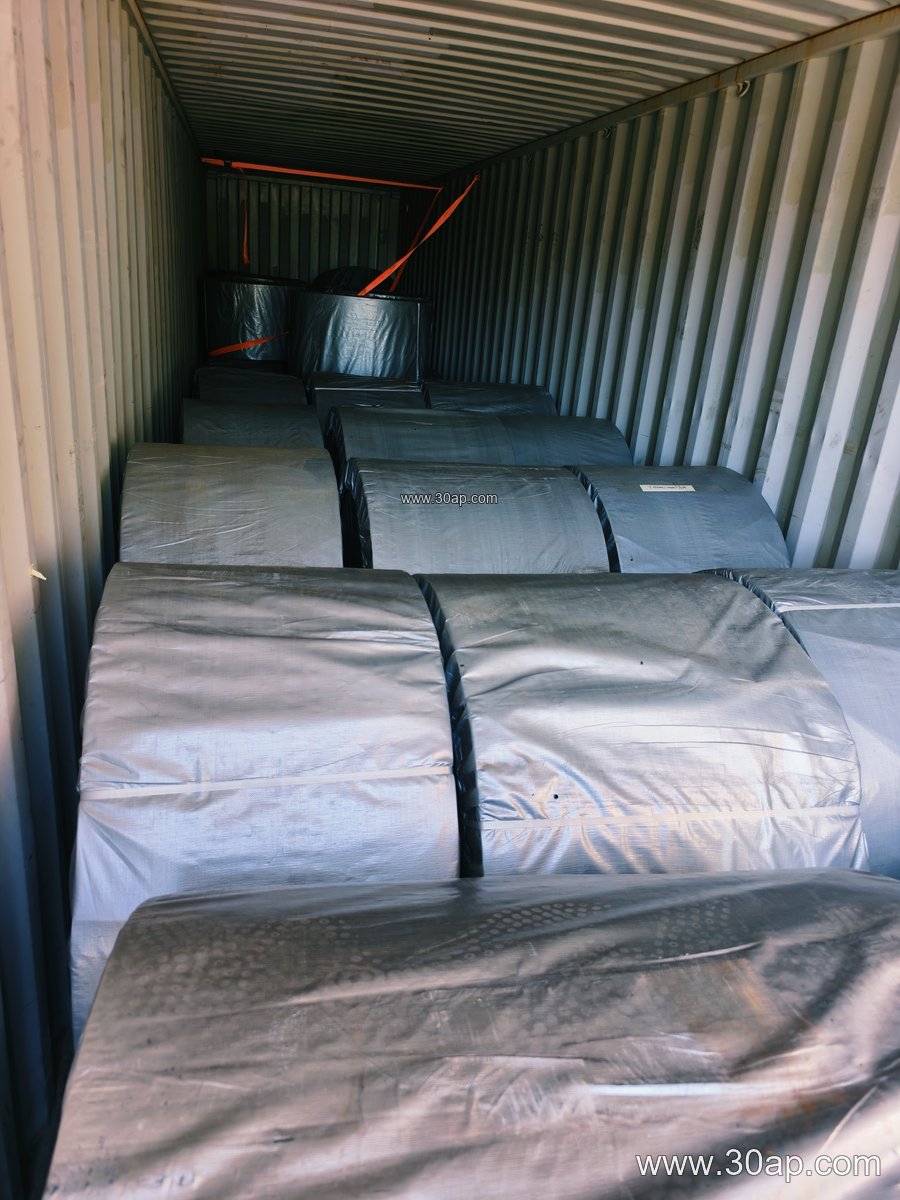
Construction and Common Belt Types
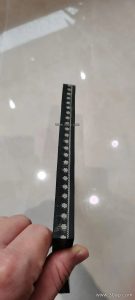
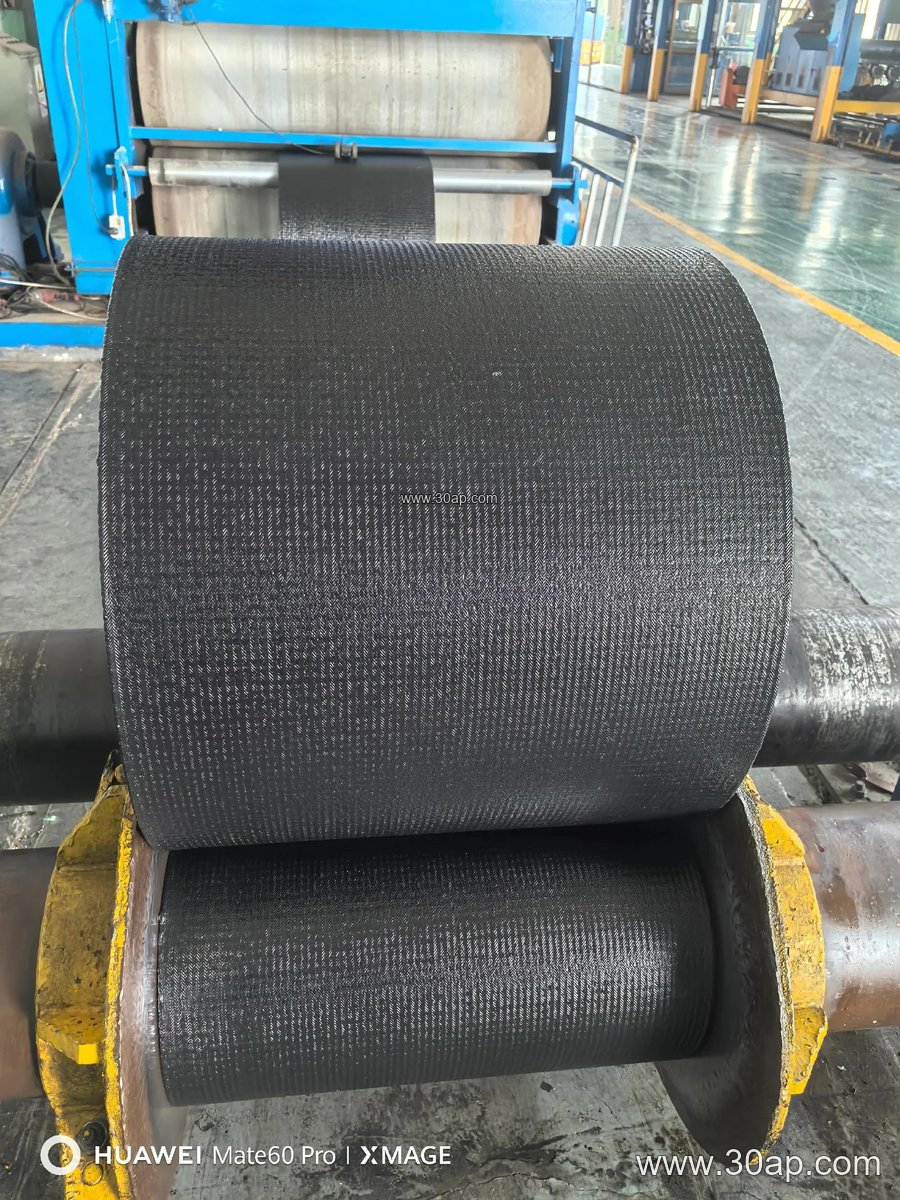
Most gold mine conveyors use a fabric-cored rubber belt or a steel cord belt. Fabric types include EP conveyor belt (polyester warp, nylon weft) and NN conveyor belt (all-nylon). EP fabric core conveyor belt is common because it stretches less than all-nylon and holds splices well. Steel cord conveyor belt is chosen for very long runs and high tension. Rubber covers are the wearing surface, and the cover compound is selected for the duty: abrasion resistant conveyor belt for ore, heat resistant conveyor belt near dryers, oil resistant conveyor belt near lubricated equipment, and flame retardant conveyor belt or fire resistant conveyor belt where regulations require it. Anti-static conveyor belt is also used in some dusty or hazardous areas.
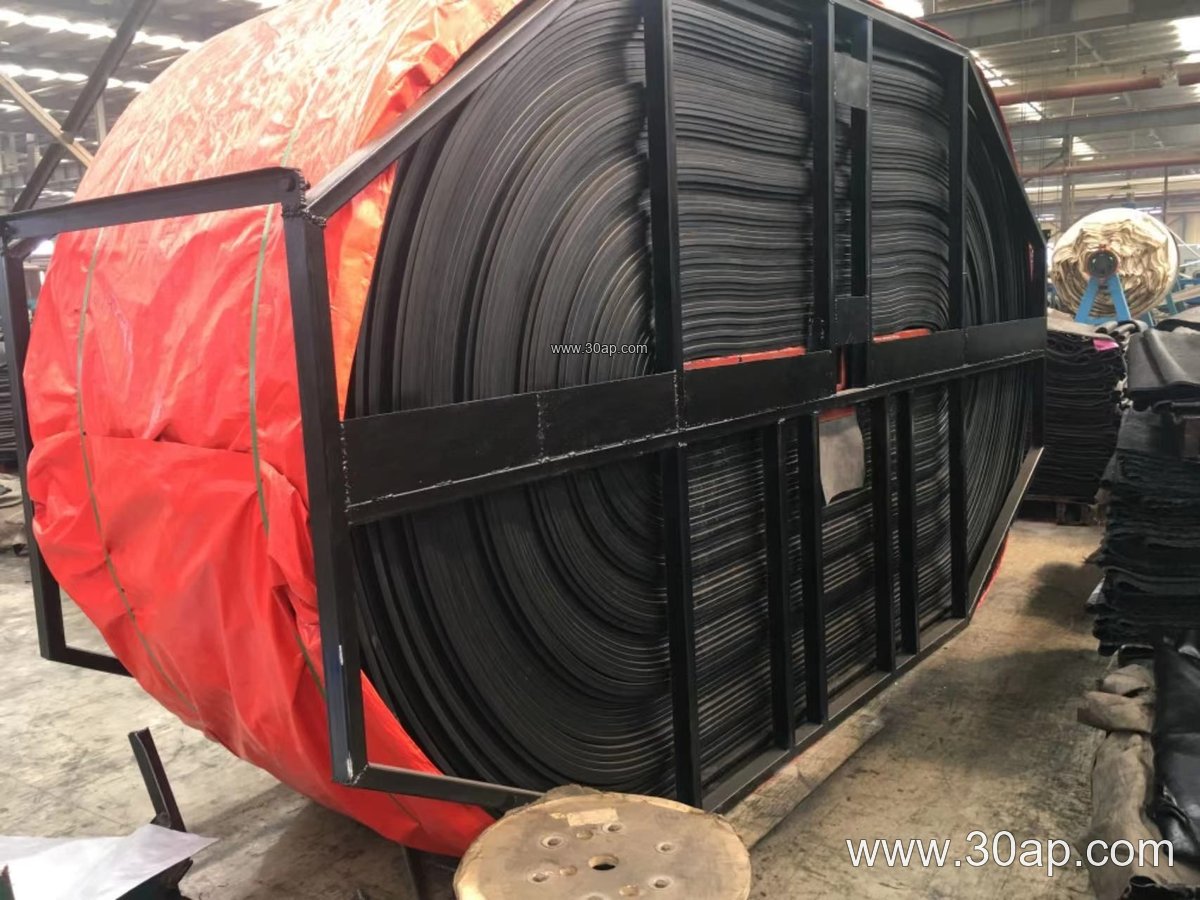
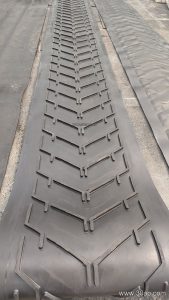
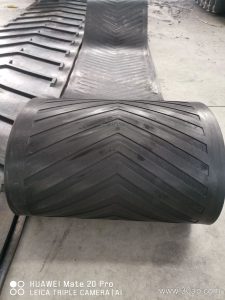
Special shapes solve specific site problems. Chevron conveyor belt and corrugated sidewall belt handle steep inclines without material rollback; skirted conveyor belt contains material at transfer points; pipe conveyor belt encloses the load for dust control and curved routes. Endless conveyor belt is supplied spliced for short, fixed-centre installations.
Typical Sizes and Reference Data
Belt width and strength are usually set by the conveyor design, not by a single rule. The table below lists common reference values; actual selection depends on tonnage, incline, lump size and pulley diameters.
| Parameter | Common Reference Range |
|---|---|
| Belt width | B500, B650, B800, B1000, B1200, B1400, B1600, B1800, B2000 |
| EP strength grades | EP200, EP315, EP400, EP500, EP630, EP800, EP1000, EP1250, EP1600, EP2000 |
| Cover thickness | 3+1.5 mm, 4+2 mm, 5+2 mm, 6+2 mm, 8+3 mm |
| Fabric plies | Typically 2 to 6 layers |
A 1200mm wide conveyor belt is a frequent choice for main ore lines, while 800mm and 1000mm belts suit secondary and transfer conveyors. Wider belts such as 1400mm or 1600mm appear on high-capacity plants. Strength grade and width are independent decisions, so a given width can be paired with different pulley diameters and shaft sizes according to the calculated tension.
Where It Fits in the Gold Circuit
- Crusher discharge and coarse ore stockpile feed, where impact resistant conveyor belt reduces cut and gouge damage.
- Grinding circuit feed and mill discharge, often on heavy-duty mining conveyor belt with thick covers.
- Tailings and concentrate handling, where chemical resistant or oil resistant covers may be needed.
- Ore conveyor belt runs linking the mine, stockpile and process plant, including inclined sections with chevron or sidewall belts.
The same product family appears in coal mining conveyor belt systems, power plant conveyor belt lines, steel plant conveyor belt routes, port conveyor belt and ship loading conveyor belt applications, and sand making plant conveyor belt or stone crushing conveyor belt circuits. In all of them, dust, spillage and misalignment are the everyday enemies.
Buyer Checklist
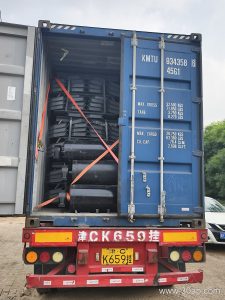
Before ordering, confirm the design tonnage, maximum lump size, incline angle, pulley diameters and take-up travel. State the required cover grade and whether the belt must be flame retardant, anti-static or heat resistant. Check that the head pulley, tail pulley and bend pulleys are sized for the belt thickness and splice type, and that idler roller spacing matches the load. Ask for the splice method and whether an endless belt is preferred. Keep spare belt, idlers and pulley lagging on hand, and inspect covers for cuts and edge wear during routine shutdowns. A well-matched Gold Mining Conveyor Belt, supported by correct pulleys, idlers and brackets, keeps ore moving with fewer stoppages.