What a High-Strength Pulley Does on a Conveyor
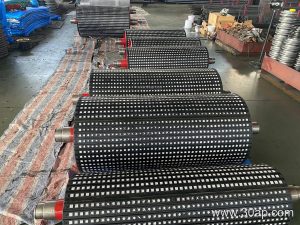
A high-strength pulley is the rotating drum that carries and guides the conveyor belt at the head, tail, or intermediate points of a bulk handling line. In a quarry, a limestone mine, or a cement plant clinker circuit, this component takes the full belt tension and the repeated shock of heavy, abrasive material. The drum body, shaft, hubs, and lagging must work as one unit, because a weak point anywhere shows up quickly as belt tracking problems, slipping, or premature bearing failure.
Buyers sometimes use the terms conveyor pulley and conveyor drum interchangeably, and that is acceptable. However, drive, tail, and bend pulleys are not interchangeable names. Each sits in a different place and carries a different duty. A drive pulley transmits torque; a tail pulley returns the belt; a bend pulley changes belt direction under tension. The high-strength version of any of these is built for higher loads, not simply a heavier paint finish.
How the Drum Is Built
A typical high-strength pulley uses a rolled or machined steel shell, welded end discs, and a shaft sized by torque and radial load rather than by belt width alone. Common shaft diameters include Ø80, Ø100, Ø120, Ø140, and Ø160 mm, with larger sizes for heavy drives. Shell diameters often fall in the range Ø315 to Ø1250 mm, and the face width usually exceeds the belt width so the belt is fully supported. For example, a B800 belt commonly runs on a face around 950 mm, while a B1200 belt may use a face near 1400 mm. These are reference figures, not fixed pairings.
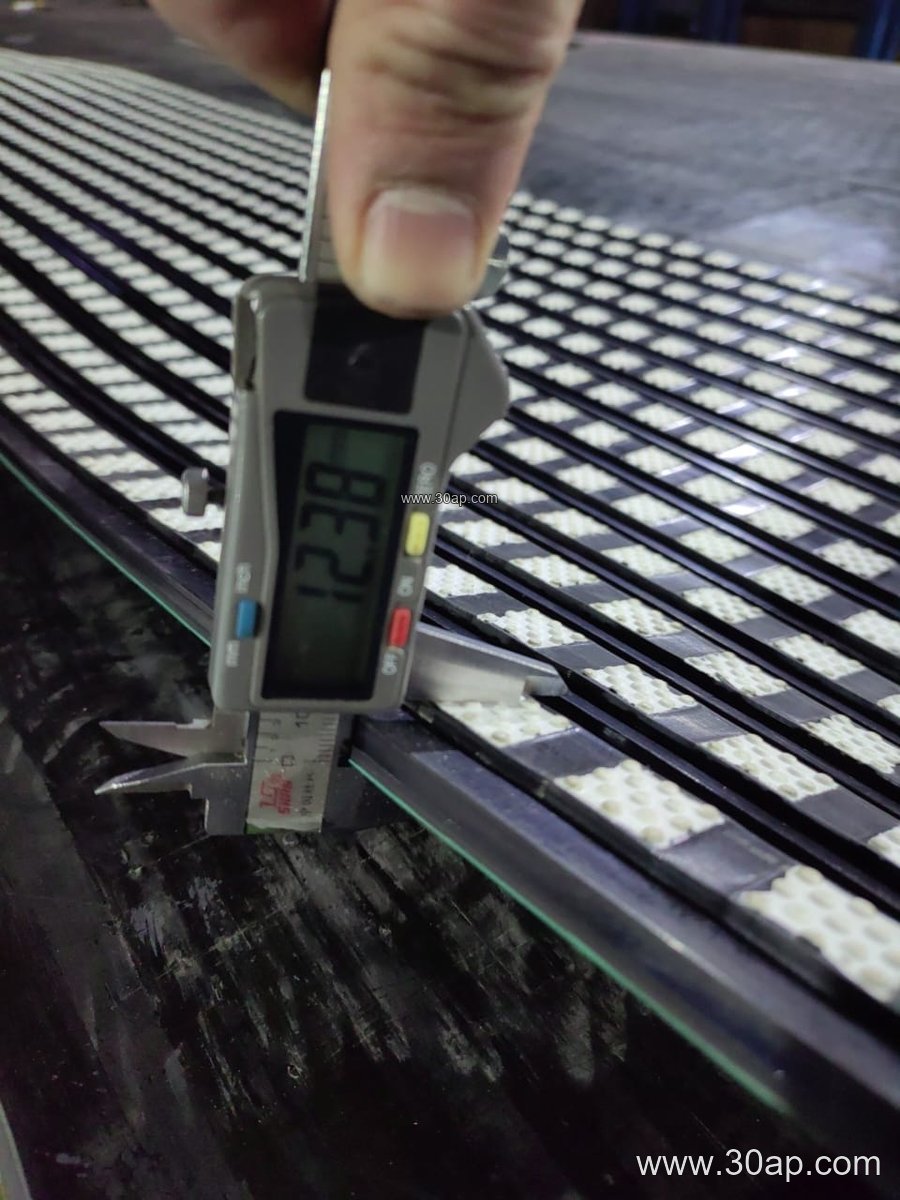
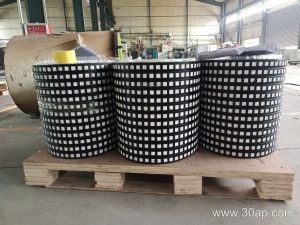
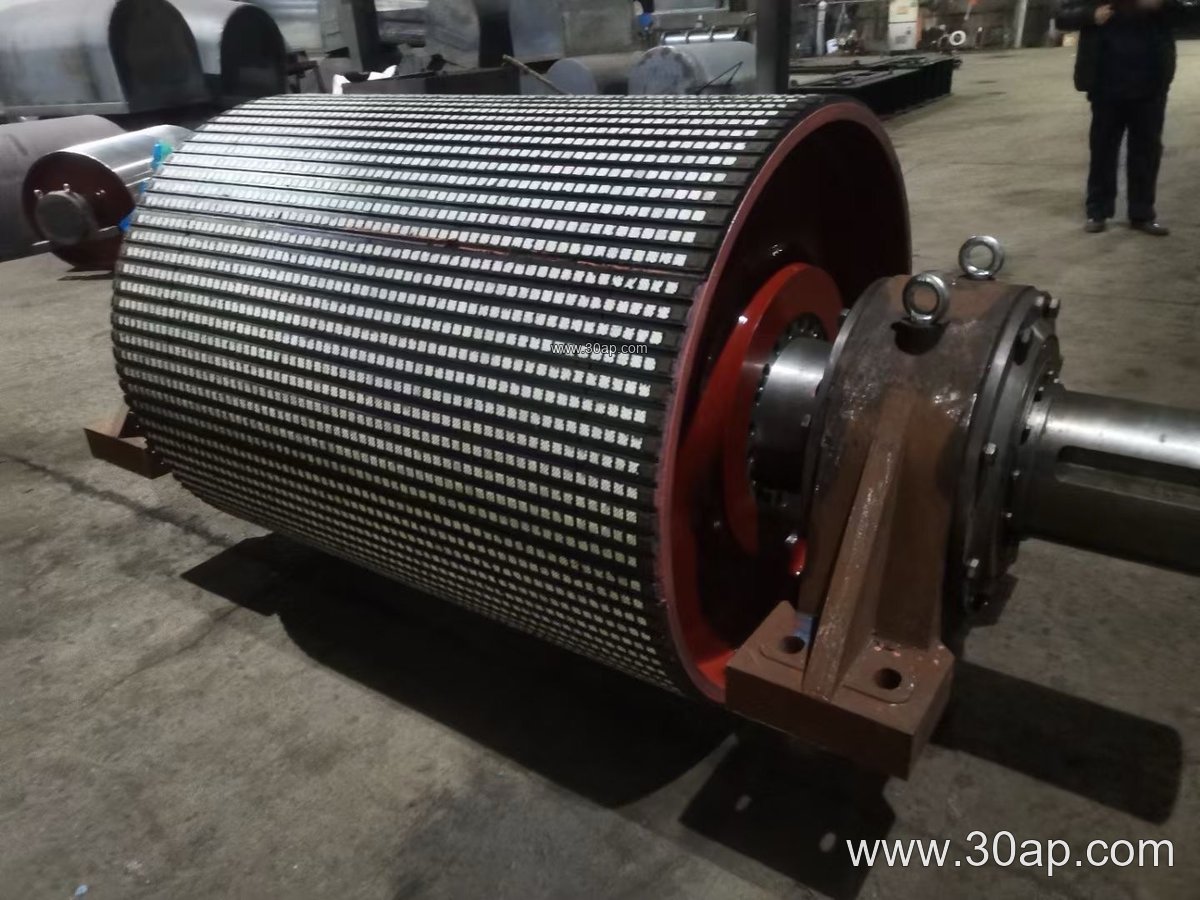
Lagging is where many specifications are won or lost. Plain, cold-bonded rubber, hot-vulcanized rubber, diamond groove, herringbone, and ceramic lagging all serve different purposes. Diamond or herringbone rubber improves grip on a drive pulley in wet or dusty conditions. Ceramic lagging suits high-torque drives where slip is a risk. Plain finish is often enough on a bend or tail position. Lagging thickness is commonly 8, 10, 12, 15, or 20 mm, selected with the belt and the environment in mind.
Where It Fits in the Plant
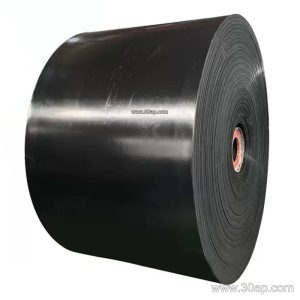
In a coal washing plant or a power station coal yard, a high-strength drive pulley works with a flame retardant conveyor belt or an anti-static conveyor belt, and the lagging must resist both slip and fire risk. In an iron ore or copper ore transfer station, an abrasion resistant conveyor belt runs alongside a heavy-duty pulley that shrugs off grit. On a long overland line, a steel cord conveyor belt may pass over a bend pulley with a large diameter to keep bending stress low. A fabric core conveyor belt, such as an EP conveyor belt or NN conveyor belt, is more forgiving and often pairs with a mid-range drum.
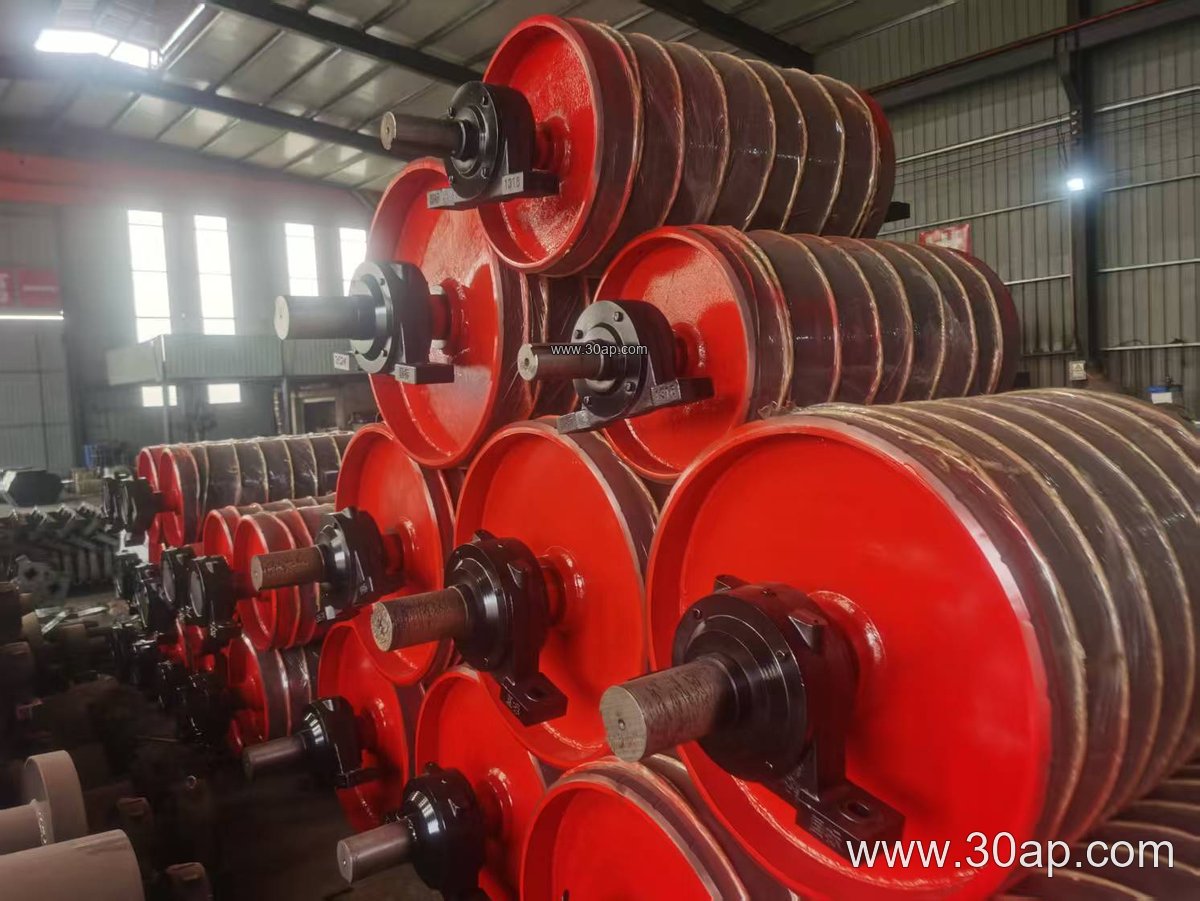
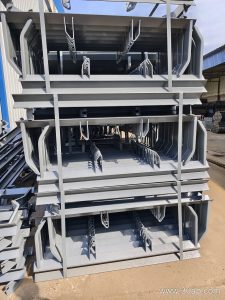
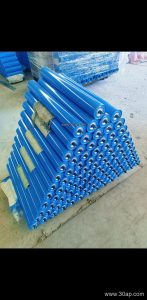
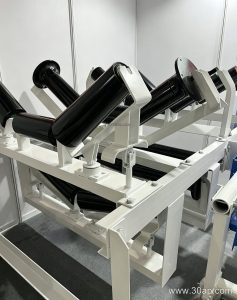
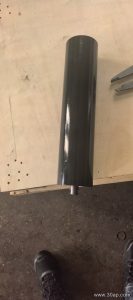
The pulley does not work alone. The conveyor belt, idler roller, and conveyor bracket all influence how the drum performs. A misaligned bracket or a worn idler can load the pulley face unevenly and shorten lagging life.
Matching Pulley to Belt and Duty
Selection starts with the belt type, the material carried, and the tension in the system. A pipe conveyor belt or a corrugated sidewall conveyor belt imposes different bending and edge loads than a flat EP conveyor belt. A chevron conveyor belt or skirted conveyor belt may need a larger tail drum to avoid contact with the cleats or skirt. A heat resistant conveyor belt in a cement kiln area calls for a pulley that can tolerate radiant heat and still hold its lagging.
The table below shows typical reference combinations. They are starting points for discussion, not universal rules.
- B500 belt with a face around 600 mm and a shell of Ø250 to Ø400 mm
- B800 belt with a face around 950 mm and a shell of Ø400 to Ø630 mm
- B1000 belt with a face around 1150 mm and a shell of Ø500 to Ø800 mm
- B1200 belt with a face around 1400 mm and a shell of Ø630 to Ø1000 mm
- B1400 belt with a face around 1600 mm and a shell of Ø800 to Ø1250 mm
A B1200 × Ø1000 drive pulley and a B800 × Ø500 tail pulley are both realistic, but no single belt width locks a buyer into one drum diameter. Shaft size follows the calculated torque and bearing load.
Buyer Checklist
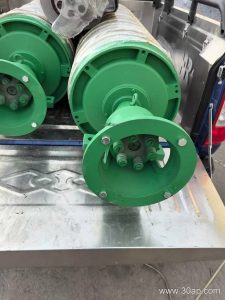
Before ordering, confirm the belt width, the belt type, and the position of the drum. Ask whether the drive is motorized through a gearbox or whether an electric drum is preferred. Check the lagging surface form and thickness against the local conditions, especially where an oil resistant conveyor belt or a cold resistant conveyor belt is in use. Verify the shaft diameter and bearing size against the actual load, and make sure the face width leaves enough margin. For a mining conveyor belt in a dusty underground drift, specify adequate sealing and a robust lagging bond. For a quarry conveyor belt handling sharp rock, prioritize impact resistance in both belt and drum.
Finally, plan for maintenance. Inspect lagging wear, check bolt torque on the bearing housing, and watch belt tracking after any pulley change. A high-strength pulley is a long-life component, but it still depends on correct installation and alignment to deliver that life.