What the EP1000 1200mm Conveyor Belt Is
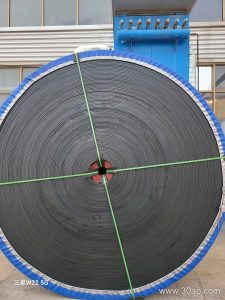
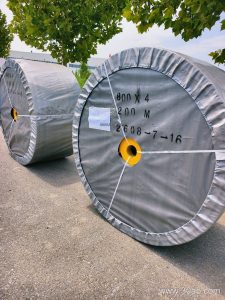
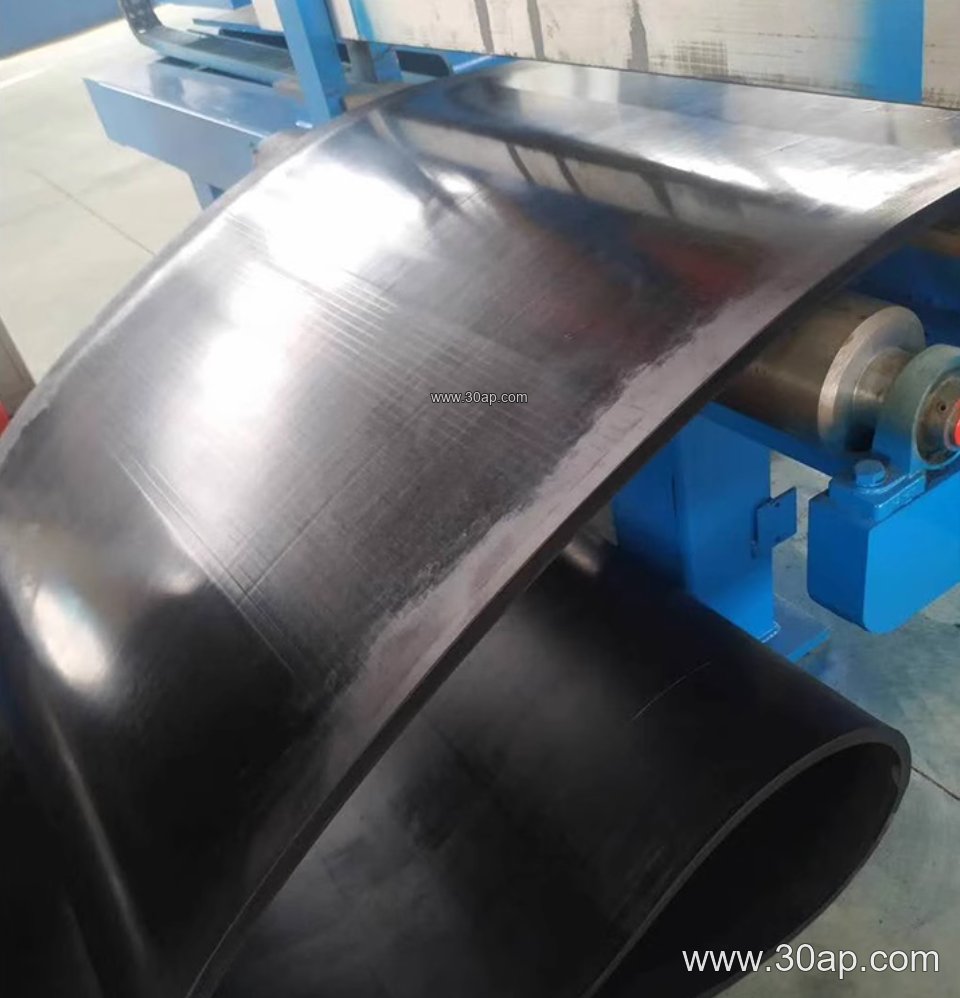
The EP1000 1200mm conveyor belt is a heavy-duty fabric-core belt built around a 1200 mm wide carcass rated at EP1000. In this designation, EP stands for polyester warp and polyamide weft, and the number refers to the nominal tensile strength of the fabric core in newtons per millimeter of belt width. With a 1200 mm width, the belt is a common choice for main haulage lines in mines, cement works, power stations, and large aggregate yards where high tonnage moves continuously.
It is an EP conveyor belt rather than a steel cord design, so it offers good flexibility, easier splicing, and reliable tracking on conventional troughing idlers. Buyers often compare it with an NN conveyor belt of similar strength or with a steel cord belt when very long center distances are involved.
Construction and Typical Build
The carcass usually contains multiple plies of EP fabric, commonly two to six layers depending on the duty. Rubber covers protect the carcass and grip the load. Cover thickness is specified by design, with common combinations such as 4+2 mm, 5+2 mm, 6+2 mm, and 8+3 mm for abrasive or high-impact service.
- Top cover: abrasion resistant or impact resistant rubber for lumpy ore and rock
- Bottom cover: friction cover for driving through pulleys
- Edges: cut or molded, depending on splice method and runtime requirements
- Optional grades: flame retardant, anti-static, heat resistant, oil resistant, or cold resistant compounds
For dusty coal mining and underground coal mining conveyors, flame retardant and anti-static properties are frequently requested together. In cement plants and power plant coal yards, a heat resistant conveyor belt grade may be needed where clinker or hot material is present.
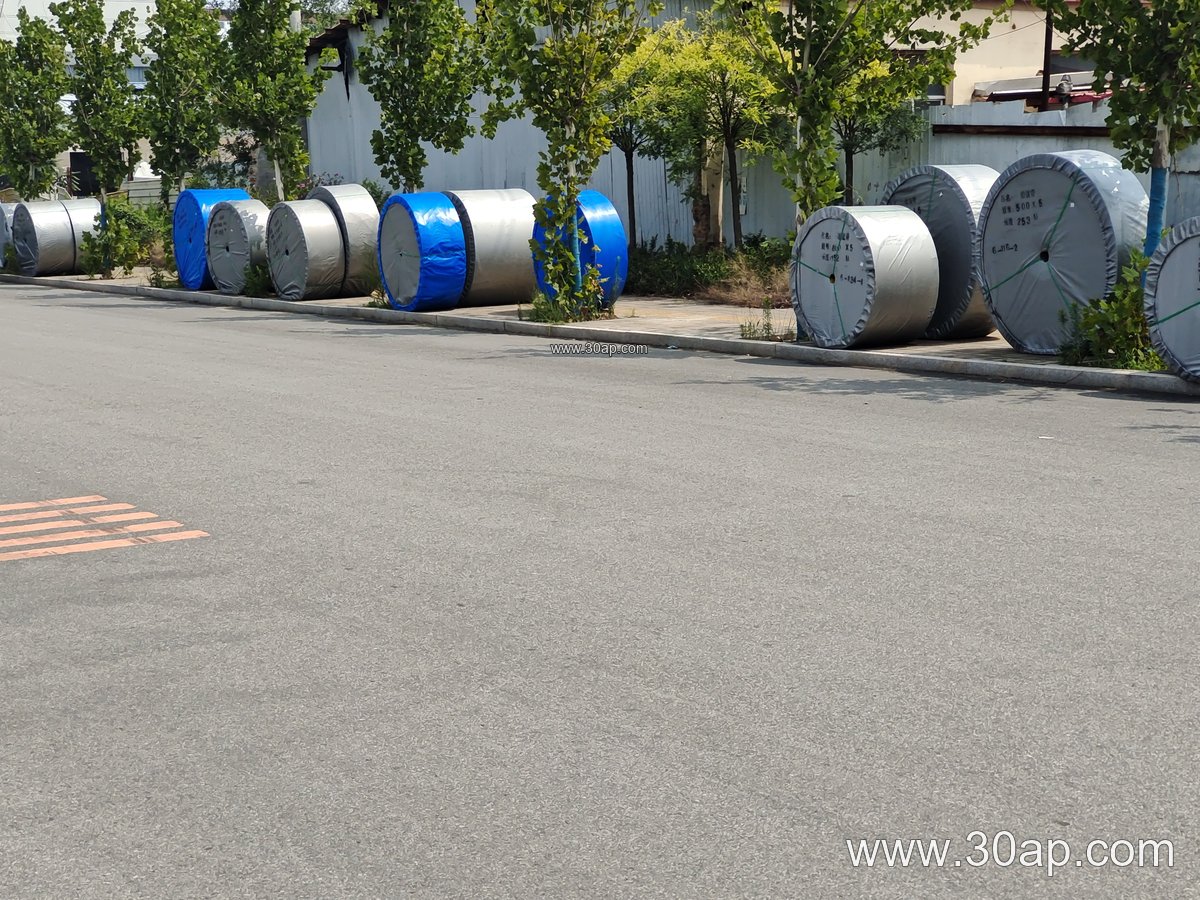
Where It Fits in a Conveyor System
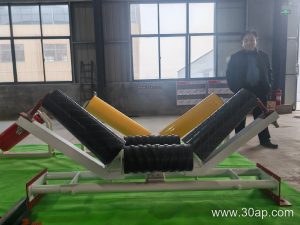
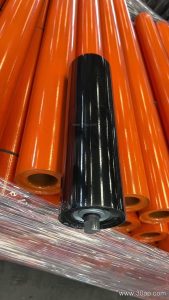
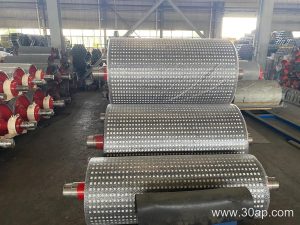
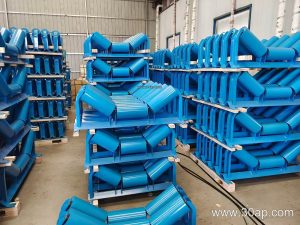
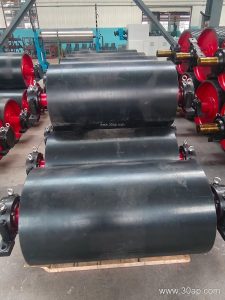
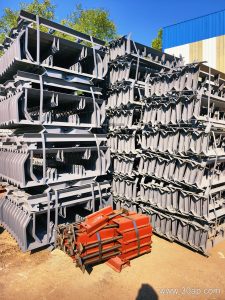
A 1200 mm belt runs over a full set of components that must be matched to the duty. The drive pulley transmits torque, the tail pulley returns the belt, and bend pulleys guide it through take-up and transition zones. These pulleys are not interchangeable, and each has its own diameter and shaft requirements. Troughing idler rollers support the loaded strand, while return idlers carry the empty side. Conveyor brackets and frames hold the idlers at the correct angle and spacing.
Typical industries include:
- Mining and quarry conveyors handling ore, rock, and overburden
- Coal preparation and ship loading lines
- Cement and clinker transport
- Steel plant and power plant bulk material systems
- Sand making and stone crushing plants
Specifications at a Glance
| Parameter | Typical Reference |
|---|---|
| Belt type | EP fabric core conveyor belt |
| Strength grade | EP1000 (also EP200 to EP2000 range) |
| Belt width | 1200 mm (B1200) |
| Carcass plies | Usually 2 to 6, by design |
| Cover thickness | Common 4+2, 5+2, 6+2, 8+3 mm |
| Surface options | Smooth, chevron, skirted, corrugated sidewall |
| Special grades | Flame retardant, heat resistant, oil resistant, abrasion resistant |
These values are reference data. Actual construction is confirmed by the manufacturer for each order and application.
Selection and Buyer Checklist
Belt width and strength should follow the conveyor design, not the other way around. A 1200 mm belt is not automatically tied to one pulley diameter or shaft size; those depend on tension, wrap angle, and the pulley manufacturer’s calculation. Buyers should confirm the material lump size, abrasion level, temperature, and any fire or anti-static requirement before choosing the cover compound.
For inclined sections, a chevron conveyor belt or a corrugated sidewall belt can prevent rollback, but these are different surface forms and should be specified separately. Where a very long single flight is planned, an ST1000 or ST1250 steel cord conveyor belt may be compared for its lower elongation, while the EP1000 remains a practical choice for many plant and yard conveyors.
Installation and Maintenance Notes
Correct splice alignment and adequate take-up travel extend belt life. Keep idler rollers turning freely and check pulley lagging for wear. Misalignment often shows first at the tail pulley or at transition idlers near the loading point. Use skirt rubber and impact cradles at transfer points to reduce edge damage and cover gouging.
Spare belt should be stored flat, away from sunlight and ozone sources, and spliced by trained personnel. Matching the belt grade to the actual duty, rather than simply copying an old specification, is the most reliable way to avoid premature failure.