What a High Impact Resistant Idler Does
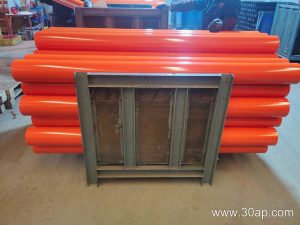
A high impact resistant idler is a heavy-duty conveyor idler roller built to absorb the shock of large, sharp or fast-falling material at transfer points. Instead of passing that energy straight into the frame and belt, the idler uses a resilient outer surface and a reinforced body to soften the load. You will see it most often under a crusher discharge or at the head of a quarry conveyor, where rock and ore drop with real force onto the conveyor belt. In a sand and gravel line or a cement plant raw-material feed, the same idler protects the belt from punctures and edge damage.
The product is also called an impact idler or shock-absorbing idler. Those names describe the same item. It is not a substitute for a troughing idler, return idler, transition idler or self-aligning idler; each of those has its own job on the conveyor.
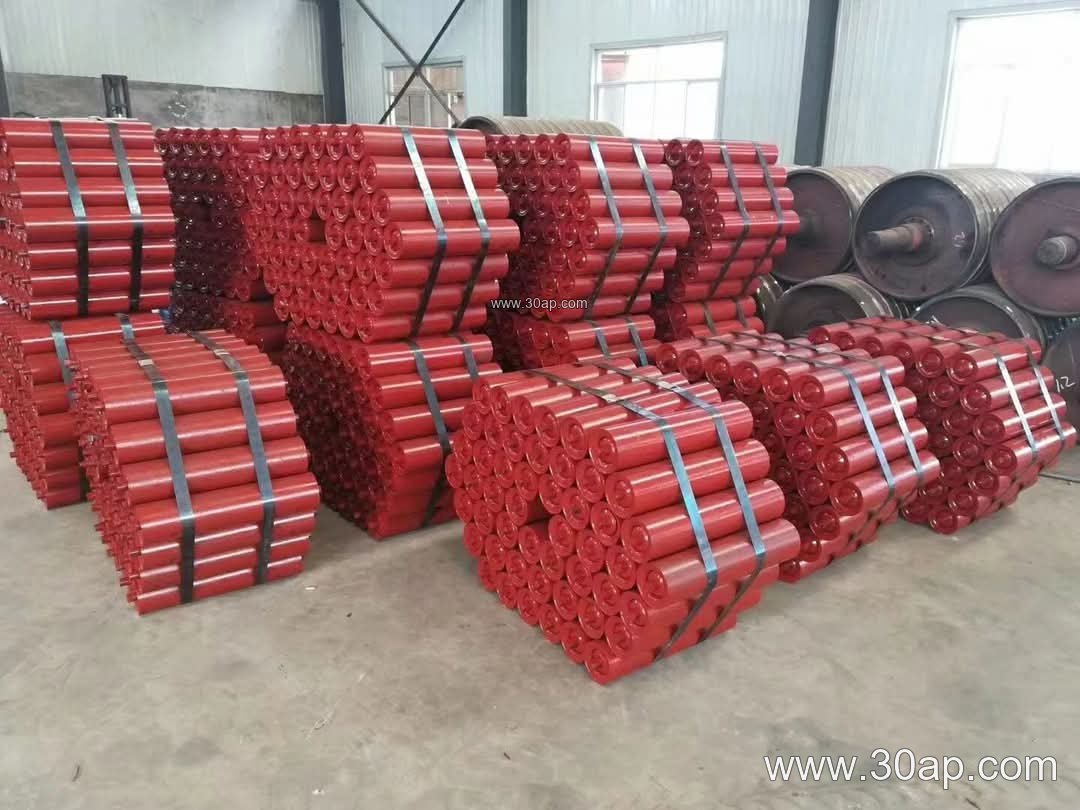
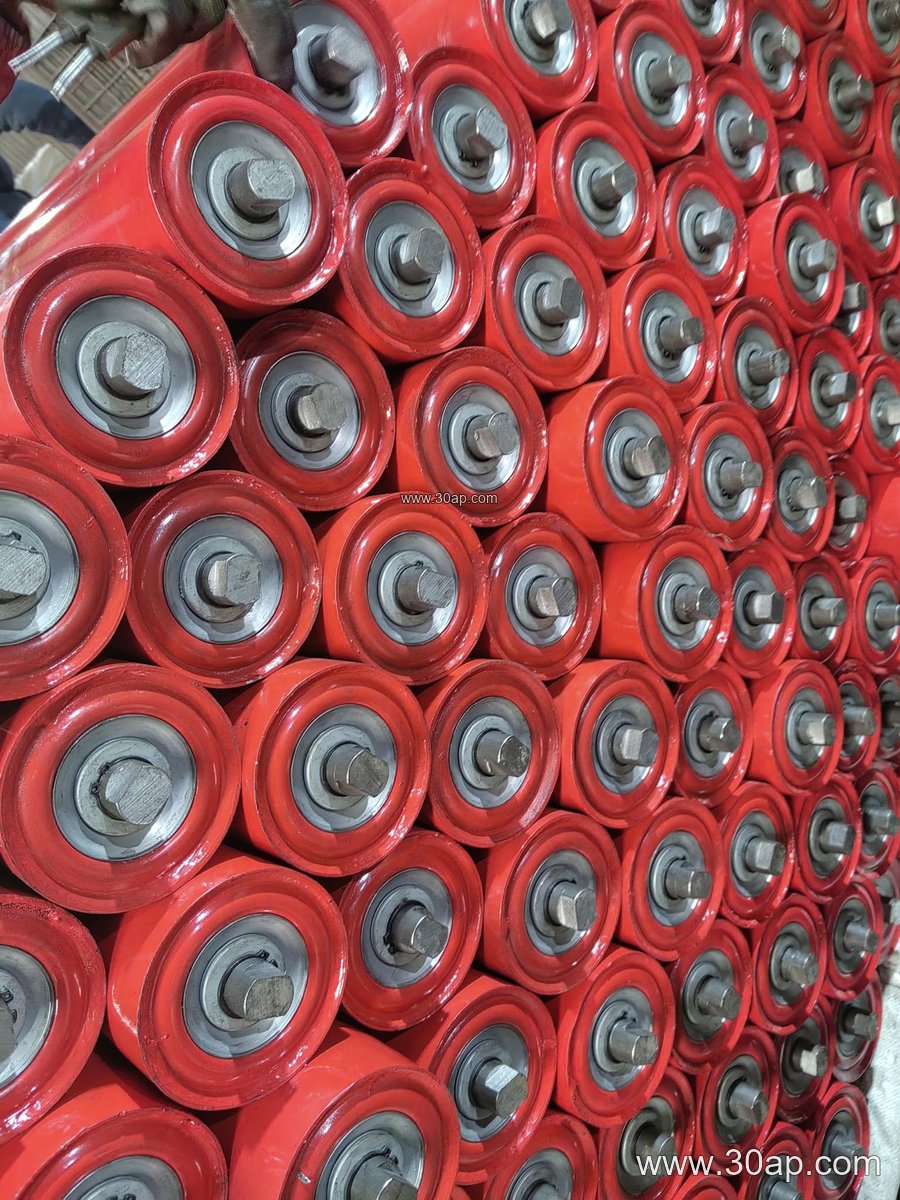
How the Idler Is Built
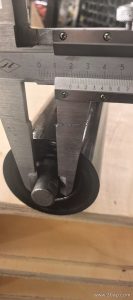
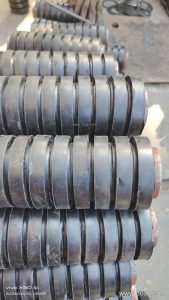
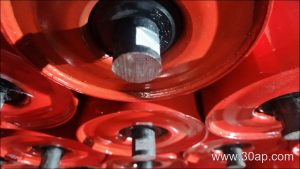
Most versions use a steel tube as the base, fitted with a thick rubber ring or a set of rubber discs along the roller face. The rubber rings compress under impact and then recover, which reduces point loading on the conveyor belt. The shaft and bearing housing are usually heavier than on a standard carrying idler, and the seals are chosen to keep out dust and grit. Common bearing sizes include 6205, 6305, 6306 and 6308, matched to the roller diameter and load rather than to belt width alone.
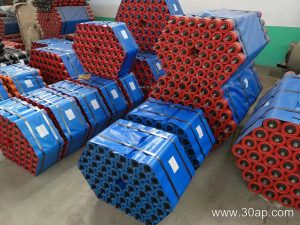
Roller diameters for this type commonly fall in the range of Ø89, Ø108, Ø127, Ø133, Ø159 and Ø178 mm. The right choice depends on the drop height, lump size and belt speed. A high impact resistant idler is often mounted in a three-roll troughing set at 30 or 35 degrees, or in a two-roll set where the belt is narrower. Roll length follows belt width, trough angle and frame form; for example, a three-roll set at B800 may use a roll length near 315 mm, while B1200 may use about 465 mm. These are common references, not fixed matches.
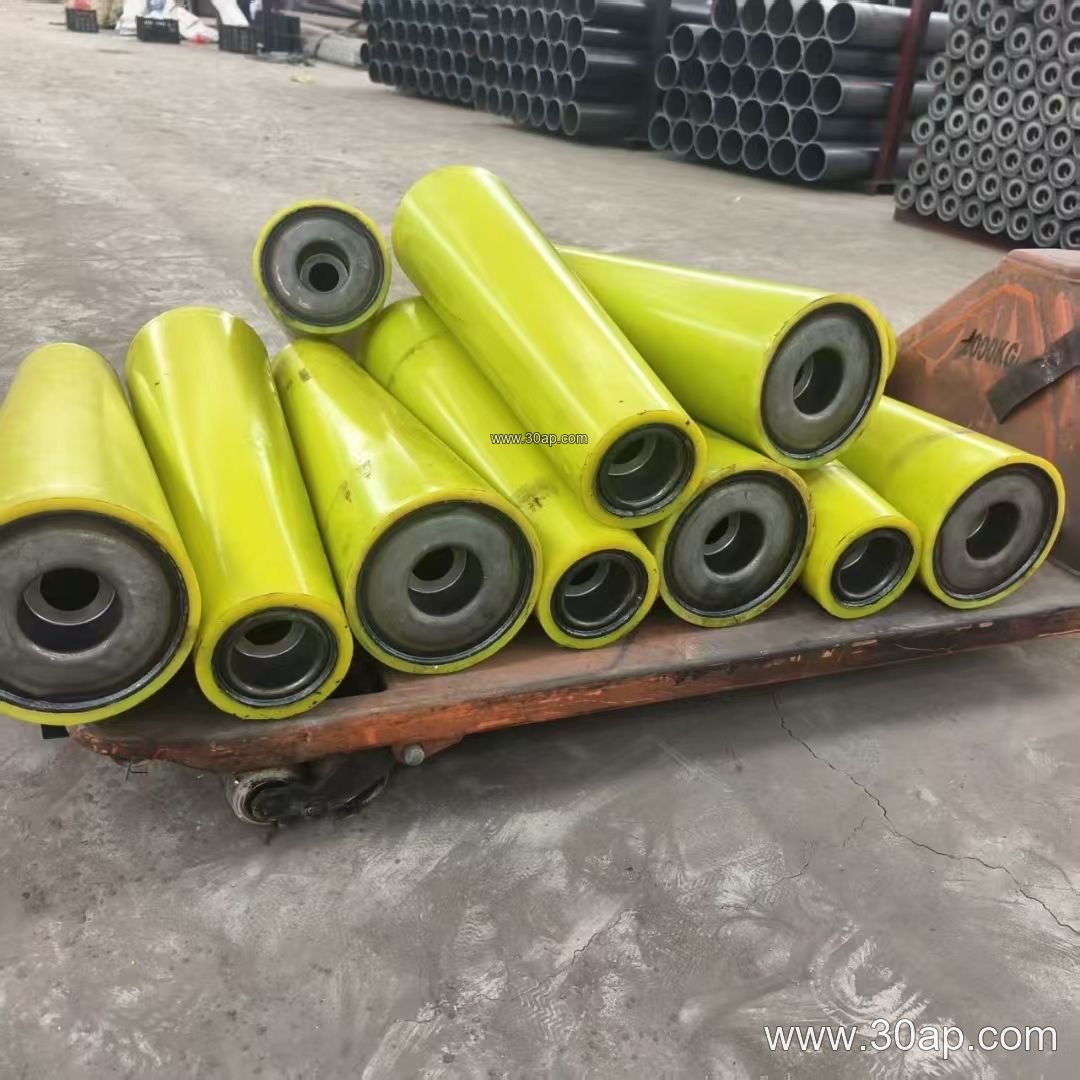
Where It Fits on the Conveyor
The usual position is the loading zone, just below the skirtboard or the feed chute. In an iron ore or copper ore handling line, a high impact resistant idler sits in the first few metres after the transfer point, before the belt settles into ordinary troughing idlers. In a coal mining conveyor or a power plant coal yard, it helps where coal drops from a crusher or a belt-to-belt transfer. The idler can also be used at the discharge of a screening plant, where stone falls onto a belt that carries it to the stockpile.
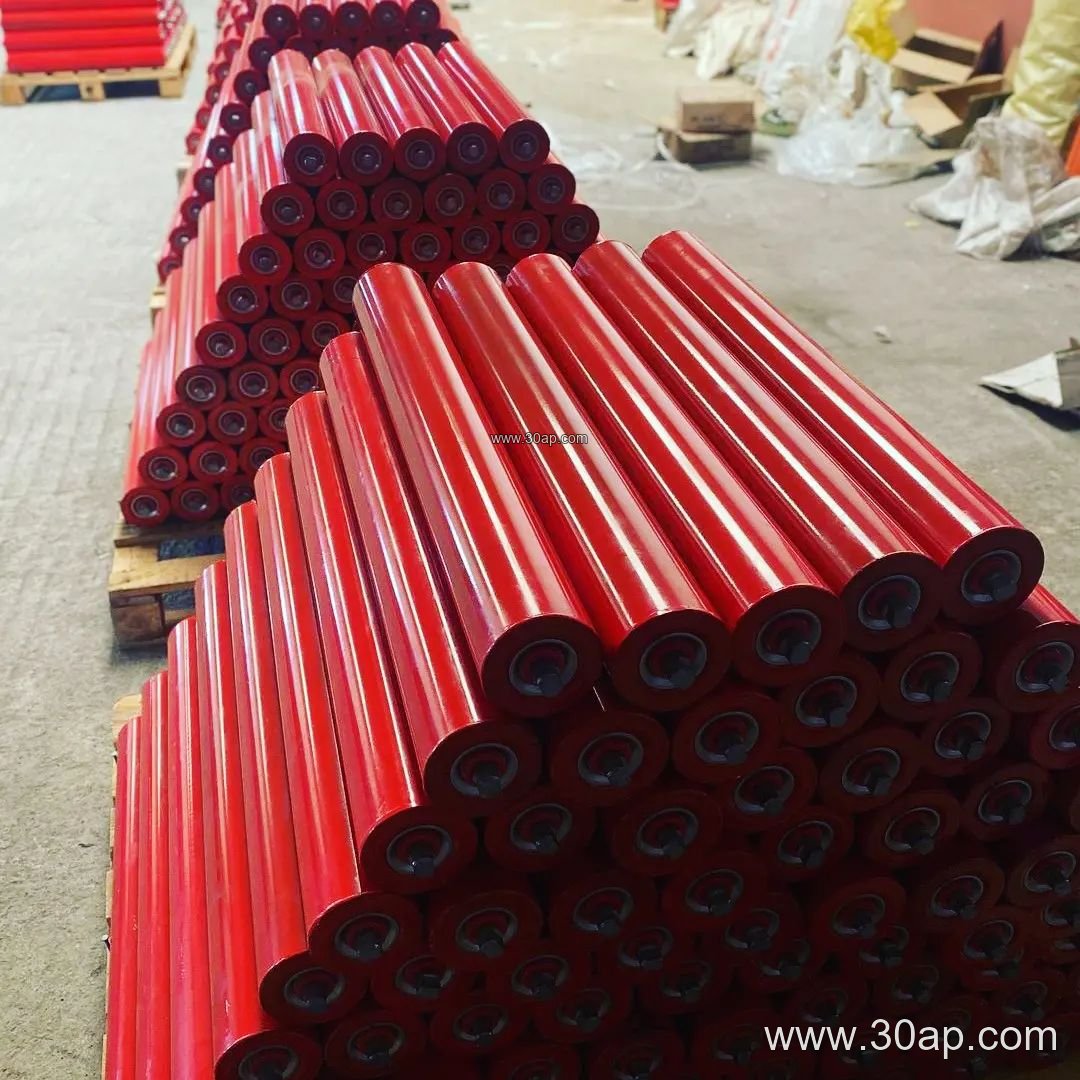
It is not a tail pulley or a bend pulley, and it should not be used to replace a drive pulley. Those parts transmit power and change belt direction. The impact idler only supports the belt and cushions the load.
Buyer Checklist
- Confirm the belt width, such as B650, B800, B1000, B1200 or B1400, and the trough angle of the existing frame.
- Check the lump size and drop height at the loading point; these often matter more than belt speed.
- Ask for the roller diameter and bearing size together, not as separate guesses.
- Match the idler to the conveyor bracket and frame dimensions already on site.
- For dusty or wet conditions, review the seal type and the rubber ring hardness.
On a quarry conveyor belt or a mining conveyor belt, a high impact resistant idler works alongside other components. An abrasion resistant conveyor belt or a heavy-duty mining conveyor belt may be used on the same line, and the idler should suit the belt and the material. In a cement plant or a steel plant, a heat resistant conveyor belt or an oil resistant conveyor belt may be present nearby, but the impact idler is selected for mechanical shock, not for temperature or oil resistance. For long overland runs, an EP conveyor belt or a steel cord conveyor belt may carry the load after the impact zone, and the idler layout should follow the belt manufacturer’s recommendation.
Installation and Maintenance Notes
Set the impact idlers slightly higher than the normal carrying idlers so the belt does not sag into the gap, but do not over-lift the belt. Keep the rolls turning freely; a seized impact idler can wear a flat spot into the conveyor belt. Inspect the rubber rings for cuts and the bearing seals for dust ingress. Replace worn rings before the steel body is exposed. In a crusher conveyor or a rock conveyor, a short inspection interval after start-up is often worthwhile because the loading point is where damage begins.