What Is a 500mm Diameter Conveyor Pulley
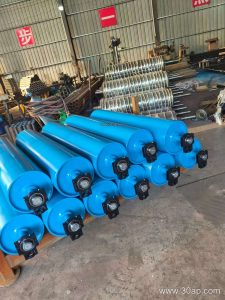
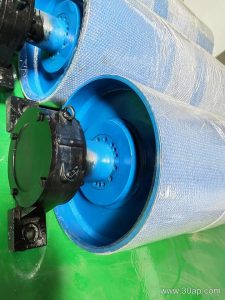
A 500mm diameter conveyor pulley is a common drum size used in belt conveyor systems to drive, tension, or redirect the belt. It is often specified as Ø500 or 500mm pulley. This size sits in the mid-range of pulley diameters and is frequently chosen for medium-duty to heavy-duty applications where a larger pulley helps reduce belt stress and improve traction. In a typical conveyor, the pulley works with the conveyor belt, idler rollers, and conveyor brackets to keep material moving efficiently. You might see this size in a quarry conveyor, a cement plant, or a power plant coal handling system.
Construction and Key Components
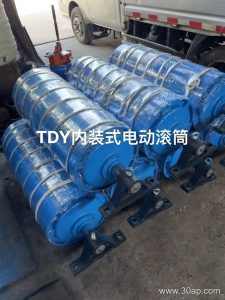
A 500mm diameter conveyor pulley is built around a steel drum with shafts, hubs, and bearing housings. The drum shell is usually seamless steel tube or rolled plate, machined for balance. End discs are welded to the shell and connected to the shaft through keyed hubs or shrink discs. Bearings are selected based on load and speed, and the pulley is often supplied with a lagging surface to improve grip. Common surface options include plain steel, rubber lagging (cold bonded or hot vulcanized), diamond grooved lagging, and ceramic lagging. Lagging thickness typically ranges from 8 mm to 20 mm depending on the application. For example, a 12 mm rubber lagging may be used in wet or dusty conditions to reduce slip.
When specifying a 500mm diameter pulley, the face width is matched to the belt width. For a B800 belt, the pulley face might be around 950 mm; for a B1000 belt, about 1150 mm. The shaft diameter is determined by torque and load, not by belt width alone. Common shaft sizes for this pulley diameter include Ø80, Ø90, Ø100, Ø120, and Ø140, but final selection must be based on engineering calculations.
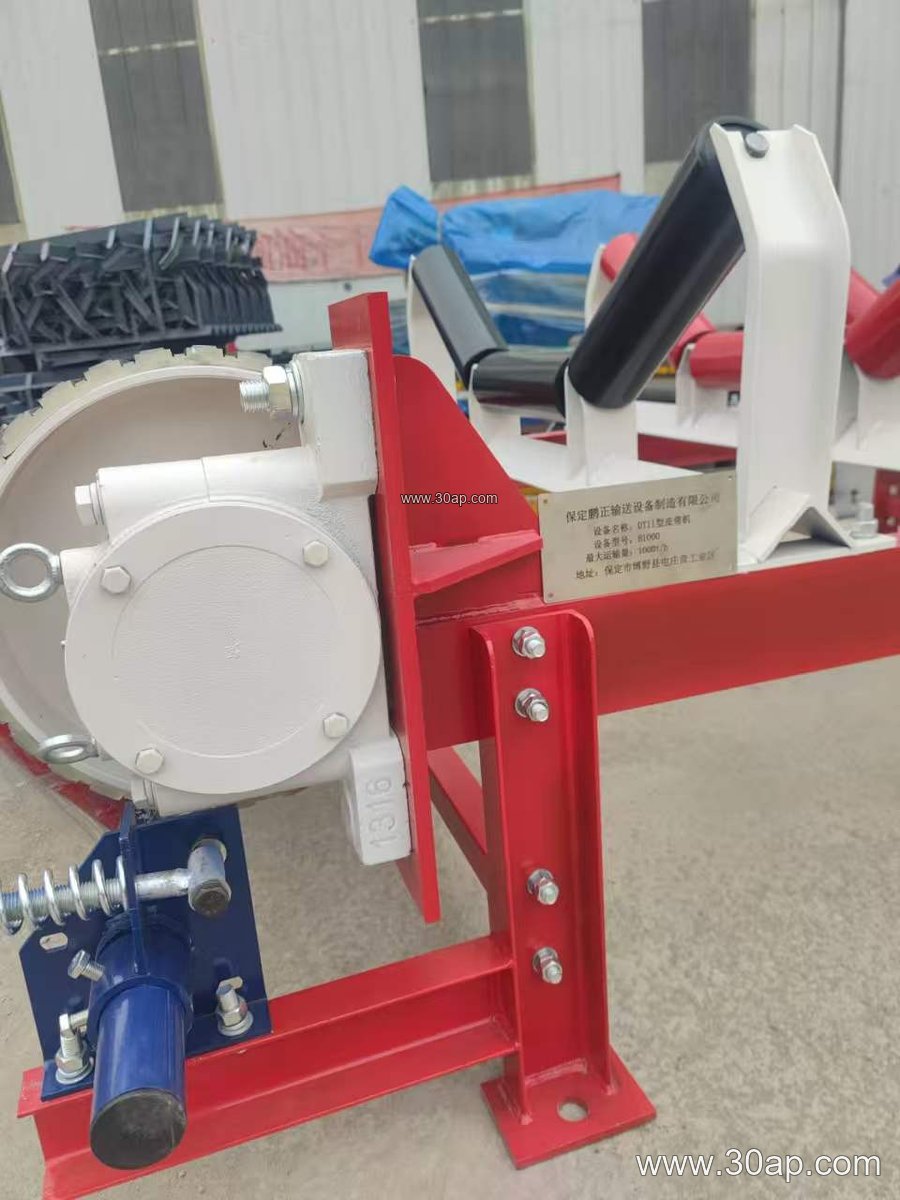
Where It Fits in a Conveyor System
This pulley size appears in several positions. As a drive pulley, it transmits power to the belt and is often lagged for grip. As a tail pulley, it redirects the belt at the loading end. As a bend or take-up pulley, it helps route the belt and maintain tension. It is not interchangeable with other pulley types; a drive pulley and a tail pulley serve different roles and have different design priorities. In a coal mining conveyor or an aggregate conveyor line, a 500mm diameter pulley may be used at the head or tail, depending on the belt tension and space constraints.
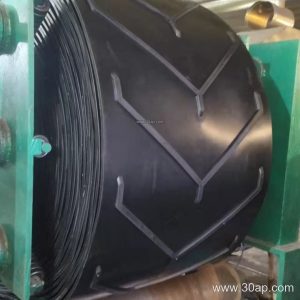
For heavy-duty mining conveyor belts, such as steel cord conveyor belt or high abrasion resistant conveyor belt, a larger diameter like 500mm can reduce bending stress and extend belt life. In contrast, smaller pulleys might be used on short, light-duty conveyors. The choice depends on belt thickness, tension, and the amount of wrap needed.
Typical Applications and Industries
You will find 500mm diameter conveyor pulleys in many bulk material handling operations. In a sand and gravel plant, they help move aggregate on a quarry conveyor belt. In a cement plant, they handle clinker and raw meal on heat resistant conveyor belt or abrasion resistant conveyor belt. In a power plant, they are part of the coal handling system, often working with flame retardant conveyor belt for safety. Other industries include iron ore mining, copper ore processing, and port bulk terminals. The pulley must be selected to suit the environment: dusty, wet, or corrosive conditions may call for specific lagging and surface protection.
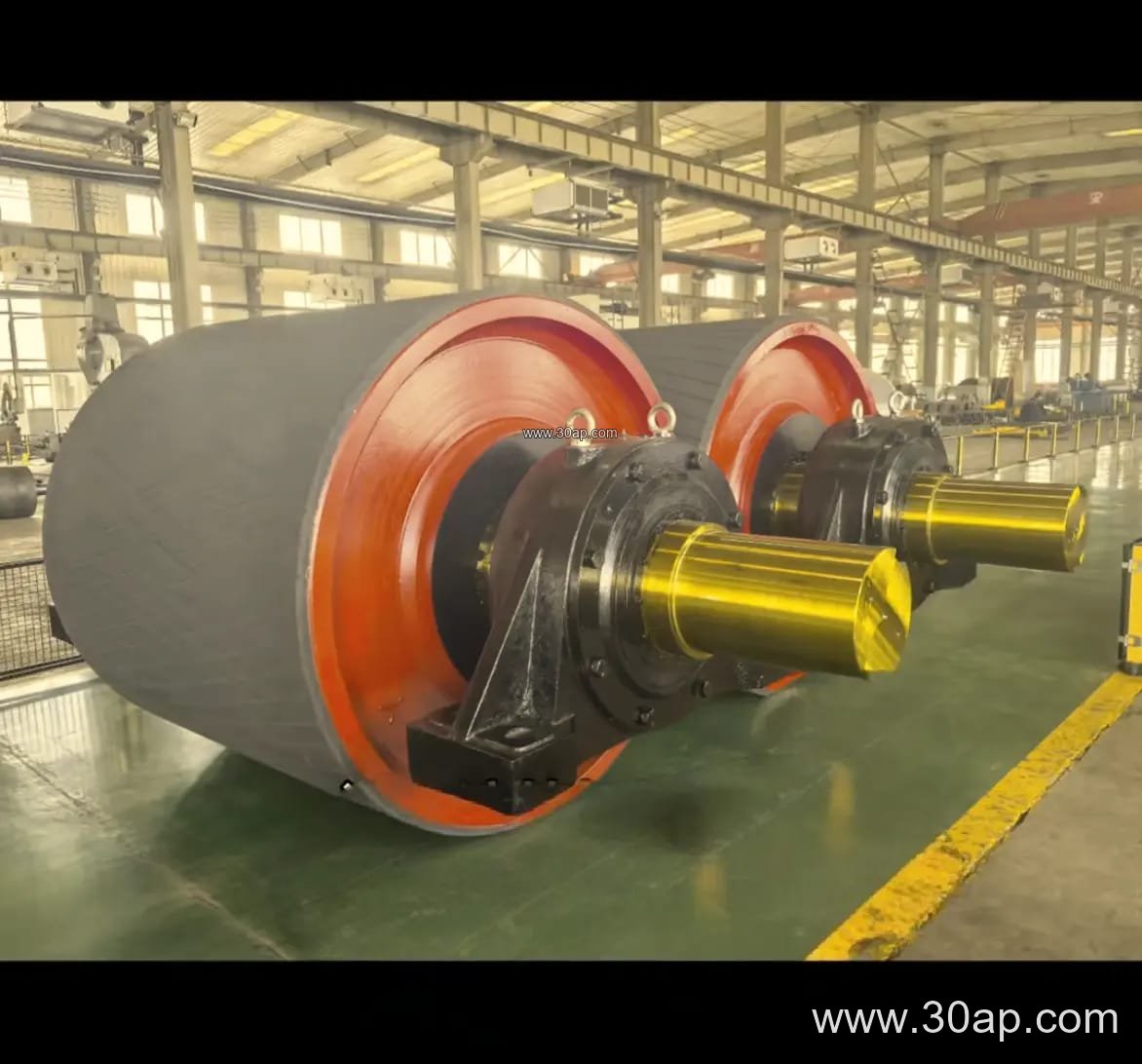
Selection and Maintenance Tips
Buyers should consider the belt width, belt tension, shaft load, and environmental conditions. The pulley diameter should be large enough to avoid excessive belt bending stress, but not so large that it wastes space or cost. For a 500mm diameter pulley, common belt widths include B650, B800, B1000, and B1200. The table below lists some indicative combinations, but these are not fixed rules.
| Belt Width (mm) | Typical Pulley Face Width (mm) | Common Shaft Diameter Range (mm) |
|---|---|---|
| B650 | 750 | Ø70–Ø100 |
| B800 | 950 | Ø80–Ø120 |
| B1000 | 1150 | Ø90–Ø140 |
| B1200 | 1400 | Ø100–Ø160 |
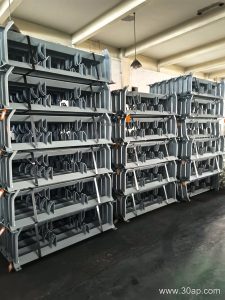
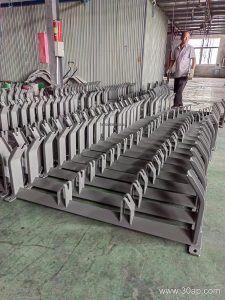
Maintenance involves checking lagging wear, bearing condition, and alignment. A worn lagging can be re-coated or replaced. Regular inspection of the conveyor bracket and idler roller alignment helps prevent belt mistracking. For high-tension applications, consider a 500mm diameter pulley with reinforced shell and heavy-duty bearings.
In summary, the 500mm diameter conveyor pulley is a versatile component that suits many medium to heavy conveyor systems. By understanding its construction, placement options, and selection factors, buyers can choose the right pulley for their specific belt conveyor needs.