What the ST2000 Conveyor Belt Is
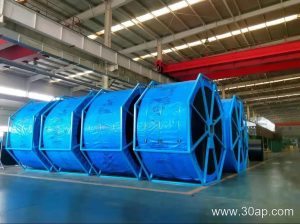
The ST2000 Conveyor Belt is a steel cord conveyor belt rated for a nominal tensile strength of 2000 N/mm. It belongs to the steel cord family, where high-carbon steel cords run longitudinally through the rubber carcass instead of fabric plies. That construction gives the belt its defining traits: very low elongation under load, high tensile capacity in a relatively thin profile, and reliable tracking on long center distances. In mining, cement, power and port operations, this grade is often chosen where a single flight must carry large tonnages without intermediate transfer points.
Buyers sometimes compare it with high-strength fabric types such as an EP1000 or EP1250 conveyor belt. Those remain excellent for medium-duty service, but once the requirement moves into very high tension and long spans, the steel cord design becomes the practical choice. The ST2000 is one step below ST2500 and above ST1600 in the common ST series, so it fills the gap for demanding but not extreme duty.
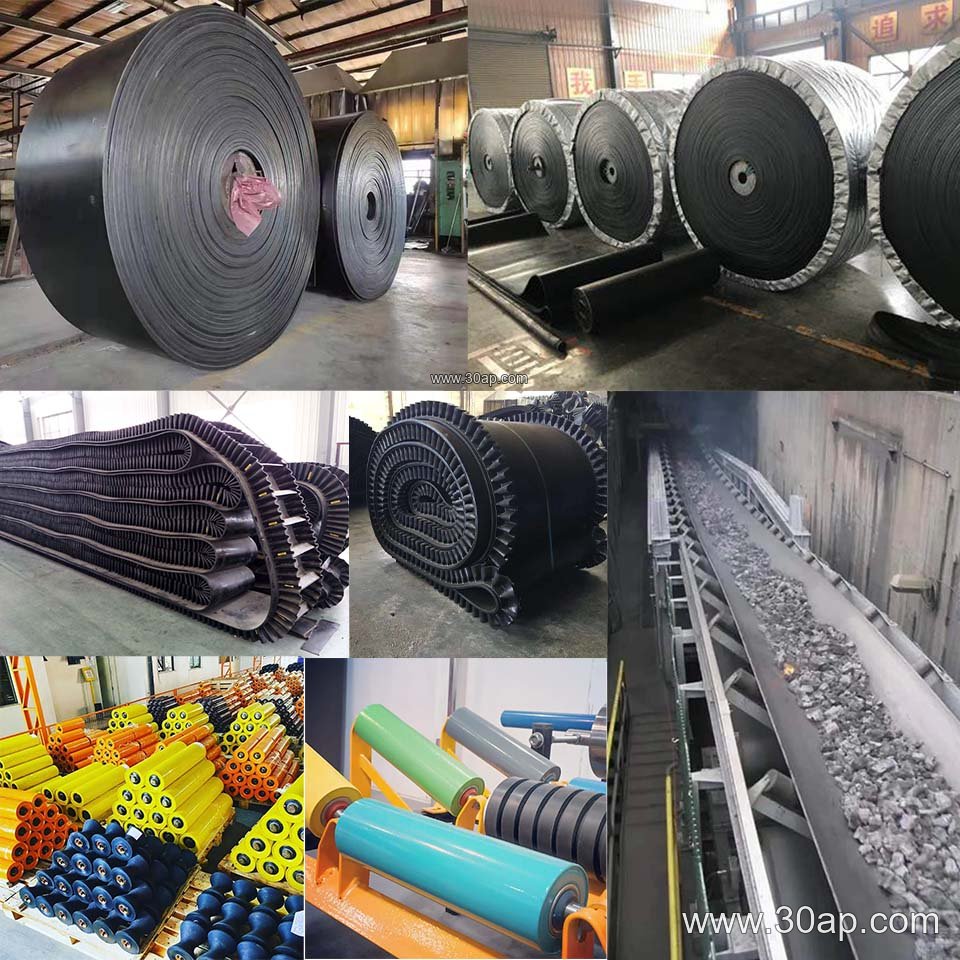
Construction and Key Components
A typical ST2000 belt consists of a core of parallel steel cords, a top cover, a bottom cover, and often a transverse reinforcement layer to resist impact and tearing. Cover compounds vary by application: abrasion resistant, heat resistant, flame retardant, oil resistant and anti-static grades are all available. The cord pitch, cord diameter and cover thickness are set by the manufacturer according to the duty, so two belts with the same strength rating may differ in mass and flexibility.
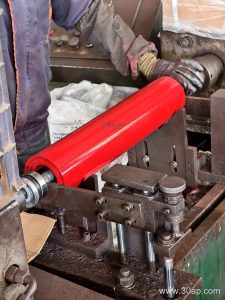
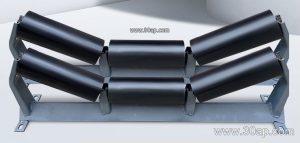
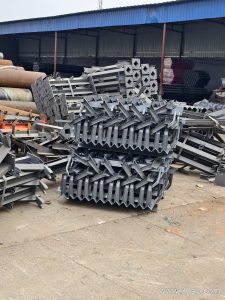
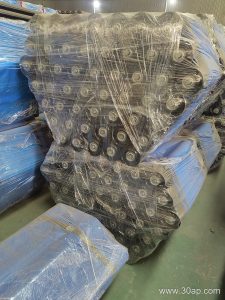
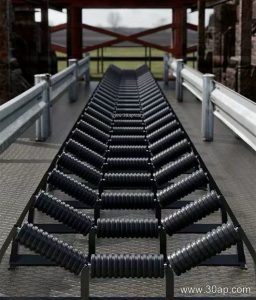
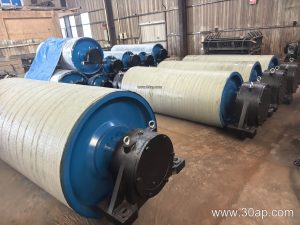
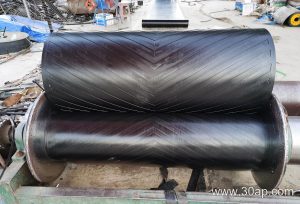
The belt does not work alone. It runs over a drive pulley, tail pulley and bend pulleys, supported by idler rollers and held in line by conveyor brackets and frames. Drive, tail and bend pulleys are distinct components and are not interchangeable. Proper alignment of these parts protects the belt splice and extends service life.
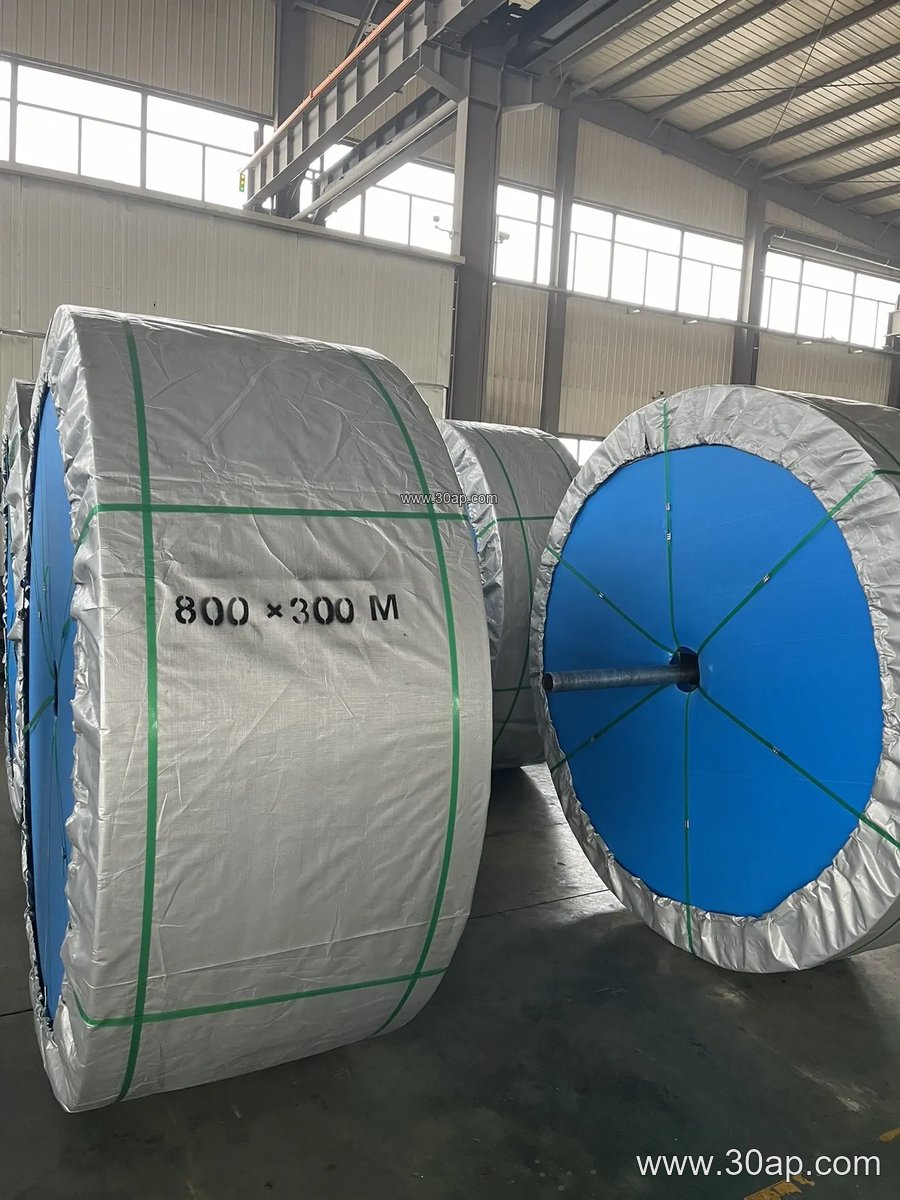
Common Specifications
The table below shows reference values that appear in general product literature. Actual values depend on the manufacturer and the engineered application.
| Parameter | Typical reference range |
|---|---|
| Strength grade | ST2000 (2000 N/mm) |
| Belt width | B800, B1000, B1200, B1400, B1600, B1800, B2000 |
| Cover thickness | 4+2 mm, 5+2 mm, 6+2 mm, 8+3 mm |
| Cover grades | Abrasion resistant, heat resistant, flame retardant, oil resistant, anti-static, cold resistant |
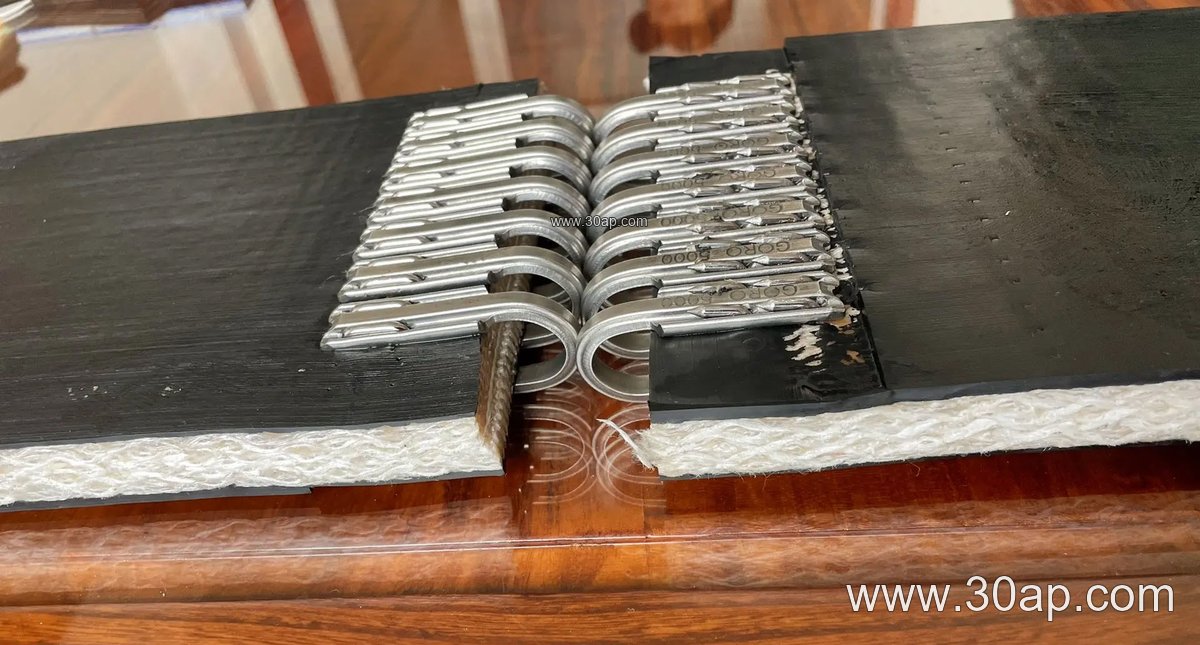
| Typical splice | Hot vulcanized stepped splice |
Note that belt width and pulley diameter are matched by design, not by a fixed rule. A 1200 mm wide ST2000 belt may run on different pulley sizes depending on tension, wrap angle and cord construction. Shaft diameter should always be calculated from the actual loads, never assumed from belt width alone.
Where It Is Used
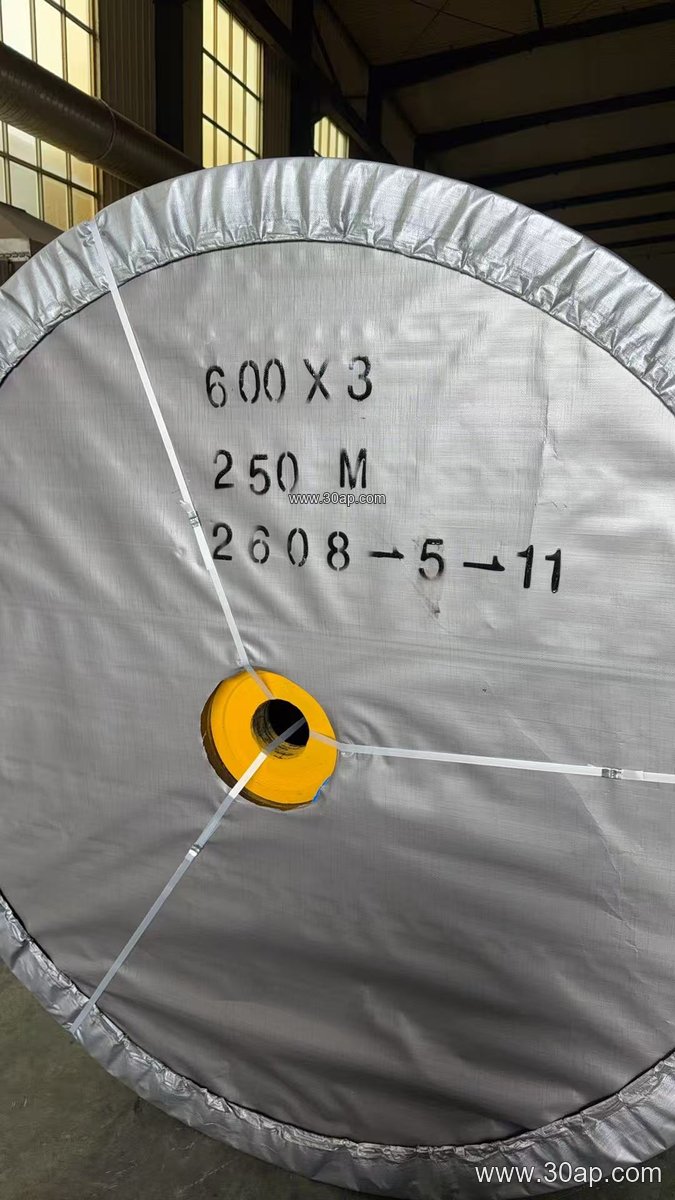
The ST2000 conveyor belt is common in high-capacity bulk material conveyor systems. Typical settings include:
- Underground coal mining and surface coal handling, where flame retardant and anti-static grades are often specified.
- Iron ore, copper ore and gold mining operations moving abrasive rock over long distances.
- Cement plants transporting clinker, limestone and raw meal.
- Power plants feeding coal from stockyard to boiler bunkers.
- Quarries and aggregate plants linking crushers and screening stations.
- Ports and ship loading systems where high throughput and low stretch matter.
In these environments, a heavy-duty mining conveyor belt must resist cutting, impact at transfer points and, in some cases, heat or oil exposure. The ST2000 is often paired with impact idler rollers and self-aligning idlers to keep the belt centered under load.
Selection and Maintenance Notes
Choosing an ST2000 belt starts with the calculated maximum tension, not with the belt width alone. Engineers should confirm the safety factor, the cord grade, the cover compound and the splice method. For abrasive ore, a high abrasion resistant cover is usually preferred; for underground coal, a flame retardant and anti-static combination is typically required. Where material is hot, a heat resistant grade may be needed, and for oily cargo an oil resistant cover helps prevent swelling.
During operation, check pulley lagging, idler rotation and belt tracking regularly. A misaligned bend pulley or a seized idler roller can cause edge damage and shorten belt life. Store spare belting in a dry, shaded area and follow the manufacturer’s splice procedure. For very wide or thick belts, handling equipment and trained crews are essential.
For more information on matching belts with pulleys, idlers and frames, visit www.example.com/conveyor-belt or www.example.com/steel-cord-conveyor-belt. Related equipment such as the conveyor pulley and conveyor bracket should be specified together with the belt to ensure a balanced system design.