What a Custom Conveyor Pulley Does
A custom conveyor pulley is a drum-shaped rotating component built to match the belt width, shaft loads, and environmental conditions of a specific conveyor line. It transmits drive force, maintains belt tension, or changes belt direction, depending on where it sits in the system. Because conveyors in a limestone quarry, a coal washing plant, or a power plant coal yard rarely share the same layout, standard catalog drums often need modification in face width, shaft diameter, lagging, or bearing arrangement. That is where a made-to-order pulley becomes practical rather than optional.
Buyers should keep one rule in mind: drive, tail, and bend pulleys are separate functional positions and are not interchangeable. A drive pulley carries torque from the gearbox into the belt; a tail pulley returns the belt at the loading end; a bend pulley only redirects the belt path. Each position has different load cases, so the specification must follow the duty, not the name alone.
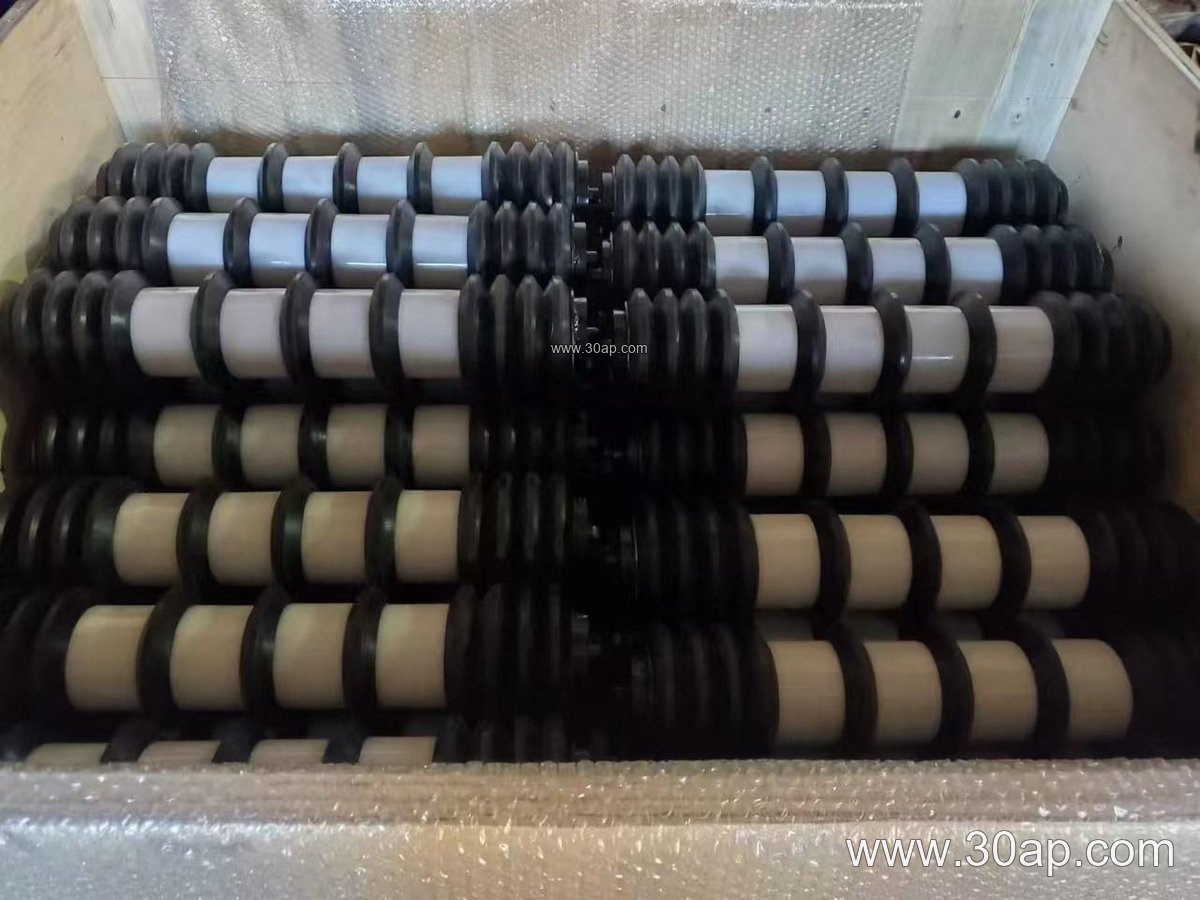
Construction and Key Components
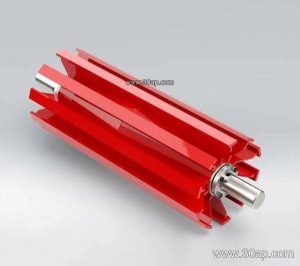
The core of a custom conveyor pulley is a steel shell, usually rolled and welded, with end discs and a shaft passing through the centre. The shaft is supported by bearing housings mounted on the conveyor bracket at each side. Lagging may be applied to the shell surface to improve grip or protect the belt.
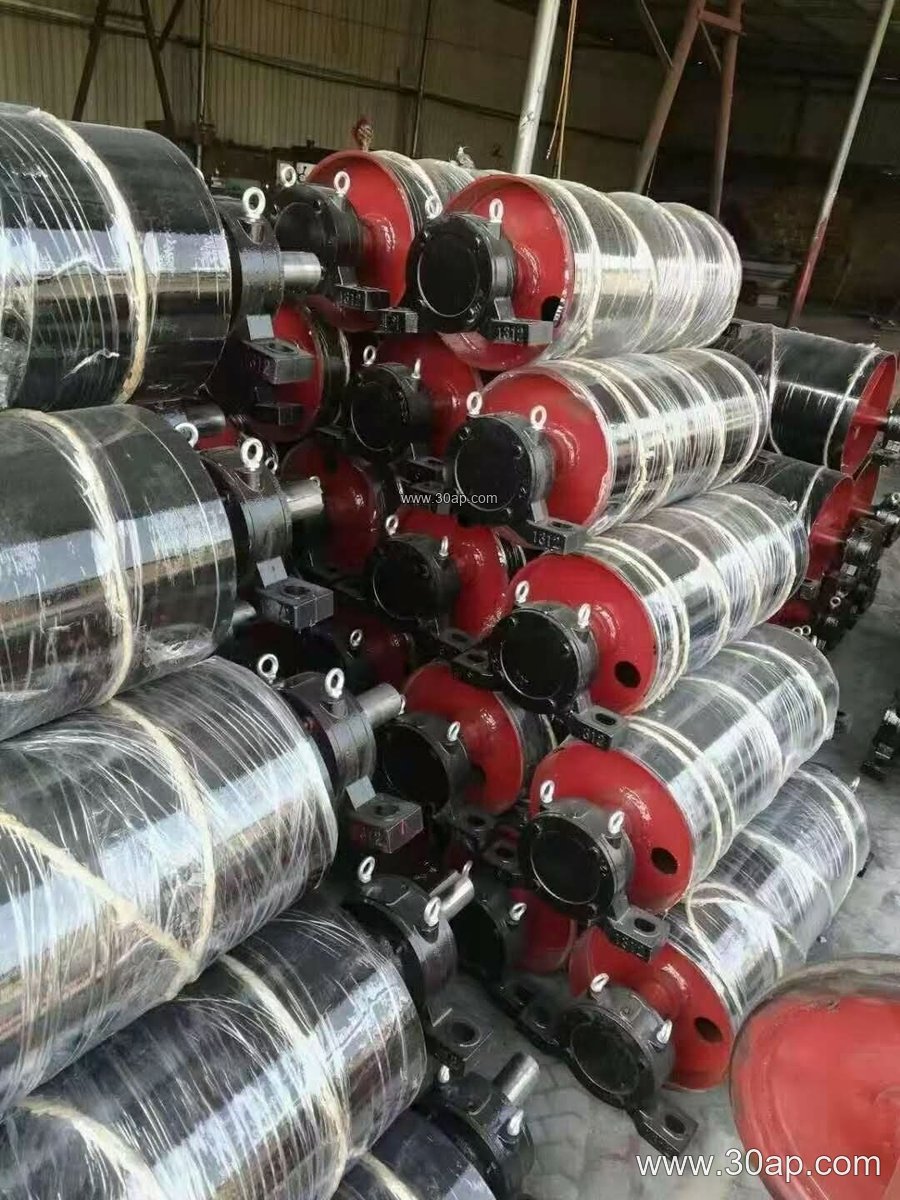
- Shell: rolled steel plate, machined or balanced for higher speeds
- Shaft: determined by torque and radial load, not by belt width alone
- Bearings and housings: selected for load, speed, and sealing needs
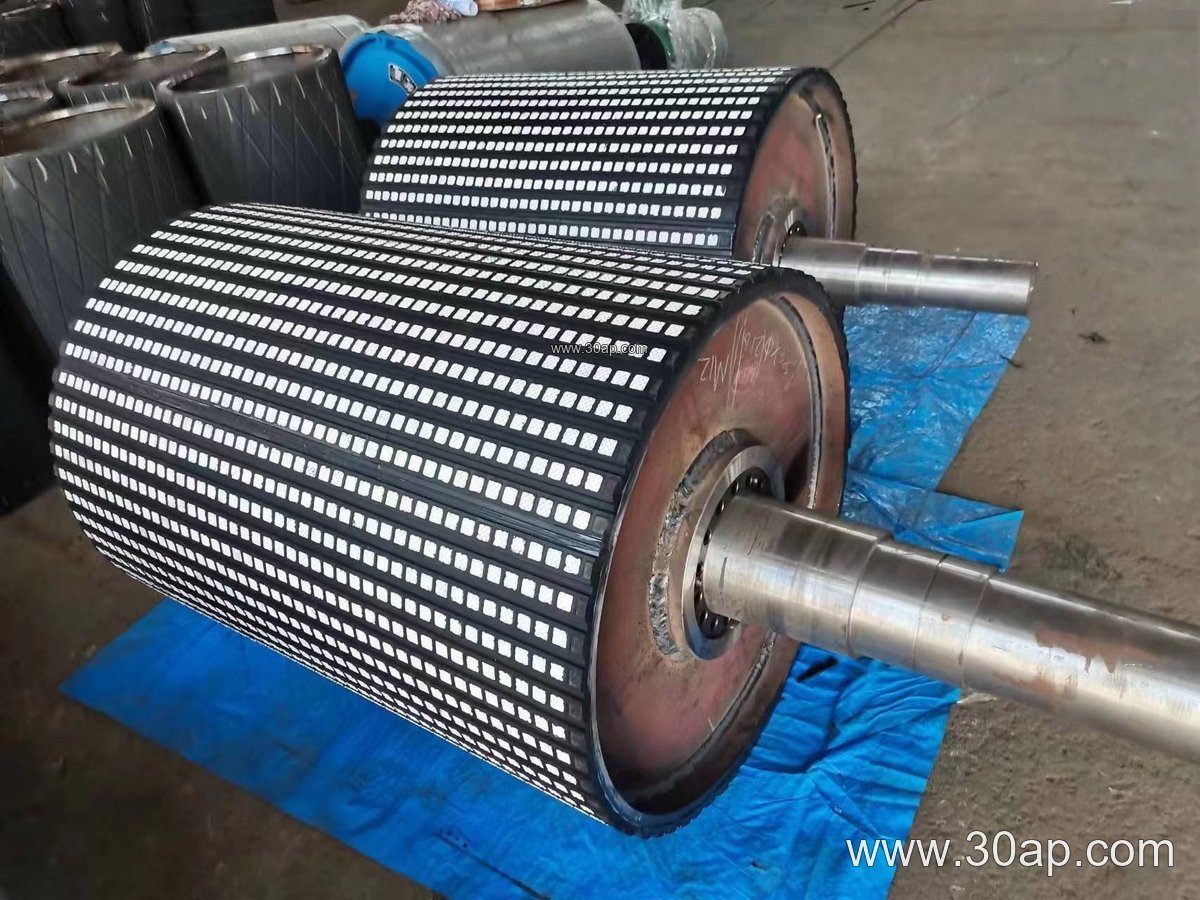
- Lagging: plain, rubber, ceramic, diamond, or herringbone patterns
- Locking arrangement: keyed, shrink disc, or clamped hub designs
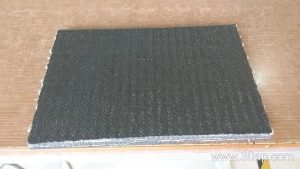
A common surface choice is rubber lagging with plain or diamond profile, often 8 to 20 mm thick. Ceramic lagging is used where wet or oily conditions reduce friction. A custom conveyor pulley may also be supplied with a crowned face for better belt tracking, or with a flat face where the belt is guided by other means.
Matching the Pulley to the Belt Line
Face width normally exceeds belt width so the belt is fully supported. Typical reference values are shown below; these are common practice, not fixed rules.
| Belt width | Typical pulley face width |
|---|---|
| B400 | about 500 mm |
| B650 | about 750 mm |
| B800 | about 950 mm |
| B1000 | about 1150 mm |
| B1200 | about 1400 mm |
| B1400 | about 1600 mm |
| B1600 | about 1800 mm |
Diameter is usually selected from a range such as Ø200, Ø320, Ø400, Ø500, Ø630, Ø800, Ø1000, or Ø1250 mm, depending on belt speed, wrap angle, and available space. A B800 conveyor might run a Ø500 tail drum while a B1200 line uses a Ø1000 drive pulley, but the combination is decided by design calculations. Shaft diameters commonly fall in the Ø50 to Ø200 mm range; the exact value follows torque and bending load, never a simple lookup from belt width.
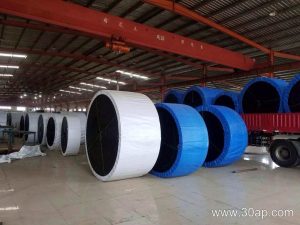
Where the belt carries abrasive ore or hot clinker, the pulley surface and the belt cover should be considered together. An abrasion resistant conveyor belt paired with rubber lagging handles sharp aggregate well, while a heat resistant conveyor belt needs a drum that will not trap heat at the shell. In underground coal mining, a flame retardant conveyor belt is matched with pulleys that meet the same fire-safety expectations for the installation.
Applications Across Bulk Handling
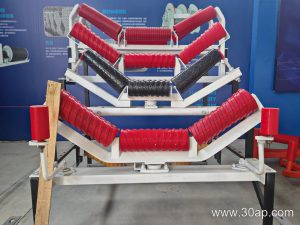
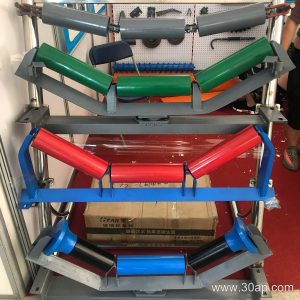
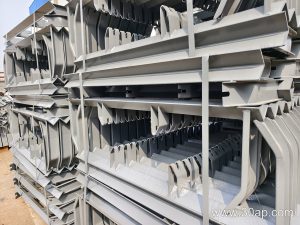
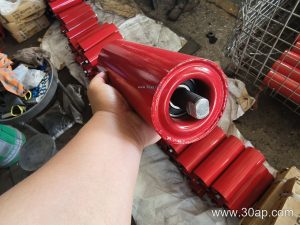
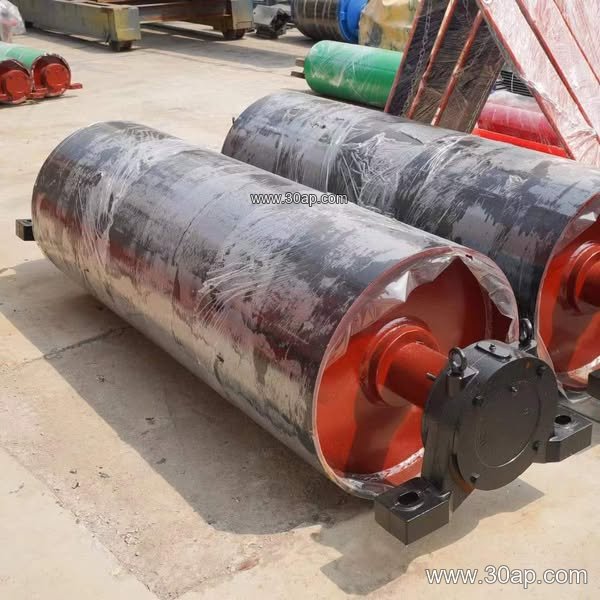
Custom pulleys appear wherever a conveyor must fit a non-standard frame. In a sand and gravel plant, the head pulley at the discharge point may need extra lagging for wet material. At a cement plant clinker line, a bend pulley redirects the belt around a transfer tower. Port bulk terminals use large face widths and heavy shells on ship loading conveyors, while a small recycling line may need a compact drum with a short shaft. The conveyor belt, idler roller, and pulley work as one system, so pulley diameter, belt tension, and troughing angle should be reviewed together.
What a Buyer Should Confirm
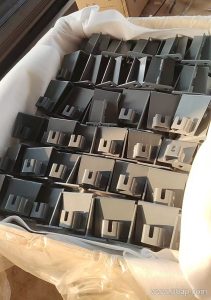
Before ordering, confirm the functional position, belt width, required face width, shaft diameter, bearing type, lagging pattern and thickness, and the environment. Ask whether the pulley will run in a dusty quarry, a wet coal preparation plant, or a hot cement kiln area, since sealing and surface choice change with conditions. Also check the conveyor bracket dimensions and the available space for drum removal. A clear duty description and a dimensioned drawing reduce the risk of a drum that fits the shaft but not the frame.
For more information on matching pulleys with conveyor belts and rollers, visit beltconveyorparts.com and review the custom conveyor pulley options alongside belt and idler selections.