What a Q235 Conveyor Bracket Does on a Conveyor Line
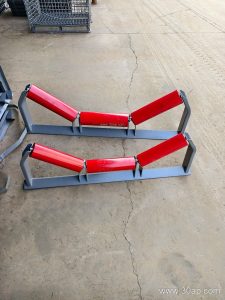
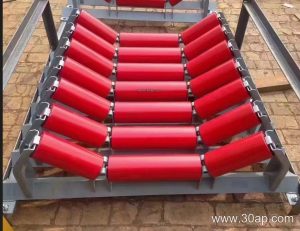
A Q235 conveyor bracket is the steel support that holds the idler roller in place and keeps the conveyor belt sitting at the intended profile. In practice, it is the interface between the frame and the rollers, so its geometry has a direct effect on belt tracking, load distribution, and how quickly maintenance can be carried out. Because Q235 is a common low-carbon structural steel, the bracket is usually easy to weld, drill, and form, which makes it a practical choice for both standard and customized conveyor frames.
The same product is also described as a Q235 idler bracket or Q235 roller support bracket. These names refer to the same item; they are not different product families. When the bracket is combined with a conveyor pulley at the head or tail of the line, the two parts perform separate duties and should not be treated as interchangeable.
How the Bracket Is Typically Built
Most brackets are fabricated from angle steel, channel steel, or folded steel plate. The fabrication route is usually straightforward: cutting, punching or drilling mounting holes, bending to the required trough angle, and then welding the roller seats or mounting tabs. A simple finish, such as priming or painting, is common for general-duty service, while galvanized or coated versions may be considered where moisture or dust is a concern.
Key dimensional features include the mounting hole spacing, the crossbeam length, and the roller seat position. These are not fixed numbers. They change with belt width, trough angle, and the roller diameter selected for the line. For that reason, a bracket drawing should always be checked against the actual frame and roller arrangement before production.
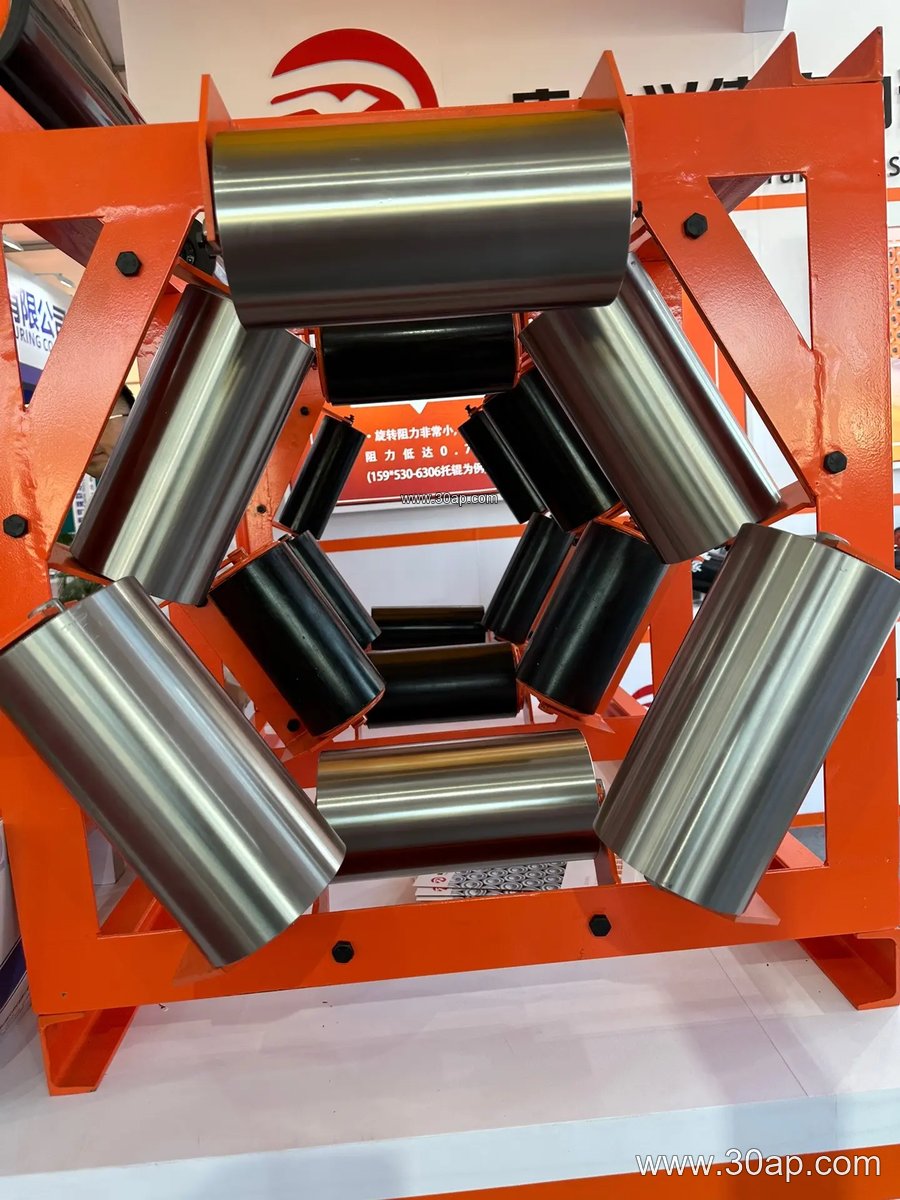
Common Types and Where They Sit
Brackets appear at several points along a conveyor. Troughing brackets support the carry side and set the trough angle. Return brackets support the belt on its way back, and V-return brackets help center the belt on the return run. Transition brackets are used where the belt changes shape near a pulley, while impact brackets are placed under loading points to absorb shock. Self-aligning and forward-leaning designs are chosen when belt tracking needs extra attention.
- Troughing and upper trough brackets for the carrying run
- Return and V-return brackets for the lower run
- Transition brackets near head and tail stations
- Impact brackets below chutes and loading zones
- Adjustable brackets where the trough angle may need to change
Adjustable versions allow the trough angle to be set within a range, commonly between 20 and 45 degrees, which is useful when a line handles different materials or when fine tuning is needed after installation. Forward-leaning brackets usually use a small lead angle of about 1.5 to 2 degrees to assist tracking.
Matching Bracket, Belt, and Roller
The bracket should be selected together with the belt width and roller diameter, not in isolation. A B800 line running at 35 degrees with Ø108 rollers is a common arrangement, and a B1200 line at 45 degrees with Ø133 rollers is another. A narrower B650 line at 30 degrees with Ø89 rollers may suit lighter duty. These are examples only; no single belt width is tied to one trough angle or one roller diameter.
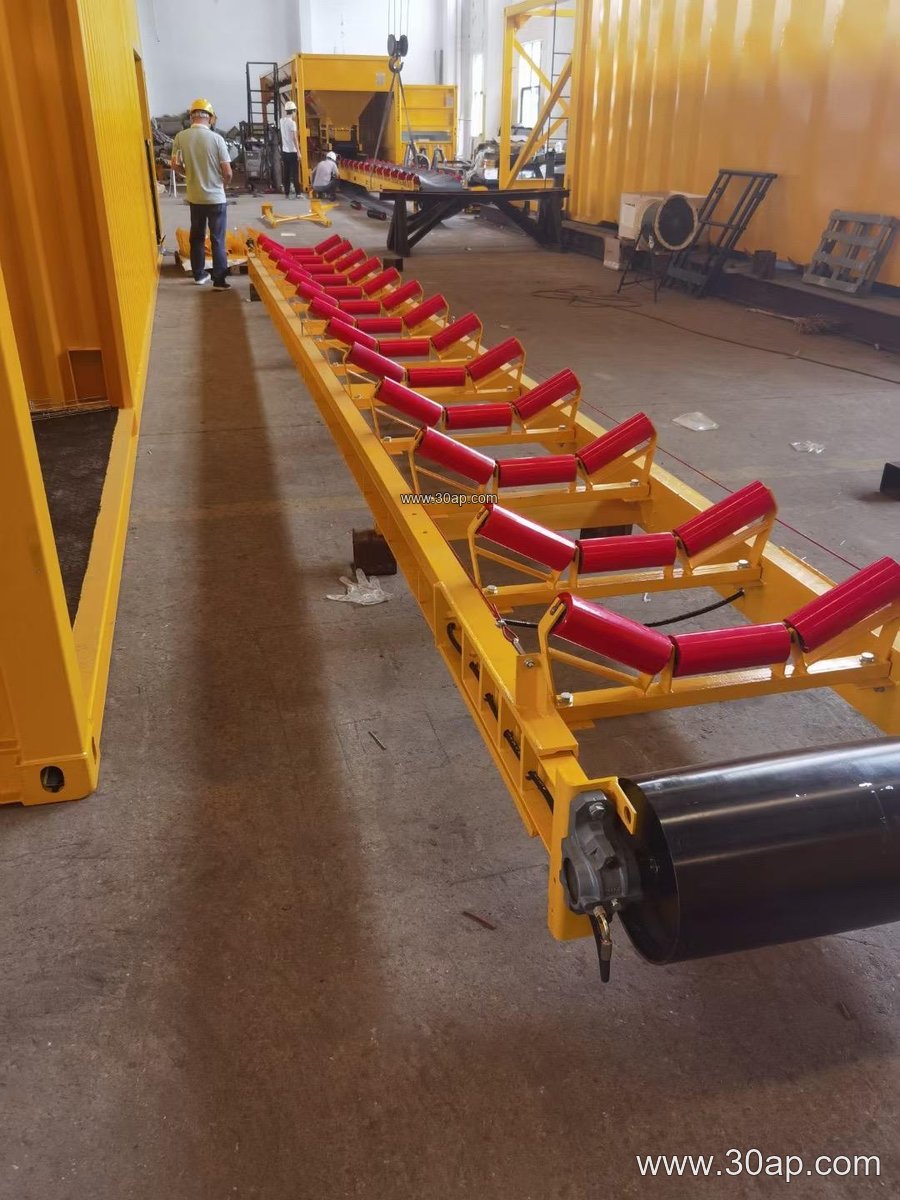
The belt itself also matters. A heavy-duty mining conveyor belt or a high abrasion resistant conveyor belt may call for a more robust bracket and roller set than a light bulk material conveyor belt. In dusty or wet conditions, an anti-static conveyor belt or a flame retardant conveyor belt may be specified, and the bracket layout should still allow clear access for inspection and roller replacement. For long overland lines, a steel cord conveyor belt may be used, while shorter in-plant runs often use an EP conveyor belt or NN conveyor belt.
Where Q235 Brackets Are Used
These brackets are found in quarry and aggregate lines, cement plants, power plant coal handling, and iron ore or copper ore operations. They also appear in sand and gravel plants, crushing and screening circuits, and port bulk handling. In each case, the working environment shapes the choice: a washdown area may favor coated steel, while a dry indoor transfer point may need only a standard painted bracket.
For a complete station, the bracket works alongside the conveyor belt, idler roller, and conveyor pulley. A well-matched bracket keeps the roller square to the frame, which in turn helps the belt run centered and reduces edge damage. More conveyor bracket details and related components can be reviewed at www.beltconveyorparts.com before finalizing a specification.
Buyer Checklist Before Ordering
Confirm the belt width, trough angle, roller diameter, and mounting hole spacing first. Then check the frame beam size and the available installation space. Ask for the material grade and surface treatment, and confirm whether the bracket is fixed or adjustable. For replacement work, a dimensioned drawing of the existing bracket is often the fastest way to avoid a mismatch. Finally, consider the maintenance plan: a bracket that allows quick roller changes will usually save time over the life of the line.