What an Impact Idler Bracket Does
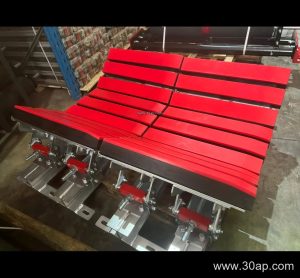
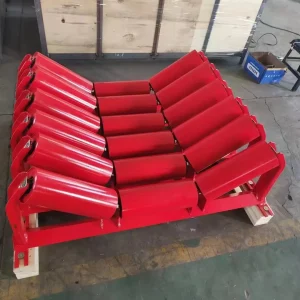
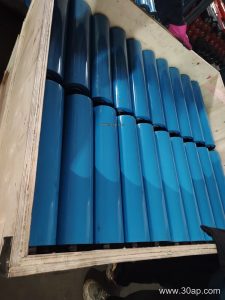
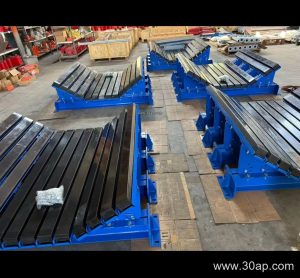
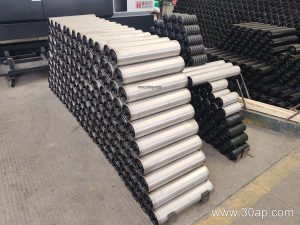
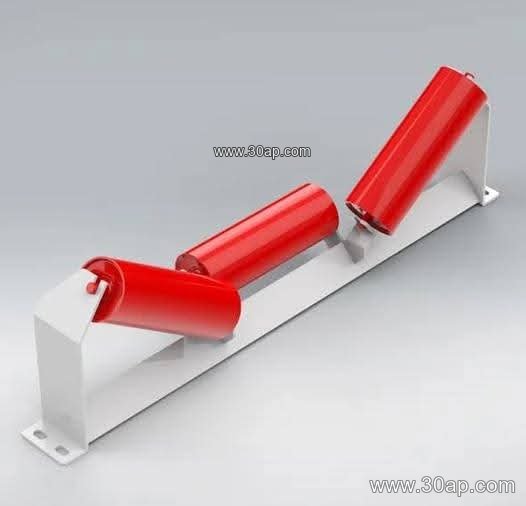
An impact idler bracket is the mounting frame that holds the impact idlers directly beneath a conveyor loading point. Where a standard troughing bracket carries the belt along the run, this bracket sits in the zone where material first lands, so it has to absorb repeated shock while keeping the idler rolls in the correct position. In a quarry, a coal handling plant or a crushing circuit, the difference between a well-supported loading zone and a weak one shows up quickly in belt damage and downtime.
The impact idler bracket is also called an impact roller bracket or shock-absorbing idler frame. Both names describe the same component; the bracket itself does not cushion the belt, but it positions and supports the impact idlers that do.
How the Bracket Is Built
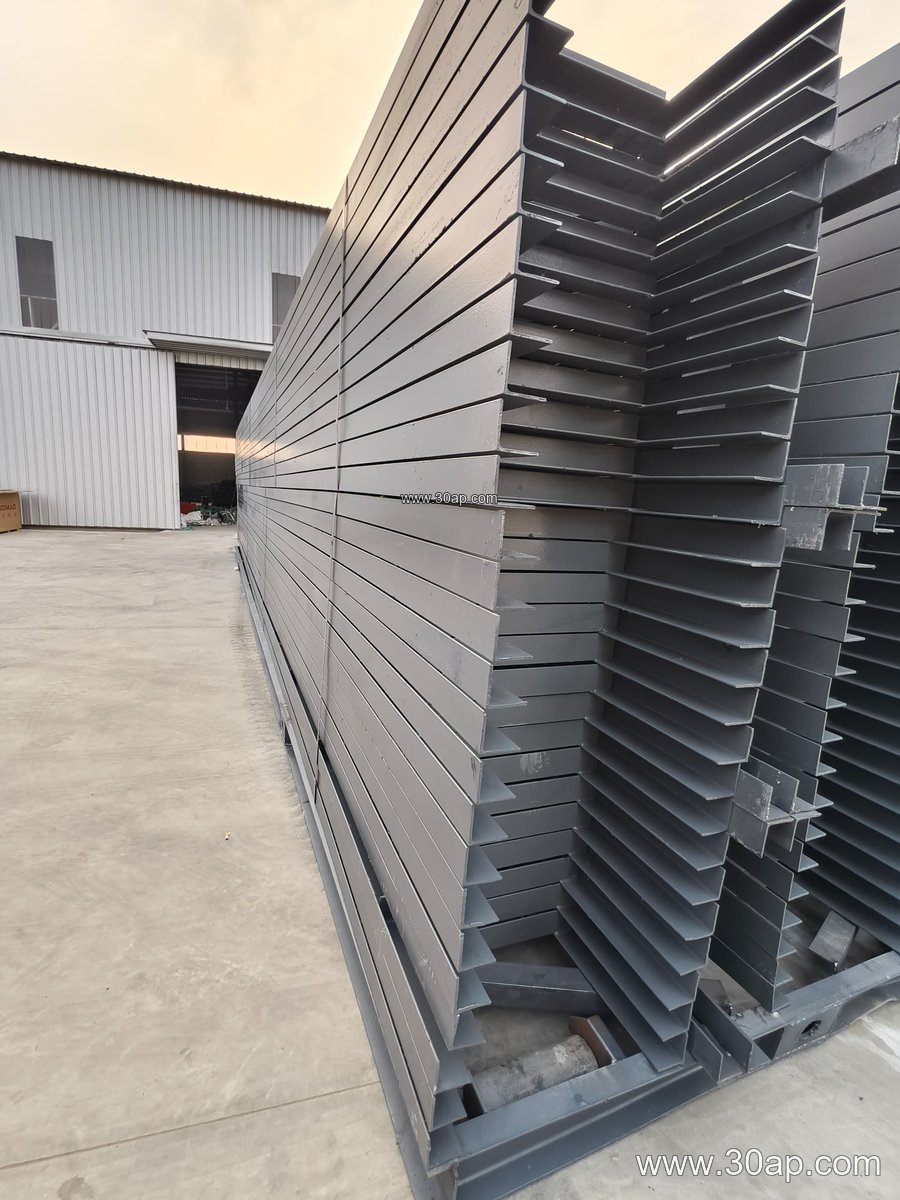
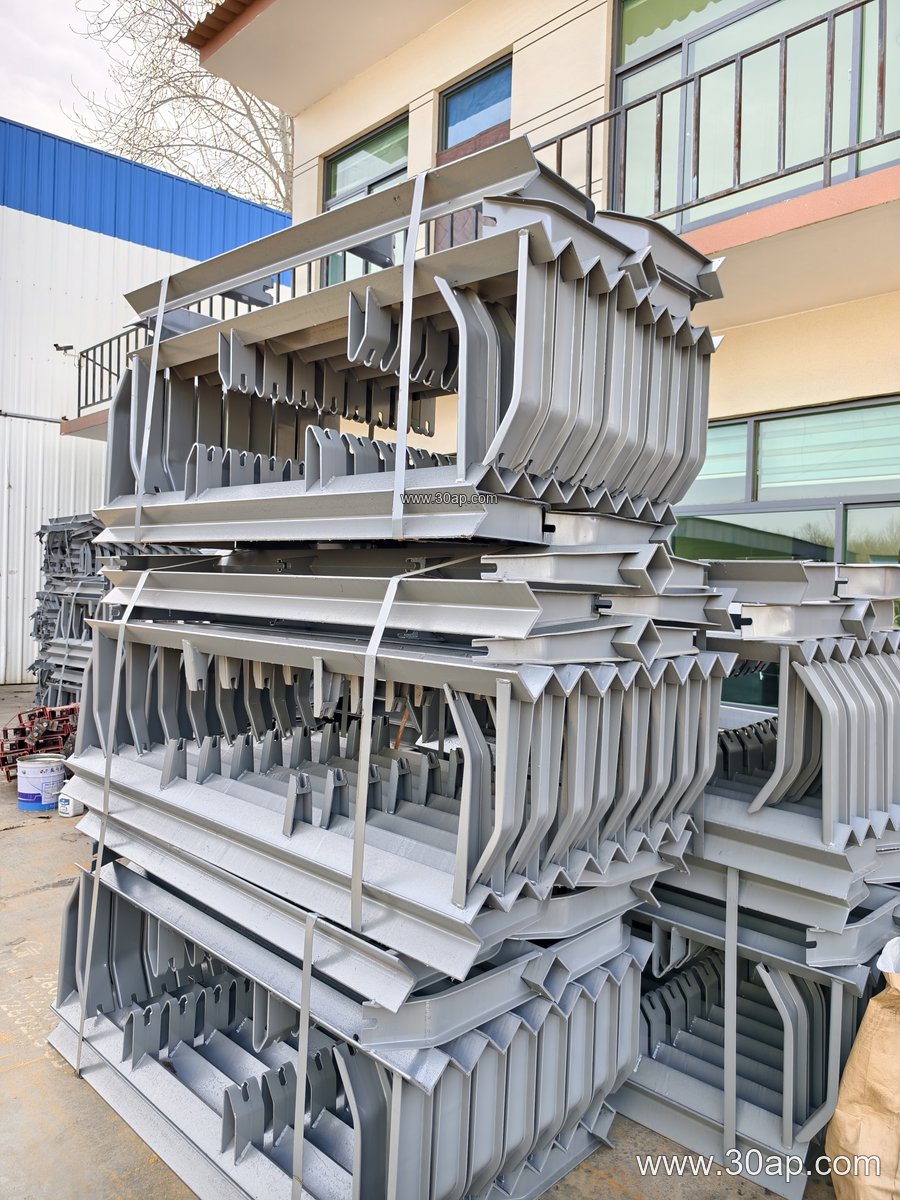
Most impact idler brackets are fabricated from angle steel, channel steel or folded steel plate. The frame is welded or bolted into a rigid assembly with mounting slots or holes that match the conveyor stringer spacing. Because the loading zone takes the heaviest punishment, the bracket usually has thicker sections and reinforced corners compared with a standard troughing bracket.
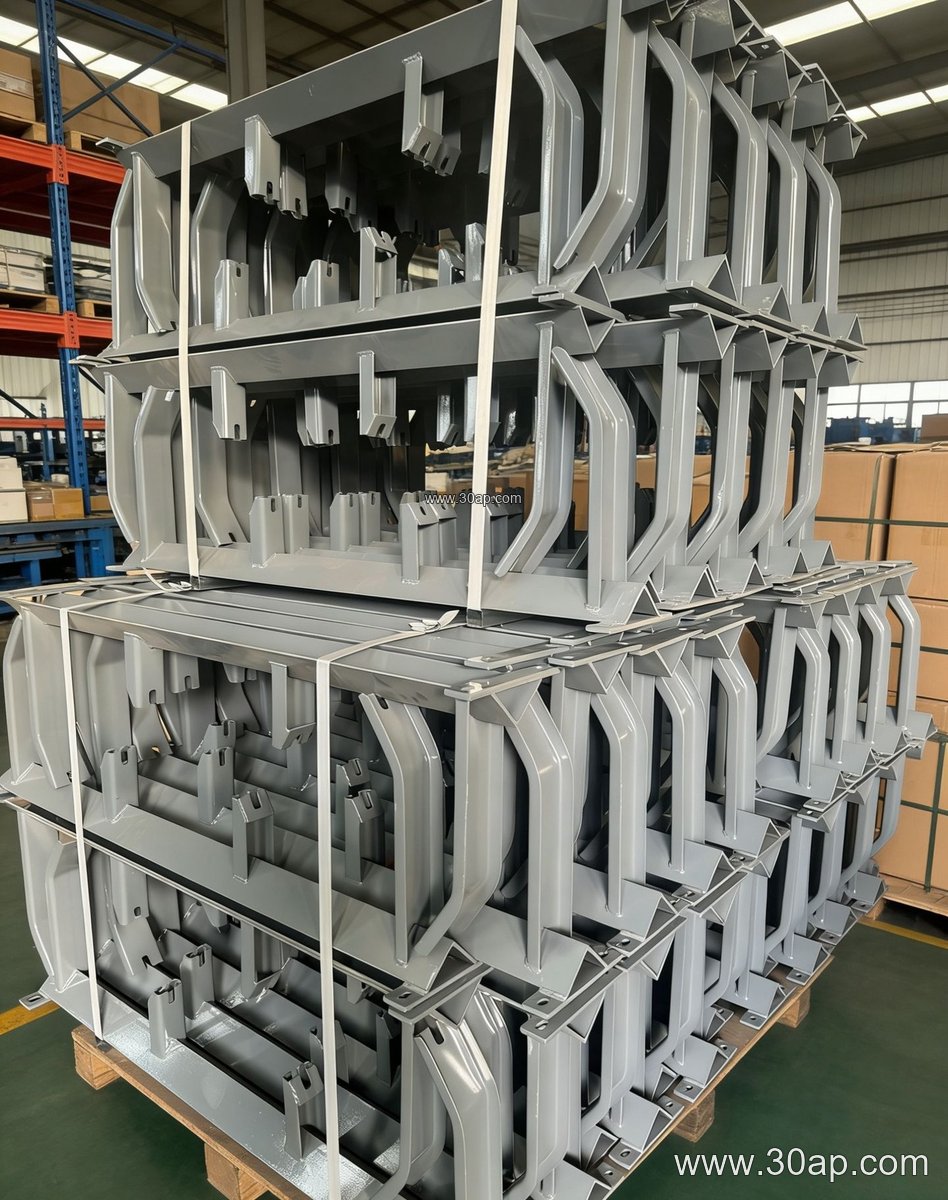
Two common arrangements exist. A fixed impact bracket holds the idlers at a set trough angle, while an adjustable type allows the trough angle to be changed on site. Adjustable brackets are useful where the material flow or belt tracking needs fine tuning after commissioning.
Typical reference data for impact idler brackets:
| Parameter | Common range |
|---|---|
| Belt width | B500, B650, B800, B1000, B1200, B1400, B1600, B1800, B2000 |
| Trough angle | 20°, 30°, 35°, 45° (adjustable frames cover several of these) |
| Idler diameter | Ø89, Ø108, Ø133, Ø159, Ø194 |
| Frame material | Angle steel, channel steel, folded plate |
These values are reference points, not fixed combinations. A B1200 conveyor may run 35° or 45° troughing with Ø133 or Ø159 idlers depending on the design, and mounting hole spacing and crossbeam length follow the belt width and trough angle rather than a single standard number.
Where It Fits on the Conveyor
The bracket is installed at the transfer point, just downstream of the chute or hopper. Above it, the conveyor belt receives the falling load; below it, the impact idlers spread the force across several rolls instead of one. This is the same area where skirt rubber and loading skirts are fitted, so the bracket must leave room for them.
In a limestone mine or a cement plant, the loading zone often handles lumpy, abrasive material. A high abrasion resistant conveyor belt helps, but the belt still needs proper support. In a power plant coal yard, a flame retardant conveyor belt is common, and the impact bracket protects it from the sharp edge of falling coal. In a sand and gravel line, an EP conveyor belt or a multi-ply fabric core conveyor belt may be used, and the bracket keeps the belt from sagging between idlers under the strike of stone.
Loading points are not the only place a bracket matters. Transition zones between the tail area and the first troughing set also benefit from stable framing, though the impact bracket is specifically tied to the load impact zone rather than to the drive or tail pulley.
Choosing the Right Bracket
Buyers should start with the belt width, the expected lump size and the fall height. A higher drop and larger lumps call for a heavier bracket and impact idlers with rubber rings. The trough angle should match the rest of the carrying run so the belt does not twist; a 35° or 45° trough is common on wide belts, while narrower belts often use 20° or 30°.
Check the following before ordering:
- Belt width and the stringer spacing on the existing conveyor
- Idler diameter used elsewhere on the same conveyor
- Fixed or adjustable trough angle
- Mounting hole pattern and crossbeam length
- Space for skirt boards and chute clearance
Also confirm whether the frame is bolted or welded to the stringers. A bolted design is easier to replace after wear, which matters in a crusher conveyor belt line where the loading zone is rebuilt periodically.
Maintenance and Common Mistakes
Inspect the bracket whenever impact idlers are replaced. Bent crossbeams, elongated bolt holes and cracked welds are signs that the frame has been overloaded or that the chute is discharging off center. Correcting the material stream is often cheaper than replacing brackets every few months.
Do not substitute a standard troughing bracket at the loading point simply because it fits the same holes. The impact idler bracket is designed for shock, and a lighter frame will flex and wear out the idlers. Likewise, keep the idler diameter consistent with the bracket design; mixing sizes can change the belt line and cause tracking problems.
For a reliable loading zone, pair the bracket with suitable impact idlers, a properly aligned chute and a belt that matches the material, whether that is an abrasion resistant conveyor belt in a quarry or a heat resistant conveyor belt near a kiln discharge. The bracket is a small part, but it decides how long the belt and idlers around it will last.