What an Aggregate Conveyor Pulley Does on a Crushing Line
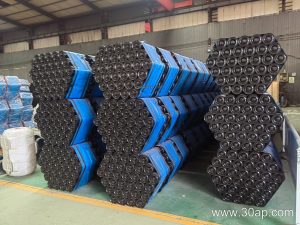
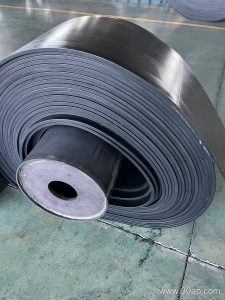
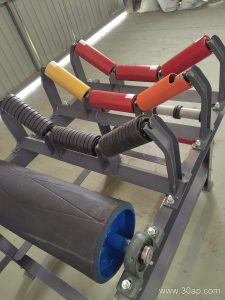
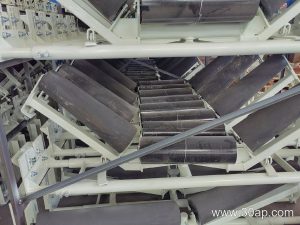
An aggregate conveyor pulley is the rotating drum that turns a conveyor belt and keeps it tracking through a crushing, screening or stockpiling circuit. On a gravel or limestone operation it usually works together with a heavy-duty aggregate conveyor belt, a series of idler rollers and a conveyor bracket system that holds everything in line. The pulley is not just a wheel at the end of the frame; it is the component that transfers drive torque, sets belt tension and guides the return strand.
Because an aggregate conveyor pulley often runs outdoors and handles sharp, abrasive rock, its build quality matters as much as its diameter. A drum that flexes or wears thin will quickly damage the belt edge and shorten service life across the whole line.
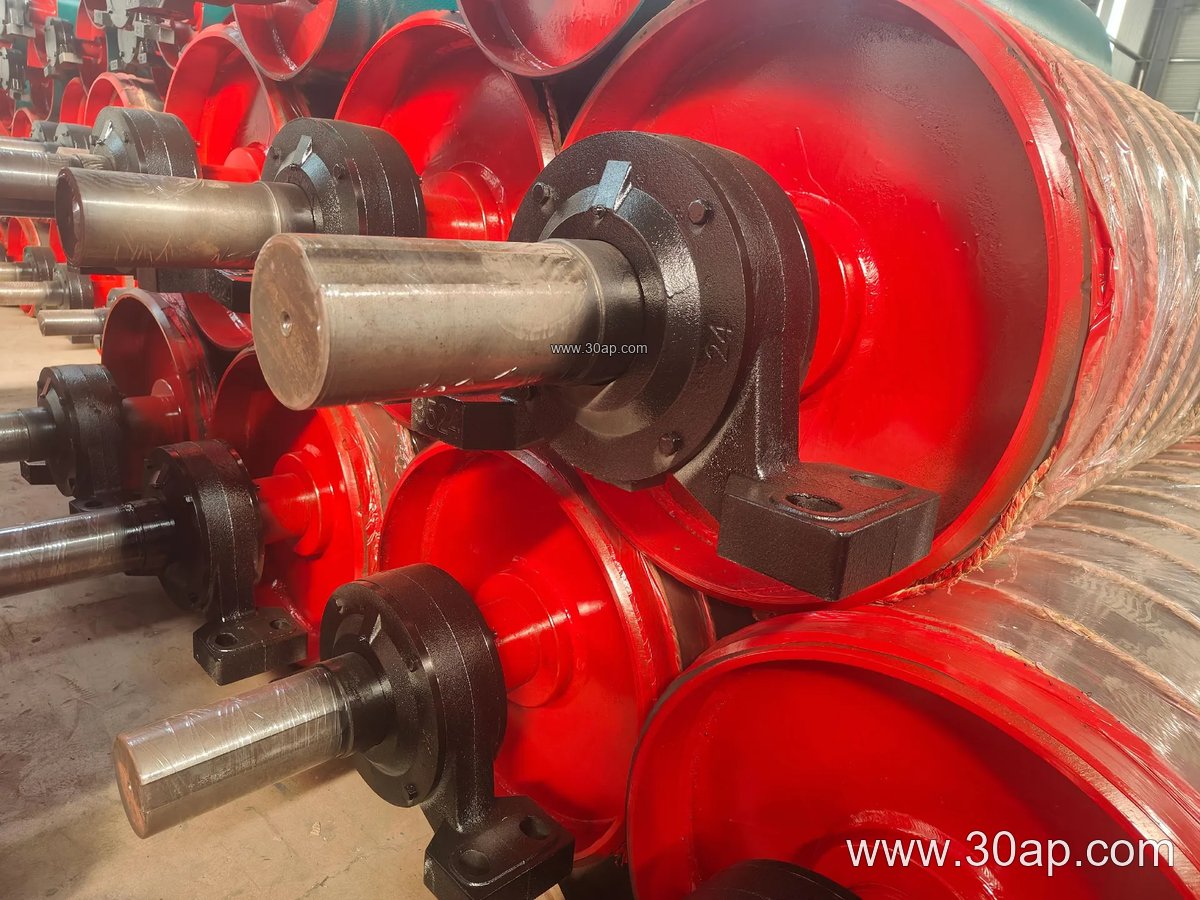
How the Drum Is Built
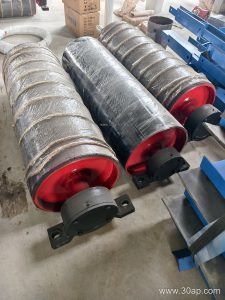
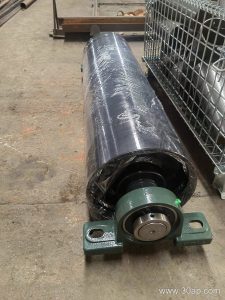
Most units start with a rolled steel shell that is machined and balanced before the shaft is fitted. The shaft is sized by torque and bending load rather than by belt width alone, so a B800 frame might use a shaft anywhere from Ø80 upward depending on the drive and load case. End discs, hubs and a locking assembly complete the body. Surface finish is a separate decision, and it is often where buyers spend the most time.
- Plain face for clean, lightly loaded return positions.
- Rubber lagging applied cold, hot-vulcanised or cast onto the shell to raise grip.
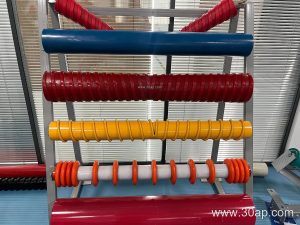
- Diamond or herringbone grooving to shed water and fines in wet quarry conditions.
- Ceramic lagging where slip and abrasion are both severe.
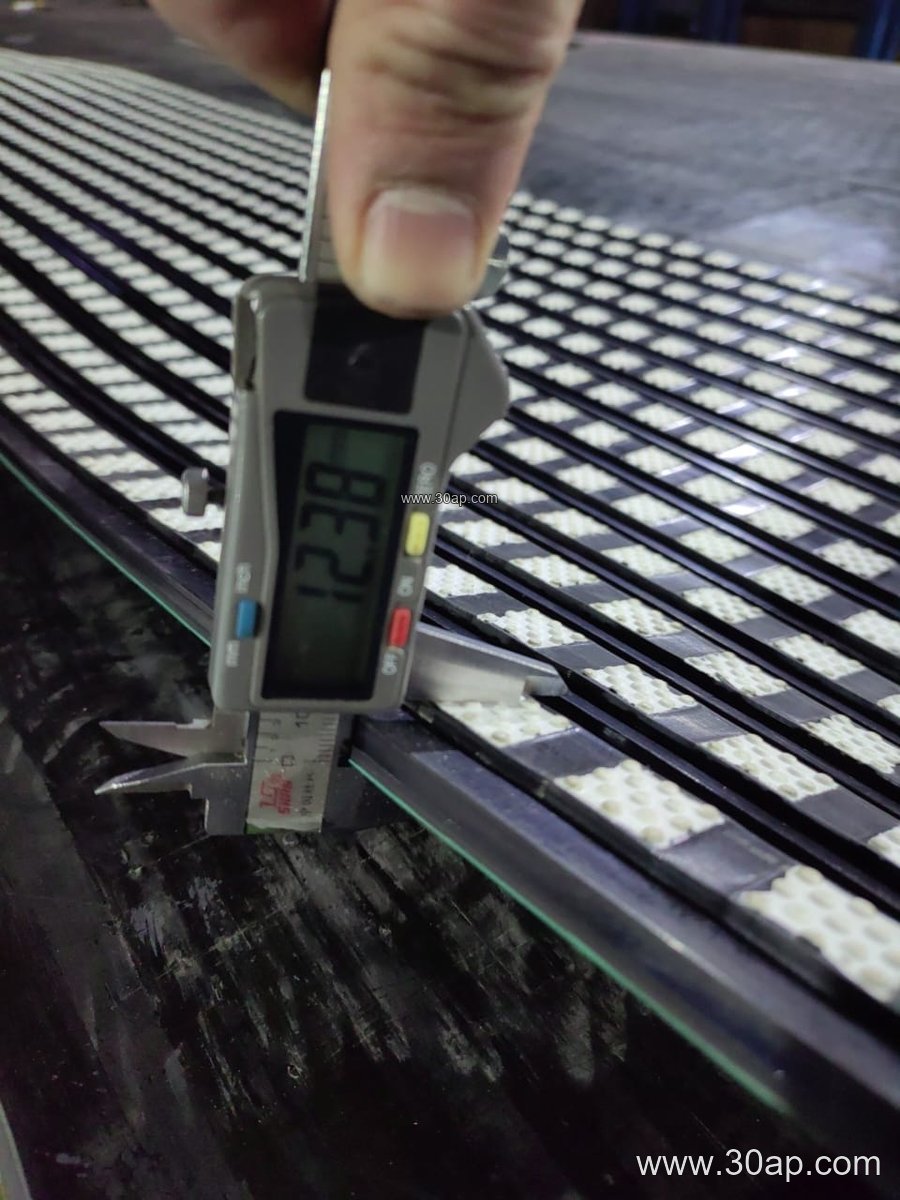
Common lagging thicknesses are 8, 10, 12, 15 and 20 mm. The shell face is usually wider than the belt, for example about 1150 mm of face for a B1000 belt, which leaves room for misalignment without exposing the drum edge.
Drive, Tail and Bend Positions Are Not the Same
A drive or head pulley pulls the belt and must deliver traction, so it is normally lagged and often the largest drum in the circuit. A tail pulley at the feed end turns the belt back and may need a self-cleaning or wing design to shed spillage. A bend pulley changes belt direction on the return run and carries far less load. These are distinct roles; a bend drum cannot simply replace a drive unit, and a tail drum is not a substitute for a head drum. When specifying, state the position clearly, since it changes shell thickness, lagging and shaft size.
Matching the Pulley to the Belt and the Duty
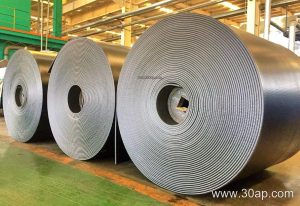
The belt grade and the drum should be chosen together. A multi-ply fabric core belt on a secondary screen line may work with a moderate diameter, while a steel cord belt on a long overland section needs a larger drum to limit bending stress in the cord. Abrasion resistant and impact resistant covers are common in primary crushing, and flame retardant grades appear where dust or coal is present. A pipe conveyor belt or a corrugated sidewall belt may call for different pulley face details, so confirm the belt construction before ordering.
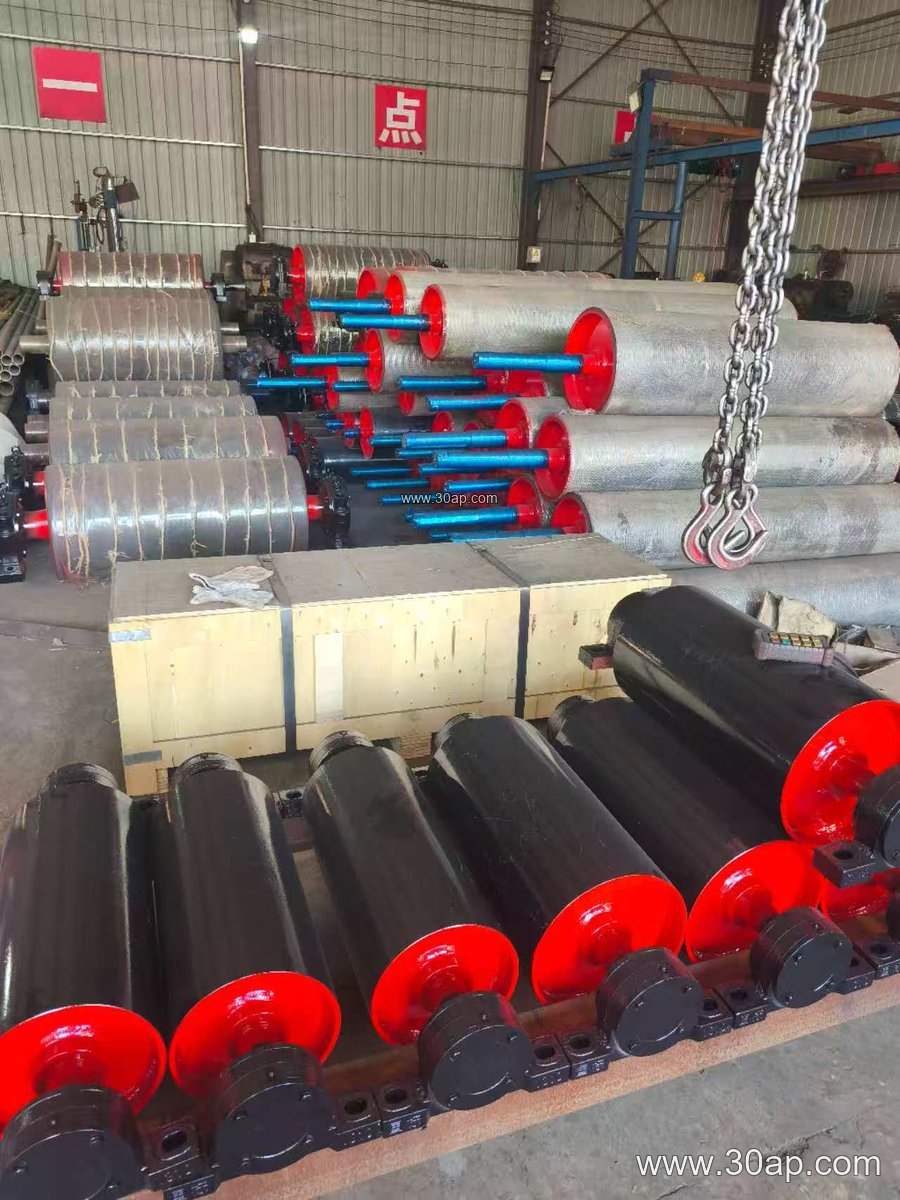
Typical reference combinations include B800 with Ø500, B1200 with Ø1000 and B1400 with Ø800, but these are examples only. Diameter should follow belt tension, wrap angle and the belt manufacturer’s minimum bend radius.
Where It Fits in the Plant
In a sand and gravel pit the aggregate conveyor pulley sits at the discharge of a screen or under a stockpile stacker, often exposed to dust and wash water. In a cement plant it may handle clinker on a hot, gritty line, and in a power plant coal yard it works alongside a coal mining conveyor belt under continuous load. Each site changes the lagging choice and the maintenance interval.
Buyer Checklist
- Confirm position on the conveyor and the belt width, such as B650, B1000 or B1400.
- State drum diameter and face width, plus shaft diameter if already fixed by the frame.
- Choose lagging type and thickness for grip, cleaning and wear.
- Check bearing size, sealing for dust and water, and the locking arrangement.
- Ask for balance and runout data, and confirm the drum suits the belt’s minimum bend radius.
For related components, see the range at yy conveyor belt, idler roller and conveyor pulley pages, and review conveyor bracket details before finalising the assembly. A correctly matched drum, belt and roller set keeps a quarry or cement line running with fewer stoppages.