What the ST1250 Conveyor Belt Is
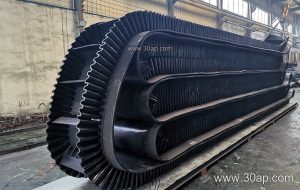
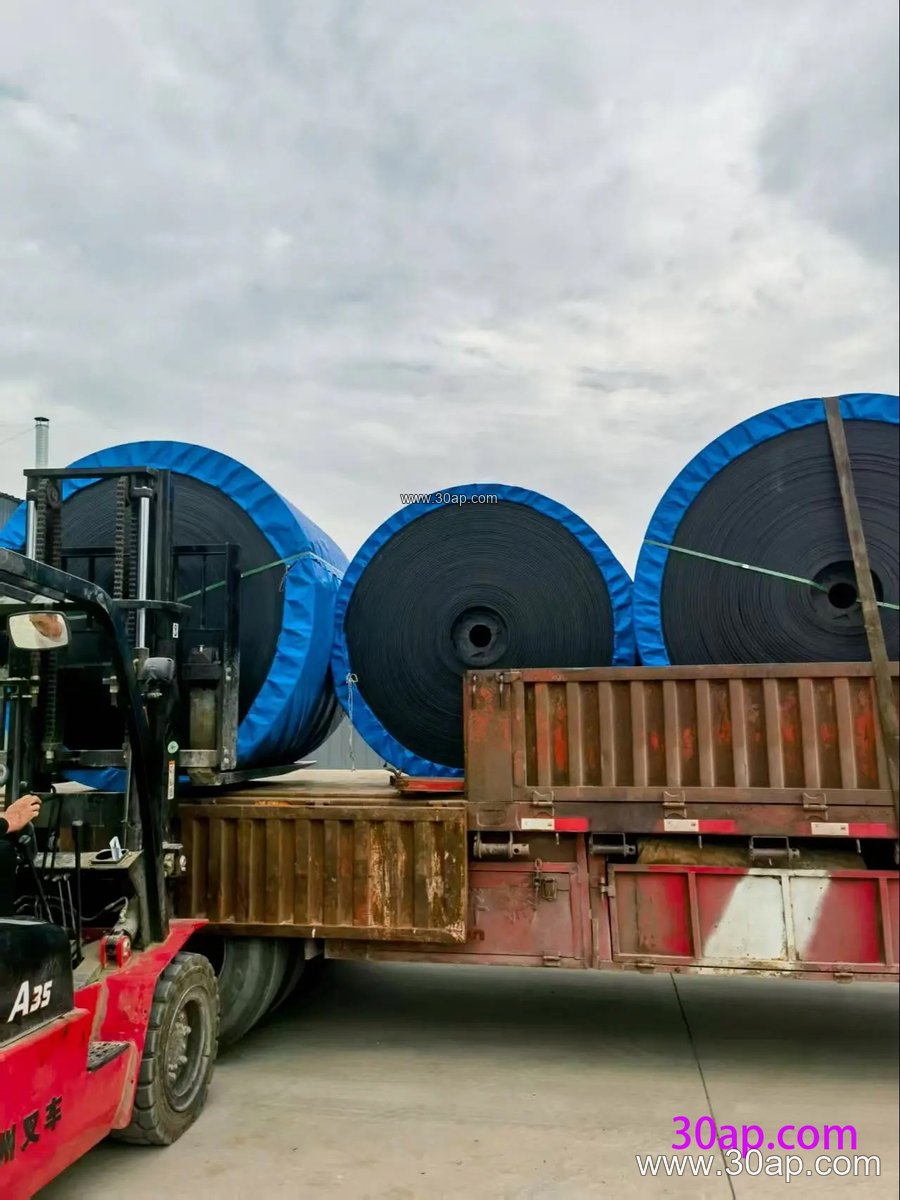
An ST1250 Conveyor Belt is a steel cord conveyor belt rated for a nominal tensile strength of 1250 N/mm per unit width. It belongs to the Steel Cord Conveyor Belt family, where the load-bearing element is a layer of parallel steel cords embedded in rubber rather than woven fabric plies. That construction makes it a High Strength Conveyor Belt suited to long centre distances, steep inclines and heavy bulk material flows where fabric carcasses such as an EP Conveyor Belt or NN Conveyor Belt would need too many plies or become impractical.
Because the cords carry tension with very little elongation, an ST1250 belt can run over comparatively small pulleys while keeping take-up travel within a reasonable range. It is often grouped with other Heavy-Duty Conveyor Belt grades used in mine and plant duty, and it is frequently specified alongside an Abrasion Resistant Conveyor Belt cover compound when the material is sharp or hot.
How the Belt Is Built
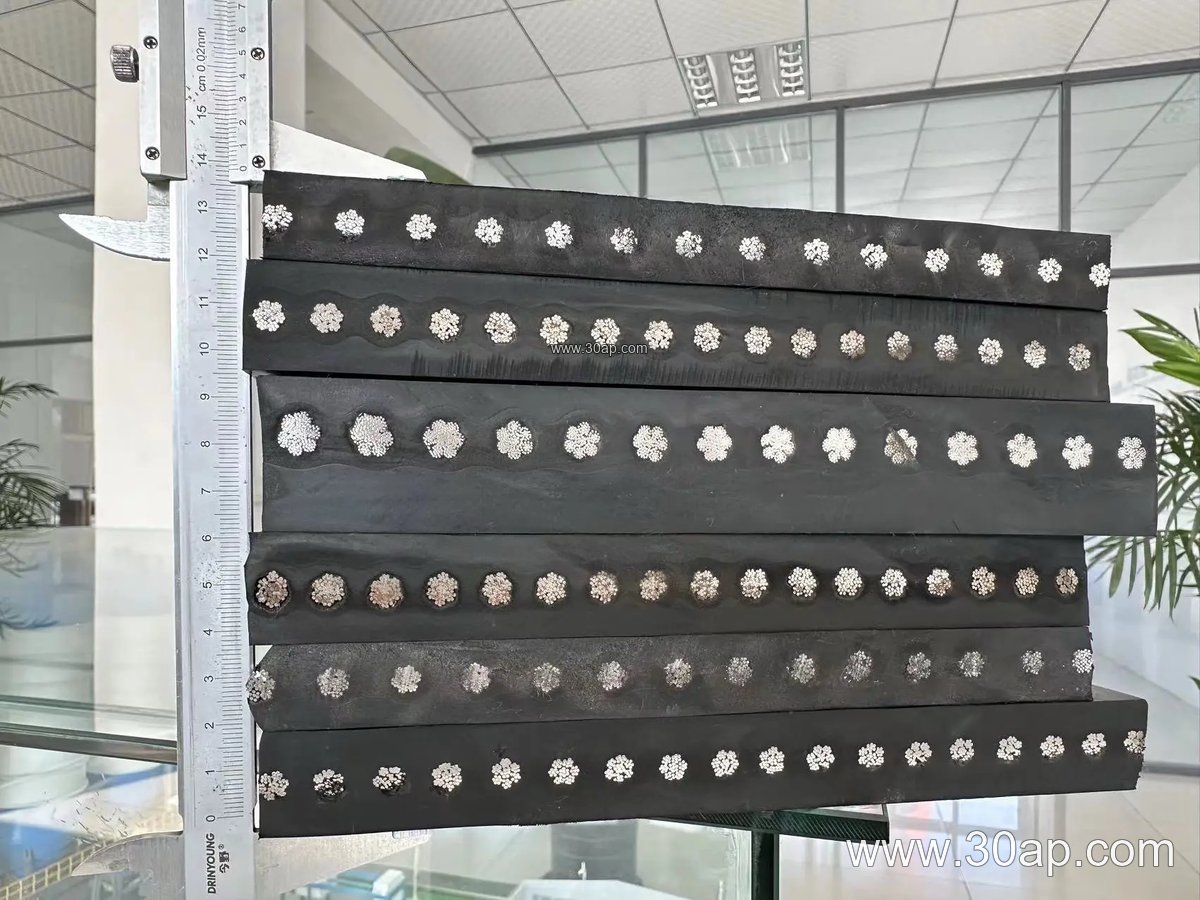
The carcass is made from high-carbon steel cords, usually brass-plated to bond to the rubber, laid parallel at a defined pitch. A core rubber layer fills the spaces between cords, and top and bottom cover compounds are applied by calendering and vulcanisation. The result is a stiff, strong belt with good troughability when the cord pitch and cover gauges are correctly matched to the idler roller arrangement.
- Carcass: parallel steel cords, single-plane reinforcement
- Cover: abrasion resistant, heat resistant, flame retardant or oil resistant grades depending on duty
- Edges: cut or moulded, often with reinforced edge protection on wide belts
- Splices: hot-vulcanised stepped or finger splices, or mechanical fasteners for temporary repairs
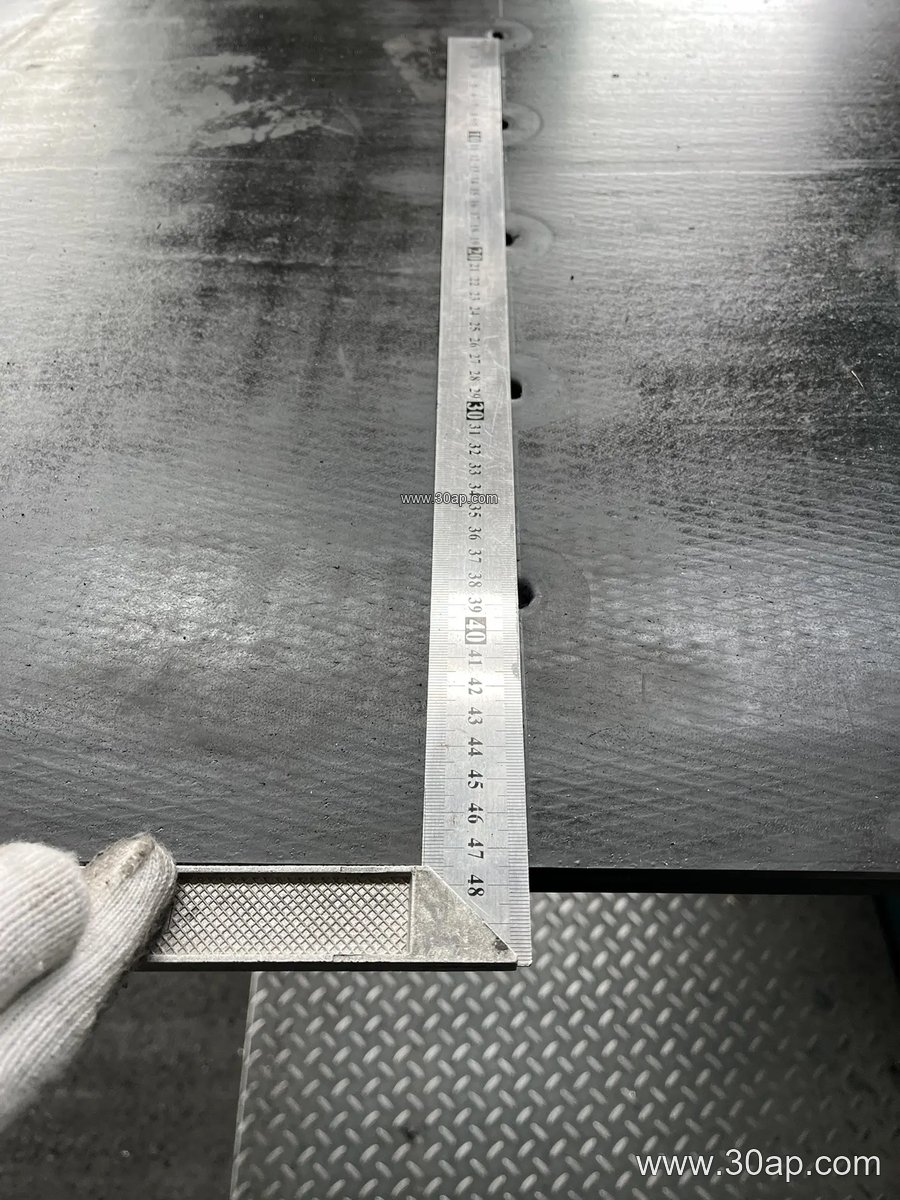
Cover thickness is commonly quoted as 4+2, 5+2, 6+2 or 8+3 mm, and buyers should state the exact gauges required rather than assuming a default. Belt widths are usually selected from B800, B1000, B1200, B1400, B1600, B1800 or B2000 depending on tonnage and lump size; a 1200mm Wide Conveyor Belt and an 1800mm Wide Conveyor Belt serve very different duties, and neither width dictates a single pulley diameter.
Where It Fits in the Plant
This grade is common in mining, coal preparation, cement, power generation, steel plants, ports and large quarry operations. Typical duties include raw ore transport, coal Mining Conveyor Belt service on main trunk lines, clinker and limestone handling in a Cement Plant Conveyor Belt circuit, and ship loading where a long, high-tension run is needed. In underground work, a flame retardant or anti-static version may be specified to meet site safety rules, though the exact compound must be agreed with the belt maker.
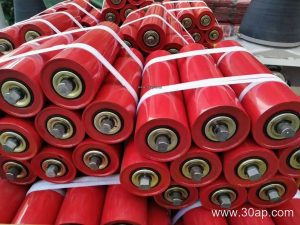
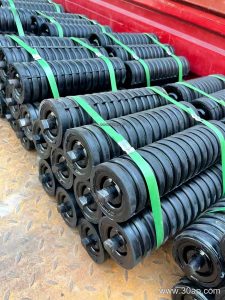
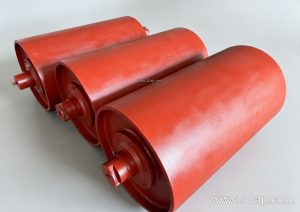
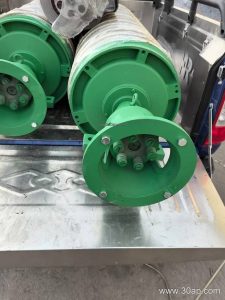
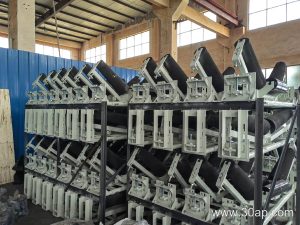
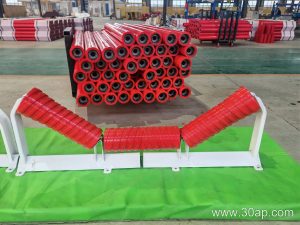
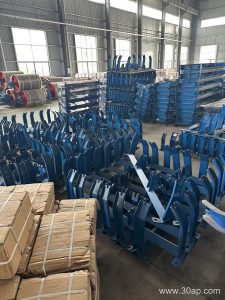
The belt does not work alone. A conveyor pulley at the drive and tail ends, correctly sized idler roller sets on the carrying and return sides, and sturdy conveyor bracket assemblies all influence belt life. Poor alignment at a bend pulley or seized idlers can damage even a strong carcass, so mechanical condition matters as much as belt grade.
Selection Points for Buyers
Before ordering, confirm the design tension, the duty compound, the cover gauge, the belt width and the splice method. A belt rated at 1250 N/mm still needs a safety factor agreed with the conveyor designer, and the pulley diameters, take-up stroke and starting torque should be checked against the cord construction. For wet, oily or hot cargo, consider a Heat Resistant Conveyor Belt or Oil Resistant Conveyor Belt cover rather than a standard compound. Where a closed run is preferred for dust control, a Pipe Conveyor Belt is a different product and should not be treated as a substitute for this open-trough design.
For general plant conveyors handling smaller tonnages, an EP1000 Conveyor Belt or EP1250 Conveyor Belt may be more economical, while very long overland lines often move up to ST1600 or ST2000. Buyers should ask for the cord pitch, cover hardness, elongation at break and recommended minimum pulley diameter in writing, and should keep spare splice material on site.
Installation and Care
Store belts on a dry, shaded surface, avoid sharp folds, and inspect edges after each splice. Track alignment weekly, check idler roller rotation, and confirm that the conveyor pulley lagging is not worn smooth. Keep the belt cleaner and skirt rubber adjusted so spillage does not get trapped. A well-maintained ST1250 Conveyor Belt on a properly aligned conveyor can give long service in demanding stone, ore and cement duty.