What a 315mm Diameter Conveyor Pulley Is
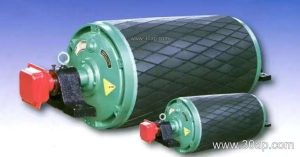
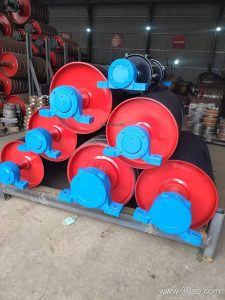
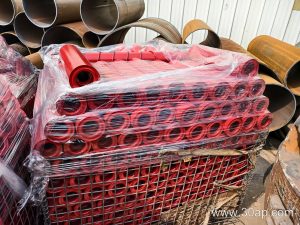
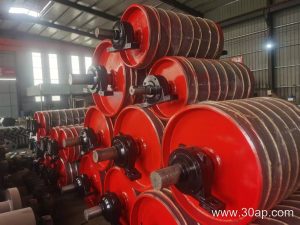
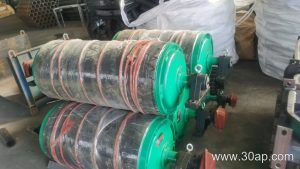
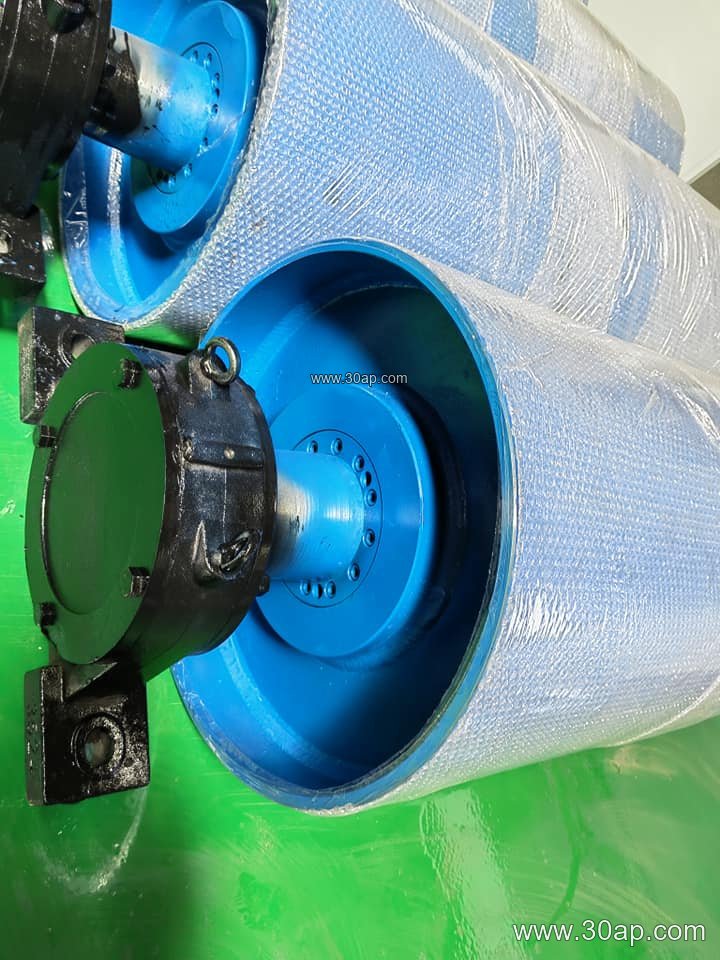
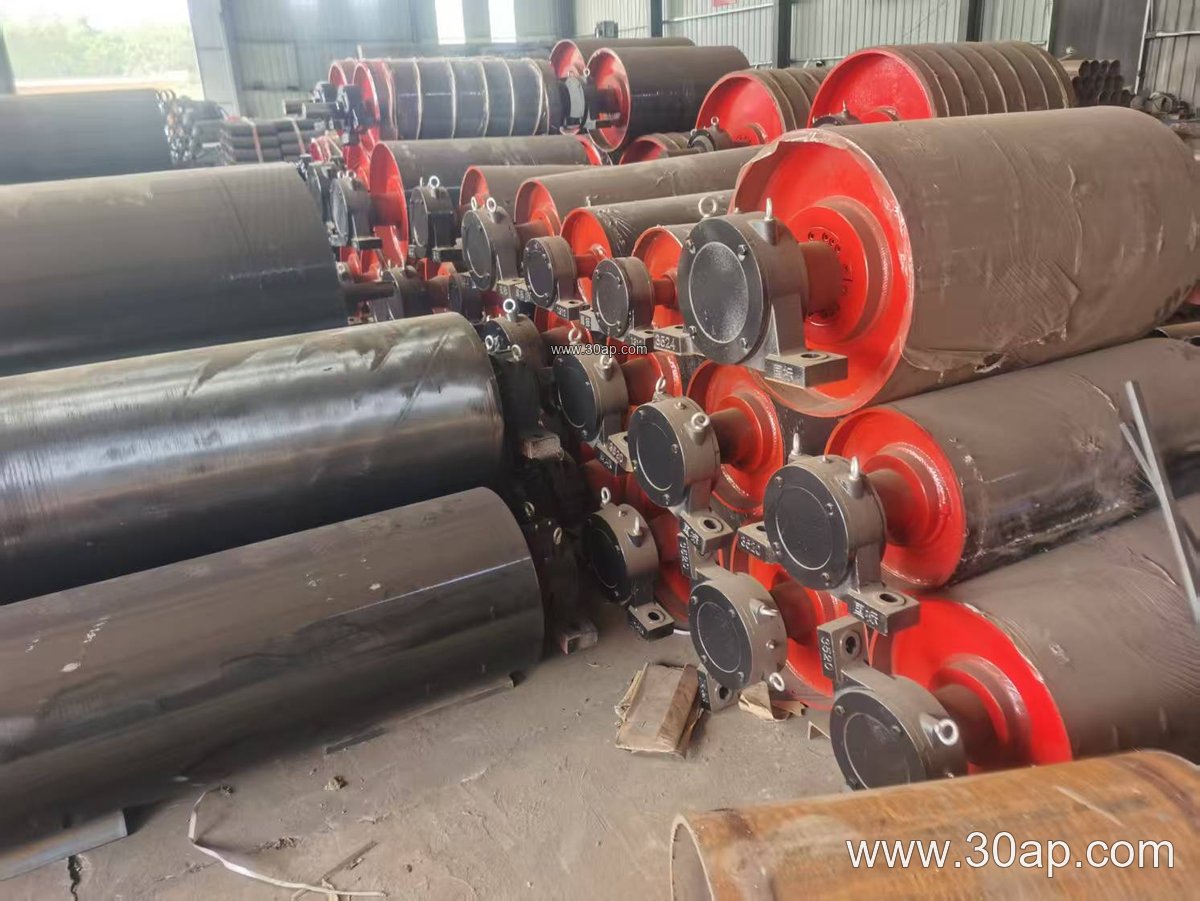
A 315mm diameter conveyor pulley is a mid-range drum that turns and supports the conveyor belt on a bulk handling system. With a nominal shell diameter of Ø315 mm, it sits between the smaller snub and take-up drums and the large head pulleys used on high-tonnage lines. In daily plant language it may be called a 315 mm drum, a Ø315 conveyor roller pulley, or simply a 315 pulley, but it is the same component: a cylindrical shell with end discs, a shaft, bearing housings and a surface that grips or releases the belt.
Because the diameter is moderate, this size appears often on medium-width belts in quarries, cement plants and power station coal yards. It is a workhorse rather than a specialist extreme, which is why buyers meet it in both new builds and replacement work.
How the Drum Is Built
Most 315 mm diameter conveyor pulleys use a welded steel shell, machined end plates and a through shaft or stub shafts. The shaft is sized by torque and radial load, not by belt width alone, so a Ø315 drum may carry a Ø80 mm, Ø100 mm or larger shaft depending on the duty. Bearings are normally spherical roller type in cast or fabricated housings, with seals chosen for dusty or wet conditions.
Surface finish matters as much as the shell. Common options include:
- Plain or smooth face for non-drive positions
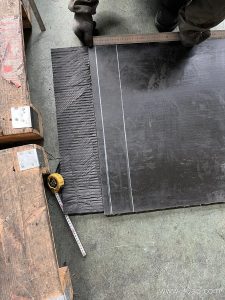
- Diamond grooved rubber lagging for wet or muddy belts
- Herringbone lagging for better self-cleaning
- Ceramic lagging for high-traction drive duties
- Hot vulcanised or cold bonded rubber in 8, 10, 12, 15 or 20 mm thickness
Lagging thickness and pattern should follow the application, not a catalogue default. A drive position on a wet aggregate line usually needs more grip than a bend position on a dry cement circuit.
Where the Size Fits on a Conveyor
A 315 mm diameter conveyor pulley can serve several positions. On a tail or take-up station it guides the belt and maintains tension. On a bend or snub position it changes belt direction where space is tight. In some medium-duty drives it also acts as the head pulley, although heavier mining conveyors usually move to larger diameters.
Typical industries include:
- Quarry and aggregate lines handling crushed stone
- Cement plants moving clinker and raw meal
- Power stations on coal handling conveyors
- Sand and gravel plants with abrasive, damp material
- Fertiliser and grain terminals where cleanliness matters
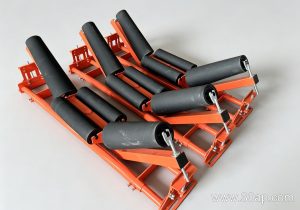
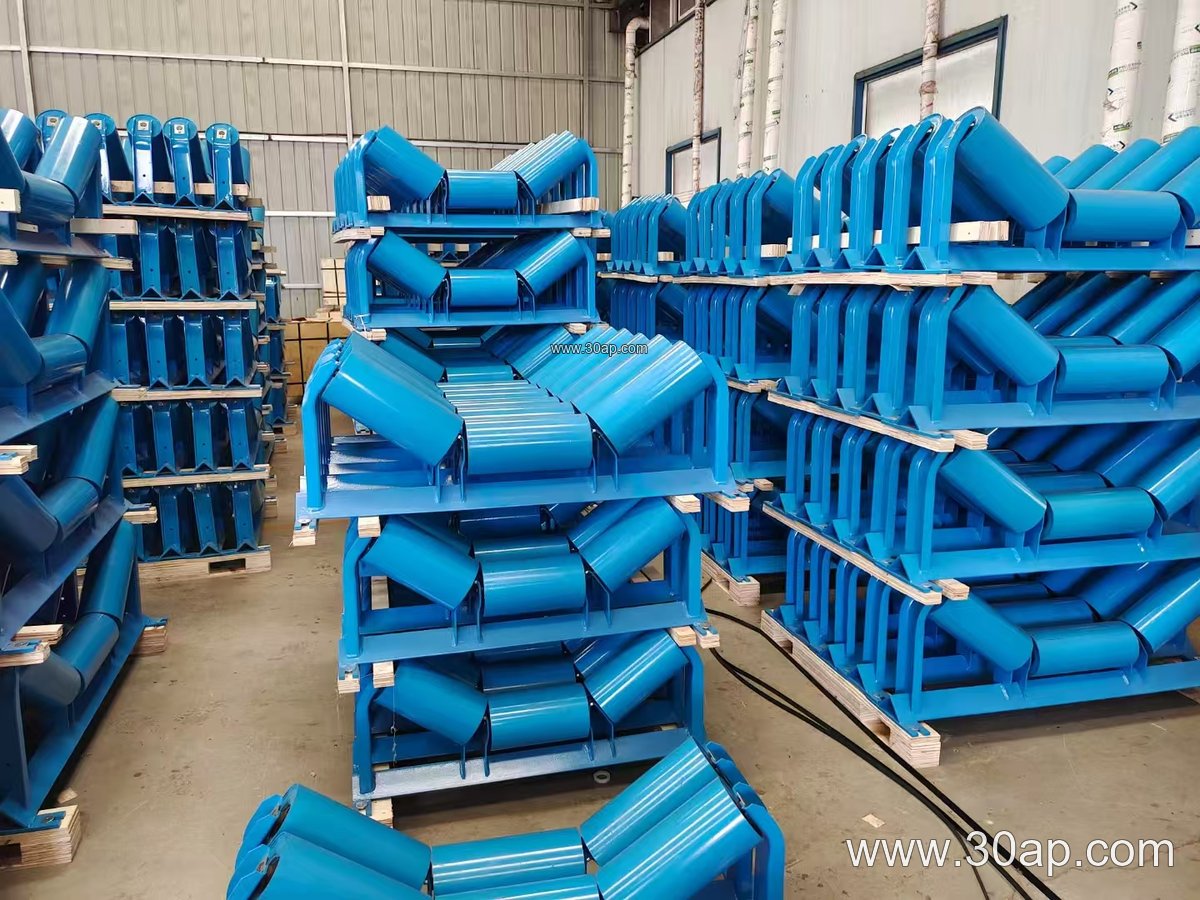
The drum works with the conveyor belt, idler rollers and conveyor brackets, so alignment across the whole frame affects belt tracking. A well-built Ø315 pulley cannot correct a misaligned structure on its own.
Matching the Pulley to Belt and Duty
Belt width and pulley diameter are related but not locked one-to-one. A Ø315 drum is often seen with B650, B800 or B1000 belts, and sometimes with B1200 where the belt is light and the wrap angle is generous. Shell face width is normally slightly wider than the belt; for example, a B800 belt may run on a drum with roughly 950 mm face width, while a B1000 belt may use about 1150 mm.
The belt construction also guides the choice. An EP conveyor belt or NN conveyor belt with a fabric core is common on medium-duty lines, while a steel cord conveyor belt or a heavy-duty mining conveyor belt usually calls for a larger drum to limit bending stress. Abrasion resistant conveyor belt, heat resistant conveyor belt and flame retardant conveyor belt each bring their own demands on lagging and bearing protection. In underground coal mining, a fire resistant conveyor belt or PVG conveyor belt is often specified, and the pulley surface should suit the same environment.
Buyer Checklist
Before ordering a 315 mm diameter conveyor pulley, confirm the following:
- Shaft diameter and bearing type required by the drive or take-up frame
- Face width against the actual belt width
- Lagging pattern and thickness for the material and moisture level
- Balance class and running speed
- Mounting position: head, tail, bend, snub or take-up
- Sealing and finish for dust, water or washdown
Ask for a drawing showing shell thickness, shaft material, keyway and bearing centres. A pulley that fits the bracket but not the torque load will fail early, whatever its diameter.
Maintenance Notes
Check lagging wear at each shutdown, especially on drive pulleys where slip accelerates rubber loss. Keep the belt cleaner and the idler roller set in good order, because carryback builds up on the shell and causes tracking drift. Re-grease bearings at the recommended interval and inspect seals after washdown or heavy rain.
For spare parts planning, record the drum size and lagging type on the asset register. A 315 mm diameter conveyor pulley is easy to replace when the specification is clear, and much harder to match when the original drawing is missing.