What a High-Strength Conveyor Idler Really Is
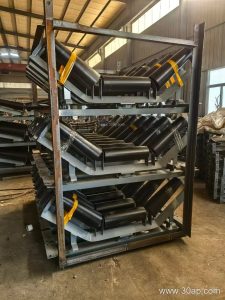
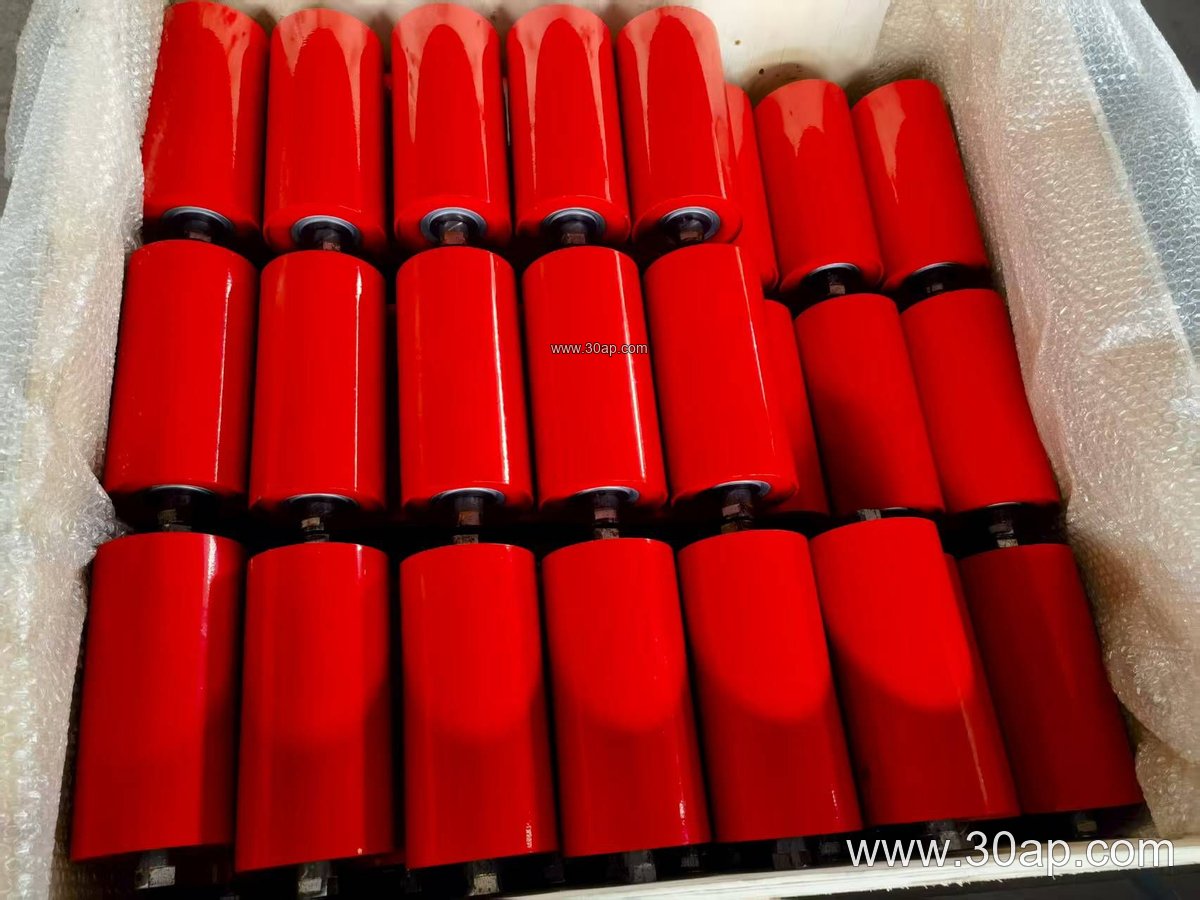
A high-strength conveyor idler is a load-bearing roller built to carry a loaded conveyor belt without excessive deflection, vibration, or premature bearing failure. In a quarry, a coal handling plant, or a cement kiln feed line, the idler roller is the part that quietly absorbs the daily punishment of tonnage, grit, and moisture. The difference between an ordinary roller and a high-strength conveyor idler usually comes down to tube wall thickness, bearing selection, seal quality, and the precision of the end disc and shaft fit.
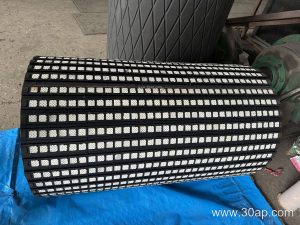
Buyers often confuse the idler with the pulley. They are not the same component. A conveyor pulley drives, tensions, or redirects the belt, while the idler supports the belt along its carrying and return runs. Drive pulleys, tail pulleys, and bend pulleys each have their own duty and should never be specified as if they were interchangeable with a troughing idler or a return roller.
How the Roller Is Built
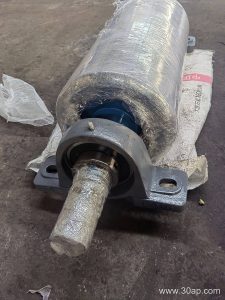
Most high-strength idlers use a seamless steel tube with machined end discs welded in place. The shaft is typically cold-drawn or turned, and the bearing housing is designed to keep alignment under load. Bearing sizes commonly range from 6204 and 6205 in lighter rolls up to 6308 and 6310 in heavy-duty positions, but the bearing must be matched to the actual load and speed rather than to a single tube diameter.
Sealing is where many cheap rollers fail. A good high-strength idler uses a multi-stage labyrinth seal, often with a grease-retaining outer cap, to keep fines and water away from the bearing. Roller surface options include plain steel, nylon, ceramic, and rubber rings. Rubber-ring impact idlers are useful at transfer points, while ceramic or nylon covers may help in sticky or abrasive service.
Common Reference Data for Idler Selection
The table below gives typical reference values, not fixed supply rules. Final dimensions depend on belt width, trough angle, load, and the idler set configuration.
- Roller diameter options: Ø63, Ø76, Ø89, Ø102, Ø108, Ø127, Ø133, Ø159, Ø178, Ø194, Ø219 mm
- Belt width range: B400, B500, B650, B800, B1000, B1200, B1400, B1600, B1800, B2000, B2200, B2400
- Trough angles: 20°, 30°, 35°, 45°; forward tilt commonly about 1.5° to 2° for training idlers
- Typical three-roll troughing roller lengths: about 200 mm at B500, 250 mm at B650, 315 mm at B800, 380 mm at B1000, 465 mm at B1200, 530 mm at B1400, 600 mm at B1600, 670 mm at B1800, 750 mm at B2000
These figures are examples. Side rollers and center rollers can differ, and one belt width does not lock the user into one pulley diameter or one shaft size.
Where High-Strength Idlers Earn Their Keep
In a limestone quarry or an iron ore transfer station, the carrying idlers under a heavy conveyor belt take continuous impact and abrasion. A high-strength conveyor idler with a thicker tube and reinforced bearing housing is often chosen for the head-end and load-zone positions. In a coal washing plant, corrosion and fine slurry make seal quality more important than raw tube thickness alone.
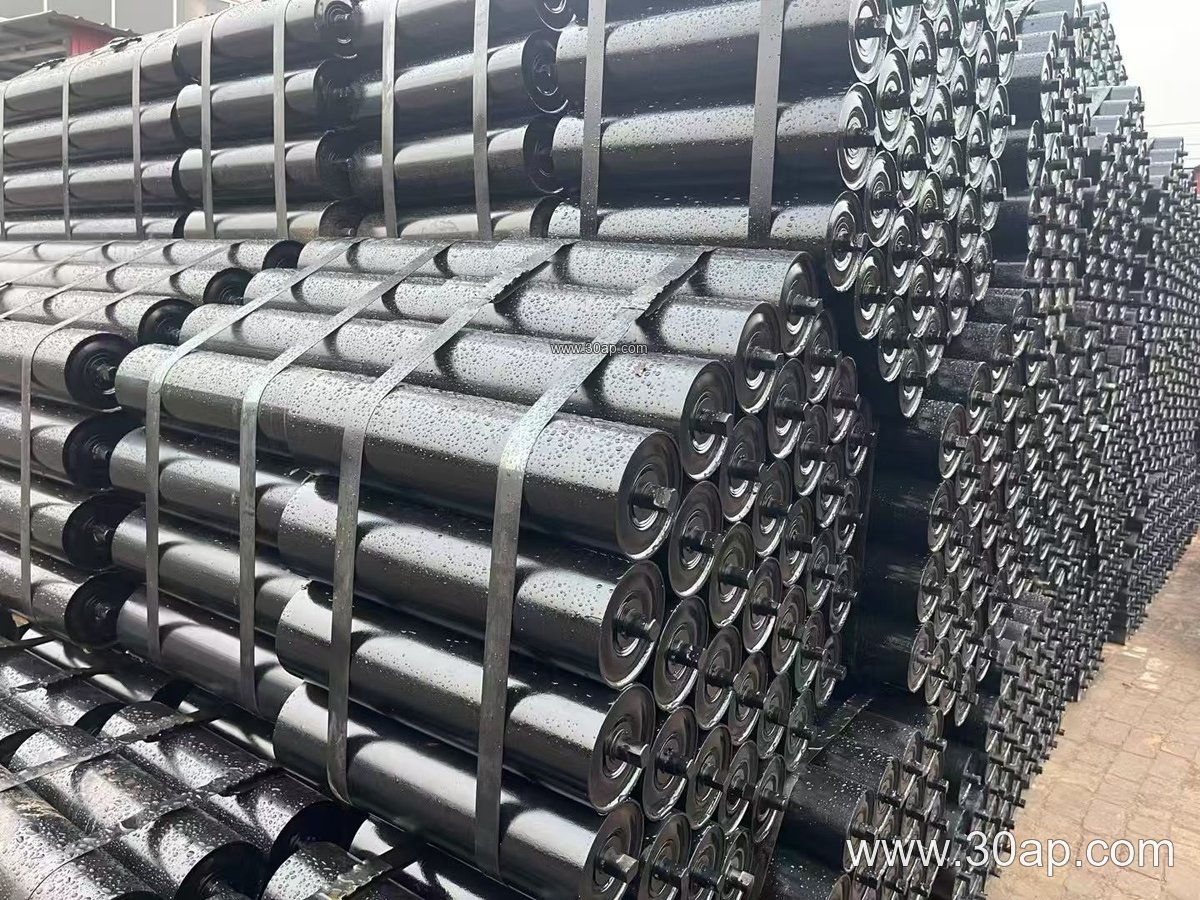
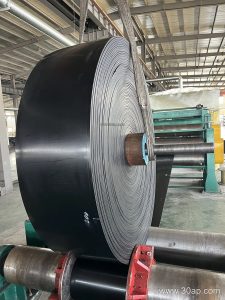
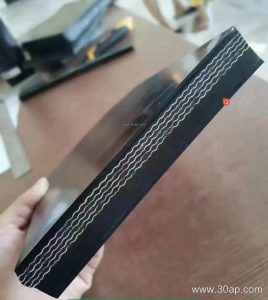
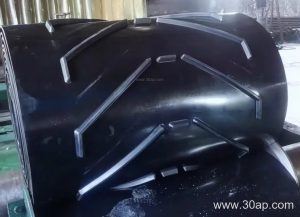
The roller also has to suit the belt it supports. A steel cord conveyor belt is stiff and heavy, so idler spacing and roll alignment matter. An EP conveyor belt or NN conveyor belt used on a medium-duty line may tolerate a lighter roller, but the same high-strength idler can still extend service life where dust and vibration are constant. In cement plants and power plant coal yards, abrasion resistant conveyor belt and flame retardant conveyor belt are common, and the idler set should be selected with the same duty in mind.
What a Buyer Should Check Before Ordering
First, confirm the belt width and the trough angle, then confirm whether the station is carrying, impact, transition, or return. A three-roll troughing set at 35° behaves differently from a single-roll flat return. Second, ask for the roller diameter, shaft diameter, bearing number, and seal type in writing. Third, check the bracket and frame fit so the new roller seats correctly on the conveyor bracket.
For training problems, a friction training idler or a tapered training idler may be relevant, but it should not be treated as a substitute for proper belt alignment. For sticky material, a spiral roller can reduce build-up. For impact zones, a rubber-ring impact idler is often the better comparison than a standard troughing roll.
Finally, match the idler to the whole conveyor, not just to one number. A high-strength conveyor idler is a system component, and its life depends on belt tension, pulley alignment, loading conditions, and maintenance. Buyers who compare tube wall, bearing brand, seal design, and welding quality will usually get a more reliable roller than those who compare only the outside diameter.