What a Plain Lagged Pulley Is
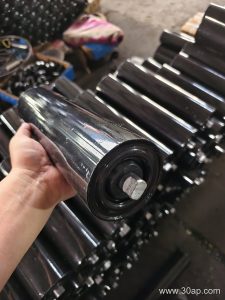
A plain lagged pulley is a conveyor pulley whose shell carries a smooth rubber or polymer lagging without any groove, diamond, chevron, or ceramic pattern. In many plants it is simply called a smooth lagged drum or plain rubber-lagged pulley. The lagging is bonded to the shell to raise friction between the drum face and the conveyor belt, protect the steel shell from abrasive material, and reduce belt slip under load. Because the surface has no pattern, the belt contacts a continuous flat layer of rubber rather than raised lugs or ribs.
The word “plain” describes the surface form, not the duty. A plain lagged pulley can serve as a drive pulley, a tail pulley, or a bend pulley, and each position places different demands on it. This article focuses on the plain lagged version; patterned lagging such as diamond or chevron is a separate surface choice and is mentioned only for comparison.
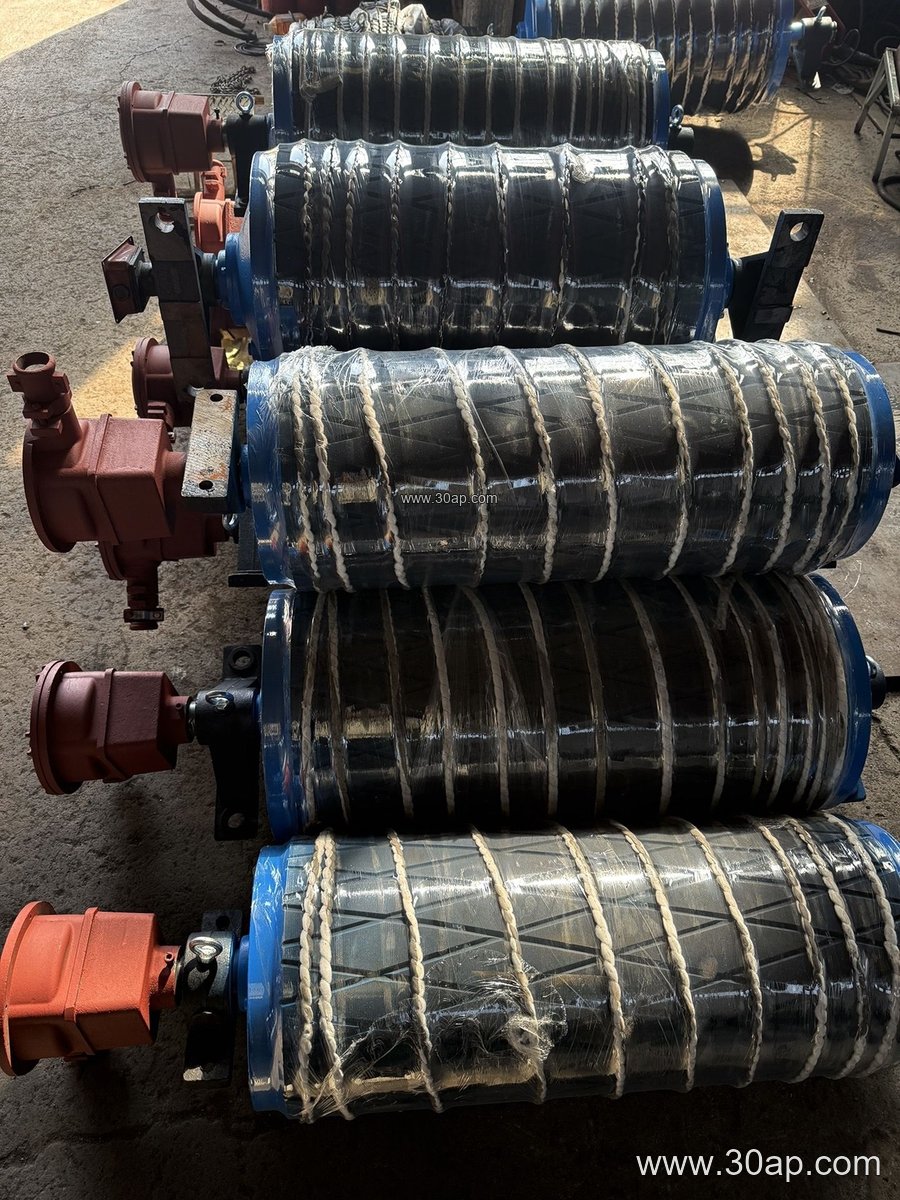
How the Drum Is Built
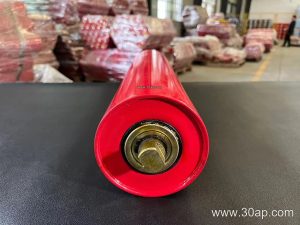
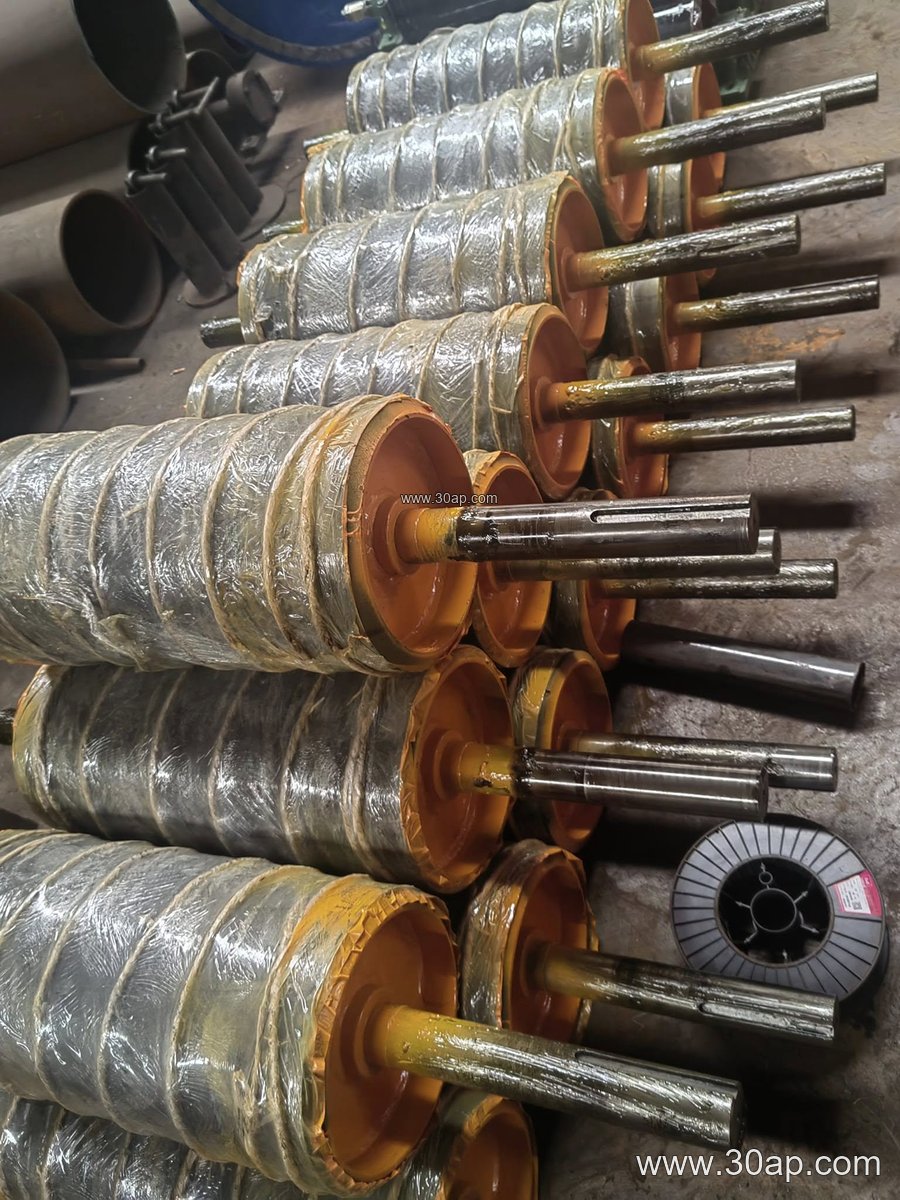
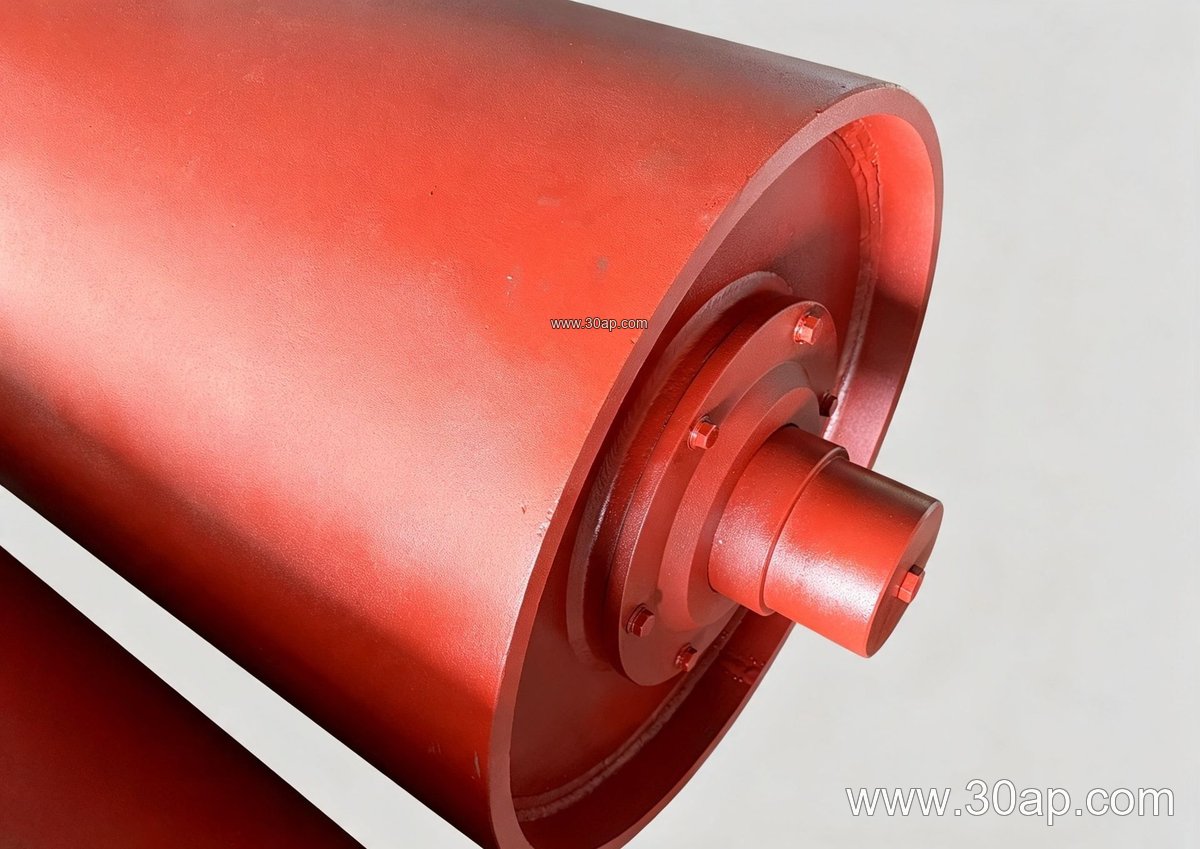
A typical unit consists of a mild steel or fabricated shell, two end discs, a shaft, bearing housings, and the lagging layer. The shell is machined or rolled to a true diameter, then the lagging is applied by hot vulcanization, cold bonding, or cast rubber, depending on the workshop process. Common lagging thicknesses are 8, 10, 12, 15, and 20 mm. Thicker layers suit high-torque drive positions, while thinner layers are often enough for bend and tail locations.
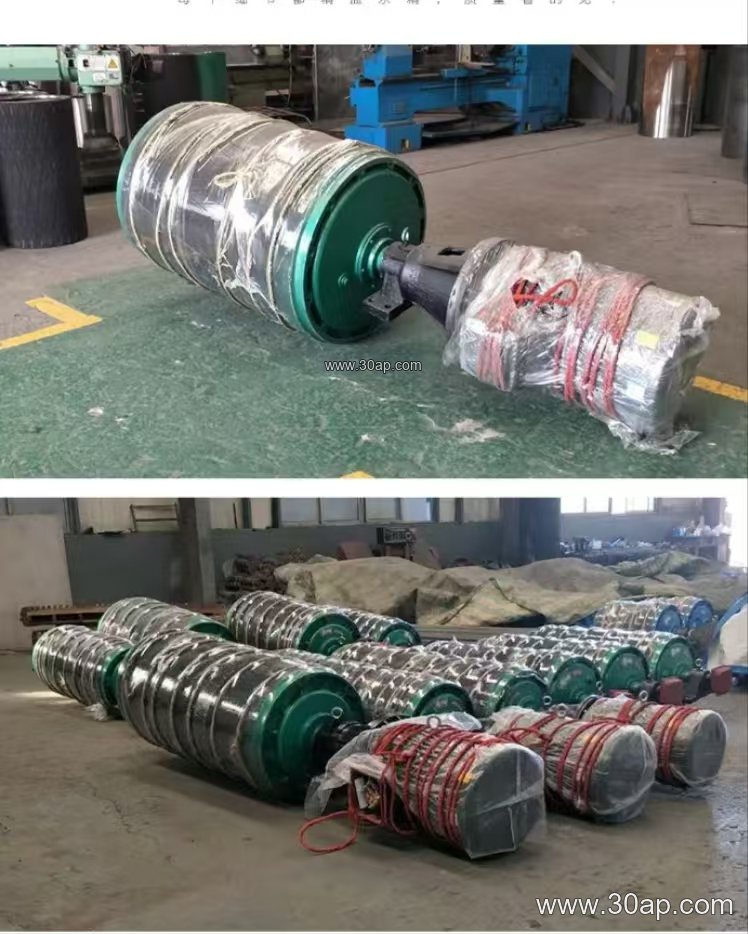
Shaft diameter is determined by torque and radial load, not by belt width alone. Common shaft sizes include Ø50, Ø60, Ø70, Ø80, Ø90, Ø100, Ø120, Ø140, Ø160, Ø180, and Ø200 mm. A B800 drum and a B1400 drum may both use a Ø120 mm shaft if the calculated loads allow it, so the shaft should always be confirmed against the drive design.
Face Width and Diameter in Practice
The pulley face is usually wider than the belt so that the belt stays supported during minor misalignment. Reference values are often quoted as face width roughly 100 to 200 mm above the belt width, but the exact figure follows the conveyor design. Typical pairings seen in projects include B800 × Ø500, B1200 × Ø1000, and B1400 × Ø800, yet these are examples rather than fixed rules.
| Belt width | Typical pulley face width | Common diameter range |
|---|---|---|
| B500 | about 600 mm | Ø250 to Ø500 |
| B650 | about 750 mm | Ø315 to Ø630 |
| B800 | about 950 mm | Ø400 to Ø800 |
| B1000 | about 1150 mm | Ø500 to Ø1000 |
| B1200 | about 1400 mm | Ø630 to Ø1250 |
| B1400 | about 1600 mm | Ø800 to Ø1400 |
| B1600 | about 1800 mm | Ø1000 to Ø1600 |
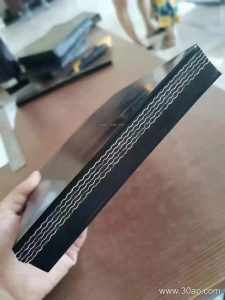
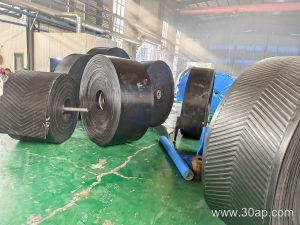
Larger diameters increase belt wrap and reduce bending stress in the carcass, which matters when a stiff steel cord conveyor belt or a thick multi-ply fabric core belt runs over the drum. Smaller diameters save space at transfer points and return sections.
Where Plain Lagging Works Best
In a limestone quarry, a plain lagged tail pulley keeps the return side tracking and sheds fine dust reasonably well. At a coal-fired power plant, the same smooth surface is often chosen for bend pulleys where the belt wrap is modest and a patterned surface would trap coal fines. The plain face is also common on tension pulleys that move slightly to take up stretch.
Drive positions need more thought. A smooth lagged drive pulley can transmit high torque when the wrap angle is large, but if the belt is wet or oily, a patterned or ceramic surface may grip better. That is a comparison point, not a replacement for the plain version. For abrasive ore duties, an abrasion resistant conveyor belt paired with a properly bonded plain lagging usually gives long service in tail and bend positions.
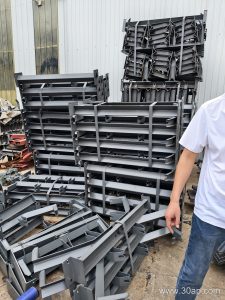
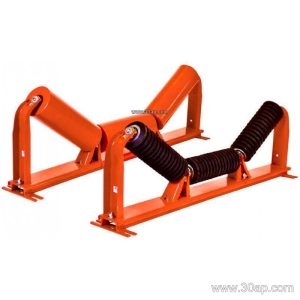
Related hardware should be matched at the same time: conveyor brackets, idler rollers, and the belt itself. A heavy-duty mining conveyor belt running at high tension needs a drum with sufficient shell thickness and a shaft sized for the load, not simply a larger diameter.
Buyer Checklist
- State the position: drive, tail, bend, or tension. The duty changes the lagging thickness and shaft size.
- Give belt width, belt type, and belt tension so the supplier can confirm face width and shell thickness.
- Specify lagging thickness and bonding method; 10 mm and 12 mm are common, but 15 mm or 20 mm may be needed for high torque.
- Confirm shaft diameter from the torque calculation rather than from belt width.
- Check balance, runout, and bearing housing fit, especially on high-speed drives.
- Ask how the lagging is bonded and whether the joint is vulcanized or cold bonded.
For matching components, review the conveyor pulley drawing together with the conveyor belt specification and the conveyor bracket layout before ordering. A plain lagged pulley is a simple component, but its performance depends on correct sizing, good bonding, and alignment with the rest of the conveyor.