What a Belt Tracking Idler Does
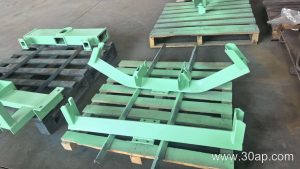
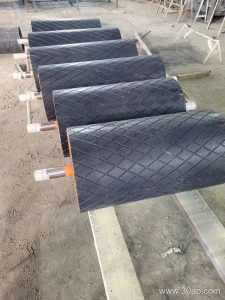
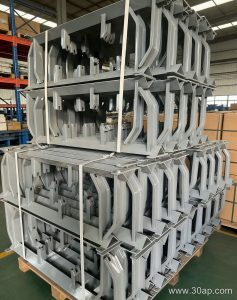
A belt tracking idler is a specialized roller assembly used to keep a conveyor belt centered on its path. Unlike standard carrying or return idlers that mainly support the belt, this idler actively corrects misalignment. In a quarry, cement plant, or coal handling system, a belt that wanders off-center can spill material, damage edges, and reduce uptime. The tracking idler responds to belt drift by applying a gentle steering force, often through angled rollers or a pivoting frame. It is a distinct component from the drive pulley, tail pulley, or bend pulley, which handle power transmission and direction changes. When specifying a tracking idler, buyers should remember that a conveyor bracket and an idler roller work together to maintain proper geometry.
Construction and Common Forms
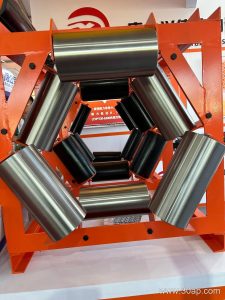
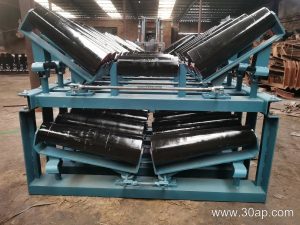
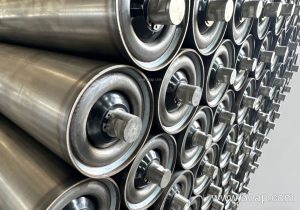
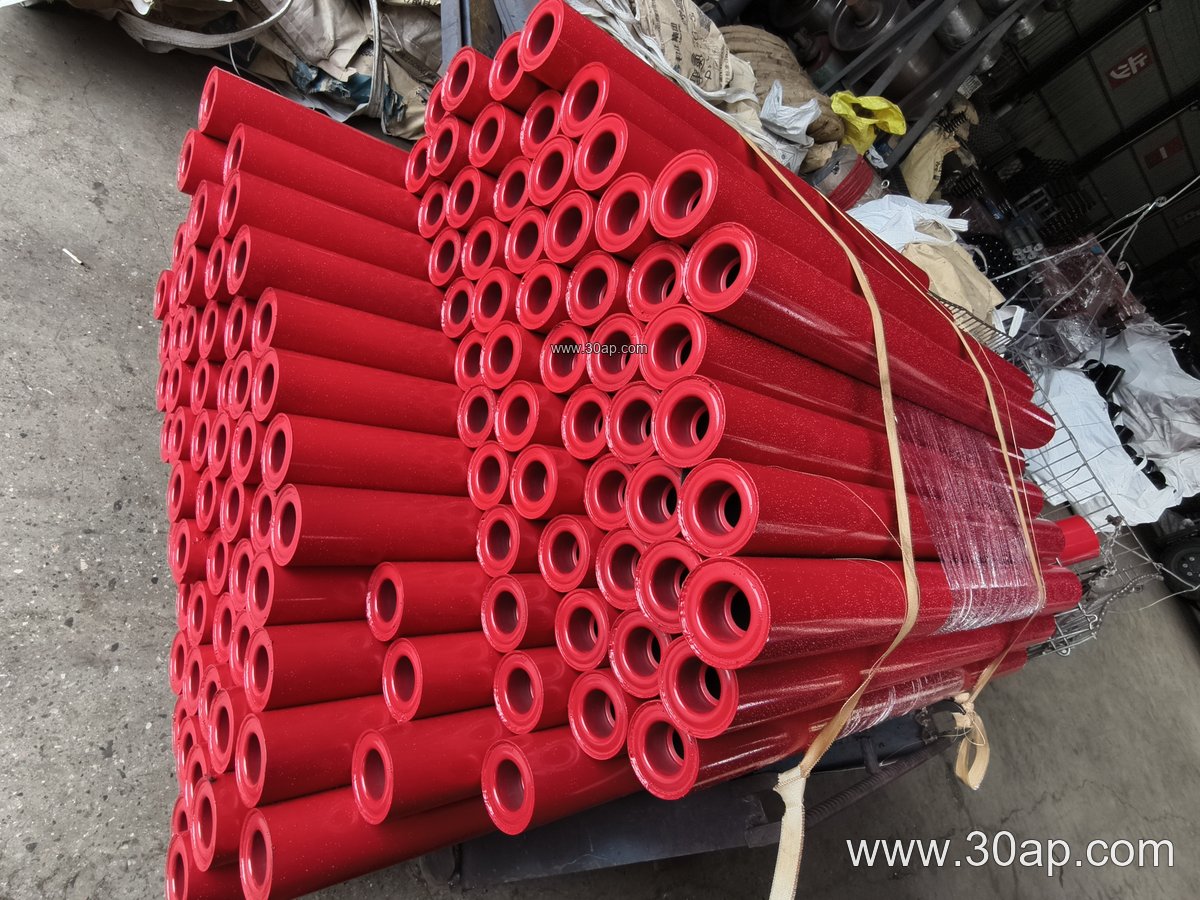
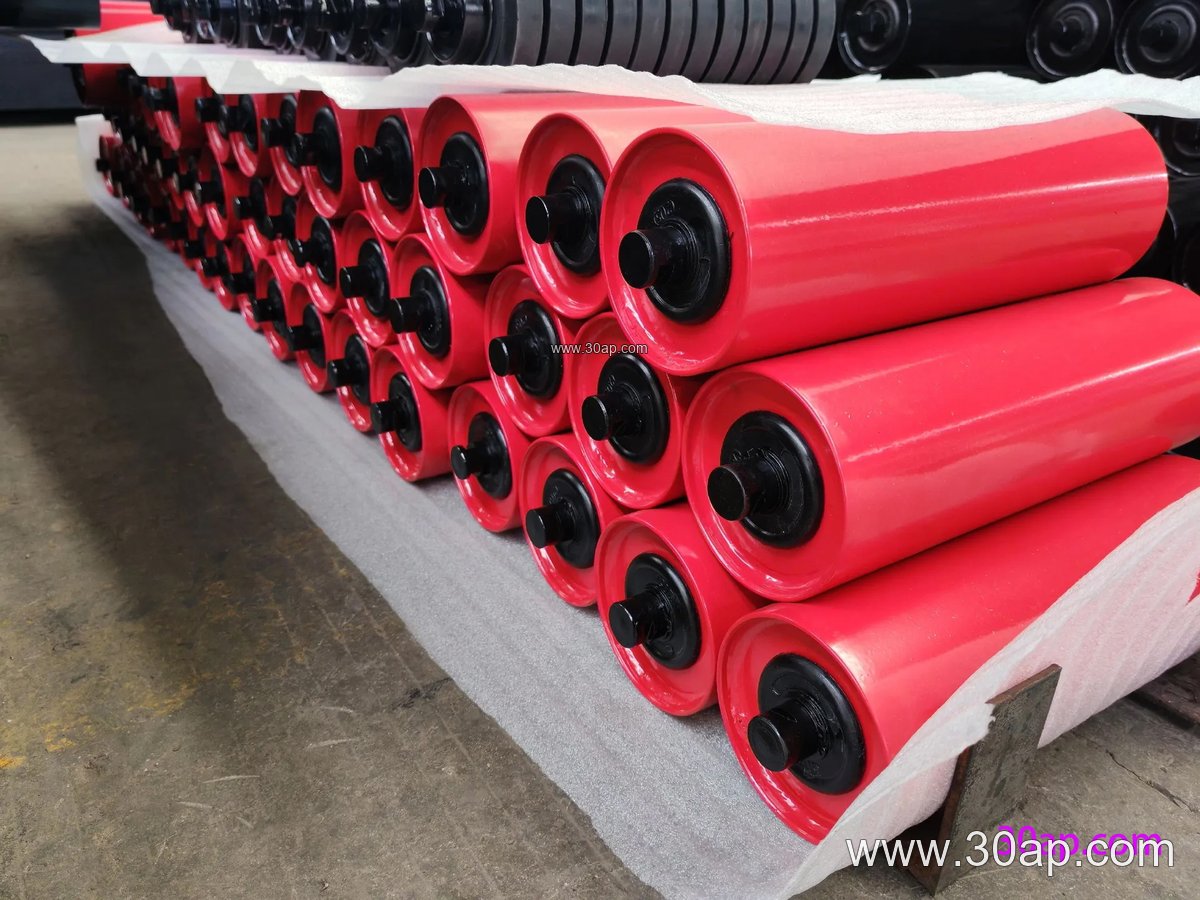
Most tracking idlers fall into two families: friction self-aligning and tapered self-aligning. Friction types use small vertical rollers that contact the belt edge and pivot the idler frame when the belt shifts. Tapered types use conical rollers that create a differential surface speed, nudging the belt back to center. Roll diameters commonly range from Ø63 to Ø219, and the roller shell may be steel, nylon, or rubber-covered. Bearings such as 6204, 6205, 6305, 6306, 6308, and 6310 are often used, but the bearing choice depends on load and speed, not on roll diameter alone. A three-roll troughing set with 20°, 30°, 35°, or 45° trough angle is typical for carrying-side tracking, while V-type return tracking idlers handle the return strand. For a 1000mm or 1200mm wide conveyor belt, a three-roll set might use roll lengths around 380mm or 465mm, but side and center rolls can differ. The idler must match the conveyor bracket mounting dimensions.
Where It Fits in Bulk Handling
Belt tracking idlers appear in nearly every industry that relies on a conveyor belt. In a limestone mine or iron ore concentrator, they protect an abrasion resistant conveyor belt from edge wear. At a power plant coal yard, a flame retardant conveyor belt benefits from tracking control to avoid rubbing against structure. In a sand and gravel line, an EP conveyor belt or NN conveyor belt on a long overland run may need several tracking stations. The same applies to a steel cord conveyor belt in a copper mine or a pipe conveyor belt in a tunnel project. A tracking idler is not a substitute for a drive pulley, tail pulley, or bend pulley; those pulleys must be aligned first. Instead, tracking idlers work alongside conveyor pulleys and conveyor brackets to maintain belt position. In a cement plant, a heat resistant conveyor belt may be paired with tracking idlers near a clinker cooler, while a food grade conveyor belt in a processing line might use stainless or nylon rollers.
Selection and Maintenance Notes
Buyers should consider belt width, belt speed, load, and the type of material. Common belt widths include B500, B650, B800, B1000, B1200, B1400, B1600, B1800, B2000, and B2400. Do not assume that one belt width locks you into one pulley diameter or one shaft size; those values are determined by the conveyor design. For a heavy-duty mining conveyor belt with a thick cover, a larger roll diameter such as Ø159 or Ø178 may be chosen for durability. In a coal mining conveyor belt that uses a PVG conveyor belt, flame retardant properties matter, but the tracking idler itself is usually selected for mechanical fit and seal quality. Maintenance involves checking that the idler frame pivots freely, that rollers turn without noise, and that the belt does not contact the brackets. A worn idler roller or a seized bearing can cause the belt to misalign even if the tracking mechanism is intact. Keep the conveyor belt cleaner and ensure the tail pulley and bend pulley are square to the frame. For more information on compatible components, visit conveyoridlerpro.com for belt tracking idler guidance, and review belt conveyor idler options for quarry and cement applications.
Buyer Checklist
- Confirm the belt width and trough angle (common angles are 20°, 30°, 35°, and 45°).
- Match the idler frame to the existing conveyor bracket hole pattern.
- Choose roll diameter based on load and belt speed, not on belt width alone.
- Specify bearing size and seal type for the environment (dust, water, heat).
- Check that the tracking idler is not expected to replace a drive pulley, tail pulley, or bend pulley.
- For abrasive or high-impact service, consider rubber-covered or impact-resistant rollers.
Whether you operate a quarry, a coal preparation plant, or a port terminal, a properly selected belt tracking idler helps extend conveyor belt life and reduce spillage. Use the product data from your conveyor designer as the final reference, and treat common sizes as starting points rather than fixed rules.