What the ST1600 Conveyor Belt Is
The ST1600 Conveyor Belt is a steel cord conveyor belt with a nominal tensile strength of 1600 N/mm. It belongs to the steel cord family, in which high-carbon steel cords run longitudinally through the belt as the load-bearing skeleton, bonded between top and bottom rubber covers. Unlike fabric-reinforced constructions such as an EP Conveyor Belt or an NN Conveyor Belt, the steel cord design gives the ST1600 its high strength with very low elongation, which suits long conveying distances and heavy bulk loads.
Construction and Materials
A typical ST1600 belt is built from several layers working together:
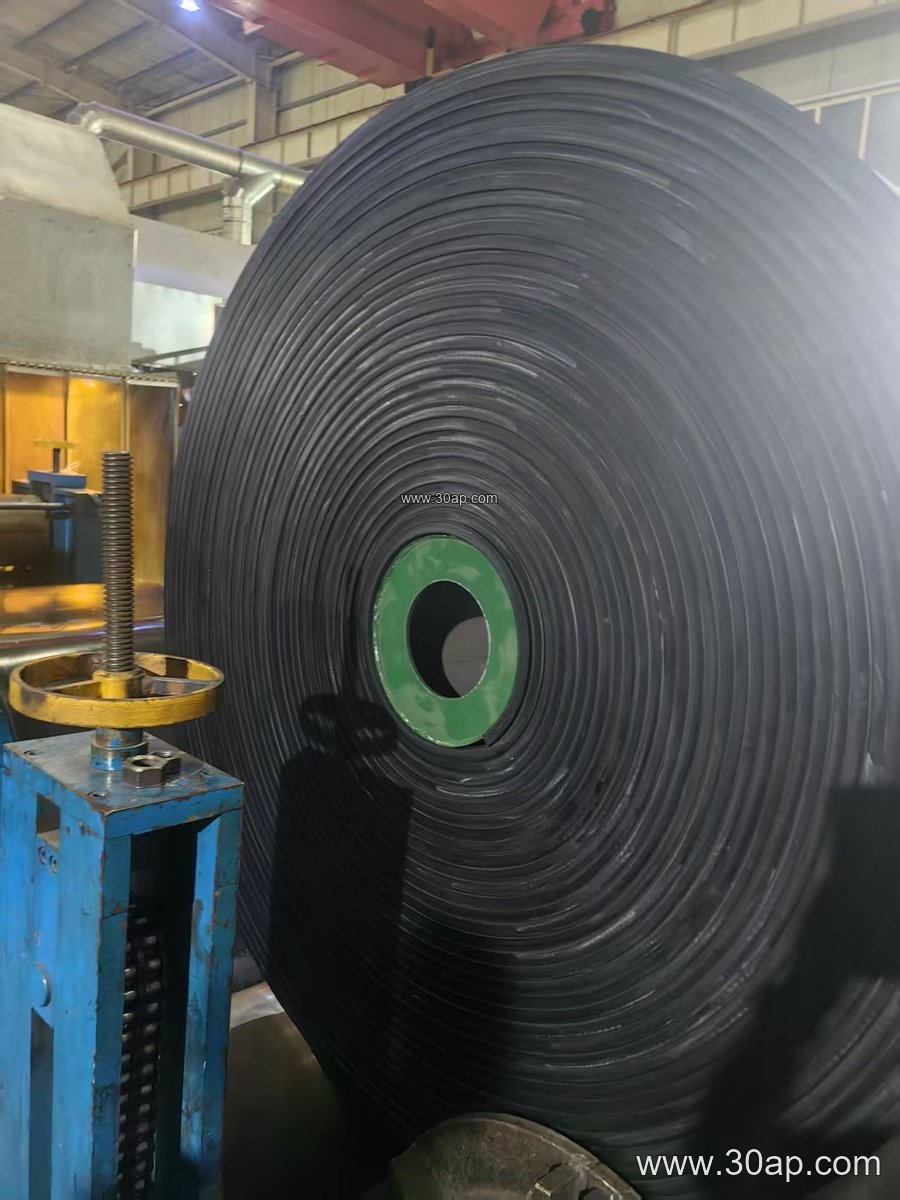
- Steel cord layer – brass-plated cords arranged at a defined pitch, carrying the tension.
- Core rubber – bonds the cords and cushions them against impact and flexing.
- Top and bottom covers – protect the carcass from abrasion, moisture and the material being carried.
- Edges – cut or moulded to resist fraying and water ingress.
Covers are usually specified as a top/bottom combination, for example 6+2 mm or 8+3 mm for heavy-duty mining service. Special grades are available for heat, oil, flame retardant and anti-static duty. The cord pitch and cover thickness are determined by the belt designer rather than fixed by the strength grade alone.
Where It Fits in a Conveyor
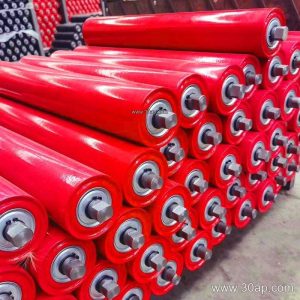
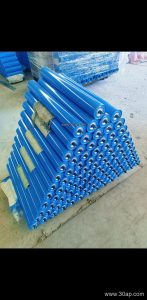
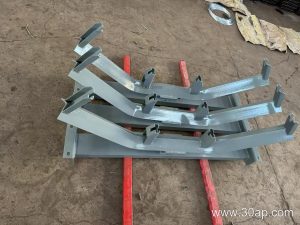
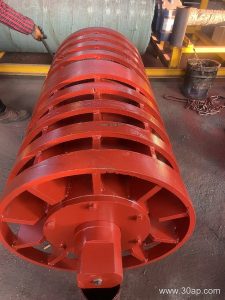
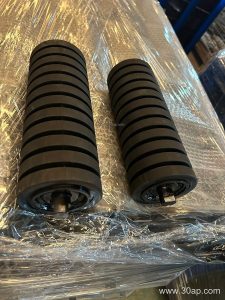
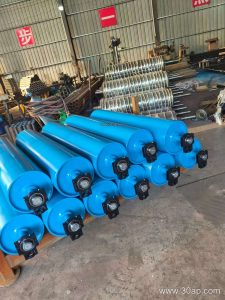
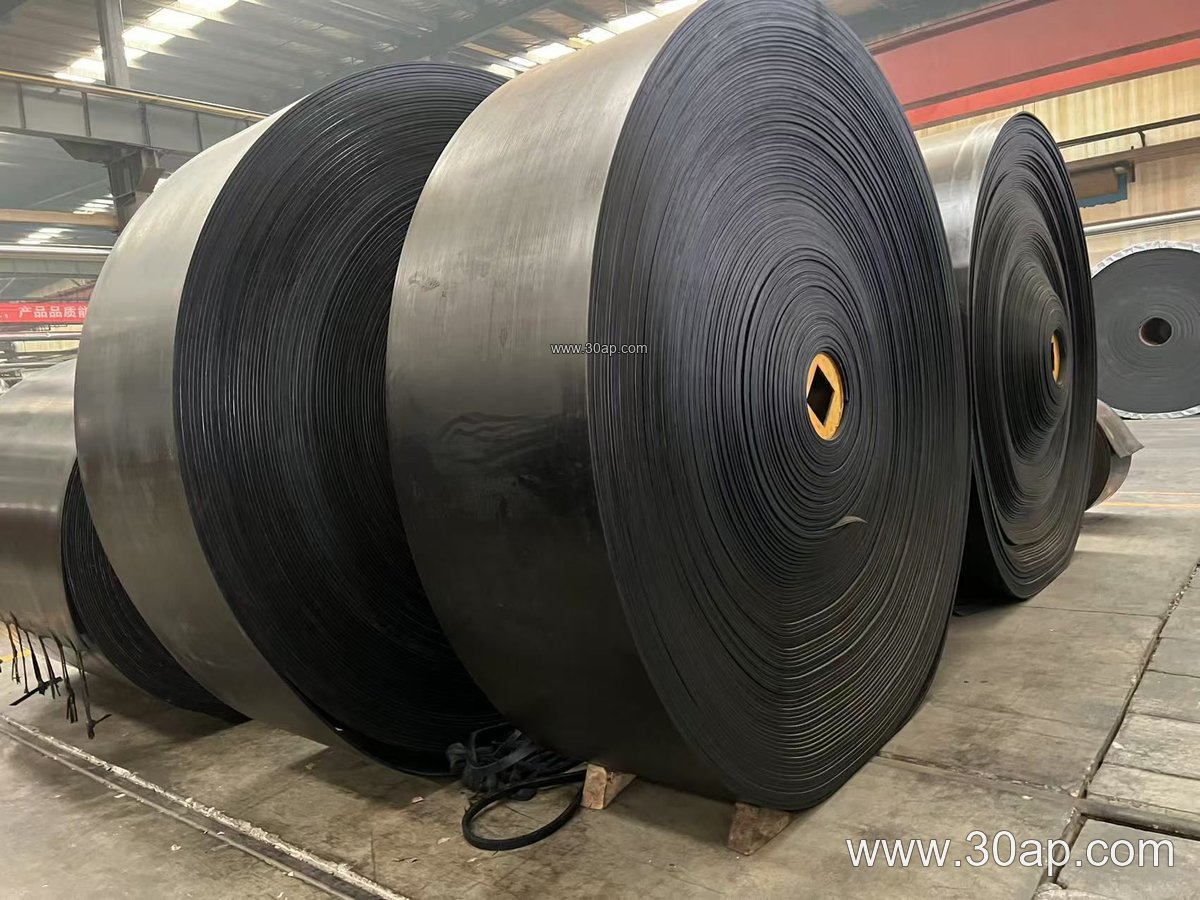
The ST1600 Conveyor Belt is normally selected for main haulage lines in mines, coal preparation plants, cement works, power stations, steel plants, quarries and large port bulk terminals. It is often found on drives with a conveyor pulley at the head and tail, carrying troughing idler roller sets along the run, with conveyor bracket structures supporting the idlers. Where the route curves, a bend pulley or vertical curve arrangement may be used, but these are separate components with their own duties and are not interchangeable with drive or tail pulleys.
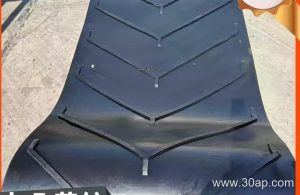
For comparison, a Chevron Conveyor Belt or a Corrugated Sidewall Conveyor Belt solves steep-incline or material-spillage problems on shorter runs, while the ST1600 is generally chosen for high-tonnage, long-distance flat or gently inclined conveying.
Typical Strength Grades and Dimensions
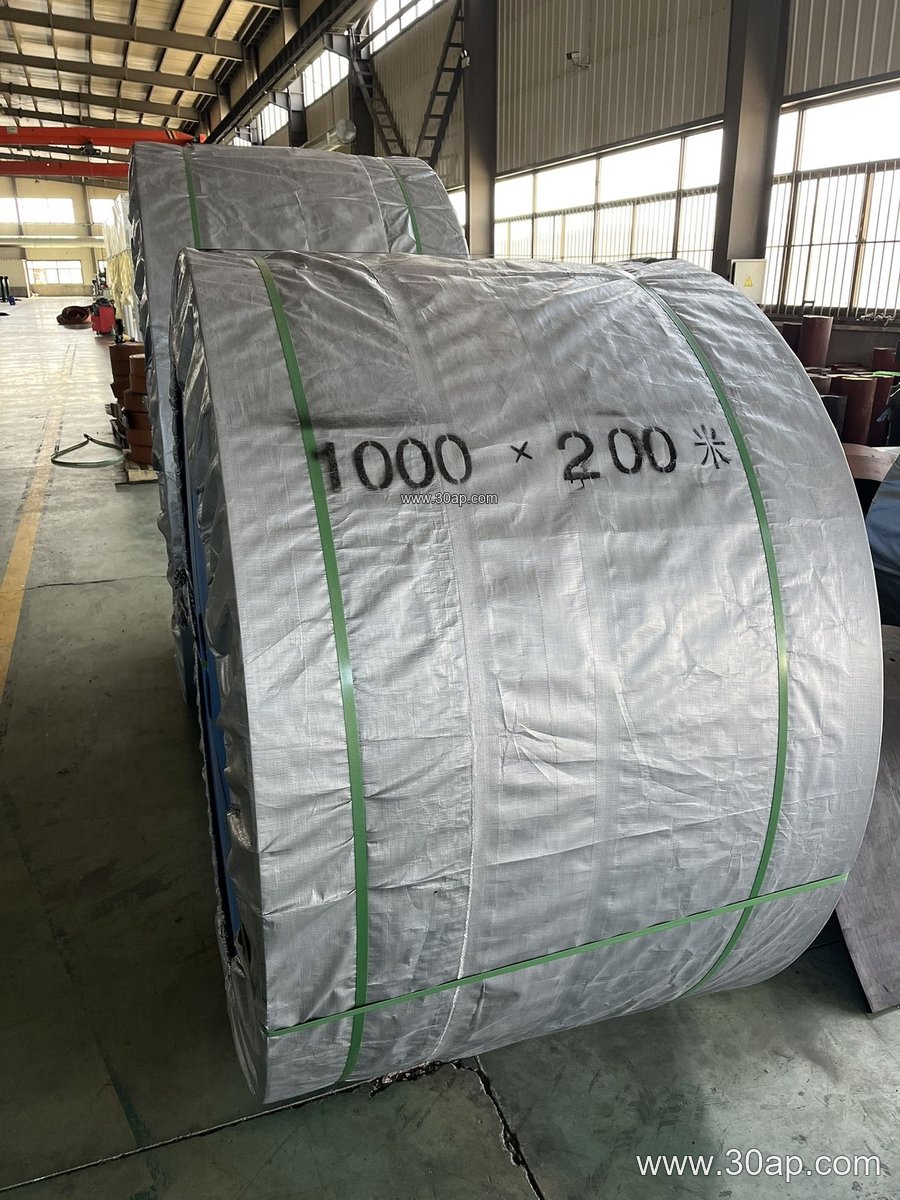
The strength grade is one of several decisions a buyer makes. The table below shows common steel cord grades and typical belt widths; values are indicative and should be confirmed against the project design.
Steel Cord Strength Grades
| Grade | Nominal Strength | Typical Use |
|---|---|---|
| ST1000 | 1000 N/mm | Medium duty main lines |
| ST1250 | 1250 N/mm | General bulk haulage |
| ST1600 | 1600 N/mm | Heavy-duty mining and port duty |
| ST2000 | 2000 N/mm | Long overland and high tonnage |
| ST2500 | 2500 N/mm | Very high tension installations |
| ST3150 | 3150 N/mm | Extreme duty main lines |
Common Belt Widths
| Width | Typical Application Note |
|---|---|
| B800 | Secondary and transfer belts |
| B1000 | Plant and preparation lines |
| B1200 | Main haulage and quarry duty |
| B1400 | High tonnage mining lines |
| B1600 | Large port and mine conveyors |
| B1800 | Very high capacity systems |
| B2000 | Extra-wide bulk terminals |
Belt width, strength grade and cover thickness are matched to the conveyor layout. A wider belt does not automatically require a particular pulley diameter, and shaft sizes are fixed by the pulley and drive design, not by belt width alone.
Selection Points for Buyers
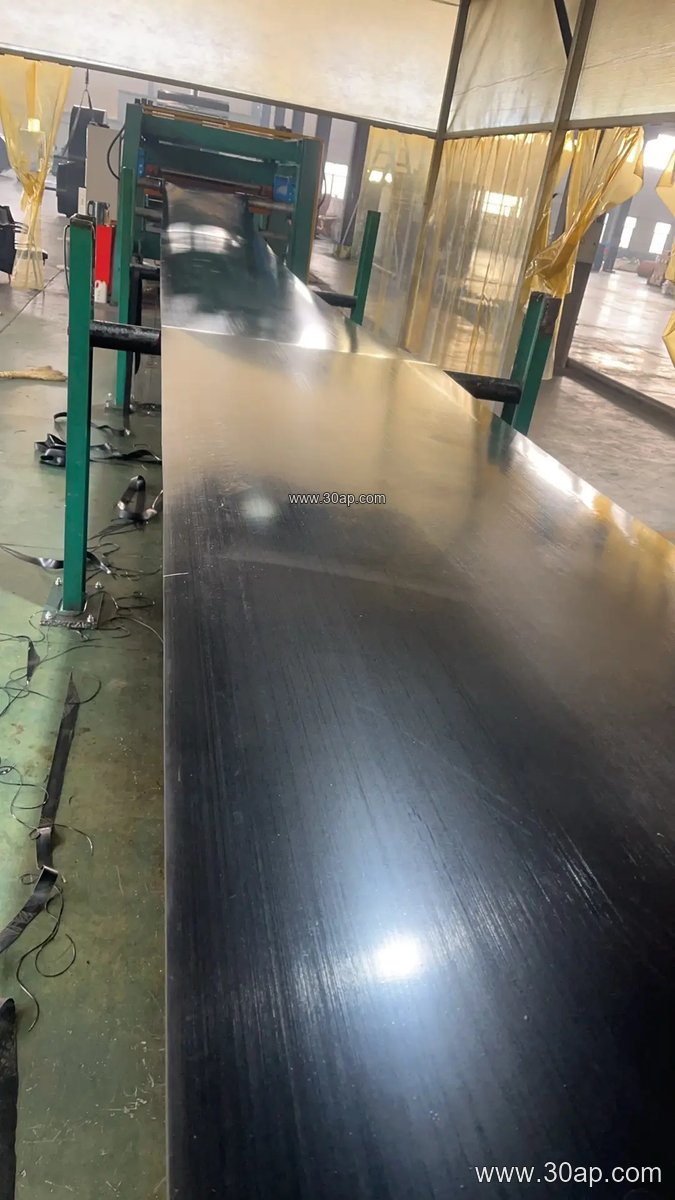
Before ordering an ST1600 conveyor belt, gather the following:
- Peak and normal tonnage, material lump size and abrasiveness.
- Conveyor length, lift, curve radii and starting/stopping duty.
- Required cover grade, such as abrasion resistant or heat resistant, and cover thickness.
- Fire safety requirements for underground coal mining or enclosed plants.
- Jointing method – vulcanised splice or mechanical fastener – and expected belt life.
Also review the condition of the conveyor pulley lagging, idler roller alignment and conveyor bracket frames, since poor alignment shortens belt life regardless of grade.
Handling and Maintenance Notes
Steel cord belts are heavy and should be stored on a suitable stand, kept dry and away from ozone sources. During installation, avoid sharp bends and ensure the splice is made to the belt maker’s procedure. In service, check cover wear, edge damage and cord exposure at the splice, and keep the belt tracking correctly. For high-abrasion duties in a quarry or crusher line, an abrasion resistant cover is often worthwhile; for hot clinker or sinter, a heat resistant grade is the right choice. Visit our conveyor belt and conveyor pulley pages for related components.