What a Welded Pulley Is
A welded pulley is a conveyor pulley whose shell is fabricated from rolled steel plate and joined to the end discs by welding rather than by casting. In many plants it is simply called a welded steel drum or a fabricated conveyor pulley. It sits at the head, tail, bend, or take-up position of a belt conveyor and transfers motion or redirects the belt. Because the structure is built up from plate, the maker can vary shell length, wall thickness, and hub layout to suit a specific conveyor frame, which is one reason fabricated drums are common in heavy bulk handling.
This article stays with the welded pulley itself. Drive pulleys, tail pulleys, and bend pulleys each do a different job and are not interchangeable, so the position on the conveyor should be decided before the drawing is fixed.
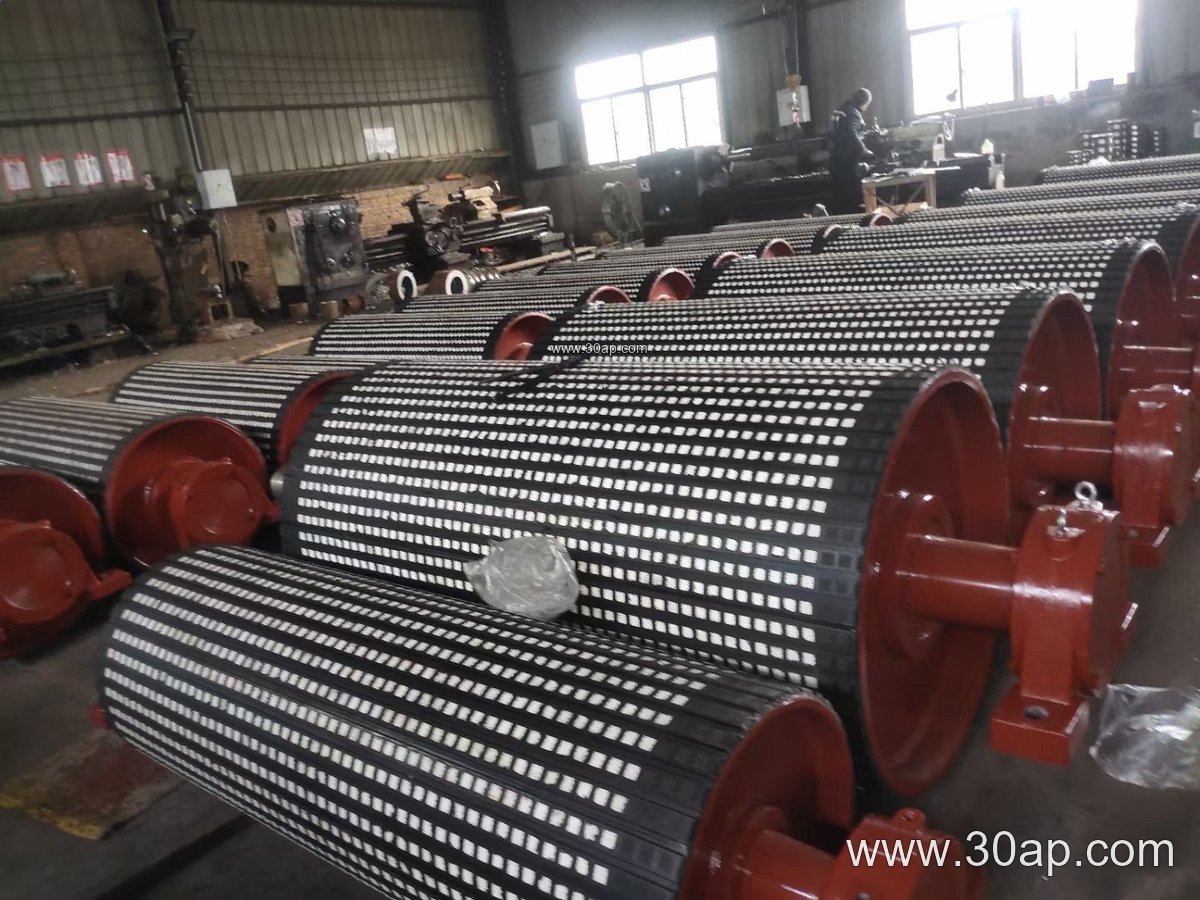
How the Welded Pulley Is Built
A typical unit starts with a rolled shell, two end discs, a hub, and a shaft. The shell is welded to the discs, and the discs are welded or keyed to the hub. After welding, the shell is usually machined or ground so the running surface is true, then balanced and coated. Good workshops check runout and weld quality, because an untrue shell causes belt tracking problems and shortens the life of the conveyor belt.
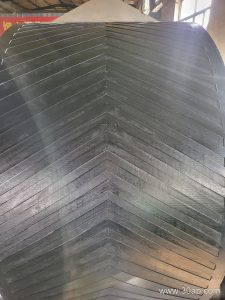
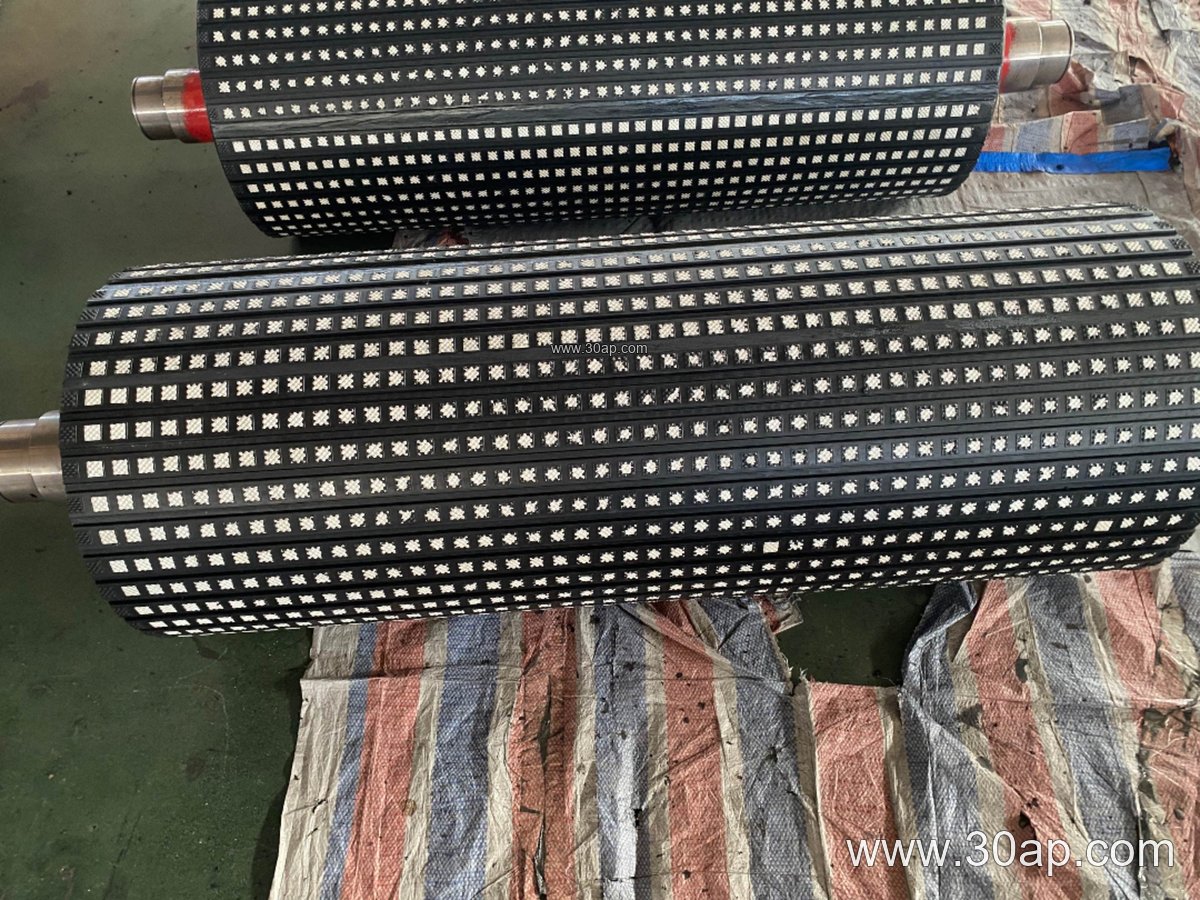
Surface form matters as much as the steel. A plain finish suits many non-driven positions, while rubber lagging improves grip at the drive and protects the shell from abrasion. Common lagging options include hot vulcanized rubber, cold bonded rubber, diamond grooving, herringbone grooving, and ceramic tiles. Lagging thickness is often 8, 10, 12, 15, or 20 mm depending on duty.
Where Welded Pulleys Are Used
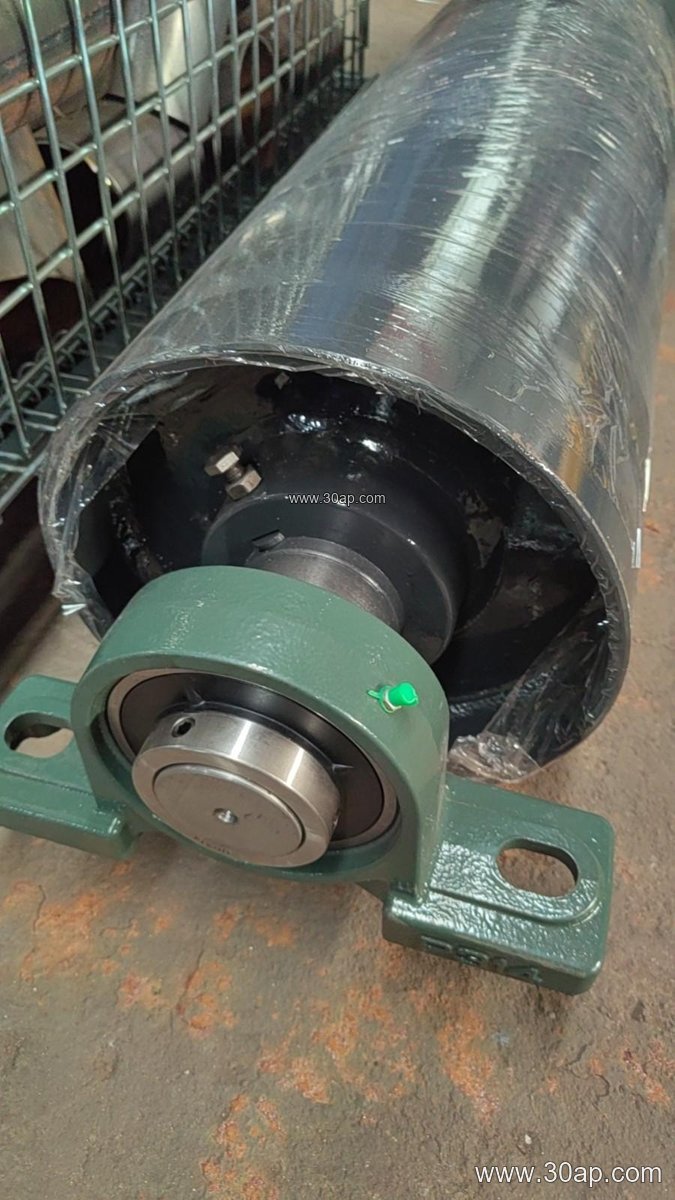
Fabricated drums appear in quarry plants, cement works, coal handling, power station coal yards, and sand and aggregate lines. A welded pulley at the head of a crusher discharge conveyor may run under impact and dust, while one at a tail position on a stockyard belt sees more of the belt’s return side. In a coal preparation plant or a port bulk terminal, the same drum style may be asked to resist moisture and fine dust.
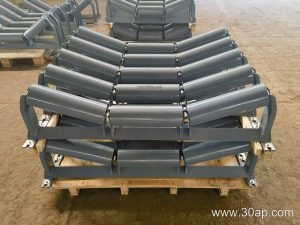
The pulley does not work alone. It pairs with the conveyor belt, the idler roller set that supports the belt, and the conveyor bracket that holds the bearing housing. Matching these parts correctly keeps the whole conveyor pulley assembly aligned.
Sizes and Common Combinations
Dimensions are set by the conveyor design, not by a single rule. Belt width, shaft load, torque, and belt tension all influence the choice. The table below shows reference values often seen in catalogs; treat them as examples, not fixed pairings.
| Belt width (reference) | Shell face width (approx.) | Example diameter |
|---|---|---|
| B400 | 500 mm | Ø200, Ø250 |
| B500 | 600 mm | Ø250, Ø315 |
| B650 | 750 mm | Ø315, Ø400 |
| B800 | 950 mm | Ø400, Ø500 |
| B1000 | 1150 mm | Ø500, Ø630 |
| B1200 | 1400 mm | Ø630, Ø800, Ø1000 |
| B1400 | 1600 mm | Ø800, Ø1000 |
| B1600 | 1800 mm | Ø1000, Ø1250 |
| B1800 | 2000 mm | Ø1250, Ø1400 |
Shaft diameter is a separate decision. Values such as Ø80, Ø100, Ø120, Ø140, Ø160, and Ø180 mm are common, but the correct size follows torque and bearing load, never belt width alone. A B1200 x Ø1000 drum and a B800 x Ø500 drum can both be reasonable in different conveyors.
Selection Points for Buyers
- Confirm the pulley position: drive, tail, bend, take-up, or snub. Each has different load and grip needs.
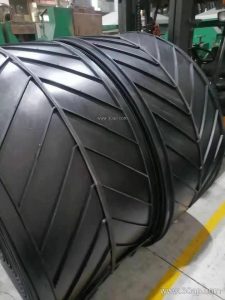
- State the belt type and duty. An abrasion resistant conveyor belt in a quarry and a heat resistant conveyor belt near a kiln discharge place different demands on the drum.
- Choose lagging for the job. Plain, diamond, herringbone, or ceramic surfaces are chosen for grip, cleaning, or wear.
- Give the shaft load and torque so the hub and shaft can be sized properly.
- Check bearing housing and bracket fit against the conveyor frame before ordering.
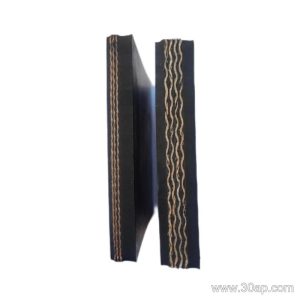
For users working with EP conveyor belt or steel cord conveyor belt systems, the drum drawing should always be checked against the actual belt tension. A welded pulley built to the right drawing will run true, track well, and give long service in demanding plants such as mines, cement lines, and power stations.