What an Iron Ore Conveyor Belt Is
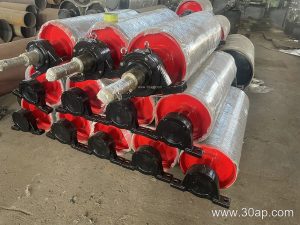
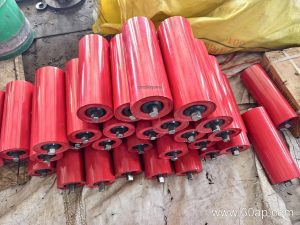
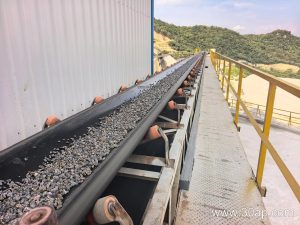
An iron ore conveyor belt is a heavy-duty rubber belt designed to move crushed or lump iron ore over long distances in mining, port, and steel plant operations. Unlike a general-purpose conveyor belt, this belt must resist sharp edges, high impact, and abrasive dust while maintaining steady tension around pulleys and idlers. The belt is the load-bearing component of a conveyor system, working with conveyor pulleys, idler rollers, and conveyor brackets to keep material flowing from crusher to stockpile or ship loader.
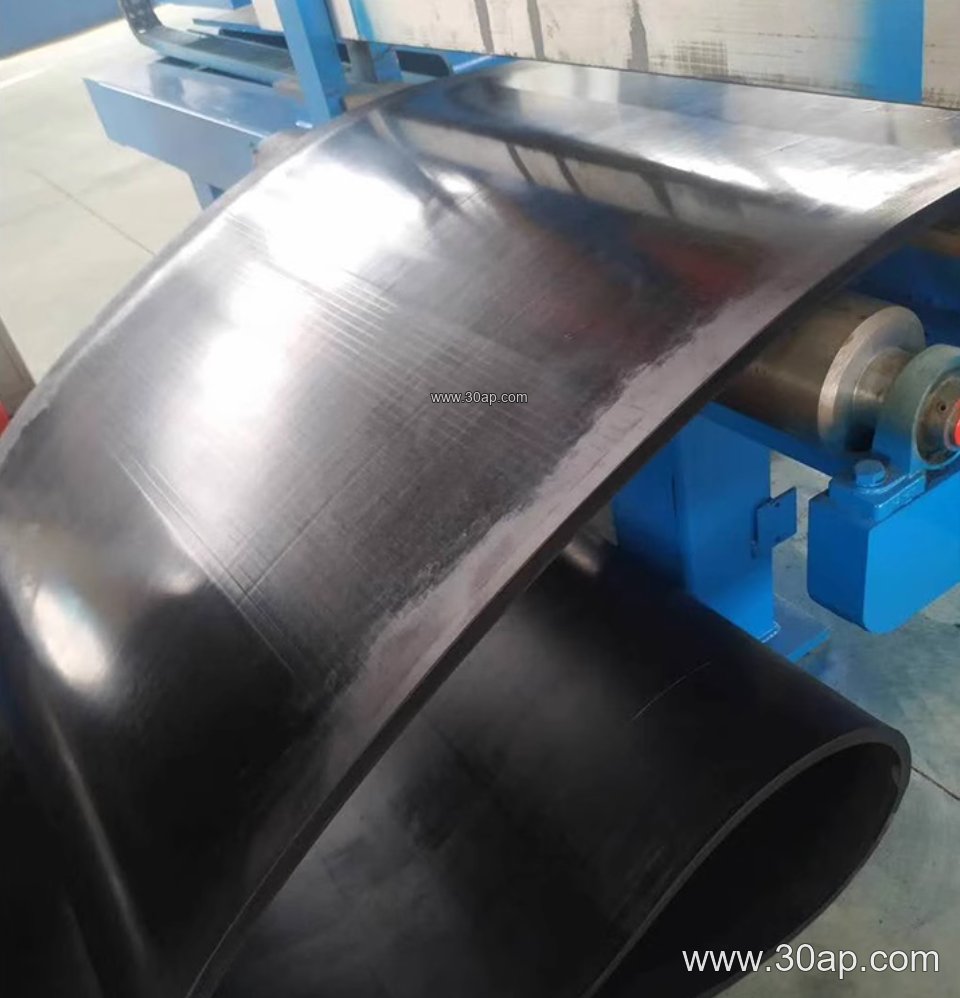
Core Construction
Most iron ore belts use a fabric core or steel cord core. A steel cord conveyor belt provides high tensile strength for long overland hauls, while an EP conveyor belt (polyester-nylon fabric) or NN conveyor belt (nylon-nylon) offers flexibility and resistance to fatigue in shorter or more complex routes. The cover rubber is typically abrasion resistant, often with a high abrasion resistant compound to handle the sharp, dense nature of iron ore. Some installations also use a flame retardant conveyor belt or fire resistant conveyor belt where regulatory or safety conditions require it, though iron ore itself is not combustible.
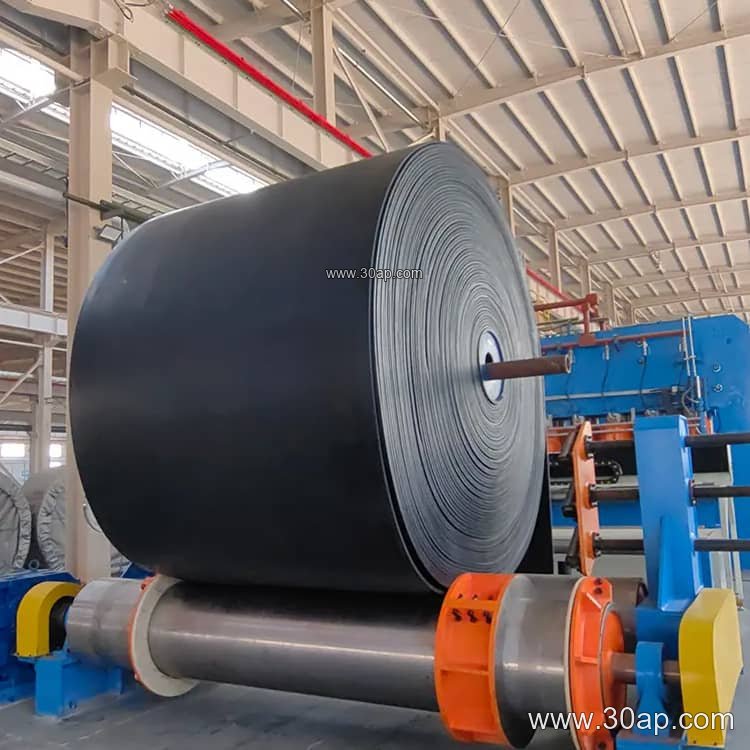
Common Specifications
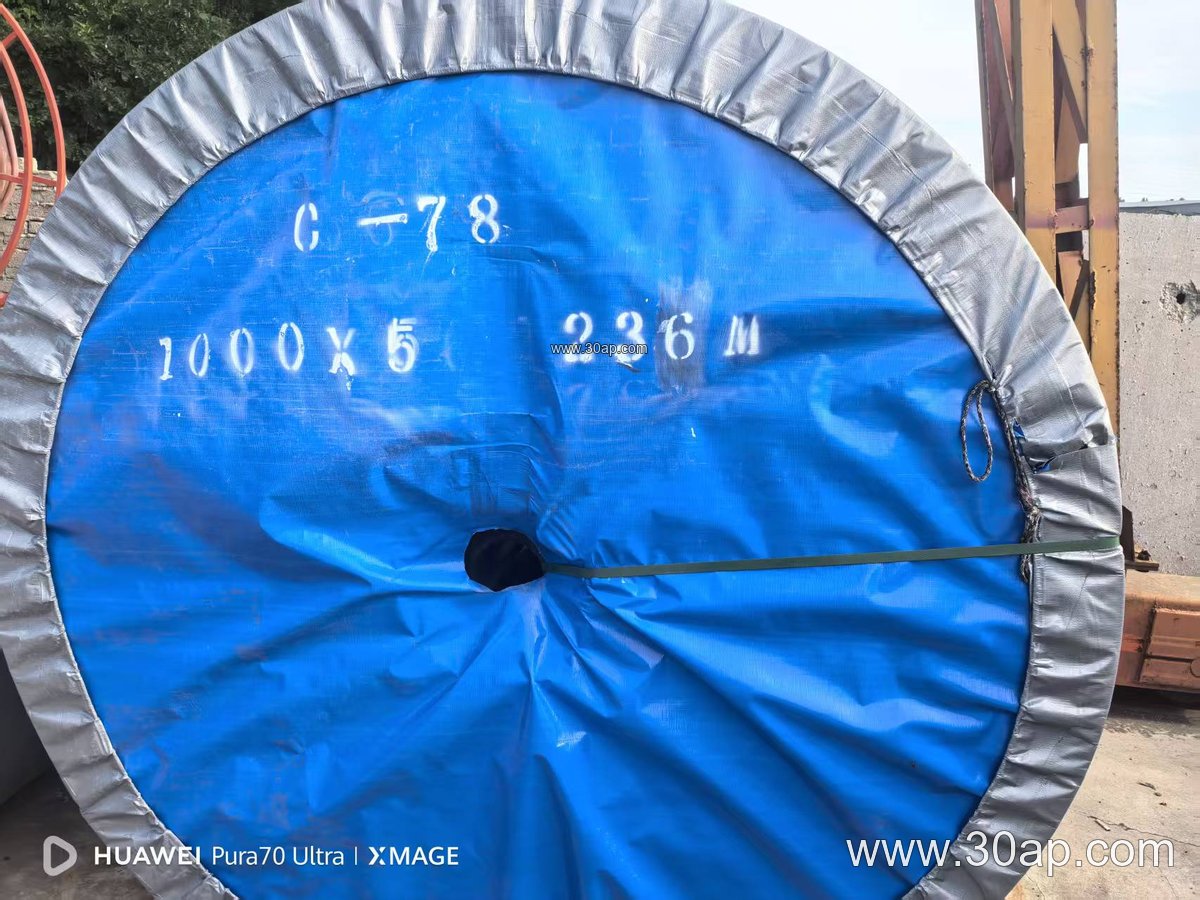
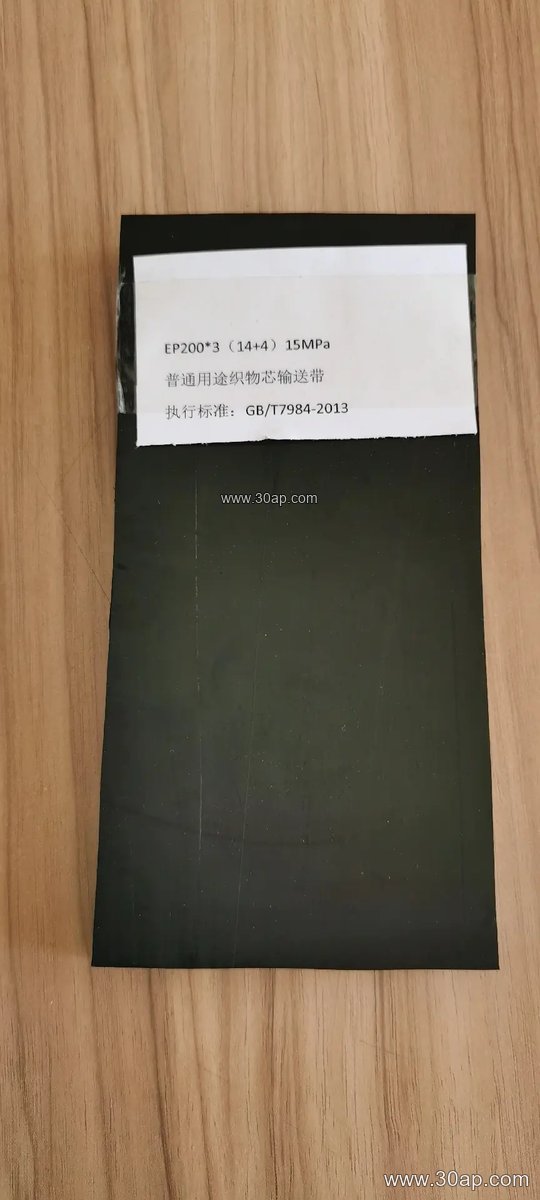
Belt width and strength are selected based on tonnage, lump size, and conveyor geometry. The table below shows typical reference values; actual supply depends on the conveyor design and manufacturer.
| Parameter | Common Reference Range |
|---|---|
| Belt width (B) | B800, B1000, B1200, B1400, B1600, B1800, B2000 |
| Fabric core strength (EP/NN) | EP200, EP400, EP630, EP800, EP1000, EP1250 |
| Steel cord strength (ST) | ST1000, ST1600, ST2000, ST2500 |
| Cover thickness (top + bottom) | 4+2 mm, 5+2 mm, 6+2 mm, 8+3 mm |
| Fabric plies | 2 to 6 layers, depending on strength grade |
These values are not universal; a belt width does not dictate a single pulley diameter, and shaft sizes are determined by the conveyor designer, not by belt width alone.
Where It Is Used
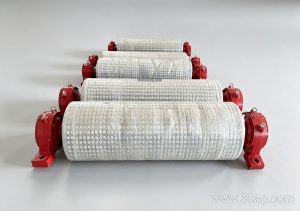
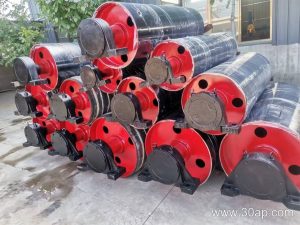
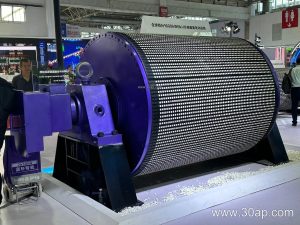
Iron ore handling spans several industries. In mining, a heavy-duty mining conveyor belt carries ore from the pit or underground crusher to the processing plant. At ports, ship loading conveyor belts move iron ore fines and lumps onto vessels. Steel plants use iron ore conveyor belts to feed sinter plants and blast furnaces. Quarry conveyor belts and aggregate conveyor belts may also handle iron ore byproducts. The belt works alongside conveyor pulleys—drive, tail, and bend pulleys each have distinct roles—and idler rollers that support the belt along its path. Conveyor brackets hold the idlers and pulleys in alignment.
Buyer Checklist
- Material characteristics: Confirm lump size, moisture, and temperature. Iron ore is abrasive; specify an abrasion resistant conveyor belt cover. If the ore is oily or chemically treated, consider an oil resistant conveyor belt or chemical resistant conveyor belt.
- Strength grade: Match the belt to the conveyor’s maximum tension. For long overland routes, a steel cord conveyor belt (e.g., ST1600 or ST2000) may be needed; for shorter plant conveyors, an EP conveyor belt such as EP630 or EP800 is often sufficient.
- Cover thickness: Thicker covers (6+2 mm or 8+3 mm) last longer under sharp ore impact, but add weight and cost.
- Safety and environment: In enclosed or underground settings, an anti-static conveyor belt or flame retardant conveyor belt may be required. Cold climates may call for a cold resistant conveyor belt.
- System compatibility: Ensure the belt dimensions match the conveyor pulleys and idler rollers. Do not assume a fixed shaft diameter from belt width; verify with the conveyor manufacturer.
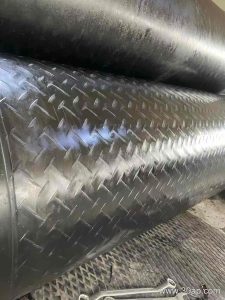
For specialized transport routes, a pipe conveyor belt or corrugated sidewall conveyor belt can contain material and reduce spillage, but these are different belt types and should be evaluated as separate solutions. A chevron conveyor belt or skirted conveyor belt may help on steep inclines, yet the standard iron ore conveyor belt remains the flat, heavy-duty workhorse for most bulk material conveyor belt systems. Regular inspection of belt edges, splice areas, and idler rollers helps prevent unplanned downtime. For more information on compatible components such as conveyor idlers and pulleys, visit www.beltconveyorparts.com or www.conveyorbeltidler.com.