What a Durable Conveyor Idler Does on the Line
A durable conveyor idler is the rotating support under the belt that carries the load from one transfer point to the next. In practice, plant teams often call the same component an idler roller, and both terms describe the roller assemblies mounted on the conveyor bracket along the carrying and return sides. The belt moves, the material rides on top, and the idlers take the weight, impact and abrasion load day after day.
Durability is not a single feature. It comes from the combination of shell material, bearing protection, shaft fit and the way the roller is sealed against dust and water. On a quarry conveyor belt or an ore conveyor belt, a failed idler usually shows up first as a seized roller, a worn shell or grease leaking past a tired seal. Choosing a heavier-duty design at the start is often cheaper than repeated replacement.
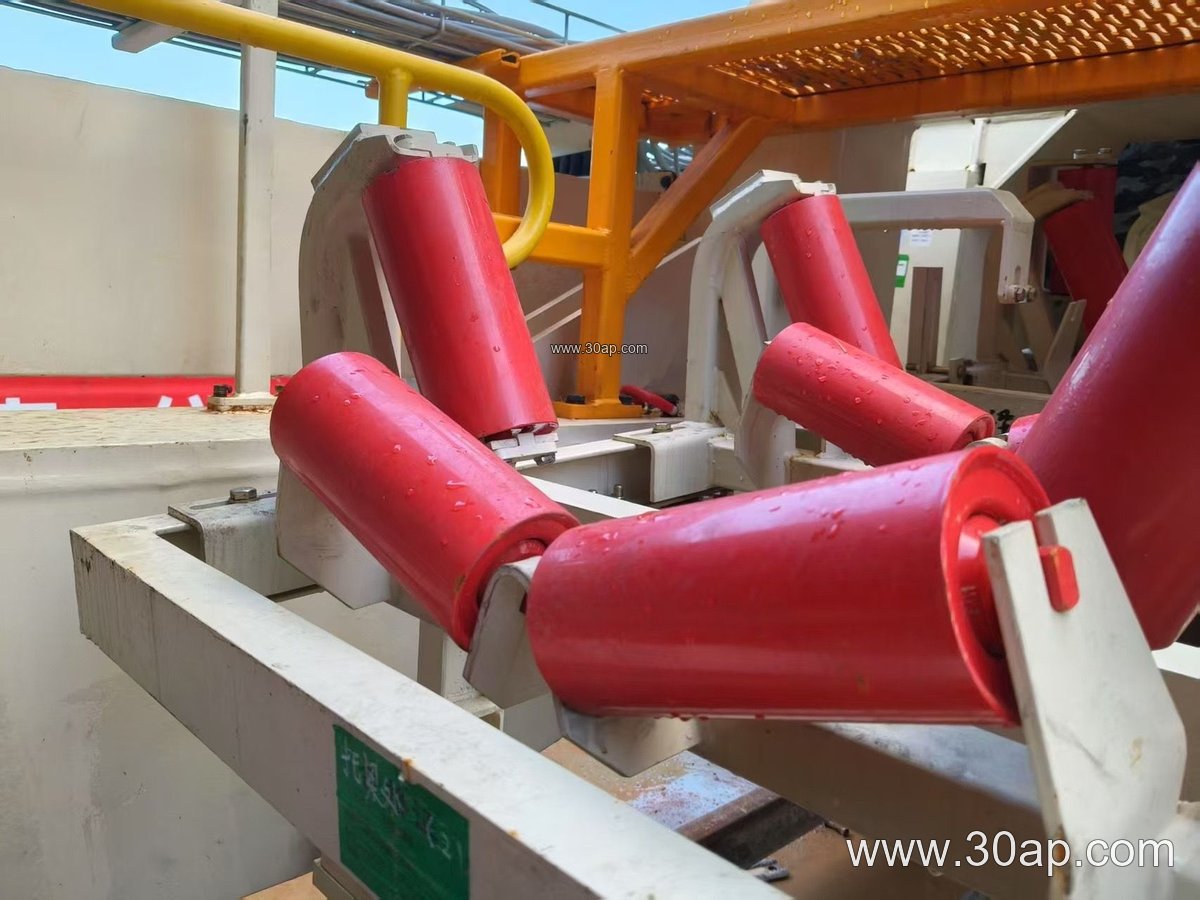
How the Roller Is Built
A typical durable idler roller has a steel tube shell, a through shaft, bearing housings at both ends and a sealing arrangement that keeps fines out. The shell may be plain steel, nylon, ceramic or covered with rubber rings where impact is heavy. Bearing selection follows the load and speed of the application; common sizes include 6204, 6205, 6305, 6306, 6308 and 6310, and the same bearing number can suit more than one roller diameter depending on the duty.
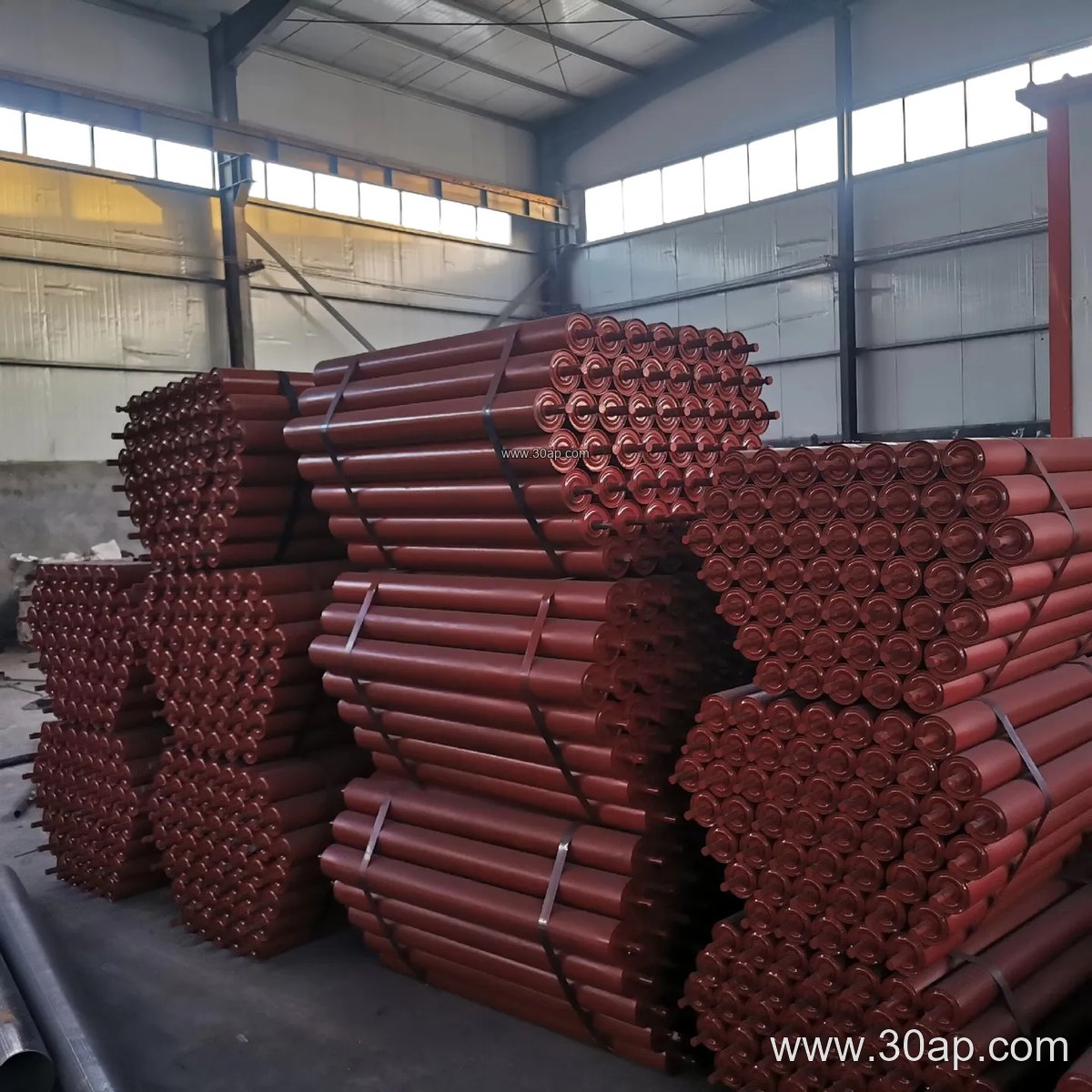
Roller diameter is usually chosen together with belt width and load, not in isolation. Common diameters include Ø63, Ø76, Ø89, Ø102, Ø108, Ø127, Ø133, Ø159, Ø178, Ø194 and Ø219. A small diameter suits light, low-speed runs, while larger diameters handle heavier loads and reduce rotation speed. The table below shows common reference values; actual selection depends on the conveyor design.
| Reference item | Common examples | Notes |
|---|---|---|
| Roller diameter | Ø63, Ø89, Ø108, Ø133, Ø159, Ø194 | Chosen with load, speed and belt width |
| Belt width | B500, B650, B800, B1000, B1200, B1400, B1600, B1800, B2000 | Roller length varies with trough angle and frame form |
| Trough angle | 20°, 30°, 35°, 45° | Higher angles suit higher capacity and freer material |
| Bearing | 6204, 6205, 6305, 6306, 6308, 6310 | Matched to load and speed by design |
| Roller surface | Steel, nylon, ceramic, rubber ring | Rubber rings reduce impact on loading zones |
Roller length changes with belt width and frame type. As a common example, a three-roll troughing set may use roller lengths near 200 mm at B500, 315 mm at B800, 465 mm at B1200 and 600 mm at B1600. Side rollers and centre rollers can differ, so these figures are examples rather than fixed pairings.
Where These Idlers Earn Their Keep
In a limestone quarry or a stone crushing line, dust and sharp aggregate attack the seals and shell. A durable conveyor idler with good bearing protection keeps the belt tracking steadily through the crusher discharge and screening area. In a coal handling plant or power plant coal yard, flame retardant and anti-static properties of the belt matter, and the idlers must tolerate fine coal dust and occasional washdown.
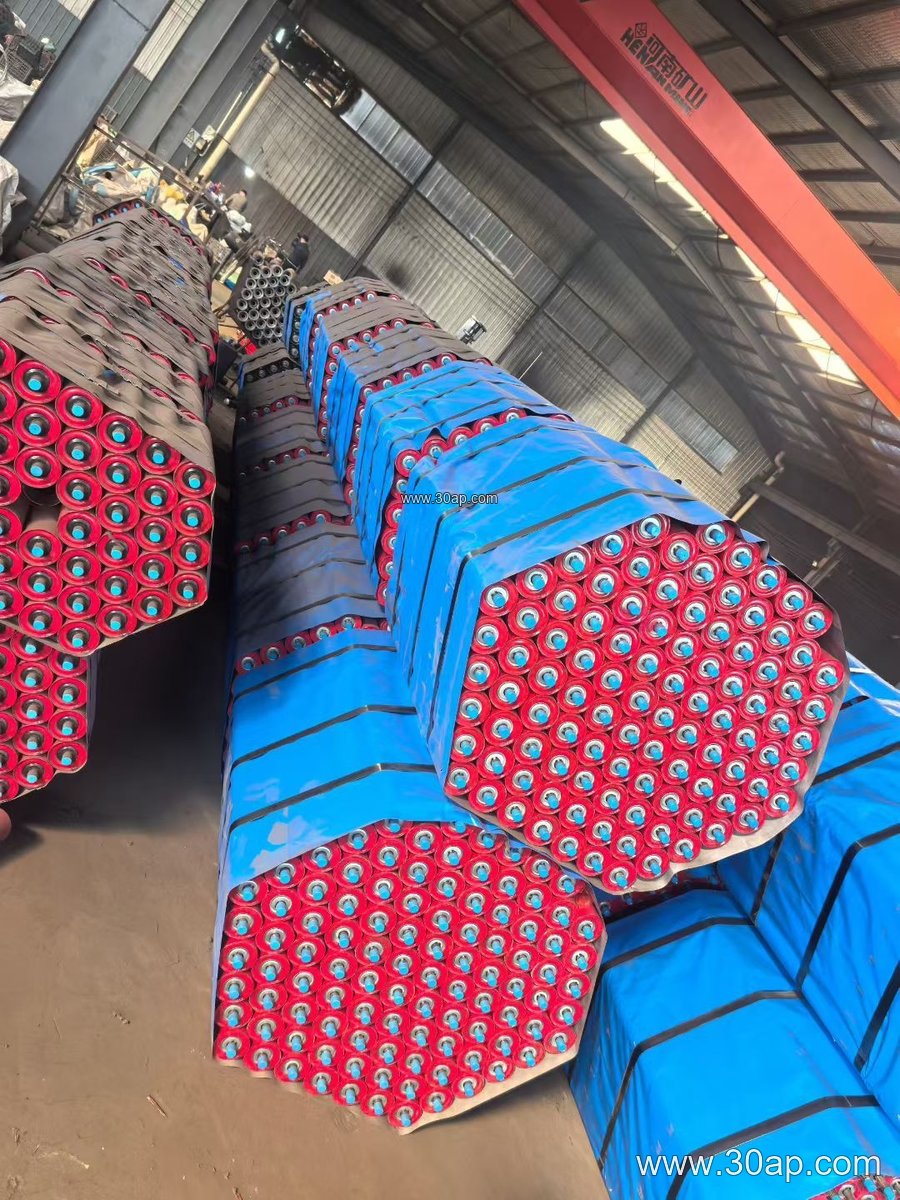
The same roller family appears under a quarry conveyor belt, an aggregate conveyor belt and a cement plant conveyor belt. In a port or ship loading system, long overland runs depend on low rolling resistance, so a well-sealed idler roller protects both energy use and belt life. Where a steel cord conveyor belt carries high tension over long distances, idler alignment and roller quality become even more important.
Matching the Idler to the Duty
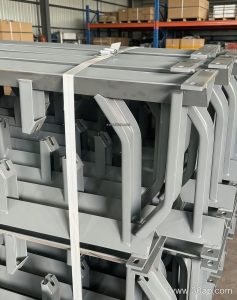
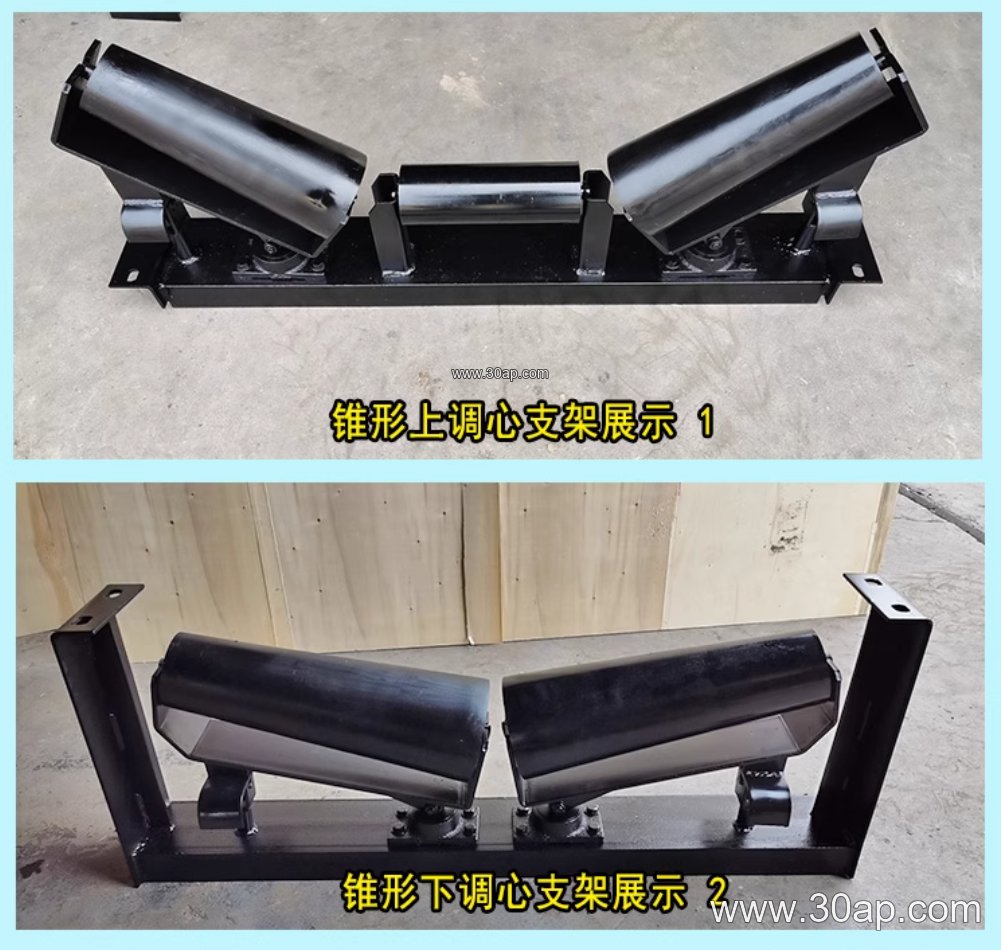
Buyers should start with the belt width, the material being carried and the loading method. Impact zones at transfer points usually call for impact idlers or rubber-ring rollers, while the carrying run uses troughing sets at 20° to 45°. Return runs may use flat or V-return rollers to keep the belt clean and centred. Self-aligning idlers help where the belt tends to wander.
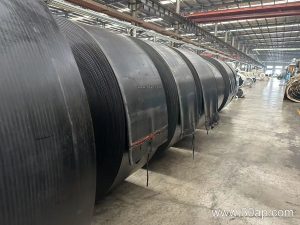
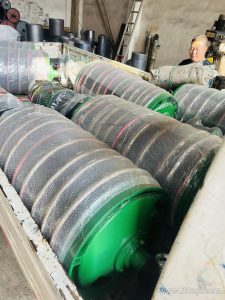
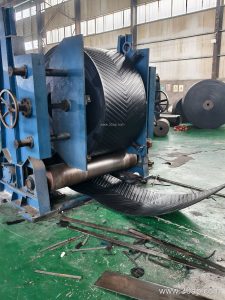
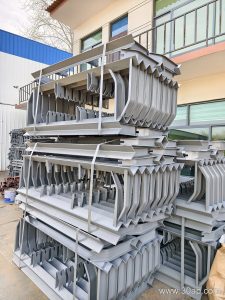
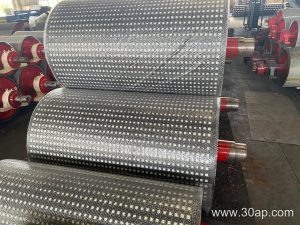
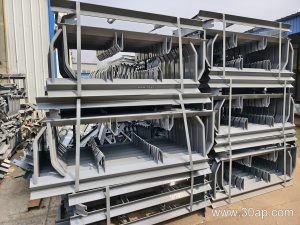
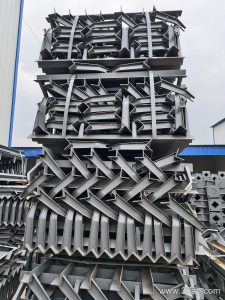
It also helps to review the full conveyor package together: the conveyor belt, the conveyor pulley at drive and tail, the conveyor bracket and the roller set. A heavy-duty mining conveyor belt or a high abrasion resistant conveyor belt may justify a stronger idler schedule, while a food grade conveyor belt line needs rollers that are easy to clean. For reference, many plants search under terms such as conveyor idler roller for spare planning, and some buyers review options at www.tuolongconveyor.com when comparing roller and belt specifications.
Buyer Checklist Before Ordering
- Confirm belt width and trough angle so roller length and frame fit correctly.
- State the material, lump size and loading impact, not just the tonnage.
- Ask about bearing size, seal type and shell thickness rather than diameter alone.
- Check that the roller surface suits the environment: steel for general duty, rubber rings for impact, ceramic or nylon where wear is severe.
- Plan spare rollers for the highest-wear positions, especially transfer points and tail areas.
- Keep mounting dimensions consistent with the existing conveyor bracket.
A durable conveyor idler is a small part of the conveyor but a large part of its uptime. Matching roller diameter, bearing, seal and surface to the real working condition is what keeps a quarry, coal yard or cement plant line running without constant stoppages.