What Conveyor Bracket Procurement Covers
Conveyor bracket procurement is the process of sourcing the steel supports that hold idler rollers in position along a conveyor frame. These brackets, often called idler support brackets or roller mounting brackets, sit between the stringer and the roller and set the trough angle, spacing, and alignment that keep a conveyor belt running true. Buyers who treat them as minor hardware often pay for it later through misaligned rollers, edge damage, and spillage. Getting the bracket specification right is a small cost compared with the downtime it prevents.
How a Conveyor Bracket Is Built
Most brackets are fabricated from angle steel, channel steel, or folded steel plate, then drilled or punched for mounting bolts and roller shafts. A typical troughing bracket carries three rollers at a fixed or adjustable angle; a return bracket supports the belt on the lower run, sometimes with a V-shaped arrangement to encourage self-centering. Welds should be continuous at load points, and hole positions must match the roller shaft and frame spacing. Galvanized or painted finishes are common where moisture or dust is present.
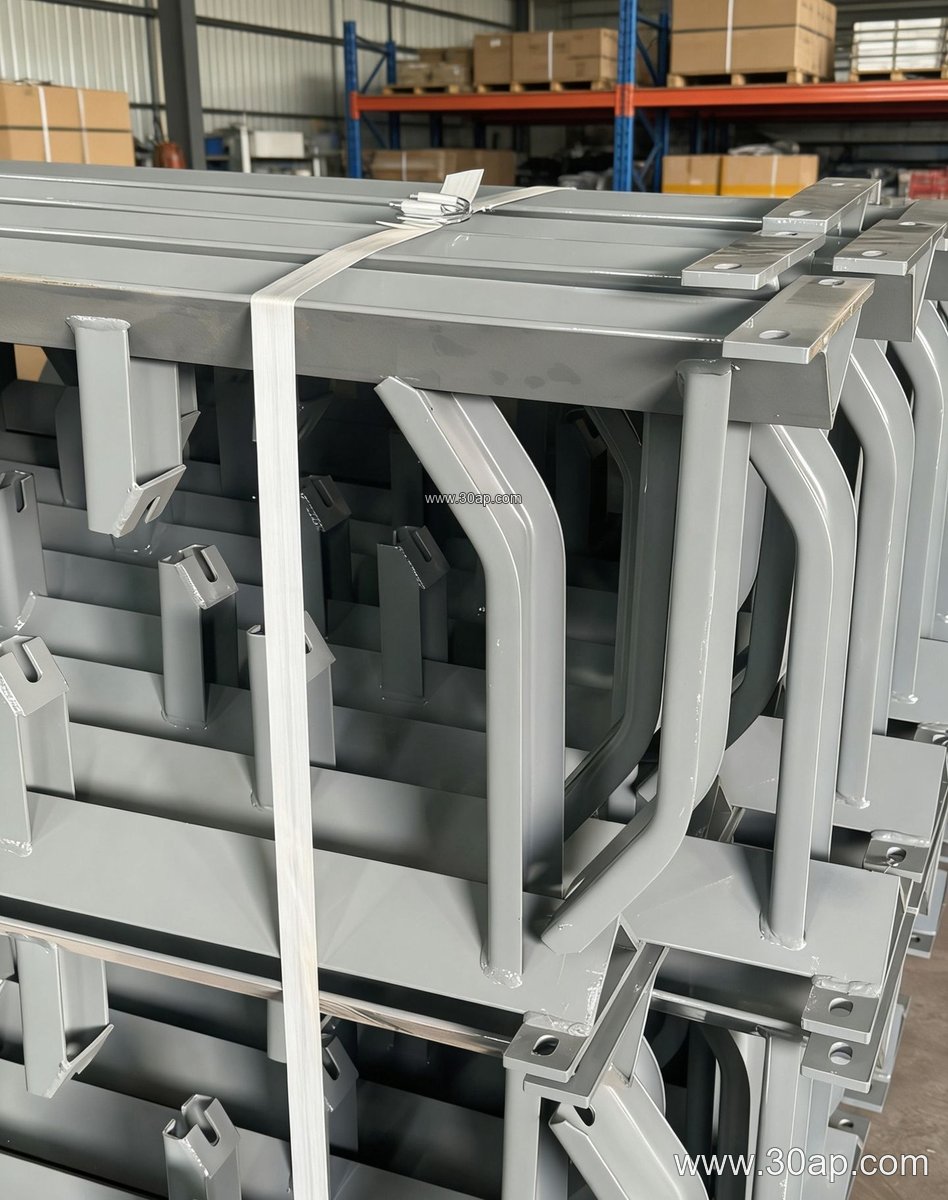
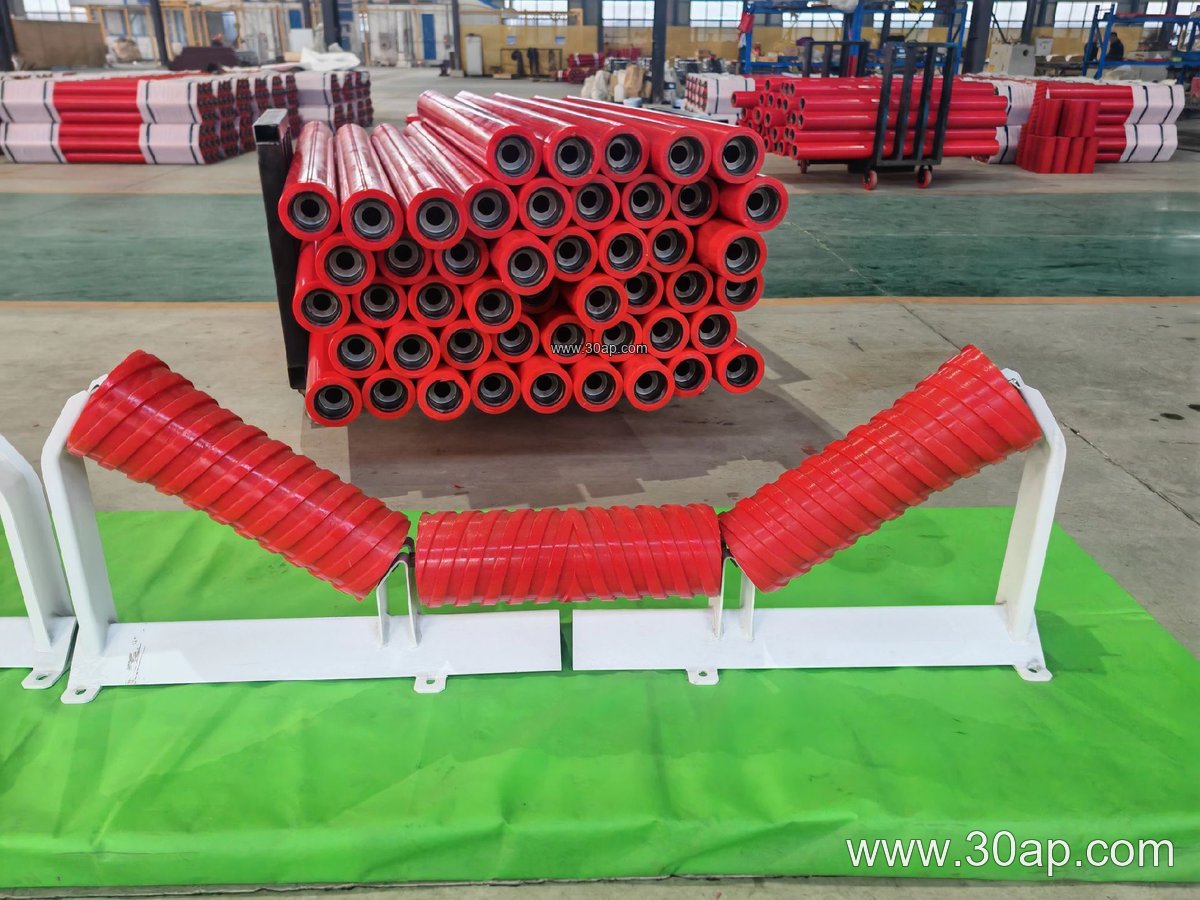
- Material: angle steel, channel steel, folded plate
- Common trough angles: 20, 30, 35, and 45 degrees
- Adjustable brackets allow the angle to be changed on site
- Forward-leaning designs are usually set around 1.5 to 2 degrees
Matching Brackets to Belt Width and Roller Diameter
Bracket length and mounting hole spacing follow the belt width and trough angle, so they are determined by design rather than picked from a single fixed table. Roller diameter also matters: a heavy-duty 1200mm wide conveyor belt carrying ore may use Ø133 or Ø159 rollers, while a lighter B650 line might use Ø89. The combinations below are common references, not mandatory pairings.
| Belt Width | Trough Angle | Roller Diameter | Typical Use |
|---|---|---|---|
| B500 | 20 degrees | Ø89 | Light aggregate lines |
| B650 | 30 degrees | Ø89 | Sand and gravel conveyors |
| B800 | 35 degrees | Ø108 | General bulk handling |
| B1000 | 35 degrees | Ø108 or Ø133 | Cement and power plant belts |
| B1200 | 45 degrees | Ø133 | Heavy ore and coal |
| B1400 | 35 to 45 degrees | Ø159 | Mining and port terminals |
| B1600 to B2000 | 35 to 45 degrees | Ø159 or Ø194 | High-capacity bulk systems |
Do not assume that one belt width can only match one pulley diameter or one trough angle. The correct figure comes from the conveyor design, belt tension, and material load.
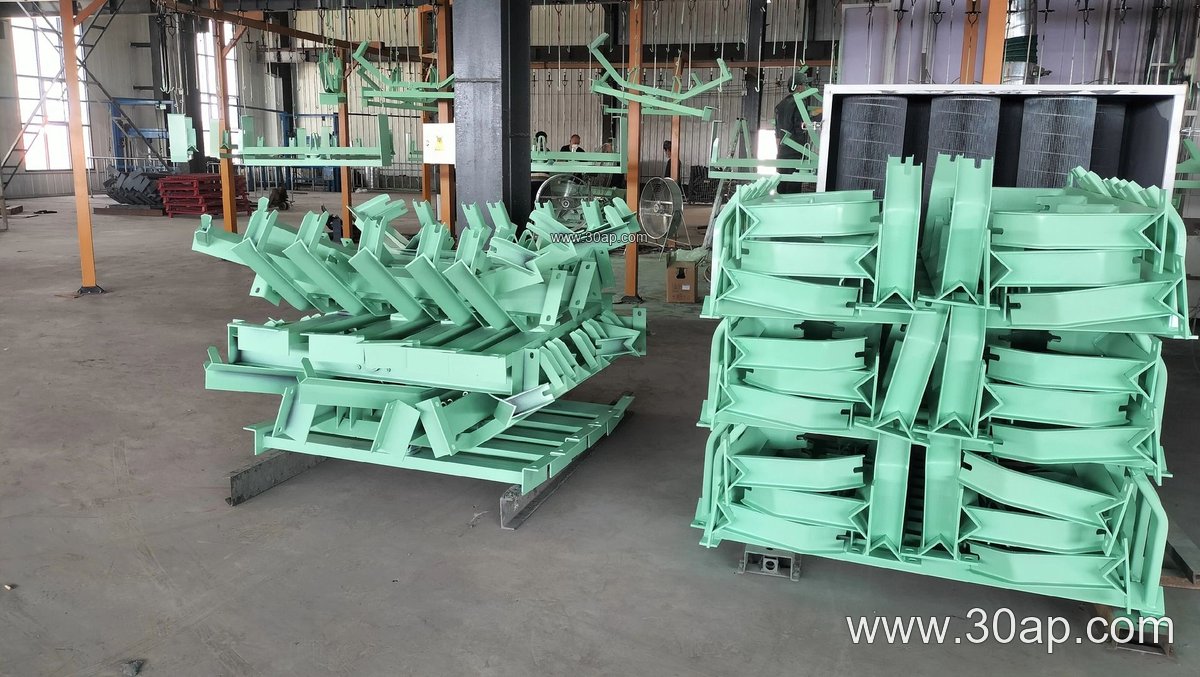
Where These Brackets Are Used
Idler support brackets appear wherever a belt needs controlled support. In a limestone quarry, troughing brackets hold rollers under a crusher conveyor belt handling sharp rock. In a coal washing plant, flame retardant conveyor belts run over brackets that must resist dust and moisture. Cement plants use them on clinker and raw meal lines, while power plant coal yards rely on sturdy return brackets to keep the belt centered. Port terminals and steel plants use wider frames with heavier brackets for high-tonnage duty.
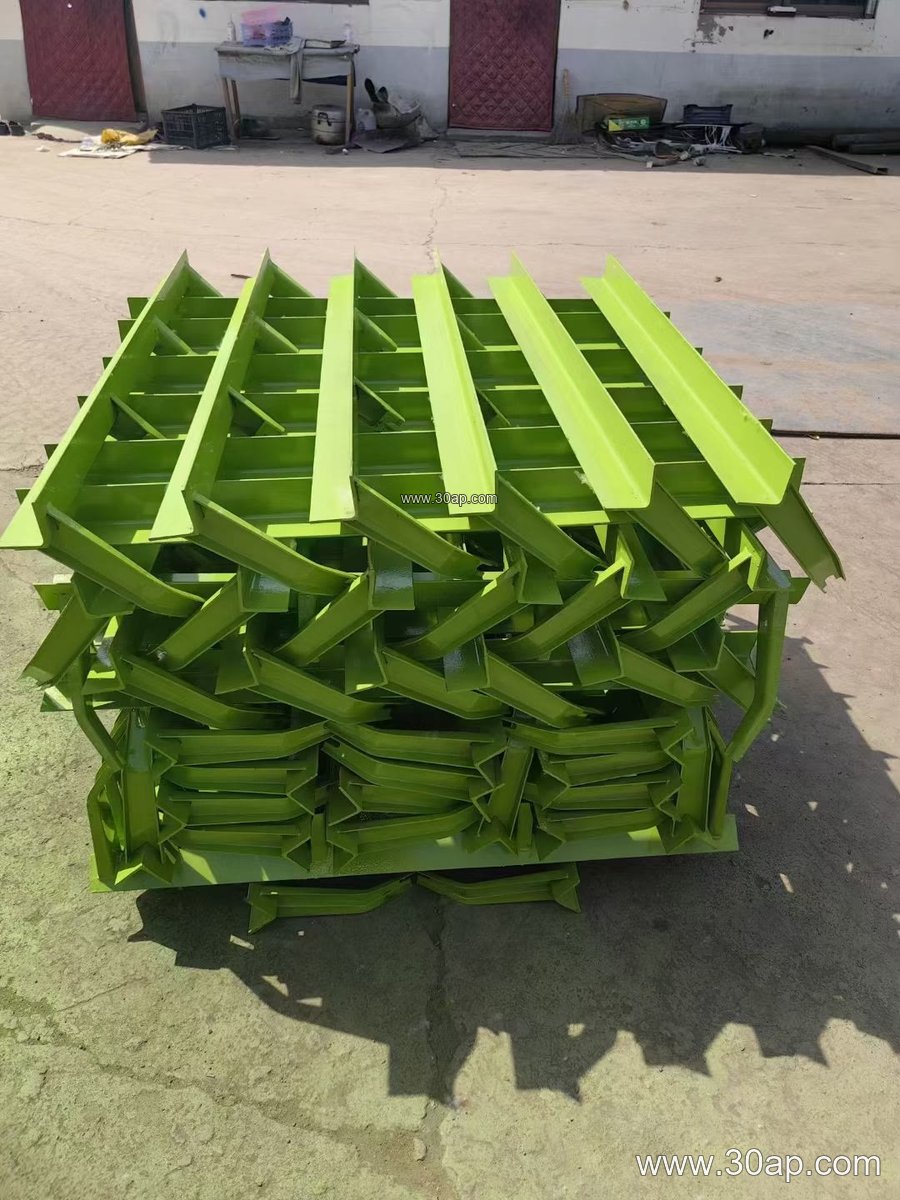
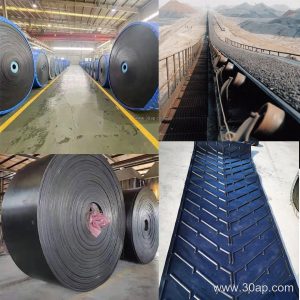
Bracket choice also interacts with the belt itself. A pipe conveyor belt or corrugated sidewall conveyor belt needs a frame layout that suits its profile, and a steel cord conveyor belt under high tension demands brackets with enough stiffness to avoid deflection. On a chevron conveyor belt or skirted conveyor belt, bracket height and roller position must clear the raised profile.
Fixed, Adjustable, and Specialized Brackets
Fixed troughing brackets are simple and rigid, suited to lines where the trough angle will not change. Adjustable brackets let maintenance staff fine-tune the angle between 20 and 45 degrees to reduce spillage or belt wander. Transition brackets ease the belt from flat to troughed at the tail, impact brackets sit under loading points to absorb shock, and self-aligning brackets correct minor tracking errors. Each serves a different purpose, so a procurement list should name the subtype rather than lumping them together.
Procurement Checklist
- Confirm belt width, trough angle, and roller diameter before ordering.
- State the bracket subtype: troughing, return, transition, impact, or self-aligning.
- Check mounting hole spacing against the existing frame and roller shaft.
- Specify material and finish for the site environment.
- Ask for dimensional drawings, not just a model number.
- Keep spare brackets for high-wear loading zones.
Good conveyor bracket procurement is about fit, not just price. A bracket that matches the frame, roller, and belt keeps the whole system running smoothly, whether the site is a quarry, a coal plant, or a port terminal.