What the Idler Does on a Sand and Gravel Line
On a sand and gravel production line, the conveyor belt carries a heavy, abrasive, and often wet load from the crusher discharge to the screening deck and on to the stockpile. The idler roller is the small but hardworking component that supports that belt, keeps it tracking, and absorbs the punishment of rock and grit. A well-chosen sand and gravel production line idler reduces belt wear, cuts downtime, and keeps the whole circuit moving.
These idlers are not a single product. They are a family of rollers arranged in groups along the conveyor structure, and each position on the line asks something different of the roller.
How a Sand and Gravel Production Line Idler Is Built
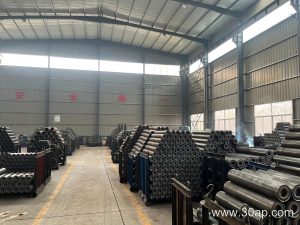
Most idlers share the same basic anatomy: a steel tube shell, a shaft, bearing housings, and a sealing system that keeps dust and water out. In aggregate duty, the shell is usually a steel tube, though nylon, ceramic, and rubber-ring surfaces appear where abrasion or build-up is a concern. Bearings such as 6204, 6205, 6305, 6306, 6308, or 6310 are common; the correct bearing depends on load and roller diameter, not on belt width alone.
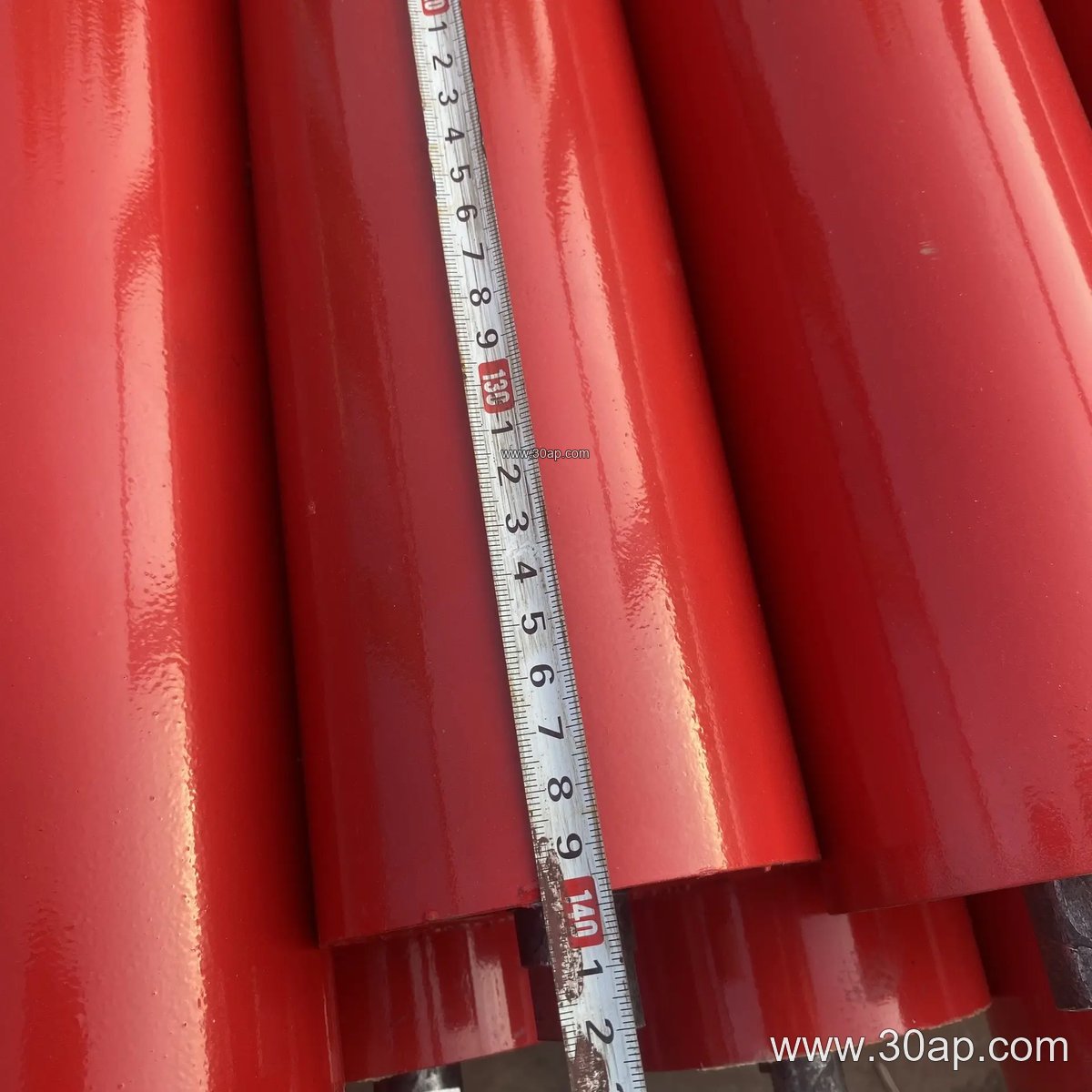
Sealing matters as much as the bearing. Dust from crushing and screening finds every gap, so a labyrinth seal with good grease retention is typical for quarry conveyor idlers.
Where Each Idler Type Fits
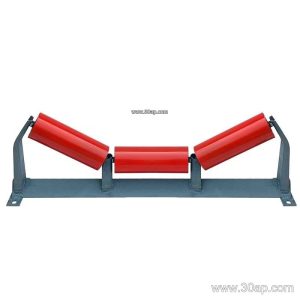
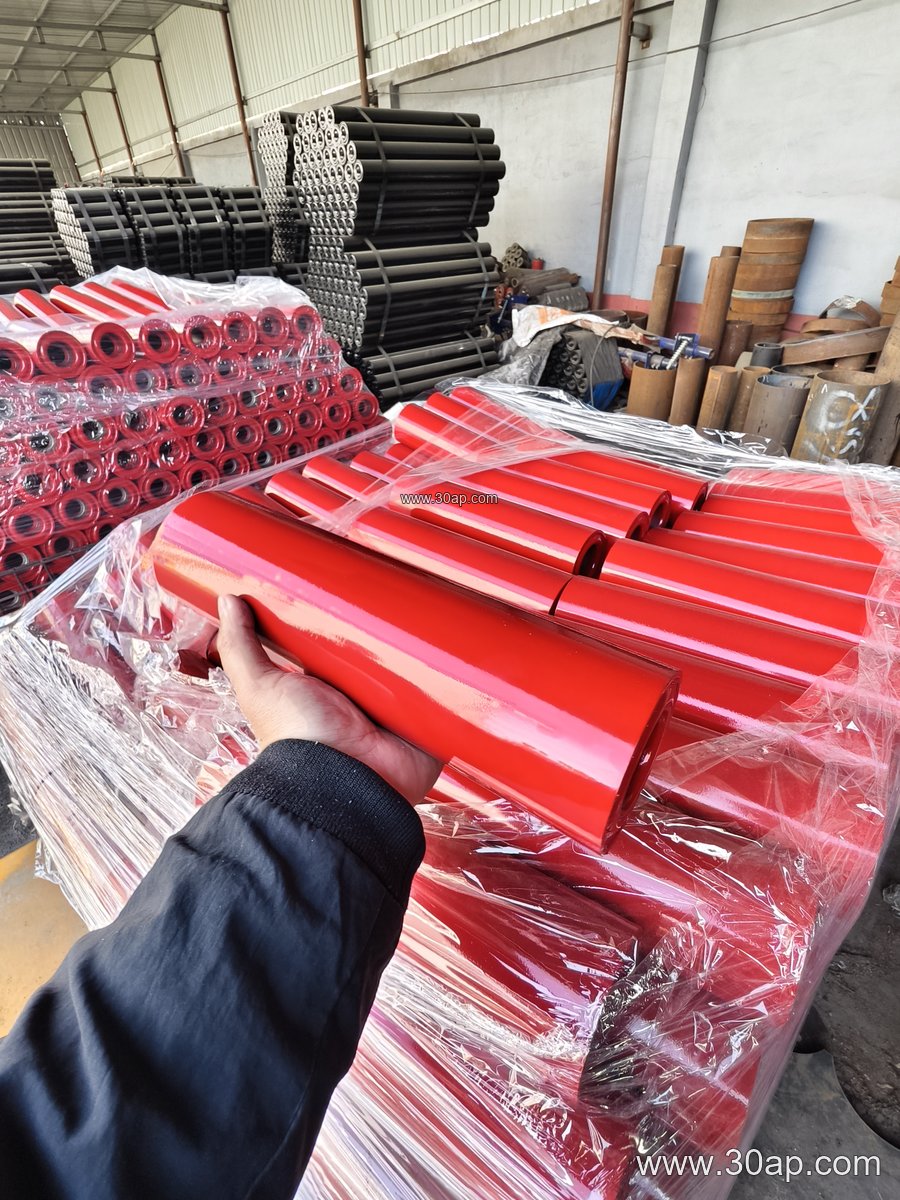
- Carrying side: three-roll troughing sets, typically at 20, 30, 35, or 45 degree trough angles, form the belt into a trough so material stays centered. A two-roll or single-roll arrangement may suit narrower belts.
- Loading points: impact idlers, including rubber-ring impact rollers, sit under the crusher discharge where lumps drop onto the belt and cushion the blow.
- Transition zones: transition idlers ease the belt from flat at the pulley to full trough, reducing edge stress.
- Return side: flat return rollers or V-type return idlers support the empty belt; spiral rollers help shed sticky fines.
- Tracking: self-aligning idlers, including friction and tapered types, correct minor belt drift on long runs.
Trough angle and roller length follow the belt width and the idler set design. For example, a three-roll troughing set might use a roller length of roughly 315 mm on a B800 belt or 465 mm on a B1200 belt, but side rollers and center rollers can differ. These are common examples, not fixed pairings.
Matching Idlers to the Conveyor and the Belt
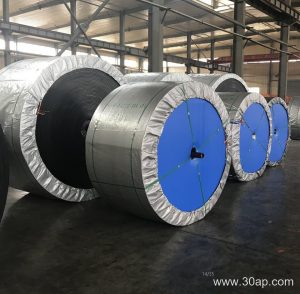
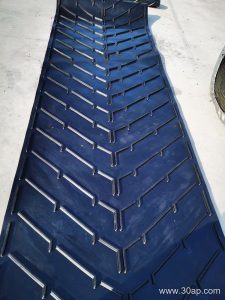
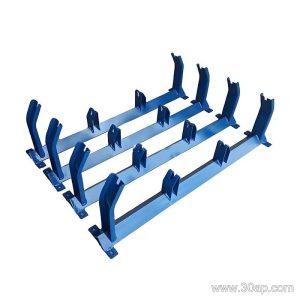
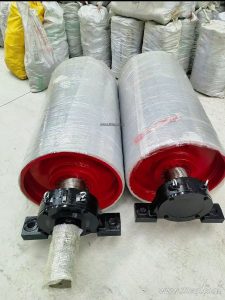
The idler works with the conveyor belt, the conveyor pulley, and the conveyor bracket, so selection should consider the whole system. A heavy-duty mining conveyor belt carrying coarse rock needs robust rollers and close idler spacing near the load point. An abrasion resistant conveyor belt helps the belt survive, but poor idlers will still shorten its life through misalignment and vibration.
Roller diameter is chosen from load, belt speed, and shaft strength. Common diameters include Ø89, Ø102, Ø108, Ø127, Ø133, Ø159, and larger sizes for heavy duty. Belt widths range from B400 up to B2400, and the idler frame must match the structure and the belt width.
Buyer Checklist
- Confirm belt width, trough angle, and idler set type before ordering.
- Check bearing size and seal design for dusty, wet aggregate conditions.
- Specify impact or rubber-ring rollers under crusher discharge.
- Ask about roller wall thickness and shaft material for heavy loads.
- Plan a spare roller stock for high-wear positions.
A sand and gravel production line idler is a small investment compared with the belt and the crusher, but it decides how smoothly the line runs. Choose by position and duty, keep the seals healthy, and the conveyor will reward you with fewer stoppages.