What a Conveyor Idler Does on the Line
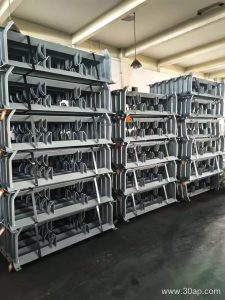
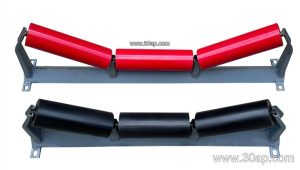
A conveyor idler is the rotating element that supports the conveyor belt and the material load along the carrying side and the return side. In a quarry, a coal washing plant, or a cement plant, these rollers keep the belt tracking smoothly and reduce friction between the belt and the structure. The idler roller works together with the conveyor pulley at the drive and tail ends, but it is not a pulley and should not be specified as one. The idler sits in a conveyor bracket or frame, and the assembly is usually called an idler set or idler group.
Because the belt carries different loads in different sections, the idler arrangement changes from one part of the conveyor to another. A three-roll troughing set on the carrying side is common for bulk material, while a single flat roll or a V-return set supports the belt on the return run. The same conveyor may use several idler types, each matched to its location and duty.
Construction Details That Affect Life
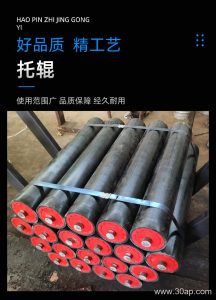
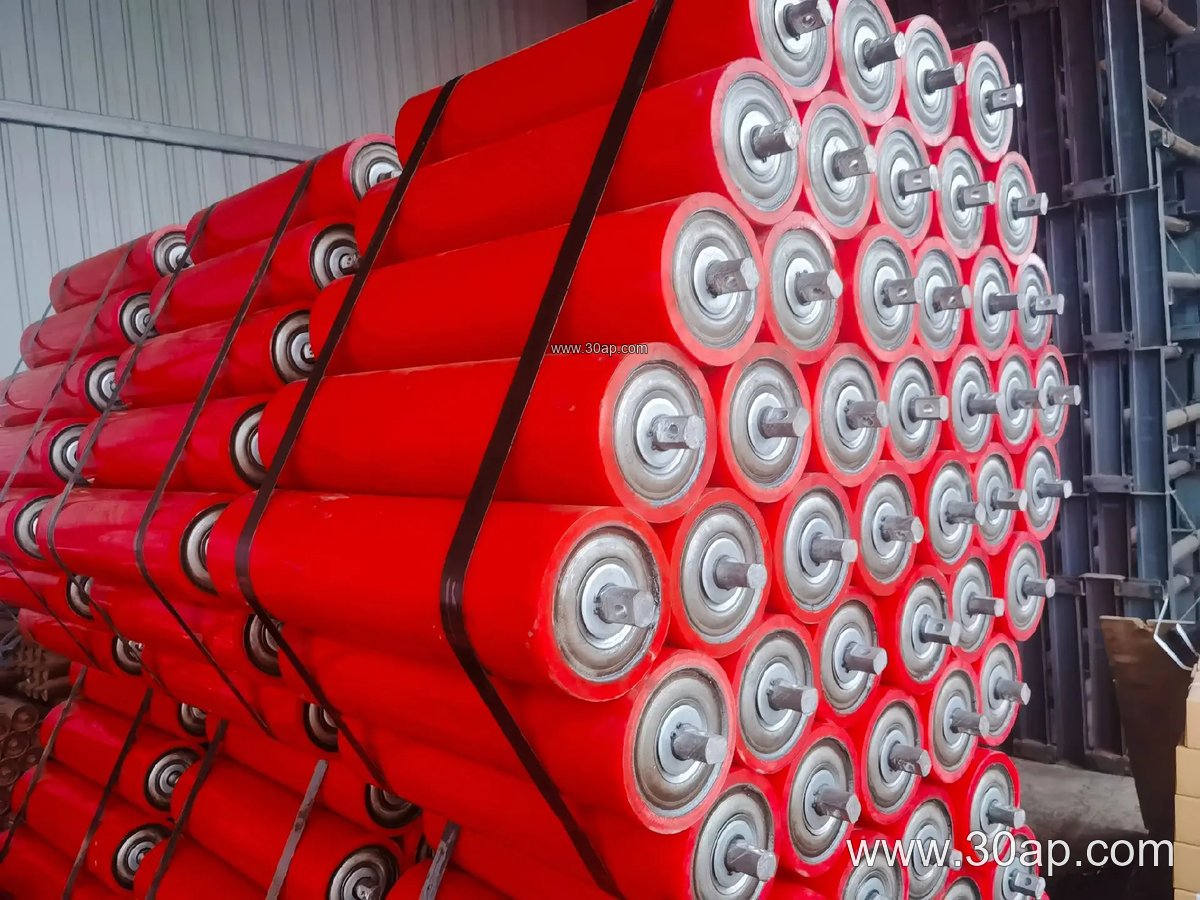
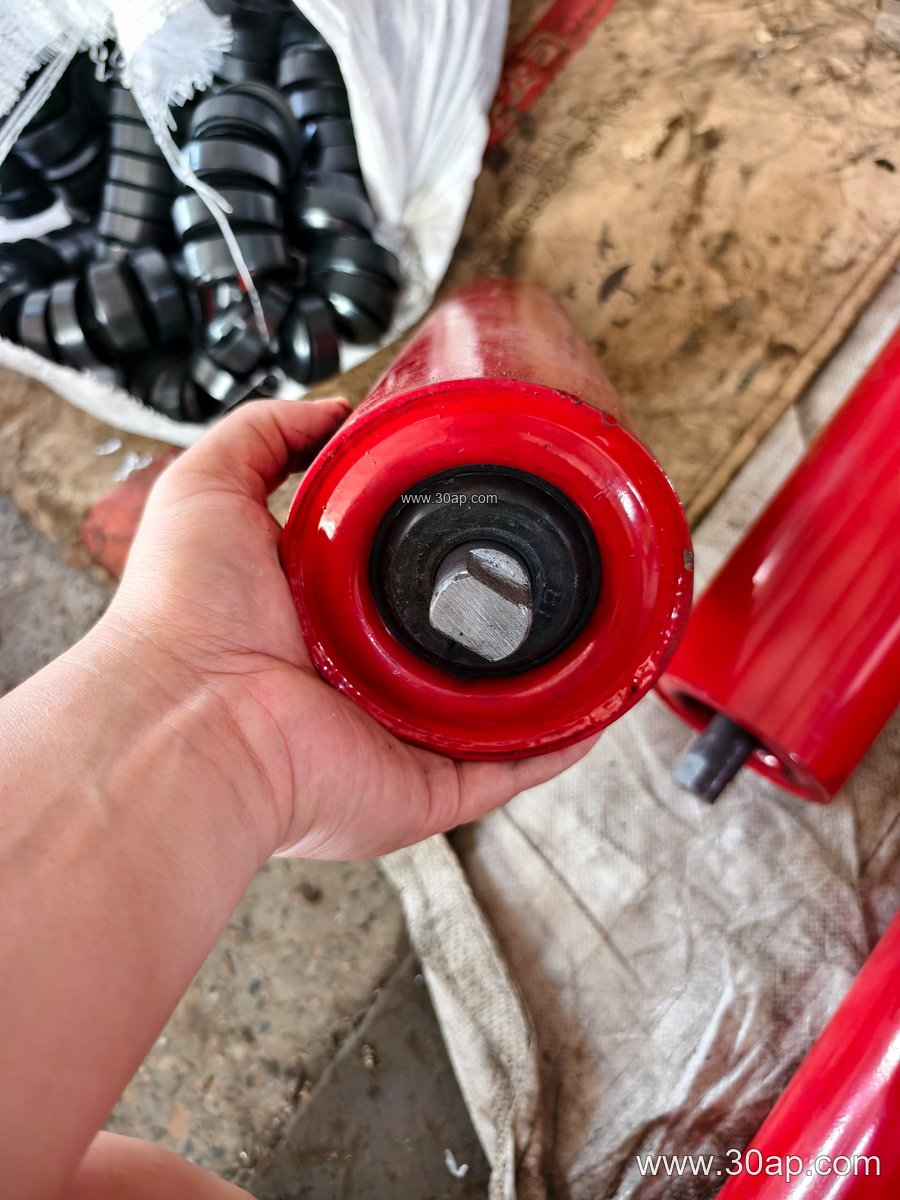
A typical idler roller is built from a steel tube shell, a shaft, bearing housings, and seals. The roller surface may be plain steel, nylon, ceramic, or covered with rubber rings for impact absorption. Bearing selection matters for speed and load; common sizes include 6204, 6205, 6305, 6306, 6308, and 6310, but a given bearing number is not tied to one roller diameter. Seal design is often the difference between long service in a dusty aggregate line and premature failure in a wet coal plant.
Roller diameter is usually chosen with belt width and belt speed in mind. Common diameters range from Ø63 mm and Ø76 mm for light duties up to Ø159 mm, Ø178 mm, and larger for heavy iron ore or high-tonnage applications. The shell length also varies with belt width and trough angle. For a three-roll troughing set, typical roll lengths are around 200 mm for B500, 250 mm for B650, 315 mm for B800, 380 mm for B1000, 465 mm for B1200, 530 mm for B1400, 600 mm for B1600, 670 mm for B1800, and 750 mm for B2000. These are common examples, not fixed pairings, and side rolls may differ from the center roll.
Matching Idler Type to Conveyor Section
On the carrying side, troughing idlers are arranged in two-roll or three-roll sets with trough angles of 20, 30, 35, or 45 degrees. A steeper trough angle can help contain a wide belt and reduce spillage in a transfer point, while a shallower angle may suit certain materials. Transition idlers are placed near pulleys to gradually change belt shape and reduce edge stress. Impact idlers with rubber rings are used under loading points in a crusher discharge or a ship loading line, where falling material would damage a standard roller.
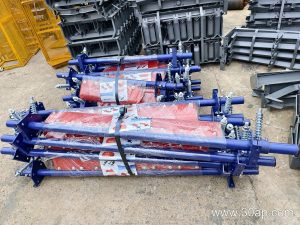
On the return side, flat return idlers or V-return idlers support the belt. Spiral idlers can help shed sticky material in a fertilizer or wet aggregate application. Self-aligning idlers, including friction and tapered types, are used where belt tracking is a concern. A training idler is not a substitute for proper pulley alignment, but it can correct minor drift on a long overland conveyor.
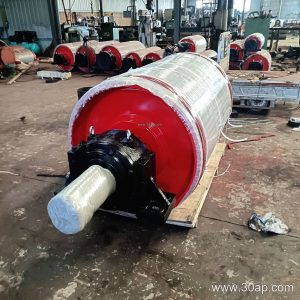
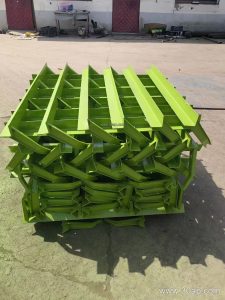
For comparison, a conveyor pulley at the drive or tail end transmits tension, while an idler only supports the belt. The two components are selected from different criteria and should not be interchanged in a specification. A conveyor bracket or frame ties the idler to the structure and must match the roll length and mounting dimensions.
Where These Rollers Are Used
Conveyor idlers appear in many bulk handling environments. In a limestone quarry or a sand and gravel line, troughing idlers carry crushed rock on a heavy-duty conveyor belt. In a coal washing plant or a power plant coal yard, flame retardant and anti-static belt grades are common, and idlers must tolerate dust and moisture. A cement plant uses idlers under clinker and raw meal belts, while a steel plant may handle sinter or coke. Port terminals and ship loading conveyors rely on idlers for long runs and high availability.
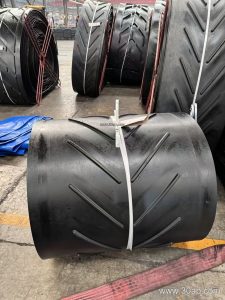
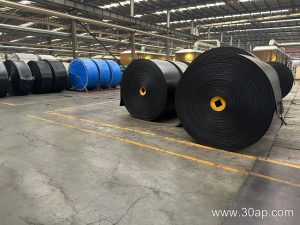
The belt itself may be a rubber conveyor belt, an EP conveyor belt, an NN conveyor belt, or a steel cord conveyor belt, and the idler selection should consider belt stiffness, load, and speed. A pipe conveyor belt or a corrugated sidewall conveyor belt may require special idler arrangements, so the idler layout should follow the conveyor design rather than a generic rule.
Buyer Checklist and Maintenance Notes
Before ordering, confirm the belt width such as B650, B800, B1000, or B1200, the trough angle, the roll length, the roller diameter, and the bearing size. Check the shaft end fixing and the bracket dimensions. Ask for the seal type and the shell thickness if the application is abrasive. For a coal mining conveyor belt or an underground coal mining conveyor belt, confirm that the idler and belt materials meet the site’s fire and anti-static requirements.
In service, listen for noisy rollers and check for seized bearings, worn shells, and material build-up. Replace damaged idlers promptly to avoid belt edge damage and mistracking. Keep a small stock of common sizes for critical conveyors, and record roller diameter and bearing number for each idler set. For more information on conveyor idler and belt compatibility, visit www.bulkconveyorparts.com/conveyor-idler or www.bulkconveyorparts.com/conveyor-roller.