What a Friction Idler Does on a Conveyor
A friction idler is a self-aligning carrying or return roller that uses friction between the rotating roller surface and the moving conveyor belt to steer the belt back toward the centerline. It is a common choice in quarry lines, coal handling plants and cement works where belts drift slowly and operators want a correction that needs no external power. The friction idler is not a drive pulley, tail pulley or bend pulley; those are conveyor pulleys that transmit or redirect belt tension, while this roller simply supports the belt and nudges its path.
How the Friction Idler Is Built
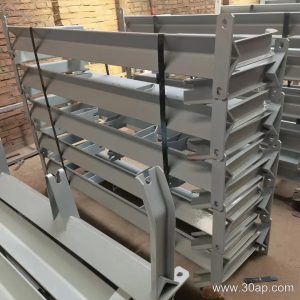
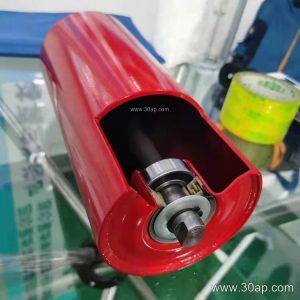
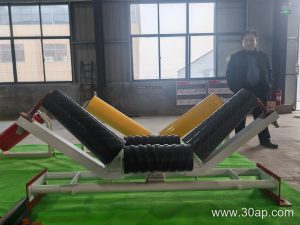
Most friction idlers mount a set of angled rollers on a pivoting frame. When the belt touches the roller face, the friction force rotates the assembly slightly about a vertical axis, and the resulting angle pushes the belt back to center. The frame is usually fixed to a conveyor bracket on the stringer, so installation follows the same layout as a standard idler station. Typical construction details include:
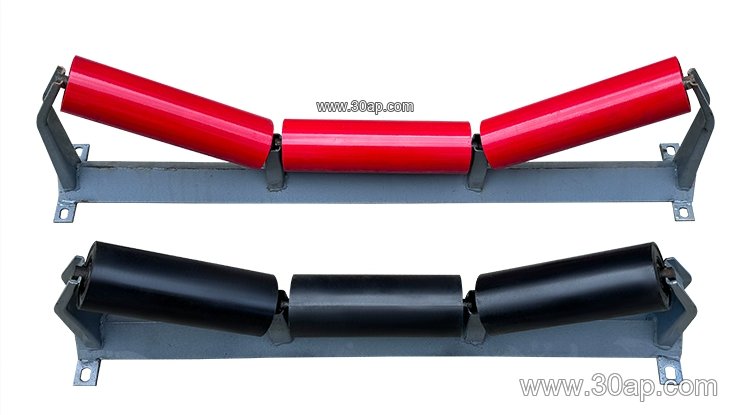
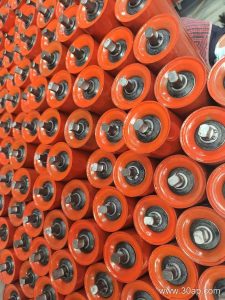
- Roller shell in steel tube, nylon or with a rubber ring surface for extra grip
- Sealed bearings, commonly 6204, 6205, 6305 or 6308, matched to shaft and load by the designer
- Pivot with a small clearance so the idler can swing but not chatter
- Powder-coated or galvanized frame for dusty, damp service
Because the friction idler works by contact, a worn or polished shell reduces its ability to self-correct. Inspectors often check roller rotation and surface condition together.
Where Friction Idlers Fit in a Belt Line
The friction idler is normally placed on the carrying side, a short distance after the feed point or where mistracking has been observed. In a limestone quarry or a sand and aggregate line, a few self-aligning stations along the return run can keep an abrasion resistant conveyor belt from rubbing the frame. In a coal handling plant, a flame retardant conveyor belt benefits from the same correction because edge contact with structure is a common source of damage. On a long overland run carrying iron ore conveyor belt grades, the friction idler is usually combined with training idlers at intervals rather than installed everywhere.
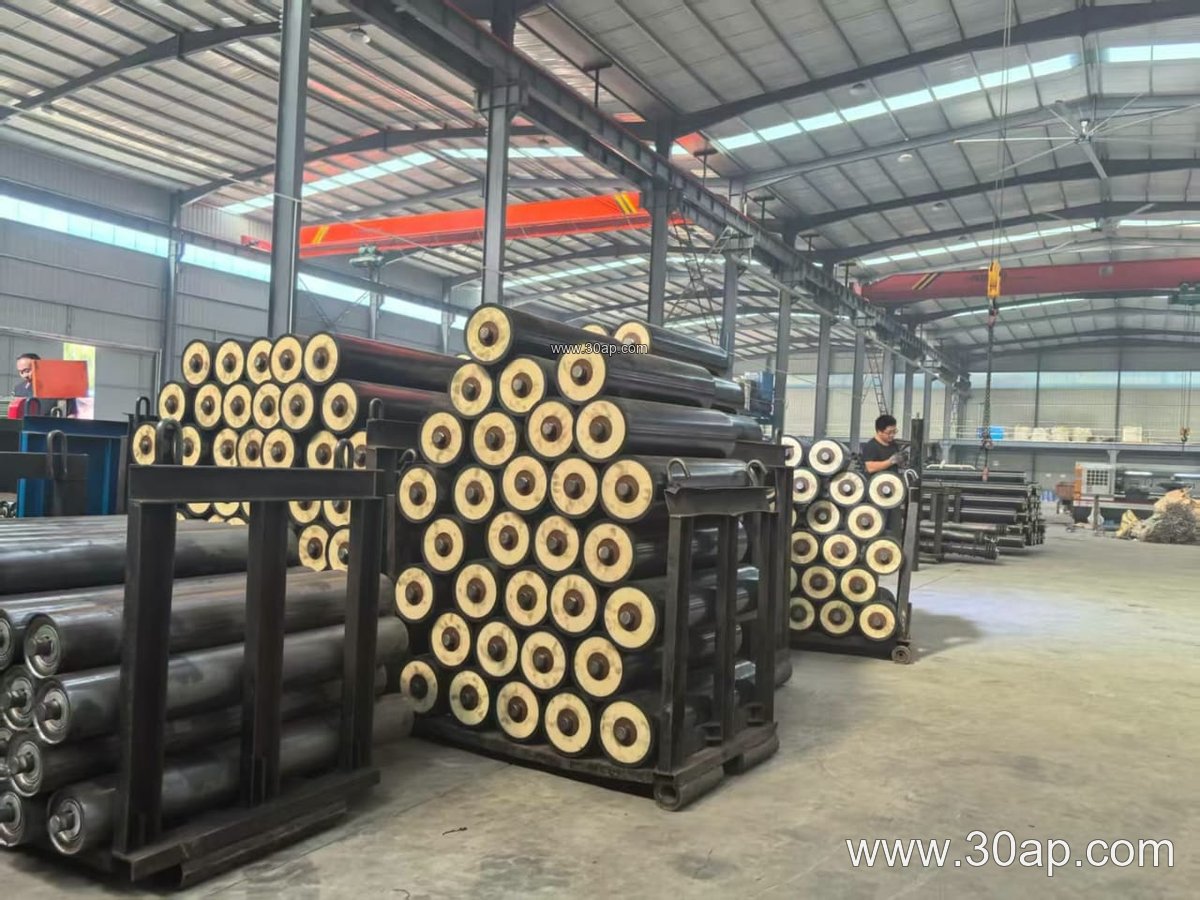
The roller works with the belt, not against it. Correct trough angle and pulley alignment should be checked first; a friction idler cannot compensate for a badly aligned drive pulley or a bent tail pulley.
Matching Roller Diameter and Belt Width
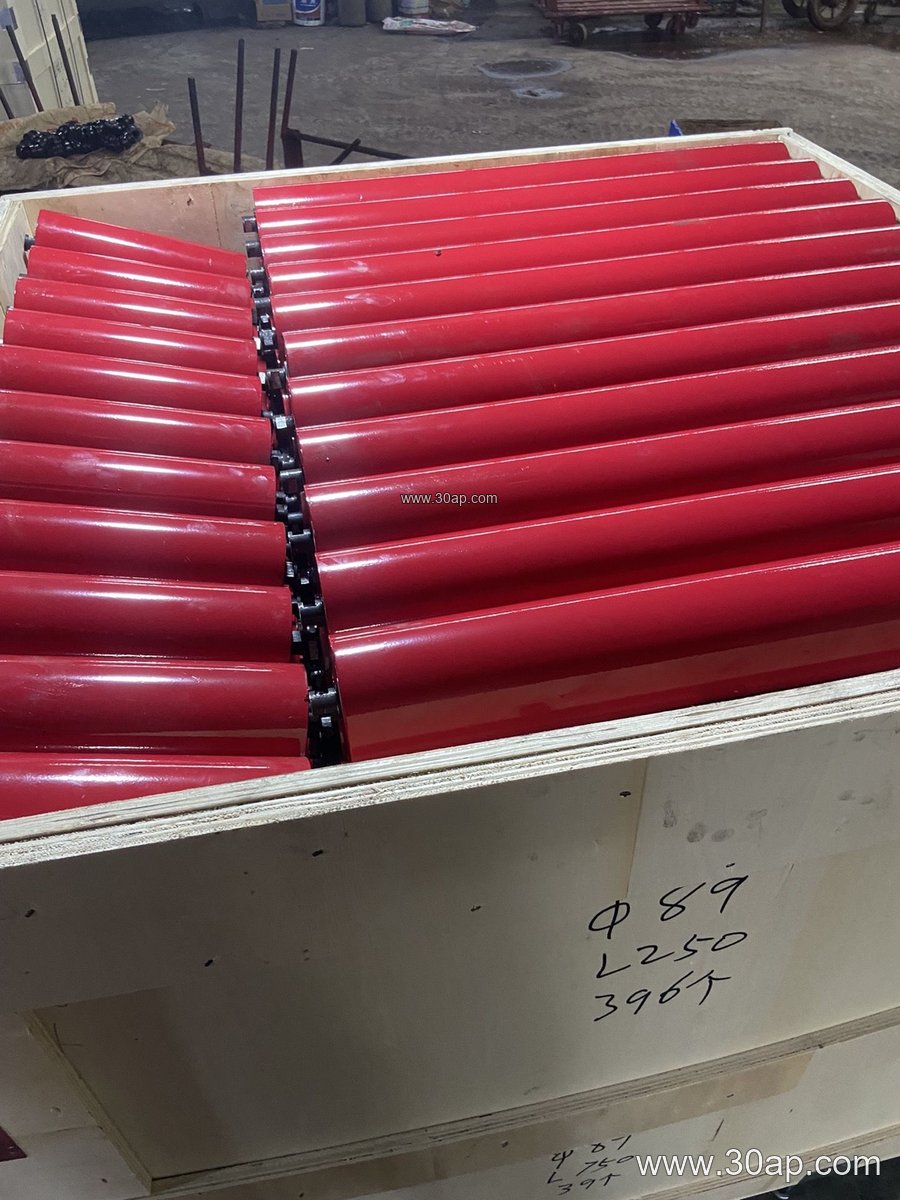
Friction idlers are made in the same common roller diameters as other carrying idlers, typically Ø89, Ø102, Ø108, Ø127, Ø133, Ø159 and larger for heavy service. Belt widths run from B400 up to B2200 and beyond in bulk terminals. Roller length depends on belt width, trough angle and the number of rollers in the set. The table below shows typical examples for a three-roll troughing station; side rollers and center rollers may differ, and final length is set by design.
| Belt width | Typical roller length (three-roll trough) | Common trough angle |
|---|---|---|
| B500 | about 200 mm | 20–35 degrees |
| B650 | about 250 mm | 20–35 degrees |
| B800 | about 315 mm | 30–35 degrees |
| B1000 | about 380 mm | 30–35 degrees |
| B1200 | about 465 mm | 30–45 degrees |
| B1400 | about 530 mm | 30–45 degrees |
| B1600 | about 600 mm | 35–45 degrees |
| B1800 | about 670 mm | 35–45 degrees |
These figures are reference examples, not fixed pairings. A wide belt does not automatically dictate a single shaft size, and a given belt width can be served by more than one pulley diameter elsewhere in the line.
Buyer Checklist Before Ordering
When specifying a friction idler, collect the belt width, trough angle, roller diameter, shaft end type, bearing size and mounting bracket pattern. Confirm whether the station is carrying or return, and state the material being handled so the roller surface can be chosen. For dusty coal or cement duty, sealed bearings and a rubber ring surface are often preferred; for a wet quarry line, drainage and frame coating matter. Buyers working with EP conveyor belt or steel cord conveyor belt systems should also confirm that the training station does not conflict with transition zones near the head pulley.
A friction idler is a small component, but it protects an expensive belt. Checking alignment, roller freedom and frame condition at each service interval keeps the self-aligning action reliable.