Understanding the Ø180 Conveyor Idler
A Ø180 conveyor idler is a roller with a nominal diameter of 180 mm, used to support and guide the conveyor belt along the carrying and return sides of a bulk handling system. This size sits among the larger idler diameters, offering a robust solution for high-capacity lines where belt widths and material loads demand extra stability. You will often see it referred to simply as a 180 mm idler roller or by its metric designation, Ø180 idler. While it shares the basic function of all idlers—reducing friction and maintaining belt shape—the 180 mm size brings specific advantages in heavy-duty applications.
Construction and Key Components
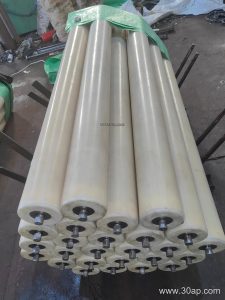
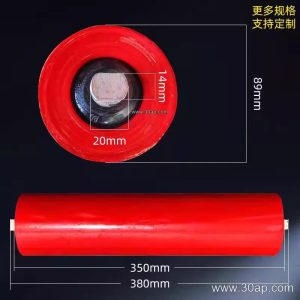
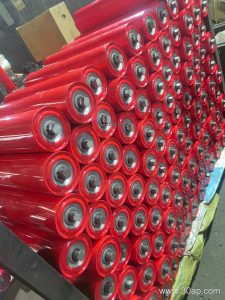
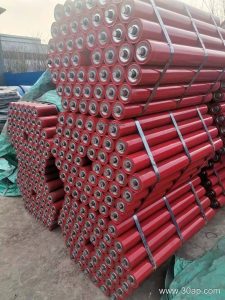
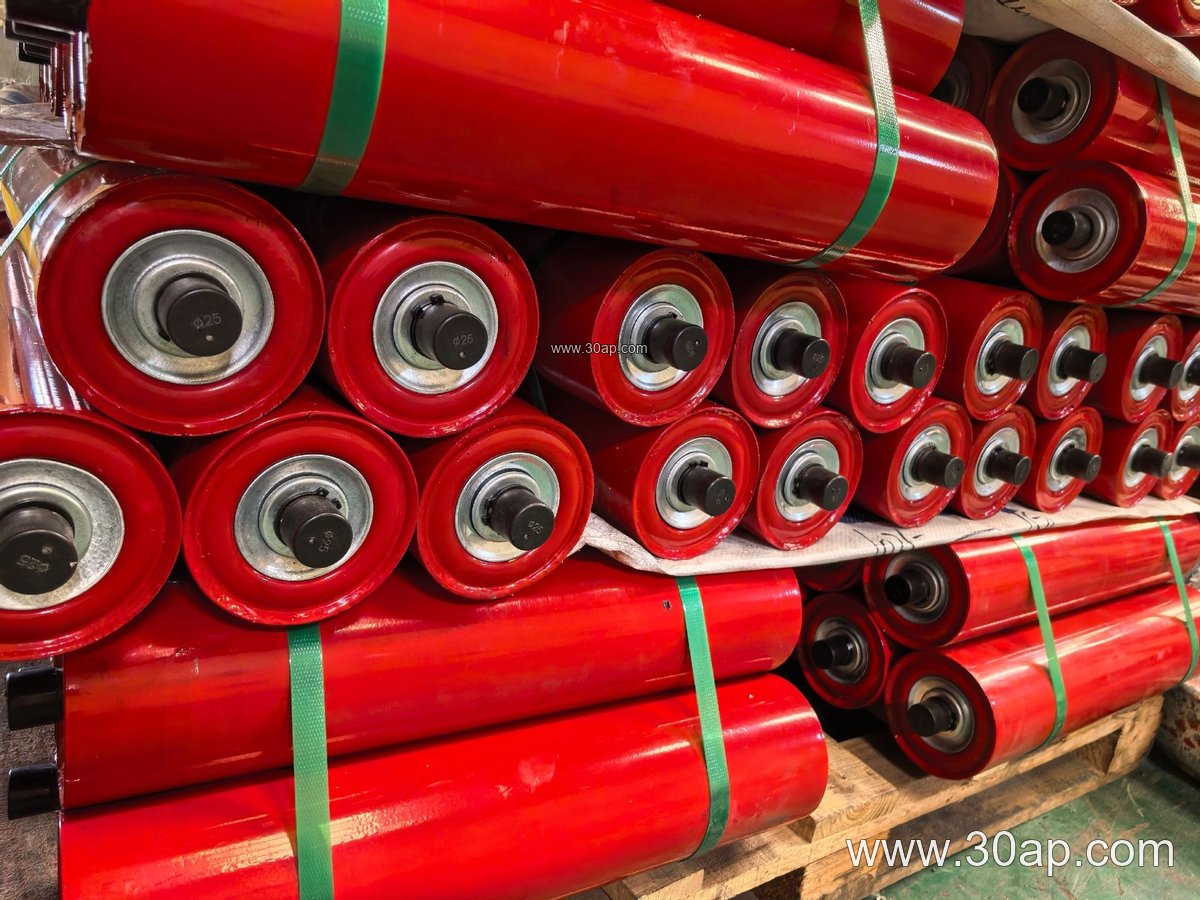
The typical Ø180 conveyor idler is built around a steel tube shell, with bearing housings welded at each end. Inside, deep-groove ball bearings (common sizes include 6206, 6207, or 6306, depending on load requirements) are protected by seals that keep out dust and moisture. The roller surface may be plain steel, or it can be fitted with rubber rings for impact absorption or with nylon or ceramic lagging for extended wear life. Shaft ends are machined to fit standard conveyor brackets, and the overall assembly is balanced for smooth rotation at operating speeds.
For a 180 mm diameter, the roller length is usually matched to the belt width and trough configuration. In a three-roll troughing set, for example, a B1200 belt might use rolls around 465 mm long, while a B1400 belt could call for approximately 530 mm rolls. These are typical examples, not fixed rules; the actual dimensions are determined by the conveyor design.
Where It Fits in a Conveyor System
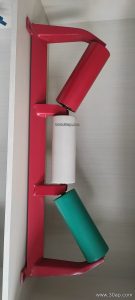
Ø180 conveyor idlers are frequently selected for main haulage conveyors in quarrying, mining, and cement plants where high tonnages and abrasive materials are handled. They are equally at home in power plant coal handling, steel mill sinter lines, and port loading facilities. The larger diameter helps reduce belt indentation and lowers rolling resistance, which can translate into energy savings on long conveyors. You might find them as carrying idlers in a three-roll troughing set with a 35-degree trough angle, or as return idlers in a V-return arrangement to keep the belt centered.
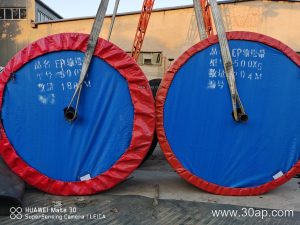
When specifying a 180 mm idler, it is important to consider the belt type it will support. A heavy-duty mining conveyor belt or an abrasion resistant conveyor belt with a thick cover may benefit from the increased contact area and load distribution that a larger roller provides. Similarly, a steel cord conveyor belt used in high-tension applications often pairs well with robust idlers of this size.
Selection and Maintenance Tips
Buyers should match the idler diameter to the belt width and speed, but there is no single rule that ties a specific belt width to a fixed shaft diameter. Instead, consult the conveyor design manual and consider the actual load, belt tension, and environmental conditions. For dusty or wet environments, choose idlers with effective labyrinth seals and, if needed, additional protection. Regular inspection of idler rotation and seal condition helps prevent belt damage and unscheduled downtime.
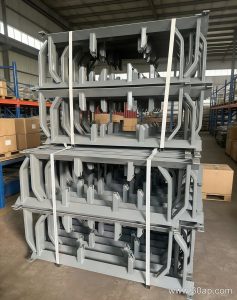
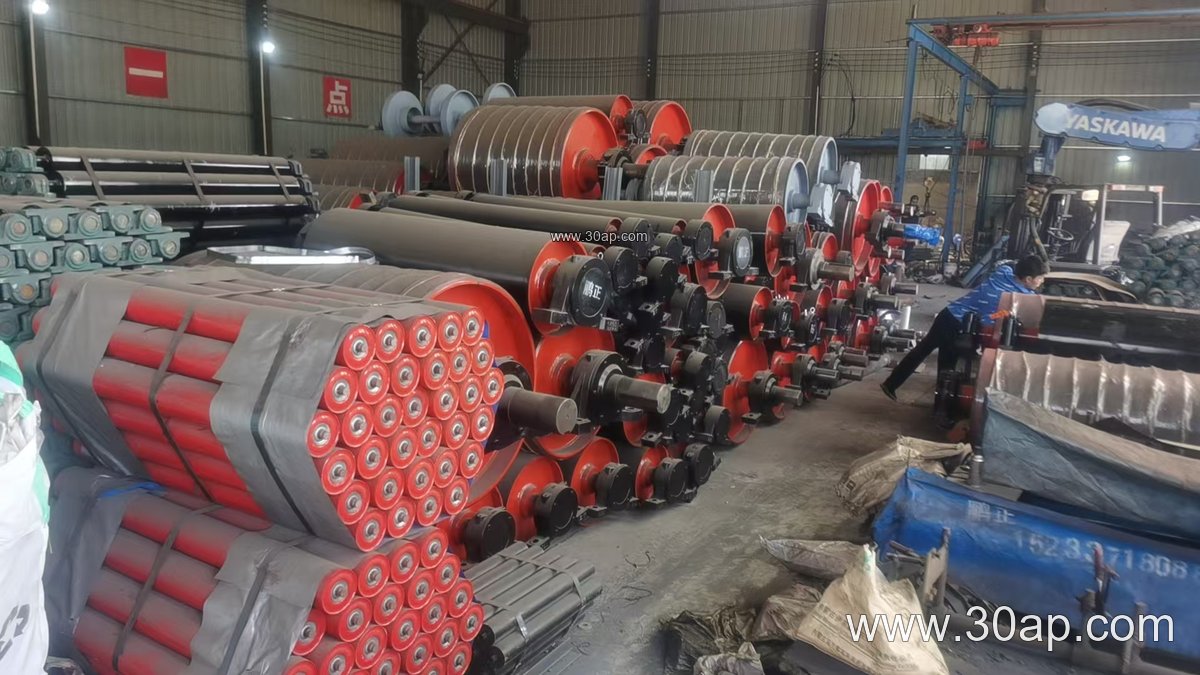
Common idler types available in the 180 mm size include troughing idlers, impact idlers with rubber rings, and return idlers. Transition idlers may also be specified near pulleys to smooth the belt path. Remember that drive pulleys, tail pulleys, and bend pulleys are separate components with different design requirements; they are not interchangeable with idlers.
Typical Specifications at a Glance
| Parameter | Common Range or Example |
|---|---|
| Nominal diameter | 180 mm (Ø180) |
| Roller length (three-roll troughing) | Approx. 465 mm for B1200, 530 mm for B1400 (varies with design) |
| Bearing size | 6206, 6207, 6306 (selected by load rating) |
| Shell material | Steel tube, optionally with rubber or ceramic lagging |
| Trough angle | 20°, 30°, 35°, 45° (typical) |
| Applications | Mining, quarrying, cement, power plants, ports |
For more information on conveyor belts and idlers, visit our site at www.example.com/conveyor-idler and www.example.com/belt-idler. Our team can help you select the right Ø180 conveyor idler for your specific conveyor line.