Why the Conveyor Bracket Deserves Your Attention
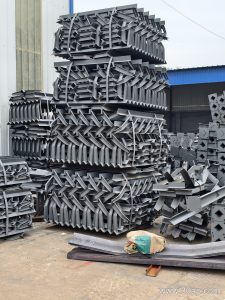
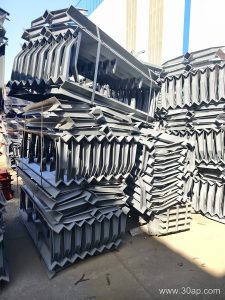
The conveyor bracket is far more than a simple steel angle. It aligns rollers, absorbs dynamic load, and prevents belt drift. A weak or mismatched bracket leads to frame flex, premature bearing failure, and costly downtime. For any continuous operation, the bracket dictates system precision.
Selecting the Right Conveyor Bracket
Assess Load and Environment
Check static and dynamic weight per roller. For corrosive or washdown environments, choose stainless steel or zinc-plated brackets. For high-impact bulk handling, opt for heavier gauge mild steel with reinforced gussets.
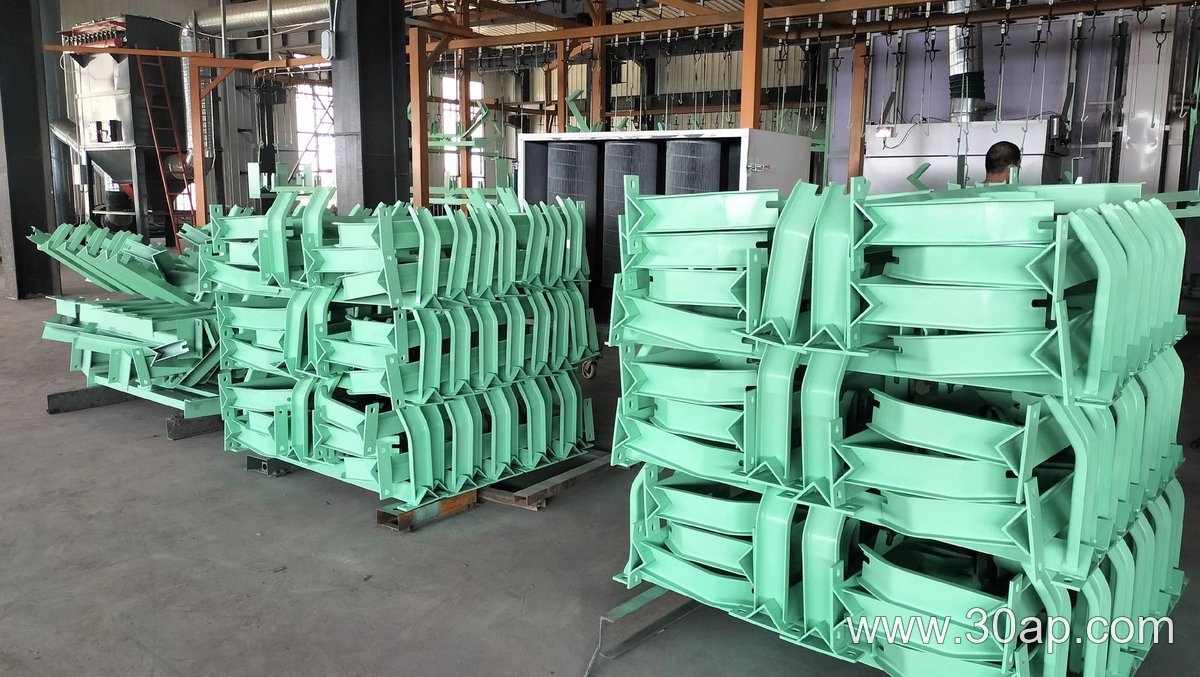
Match Mounting and Adjustability
Verify slot patterns and bolt spacing against your existing frame. Adjustable brackets allow fine-tuning of roller height and skew—essential for belt tracking. Fixed brackets suit straight, low-maintenance lines.
Purchasing Advice for Industrial Buyers
- Always request dimensional drawings and load test certificates.
- Buy from suppliers who offer vibration-dampening rubber pads or weld-on variants.
- Compare per-bracket cost versus lifecycle; cheaper brackets may warp under heat or shock.
- Order spare brackets for critical spurs—lead times often exceed 6 weeks.
In summary, the conveyor bracket is a precision component. Invest in correct sizing, material grade, and adjustability to secure years of trouble-free conveying.
Conveyor Belt Fundamentals: Beyond Simple Transport
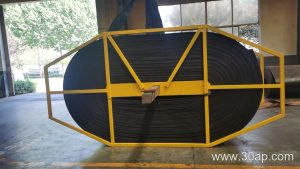
A conveyor belt is the silent workhorse of modern manufacturing, moving raw materials, components, and finished goods with consistent speed and minimal manual handling. Selecting the wrong belt leads to downtime, product damage, and inflated maintenance costs.
Key Selection Criteria
- Material compatibility: Match belt surface (rubber, PVC, PU, or metal mesh) to product weight, temperature, and chemical exposure.
- Load and tension: Calculate peak load per meter, not just average, to avoid belt stretch or breakage under surge conditions.
- Environment: For dusty, oily, or wet areas, choose cleated, oil-resistant, or food-grade variants with anti-static properties.
Purchasing Advice for Long-Term Value
Always request a belt with reinforced edges and a spliced joint rated for your system’s pulley diameter. Verify the belt’s rated speed against your motor’s gearbox output, and order spare rolls from the same batch to ensure consistent thickness and tracking.
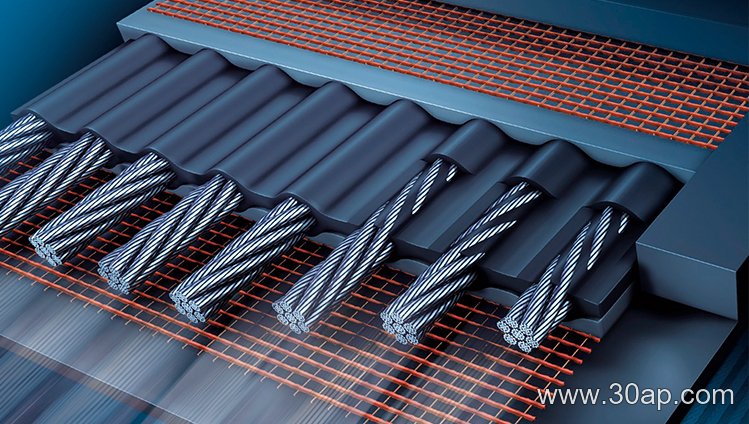
Finally, ask suppliers for a load-deflection test report—this guarantees the belt will maintain its trough shape under real operation, preventing misalignment and premature wear. Invest in a belt with a modular design if your line changes SKUs frequently, as it allows quick section replacement without full teardown.
Idler Roller: The Backbone of Bulk Material Handling
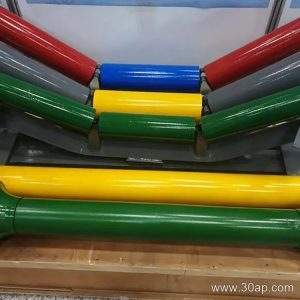
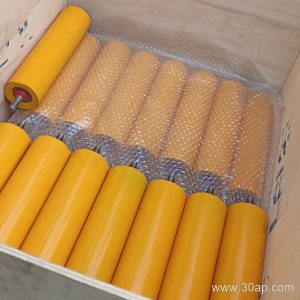
An idler roller is a cylindrical component that supports the conveyor belt and its load along the carrying and return sides. Without correctly specified idlers, belts misalign, spillage increases, and downtime multiplies. Selecting the proper idler roller is not a commodity decision—it directly impacts operational cost and safety.
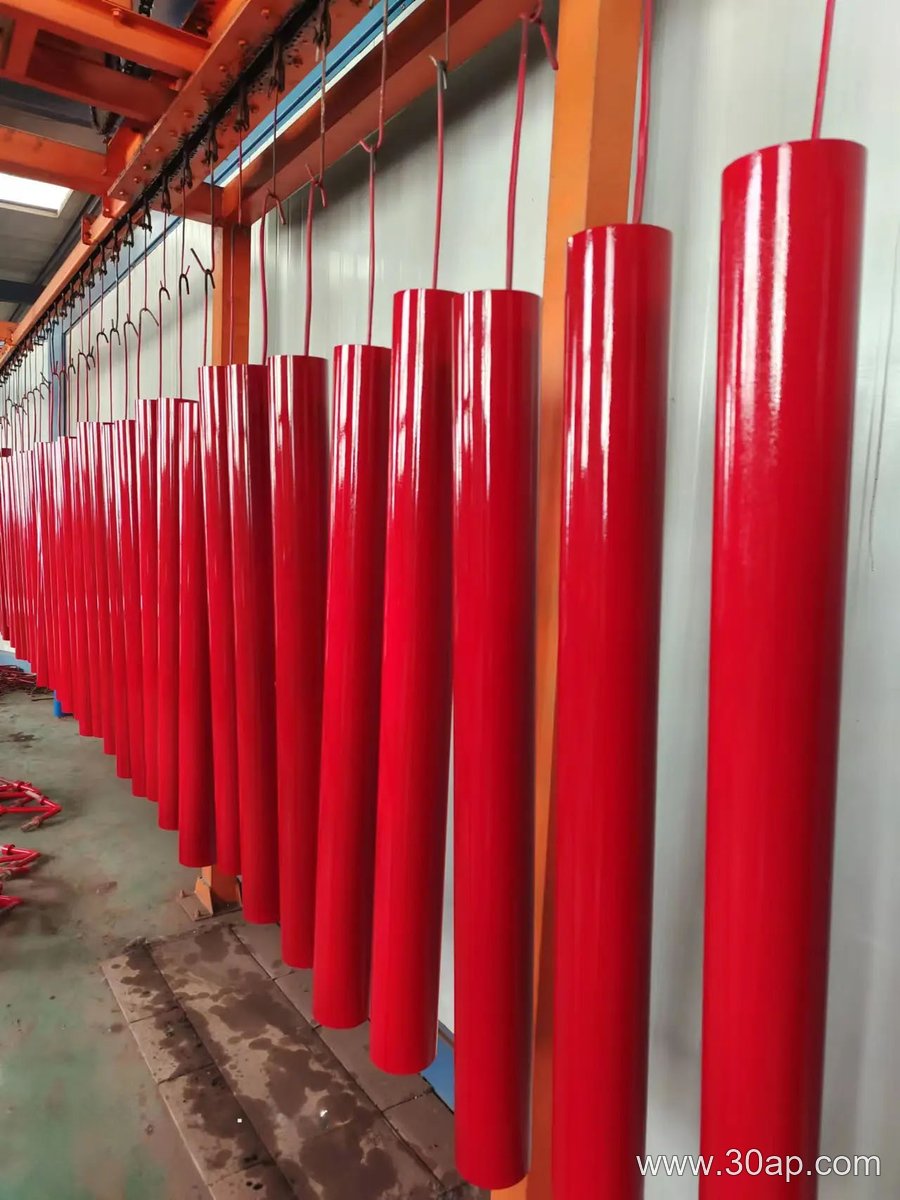
Key Selection Criteria
- Load rating: Match the roller’s dynamic capacity to your maximum belt load, including impact zones.
- Roller diameter: Larger diameters reduce belt wear and rotational resistance, ideal for high-speed or heavy-duty systems.
- Sealing system: Choose labyrinth or contact seals based on dust, moisture, and washdown frequency.
- Material of shell: Steel for abrasion resistance, HDPE for corrosive or food-grade environments, and rubber-covered for impact absorption.
- Tolerance and runout: Tight machining tolerances minimize vibration and extend bearing life.
Purchasing Advice
Always request a lifecycle cost analysis, not just upfront price. Verify that the idler roller manufacturer provides certified bearing quality (e.g., C3 clearance) and offers quick lead times for critical spares. Prefer rollers with interchangeable end caps and standardized frames to simplify maintenance. For inclined or reversing conveyors, consult engineers about troughing angles and transition distances. Finally, ask for a trial batch—measuring belt wear and noise over 1,000 hours beats any spec sheet.
Why the Conveyor Pulley Demands Precision Engineering
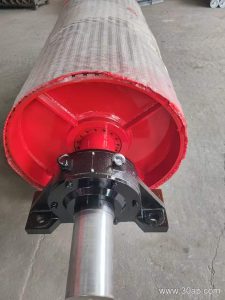
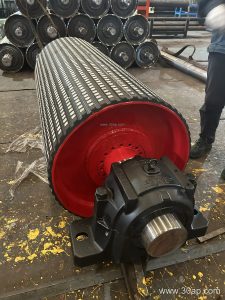
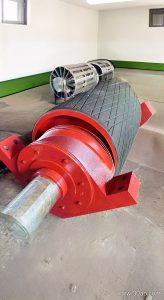
The conveyor pulley is not a passive roller; it is the torque-transmitting core of any belt conveyor. Correct specification determines belt tracking, tension distribution, and system longevity. A mismatched pulley can cause belt slippage, misalignment, and premature component failure.
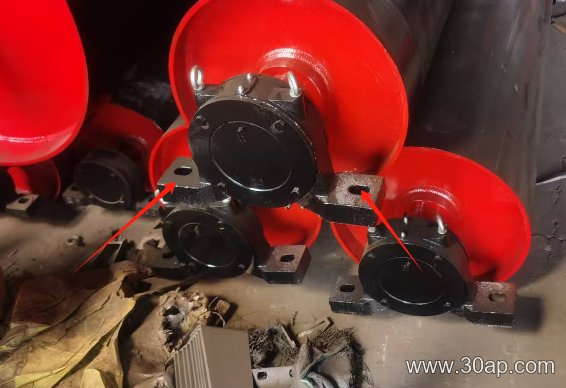
Critical Selection Criteria
- Drum diameter – Match to belt width, tension, and flex life. Larger diameters reduce belt fatigue on high-tension applications.
- Shaft and hub design – Verify static and dynamic load ratings against peak start-up torque and transient shock loads.
- Lagging type – Choose ceramic lagging for wet or high-slip zones; rubber lagging for general abrasive duty.
- Shell thickness and material – Use steel for standard loads; stainless or welded alloy for corrosive or food-grade environments.
- Crown profile – Opt for a 1–2% crown to aid self-centering of the belt, but avoid excessive crowning on sensitive splice systems.
Purchasing and Maintenance Advice
When sourcing a conveyor pulley, always request the full engineering drawing with weld details and balance certification. Confirm that the pulley’s face width is 100–150 mm wider than the belt to allow for normal tracking deviations. Inspect bearing housings for proper sealing against dust and moisture, and plan for routine pulley alignment checks using laser or string methods. Invest in a spare pulley for critical lines—downtime costs often exceed the component price within hours.