What a Construction Industry Conveyor Belt Really Is
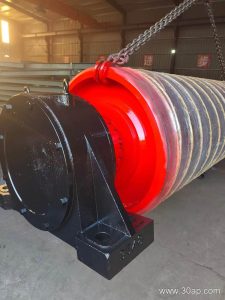
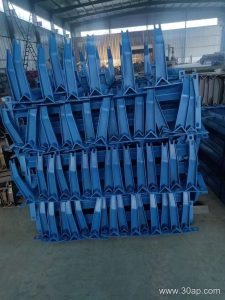
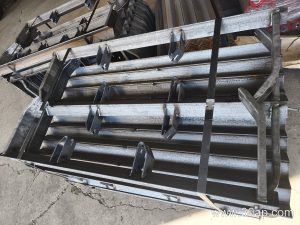
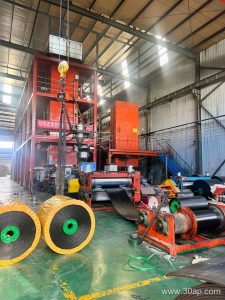
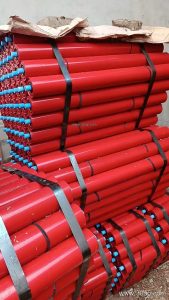
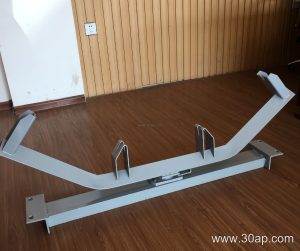
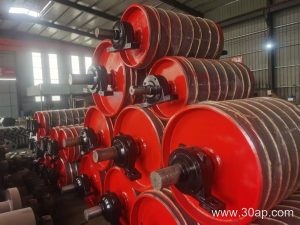
A construction industry conveyor belt is the endless loop of flexible material that moves aggregates, cement, sand, crushed rock and other bulk loads across a jobsite or processing plant. It is not a single product but a family of heavy-duty belts engineered for abrasive, dusty and often outdoor conditions. The belt rides on idler rollers, wraps around drive and tail pulleys, and is held in alignment by conveyor brackets and frames. While the belt is the wear surface, the complete conveyor pulley, idler roller and conveyor bracket system must be matched to the belt’s tension and load profile.
In quarry, cement, coal mining and power plant applications, this belt is the backbone of continuous transport. It differs from a simple package-handling belt because it must resist cutting, impact and flex fatigue under constant heavy loading.
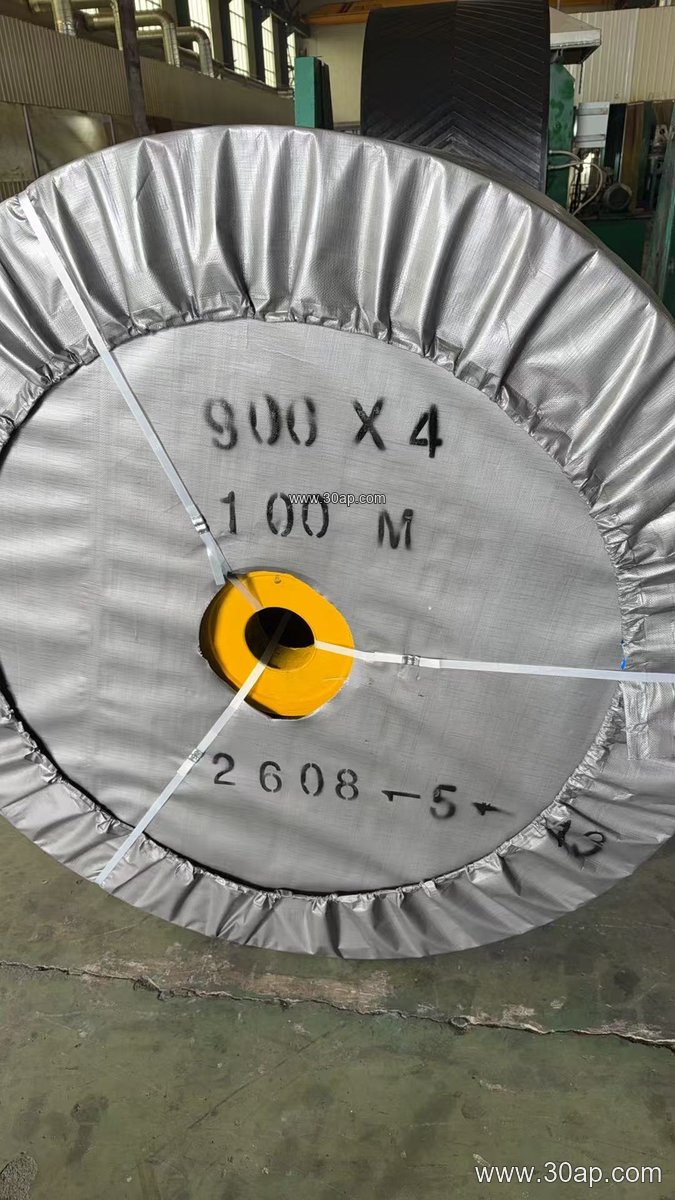
How the Belt Is Built
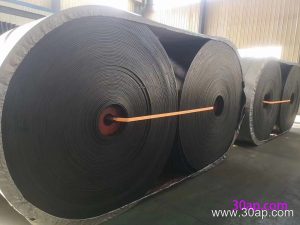
Most construction belts use a fabric core or steel cord carcass covered with rubber. Common carcass types include EP conveyor belt (polyester-nylon), NN conveyor belt (nylon-nylon) and steel cord conveyor belt for very high tension. The rubber cover protects the carcass from abrasion, heat, oil and flame. A multi-ply fabric core conveyor belt typically has 2 to 6 plies, while a steel cord belt uses parallel cords for maximum strength.
Surface forms matter on construction sites. A chevron conveyor belt or corrugated sidewall conveyor belt helps contain material on inclines. A skirted conveyor belt reduces spillage at transfer points. Heat resistant conveyor belt and flame retardant conveyor belt grades are selected where hot clinker or underground coal mining conditions exist. Abrasion resistant conveyor belt compounds are standard for crushed stone and sand.
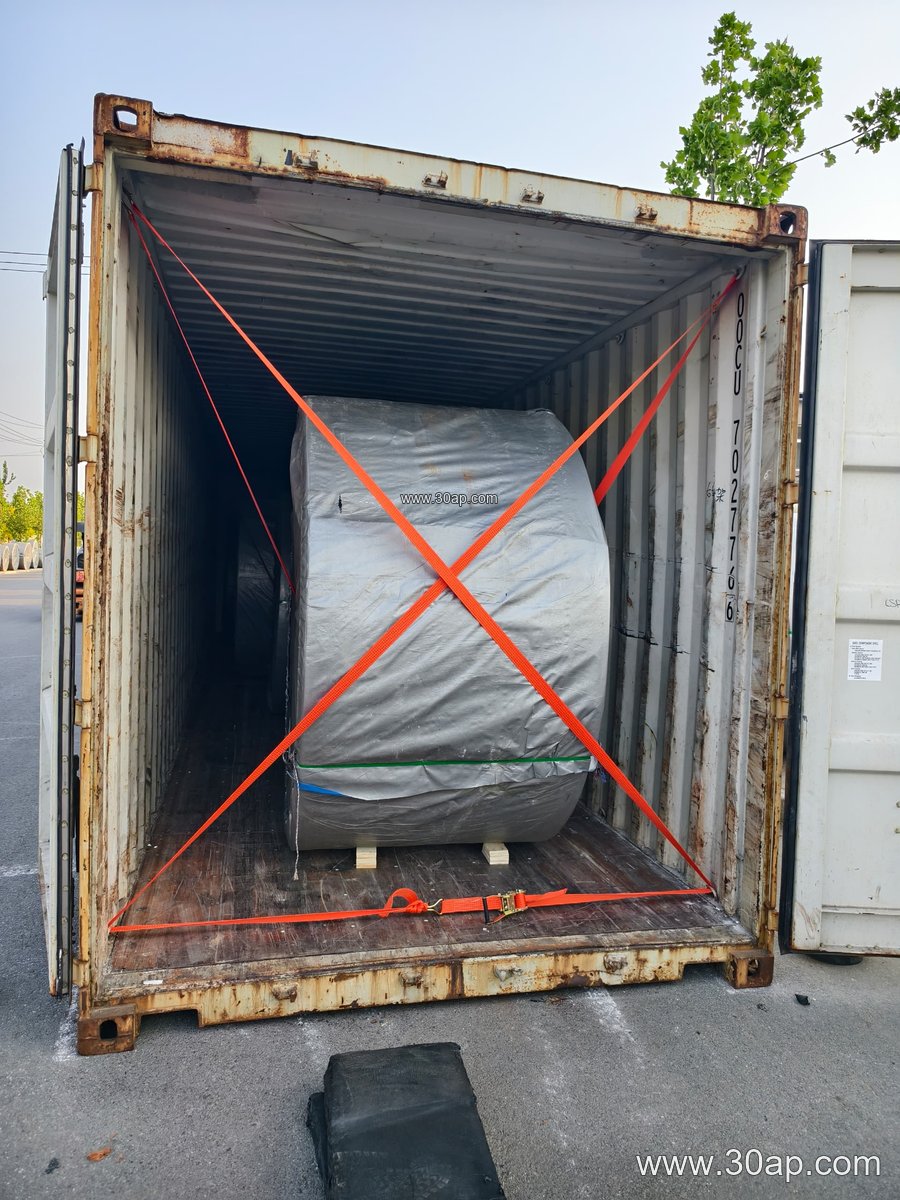
Common Specifications and Sizes
Belt width and strength are the first selection points. The table below shows typical reference ranges, not universal rules. A narrow belt can run on a large pulley if the design requires it; belt width alone does not fix pulley diameter or shaft size.
| Parameter | Common Reference Values |
|---|---|
| Belt width | B500, B650, B800, B1000, B1200, B1400, B1600, B1800, B2000 |
| EP strength grades | EP200, EP315, EP400, EP500, EP630, EP800, EP1000, EP1250, EP1600, EP2000 |
| Cover thickness | 3+1.5 mm, 4+2 mm, 5+2 mm, 6+2 mm, 8+3 mm |
| Fabric plies | 2 to 6 layers typical |
| Steel cord grades | ST1000, ST1250, ST1600, ST2000, ST2500, ST3150 |
For example, an EP1000 1200mm conveyor belt might be used in a primary crushing circuit, while an EP1250 1800mm belt could suit a high-capacity port or cement plant conveyor. A 1200mm wide conveyor belt is common in aggregate plants, but 1500mm wide and 1800mm wide belts appear where tonnage is higher. Thick conveyor belt covers (8+3 mm) are often chosen for sharp rock impact zones.
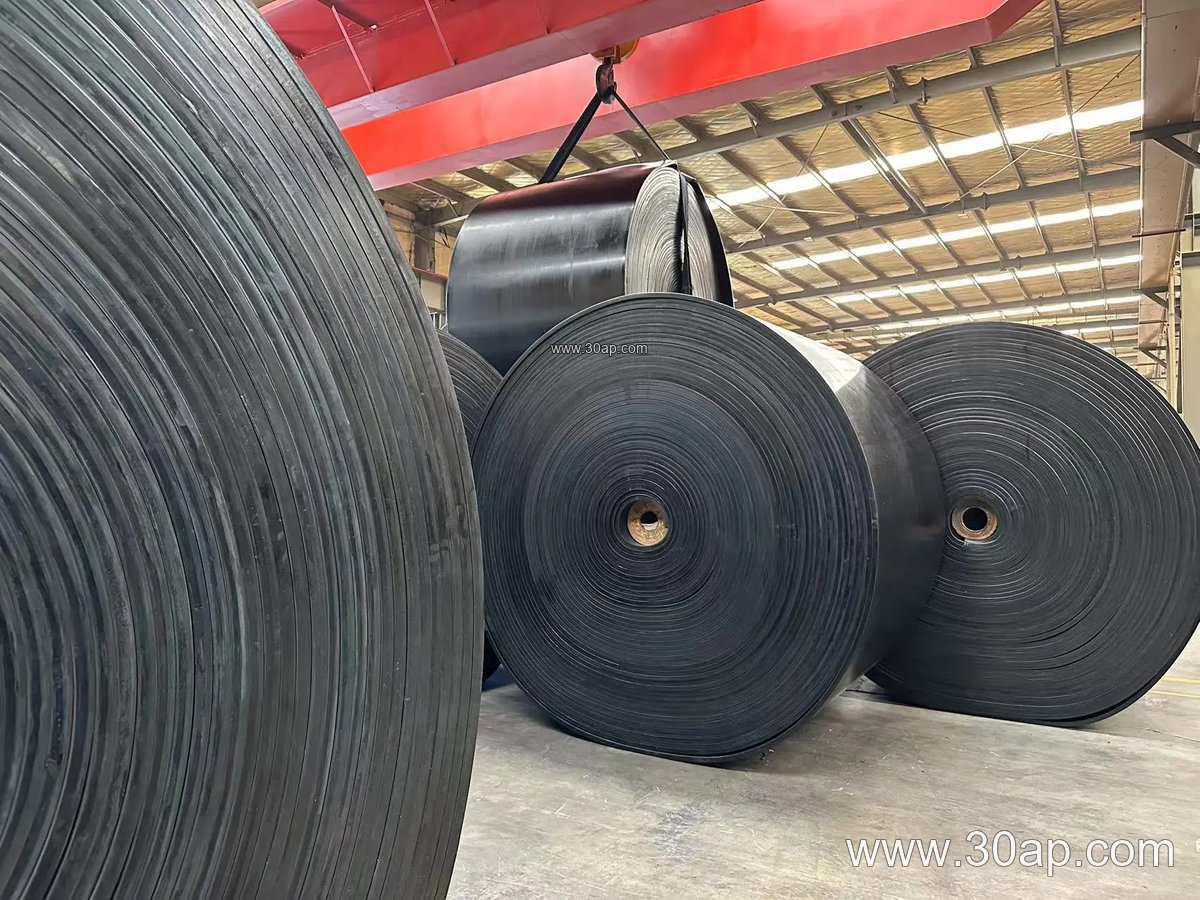
Where It Works in Construction and Mining
You will find these belts in sand and gravel pits, stone crushing lines, cement plants, coal preparation plants, power plant coal yards and port ship loading systems. A quarry conveyor belt moves blasted rock from the crusher; an aggregate conveyor belt carries sized stone to stockpiles. A crusher conveyor belt must handle impact and edge damage, so a heavy-duty mining conveyor belt with reinforced edges is often specified. Underground coal mining conveyor belt grades usually require flame retardant and anti-static properties, such as PVG conveyor belt or PVC conveyor belt constructions.
Other industries rely on the same platform: a recycling conveyor belt sorts construction debris, a cement conveyor belt feeds kiln raw meal, and a steel plant conveyor belt moves sinter or coke. In cold climates, a cold resistant conveyor belt prevents cracking; in fertilizer or chemical areas, an oil resistant conveyor belt or acid resistant conveyor belt may be needed.
Buyer Checklist Before Ordering
- Define the material: size, weight, temperature, oil content, flammability and moisture.
- Confirm the conveyor route: incline angle, transition distance, loading impact and whether a pipe conveyor belt or corrugated sidewall design is required.
- Match belt strength to the calculated tension, not to a guessed width. Ask for the belt’s allowable working tension from the supplier.
- Check pulley and idler roller compatibility. Drive, tail and bend pulleys are not interchangeable names; each has a different role in belt tracking and tension.
- Review cover thickness and compound grade against wear life. A high abrasion resistant conveyor belt may cost more but last longer in hard rock service.
- For underground or coal work, request flame retardant and anti-static test data from the belt manufacturer.
A construction industry conveyor belt is only as good as its installation and maintenance. Keep idler rollers turning freely, align conveyor brackets, and inspect splices and edges weekly. When replacing a belt, record the existing belt width, ply count, cover thickness and strength grade so the next order matches the conveyor pulley and idler roller system. For bulk material conveyor belt projects, share the full duty description with your supplier rather than a single size.