What a High-Strength Idler Is
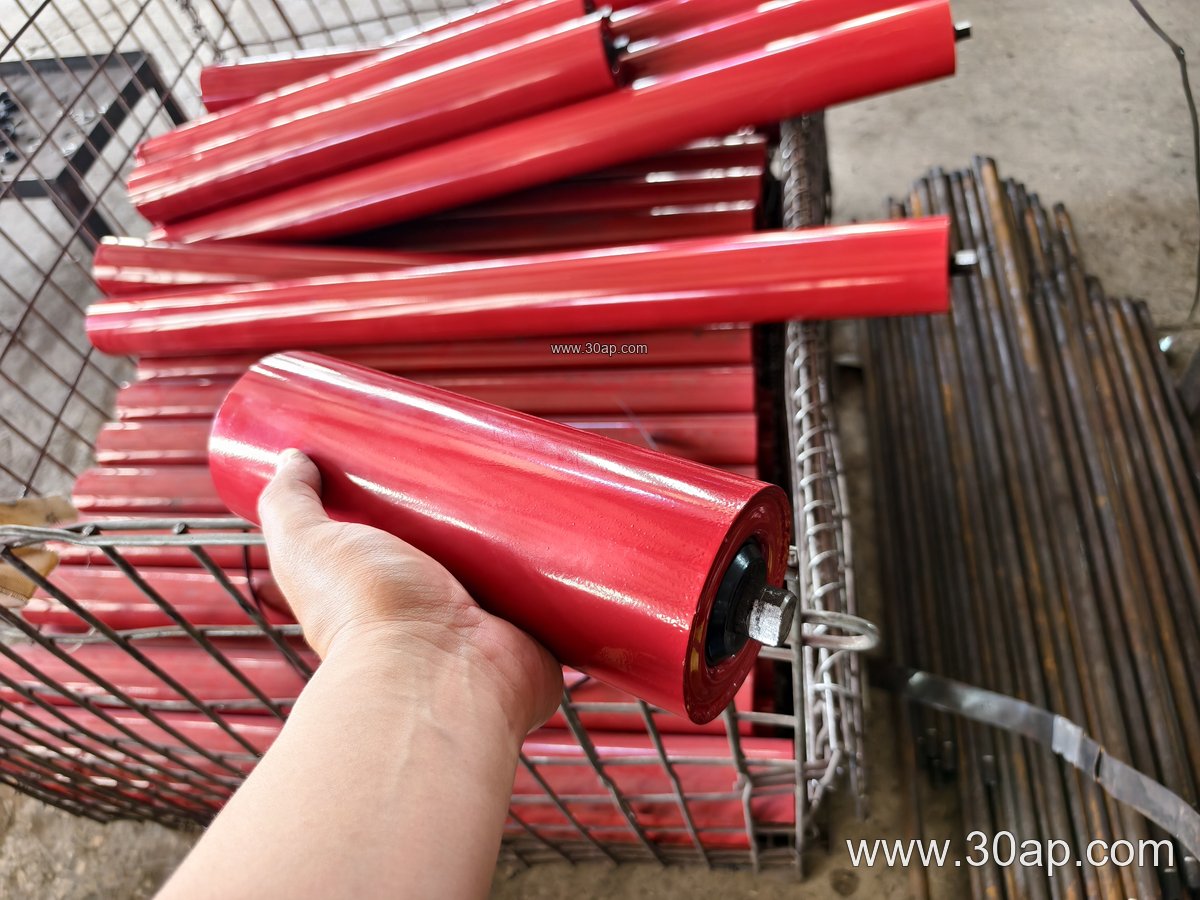
A high-strength idler is a load-bearing roller built to carry a loaded conveyor belt without premature deflection, shell wear, or bearing failure. It sits in the carrying or return run of a conveyor and rotates with the belt, supporting the weight of material such as crushed rock, ore, coal, clinker, or aggregate. Where a standard idler may be adequate on a short, lightly loaded line, the high-strength version is chosen when belt tension, lump size, impact, or continuous operation put more stress on the roller body and its bearings.
In practice, the term describes a heavy-duty idler roller made with a thicker shell, reinforced end discs, tighter shaft fit, and a robust sealing arrangement. It is still an idler, not a pulley: the drive pulley, tail pulley, and bend pulley transmit or redirect belt motion, while the high-strength idler simply supports the belt. The two families are not interchangeable, and a buyer should keep the distinction clear when specifying spares.
How It Is Built
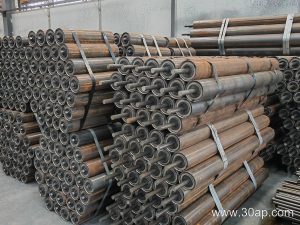
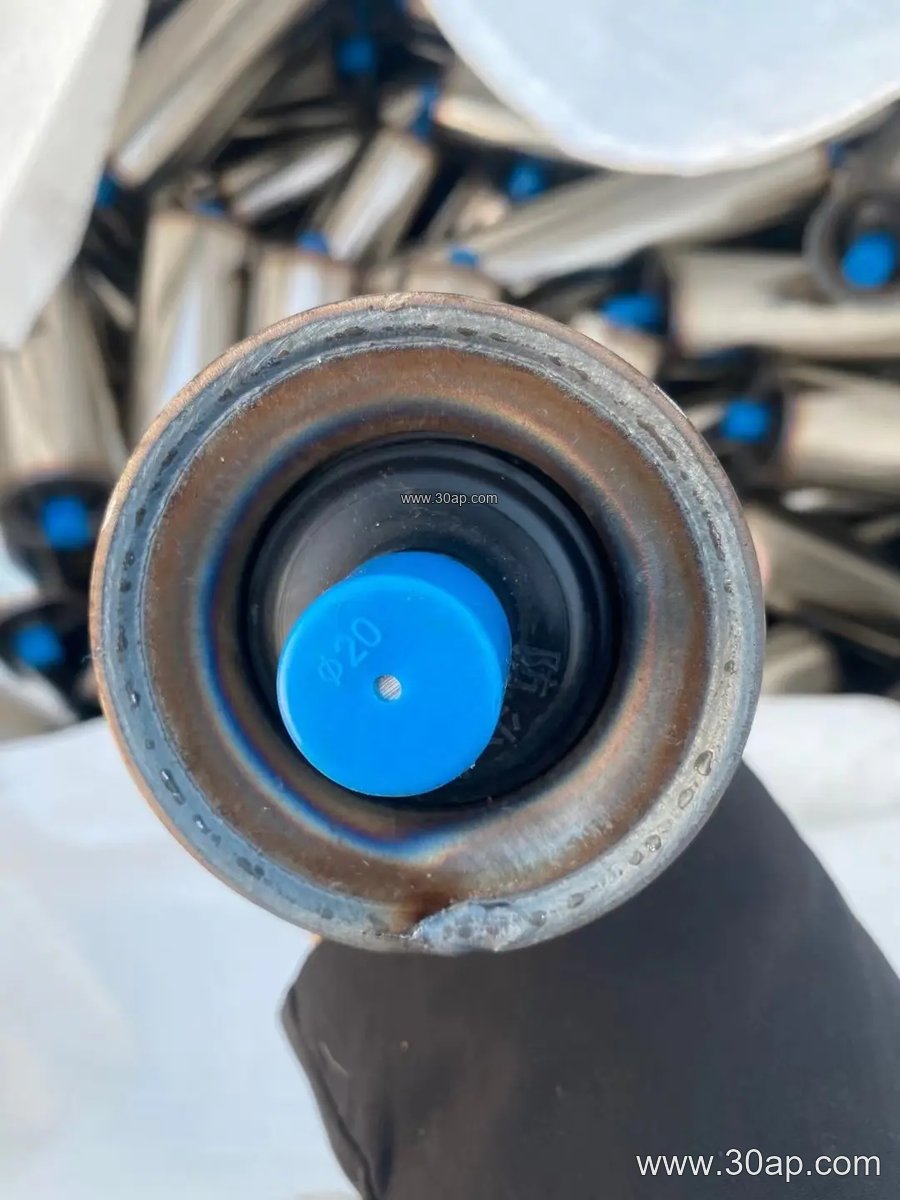
The core components are the roller shell, shaft, bearing housing, bearings, and seals. A high-strength idler usually uses a welded steel tube with machined ends, a through shaft or stub shaft depending on design, and deep-groove ball bearings sized to the duty. Common bearing references include 6205, 6305, 6306, and 6308, but bearing selection follows load and speed rather than a single fixed pairing with roller diameter.
- Shell: thicker steel tube for better resistance to bending and abrasion
- Bearing housing: pressed or machined, with controlled fit to reduce vibration
- Sealing: labyrinth or multi-stage seal to keep out dust and water
- Surface: plain steel, nylon, ceramic, or rubber rings depending on the application
Roller diameters commonly range from Ø89 and Ø108 up to Ø133, Ø159, and larger sizes for heavy lines. The right diameter depends on belt speed, load per meter, and the space available in the conveyor bracket.
Where It Fits on the Conveyor
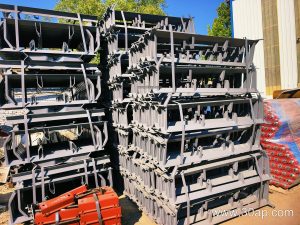
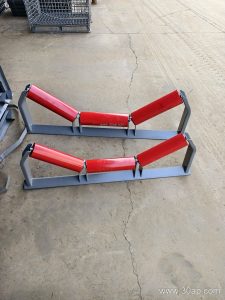
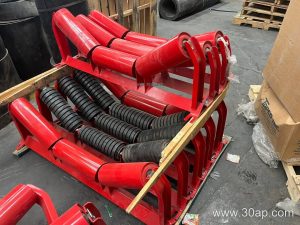
High-strength idlers appear in several positions. In the carrying run, three-roll troughing sets at 20, 30, 35, or 45 degrees are typical; the same set may use a reinforced center roll and side rolls to keep the belt profile stable. In the return run, flat or V-return idlers support the empty belt. At transfer points, impact idlers with rubber rings absorb the fall of material from a crusher or chute.
Troughing angle matters because it shapes the belt cross-section and affects material containment. A 35-degree set is common in bulk handling, while a 45-degree set may suit fine, free-flowing material where a deeper trough helps. Roll length follows belt width and trough geometry; for example, a three-roll set might use roughly 380 mm rolls on a B1000 belt and about 530 mm on a B1400 belt, but side and center rolls can differ and the final figure is set by design.
Applications Across Bulk Industries
These idlers are widely used in quarry and aggregate lines, limestone and iron ore operations, coal preparation plants, cement works, power station coal handling, and port loading systems. A primary crusher discharge conveyor often needs impact-resistant rollers, while a long overland line in a sand and gravel plant benefits from low rolling resistance and stable rotation. In cement plants, clinker conveyors demand abrasion resistance; in power plants, coal handling calls for flame retardant belt grades and reliable roller sealing.
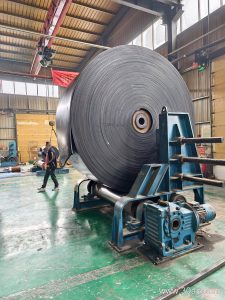
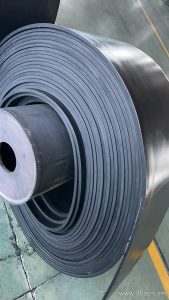
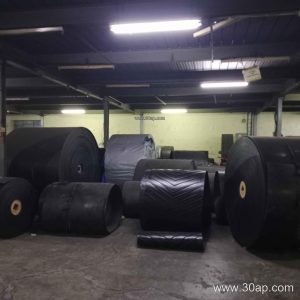
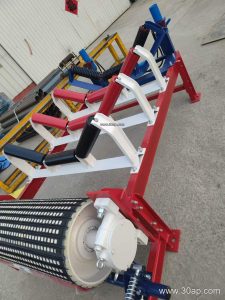
Matching the idler to the belt is part of the job. A heavy-duty mining conveyor belt running over high-strength idlers may be an EP conveyor belt, a steel cord conveyor belt, or a multi-ply fabric core belt, and the roller load rating should reflect the belt and material weight. For dusty or wet conditions, sealed-for-life bearings reduce maintenance stops. Buyers specifying a full conveyor package often coordinate idlers with the conveyor pulley, conveyor bracket, and belt specification together.
Selection and Maintenance Notes
Buyers should confirm belt width, trough angle, roll diameter, shaft end type, and bearing size before ordering. A common mistake is to assume a belt width dictates one shaft diameter; it does not. Shaft size follows load calculations and the bracket design. Likewise, a high-strength idler is not automatically the best choice for every position: a standard idler may be sufficient on a short, light-duty line, while impact or return positions may call for a different subtype.
During operation, listen for squealing bearings, check for shell wear and material build-up, and confirm that rolls turn freely. Replacing a worn idler before the shell cuts the belt prevents costly downtime. For abrasive duties, ceramic or rubber-covered rolls can extend service life, and for high-temperature areas, heat-resistant belt grades should be paired with suitable roller clearance. Further product details are available at www.belts-idlers.com for conveyor belt and idler roller enquiries.