What a PVC Mining Conveyor Belt Is
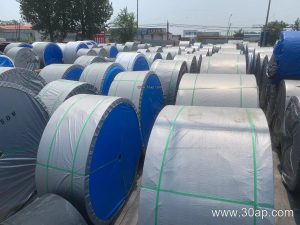
A PVC mining conveyor belt is a solid-woven or fabric-reinforced belt with polyvinyl chloride covers, built for moving crushed rock, ore, coal and other bulk materials on continuous conveyors. In many mining circuits it is chosen for its combination of flame resistance, reasonable abrasion performance and lower weight than heavy rubber constructions. It is a distinct product from a PVG conveyor belt, which uses a different cover compound, and it should not be confused with a steel cord conveyor belt or an EP conveyor belt when a project specification is being prepared.
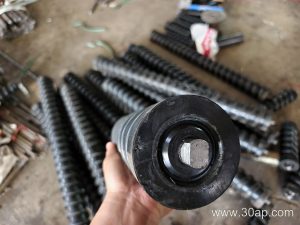
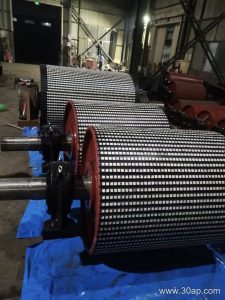
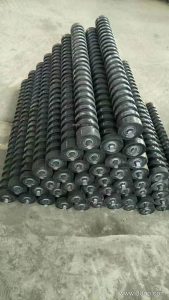
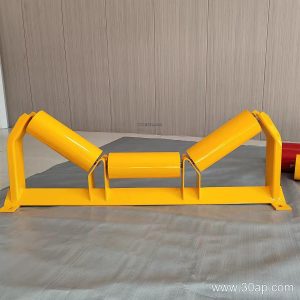
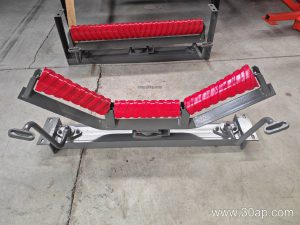
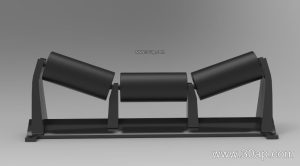
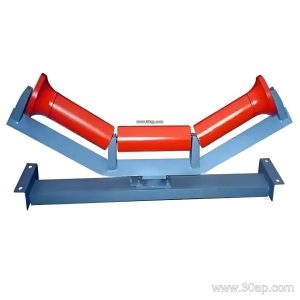
The belt runs over a conveyor pulley at the head and tail, is supported by idler rollers along the carry side, and is held in line by conveyor brackets and frames. Each of those parts has its own role; the belt is the load-bearing surface, not a substitute for the drive, tail or bend pulleys.
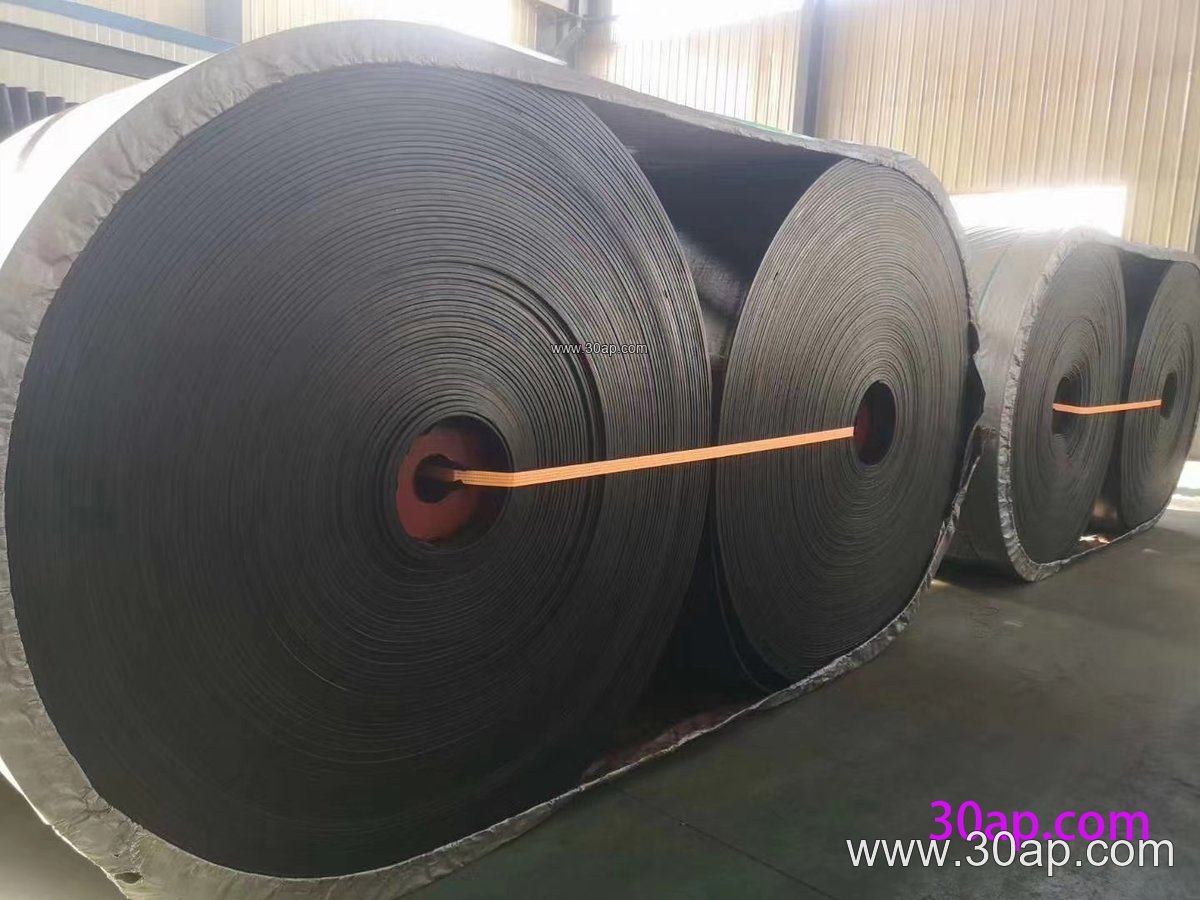
Construction and Common Specifications
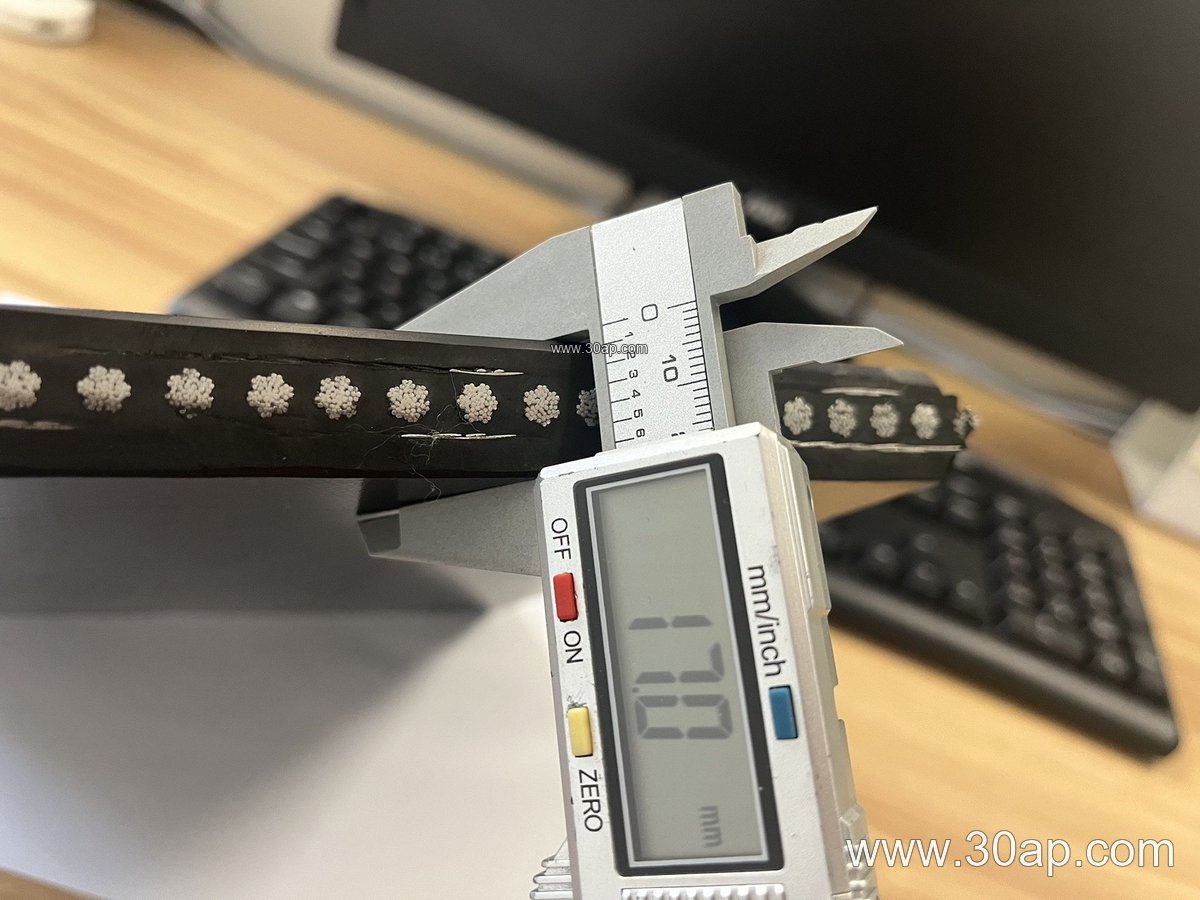
Most PVC mining belts use a multi-ply fabric core, often 2 to 6 plies, with PVC covers on both faces. Cover thickness is usually given as top plus bottom, for example 3+1.5 mm, 4+2 mm, 5+2 mm or 6+2 mm. Because PVC compounds can be formulated for flame retardancy and anti-static performance, this belt family is frequently seen in underground coal mining and in tunnels where electrical conductivity and fire risk must be controlled.
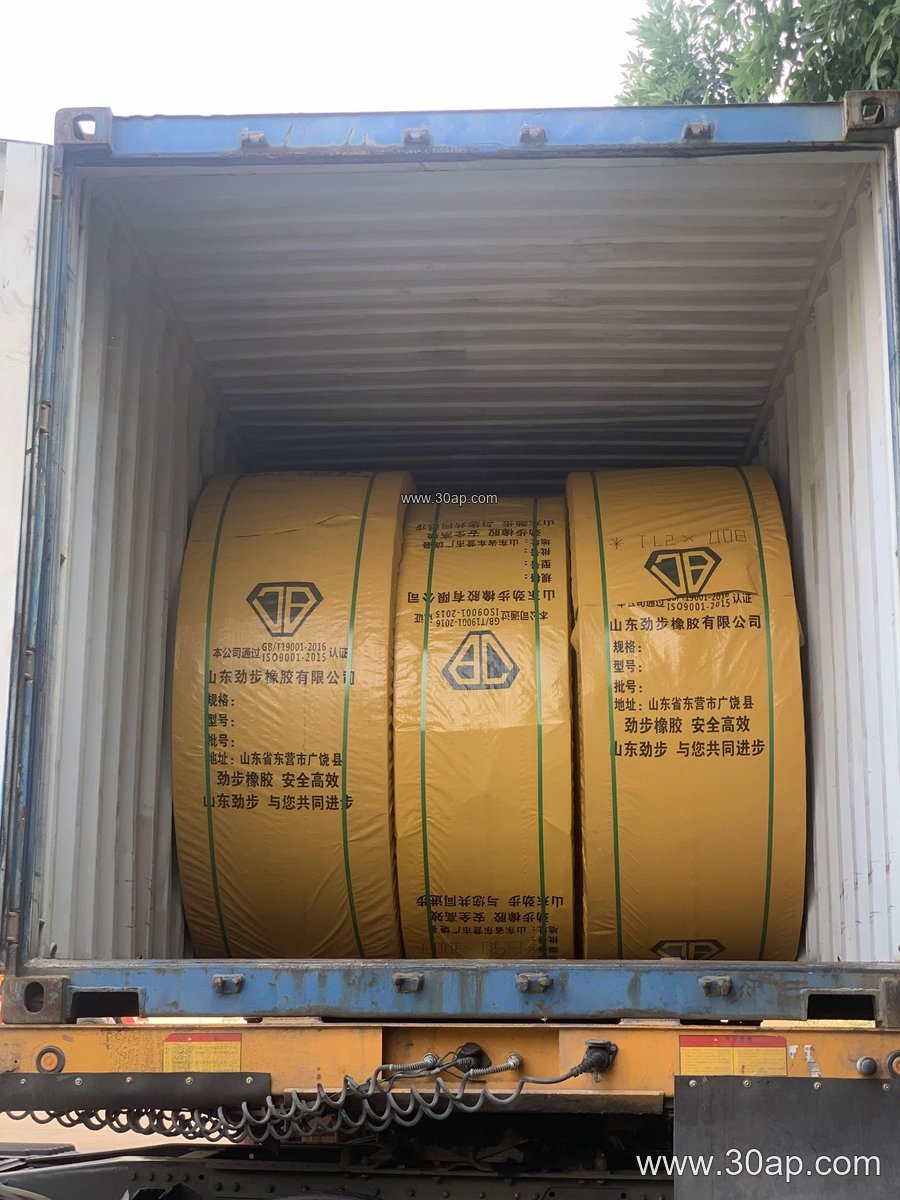
The table below shows typical reference values, not a fixed supply list. Actual figures are confirmed by the manufacturer for each order.
| Parameter | Common reference range |
|---|---|
| Belt width | B500, B650, B800, B1000, B1200, B1400, B1600, B1800, B2000 |
| Cover thickness (top + bottom) | 3+1.5 mm, 4+2 mm, 5+2 mm, 6+2 mm, 8+3 mm |
| Fabric plies | 2 to 6 plies, depending on duty |
| Cover material | PVC compound, flame retardant and anti-static grades available |
| Typical belt strength class | Selected by design; often matched to EP or NN classes such as EP200 to EP1000 |
Width and strength are independent choices. A 1000mm or 1200mm belt can be supplied in several strength grades, and belt width alone does not fix the pulley diameter or shaft size. Those are determined by the conveyor designer using load, speed, wrap angle and pulley duty.
Where It Fits in Mining and Bulk Handling
Typical duties include main haulage in underground coal mining, ore transfer in metal mines, and transport of aggregate in quarries and crushing plants. The same belt family also appears in cement plants, power plant coal yards, port ship loading lines and sand making plants. In these settings it may run alongside a rubber conveyor belt on less demanding sections, or beside a heat resistant conveyor belt where clinker or hot material is present.
For steep inclines, a chevron conveyor belt or a corrugated sidewall conveyor belt is often a better answer than a flat PVC belt, because those profiles hold material on the incline. For very long, high-tension routes, a steel cord conveyor belt or a high strength EP conveyor belt may be preferred. PVC mining belts are generally not the first choice for hot, oily or highly abrasive primary crusher discharge, where an abrasion resistant conveyor belt or a heavy-duty rubber grade may last longer.
Selection Points for Buyers
- Confirm the flame retardant and anti-static requirements of the site before choosing a cover compound.
- Match belt class to the actual tension, not to the widest belt on the drawing.
- Check cover thickness against lump size and drop height at transfer points.
- Review pulley and idler roller condition, since worn rollers damage covers quickly.
- Ask for the manufacturer’s data sheet for the exact grade supplied.
Buyers comparing a PVC conveyor belt with an NN conveyor belt or a fabric core conveyor belt should look at total cost over life, including splice time and downtime. A cold resistant conveyor belt grade may be needed in northern mines, while an oil resistant conveyor belt is relevant near lubricated drives and gearboxes.
Installation and Maintenance Notes
Correct tracking starts with square frames, aligned idler rollers and properly sized pulleys. Keep the belt centered during tensioning, and inspect the tail area for buildup that can force the belt off line. Splices should be made by trained personnel using the method recommended for the cover compound. Store spare belts indoors, away from direct sunlight and ozone sources, and rotate stock so older belts are used first.
During operation, watch for edge wear, cover gouges and exposed fabric. Small cover damage can be repaired early; deep damage near the splice usually means replacement. Record belt width, cover thickness and ply count so future orders match the original specification. For more on matching belts with conveyor pulley and idler roller components, consult the conveyor designer before changing any grade.