What a Heavy-Load Pulley Is
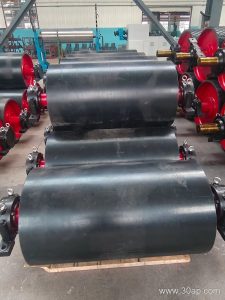
A heavy-load pulley is the large-diameter, thick-shelled drum that carries and drives the conveyor belt at the head, tail, or tensioning point of a high-capacity conveyor. In bulk handling plants it is often simply called a conveyor pulley, but the heavy-load version is built for far higher belt tensions and impact loads than a standard drum. It should not be confused with a drive pulley, tail pulley, or bend pulley, which are position-based roles; a heavy-load pulley can serve in any of those positions when the duty demands it.
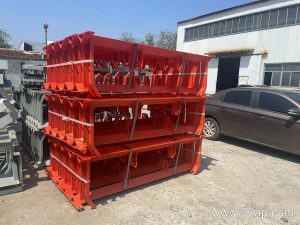
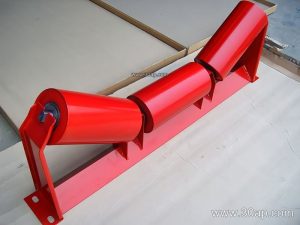
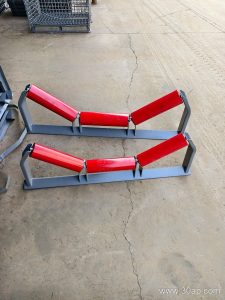
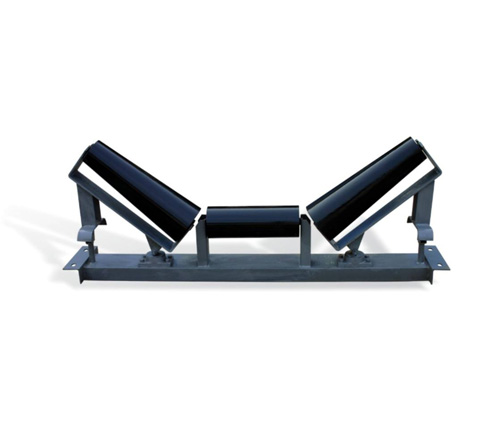
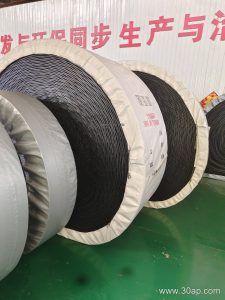
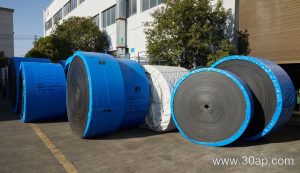
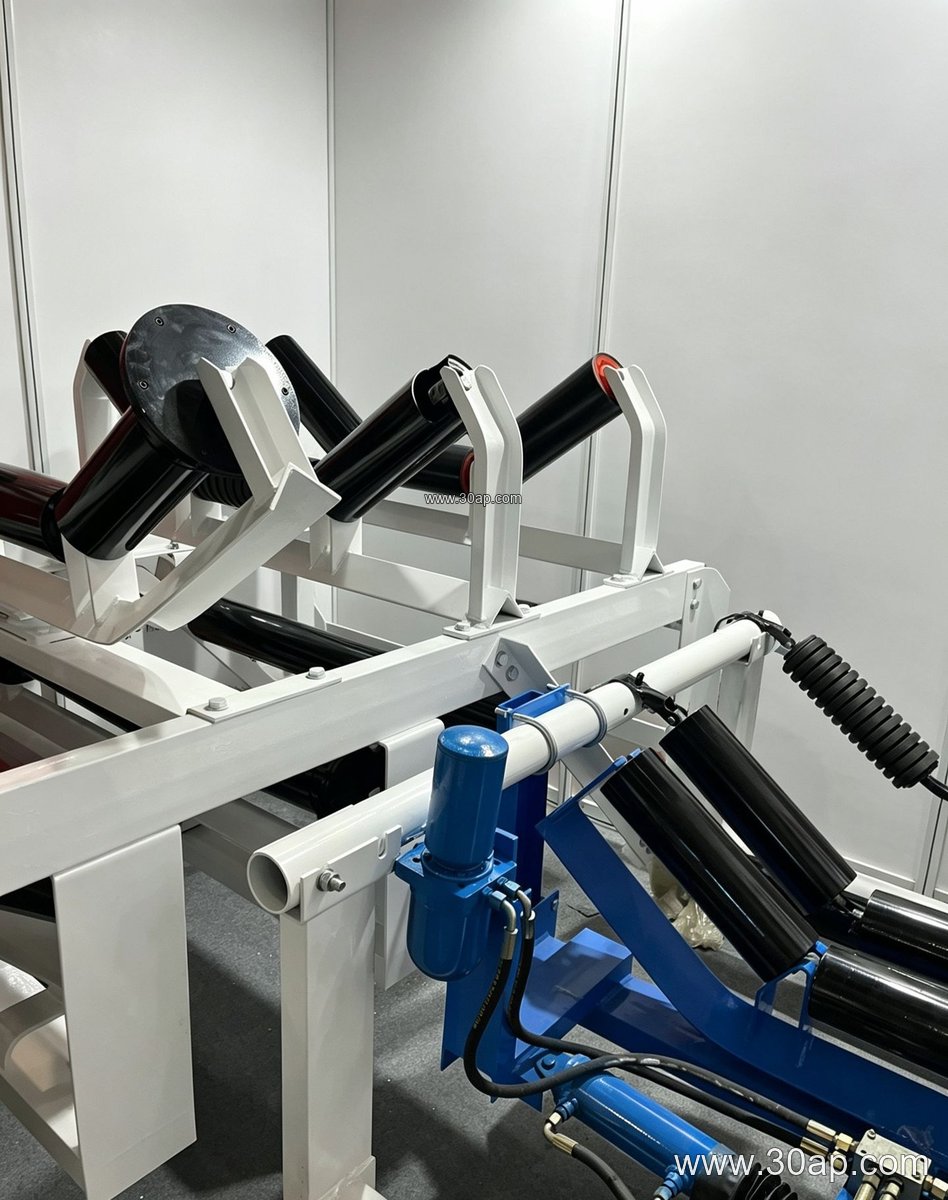
The drum works together with the conveyor belt, the idler roller sets along the carry and return sides, and the conveyor bracket that anchors the bearing housings. When the pulley is undersized, the whole line suffers: belt tracking drifts, the splice fatigues, and the drive motor works harder than it should.
Construction and Surface Options
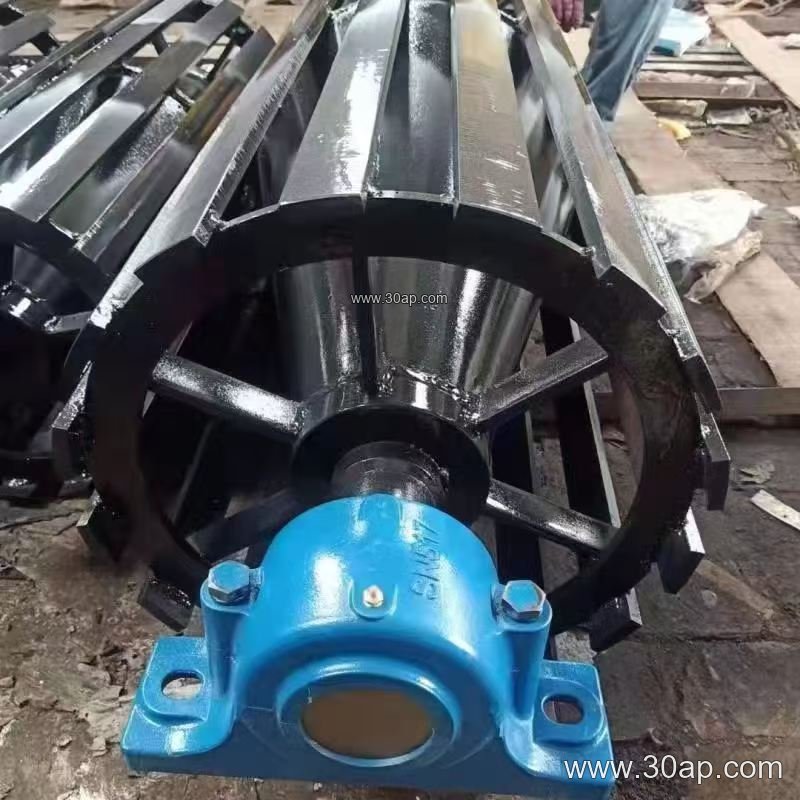
The shell is usually a rolled steel cylinder with machined end discs and a welded or shrink-fitted shaft. Because the shaft transmits the full torque, shaft diameter is chosen from torque and radial load, not from belt width alone. Common shaft sizes run from Ø50 up to Ø200 mm, while shell diameters in heavy-duty service often fall between Ø500 and Ø1250 mm, with larger drums such as Ø1400 or Ø1600 mm used on very high-tension installations.
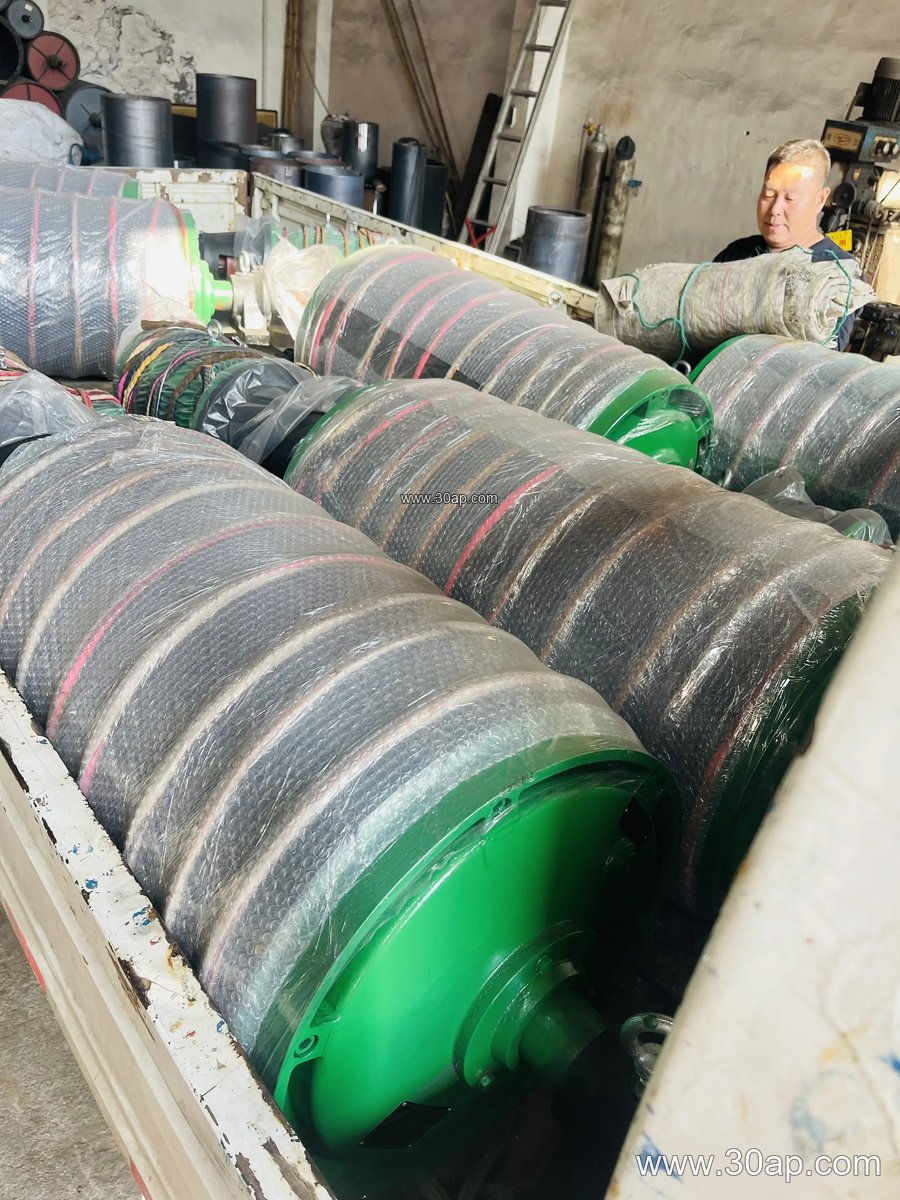
Surface treatment matters as much as the shell. Plain face is fine for low-traction return positions, while lagging improves grip and protects the shell:
- Hot vulcanized rubber for maximum bond strength
- Cold-bonded rubber for field replacement
- Diamond or herringbone grooving to shed water and fines
- Ceramic lagging for abrasive, wet duty
- Lagging thickness commonly 8, 10, 12, 15, or 20 mm
Face width is normally a little wider than the belt. For example, B800 roughly pairs with a 950 mm face, B1200 with about 1400 mm, and B1800 with about 2000 mm. These are reference values, not fixed rules; a B1200 × Ø1000 or B1400 × Ø800 combination is common, but no single diameter is mandatory for a given width.
Where It Fits in the Plant
Heavy-load pulleys appear wherever tonnage is high and starts are frequent. In a limestone quarry the head drum of the primary discharge conveyor takes the full impact of run-of-mine rock, so a thick shell and abrasion-resistant lagging are typical. In a coal preparation plant, flame retardant conveyor belt and anti-static grades are often specified alongside the drum, and the pulley lagging must resist fine coal slurry.
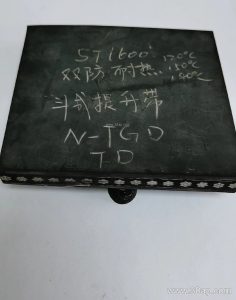
Other typical settings include iron ore and copper ore transfer lines, cement clinker conveyors, power plant coal handling, port bulk terminals, and crushing and screening circuits. In each case the pulley is matched to the belt: a steel cord conveyor belt or high-strength EP conveyor belt such as EP300 or EP400 pulls harder and needs a larger shaft and bearing than a light fabric core belt. Where the belt carries hot sinter or clinker, a heat resistant conveyor belt is used, and the pulley lagging should be selected to suit the same temperature range.
What Buyers Should Check
Before ordering, confirm the belt width, the maximum belt tension, the ambient and material temperature, and whether the location is wet or dusty. Ask for the calculated shaft diameter and bearing size rather than accepting a guess based on width. Check that the lagging grade suits the duty: ceramic for abrasive ore, rubber for general bulk material, and plain face where buildup is a risk.
Also confirm the interface with the rest of the line. The conveyor bracket must match the bearing housing bolt pattern, and the pulley face must align with the idler roller frames so the belt trains correctly. For long overland lines, a bend pulley at a vertical curve may look similar but carries a different load case, so specify position and wrap angle clearly.
Finally, plan maintenance. Replaceable lagging, accessible grease points, and a spare drum on the shelf reduce downtime in a busy quarry or port. A well-specified heavy-load pulley, matched to the belt and the structure around it, is the quiet component that keeps a high-tonnage line running shift after shift.