What a Conveyor Bracket Assembly Does
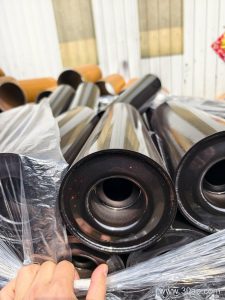
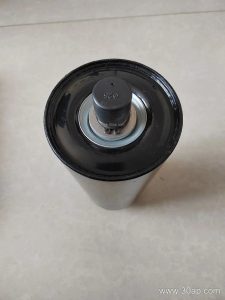
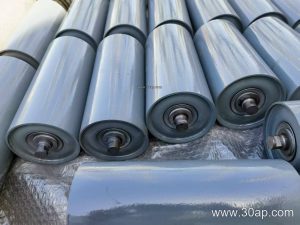
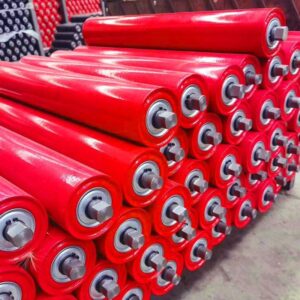
A conveyor bracket assembly is the structural group that holds idlers in place along a conveyor frame. It usually combines a crossbeam, mounting plates, angle or channel steel legs, and the attachment points where idler rollers sit. In a typical stone crushing line or a coal handling section of a power plant, these assemblies keep the belt profile steady so material does not spill at transfer points. The assembly is not a single part; it is a small system that ties the idler roller, the frame, and the conveyor belt together.
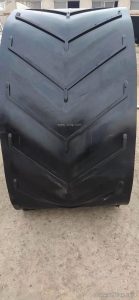
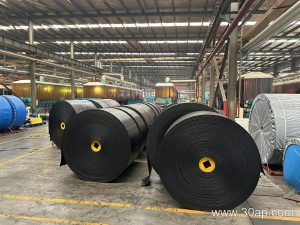
Because the bracket carries the load path from the belt to the structure, its build quality affects tracking, noise, and belt life. A well-aligned conveyor bracket assembly helps a Fabric Core Conveyor Belt or a Steel Cord Conveyor Belt run centered, while a loose or twisted bracket tends to push the belt to one side.
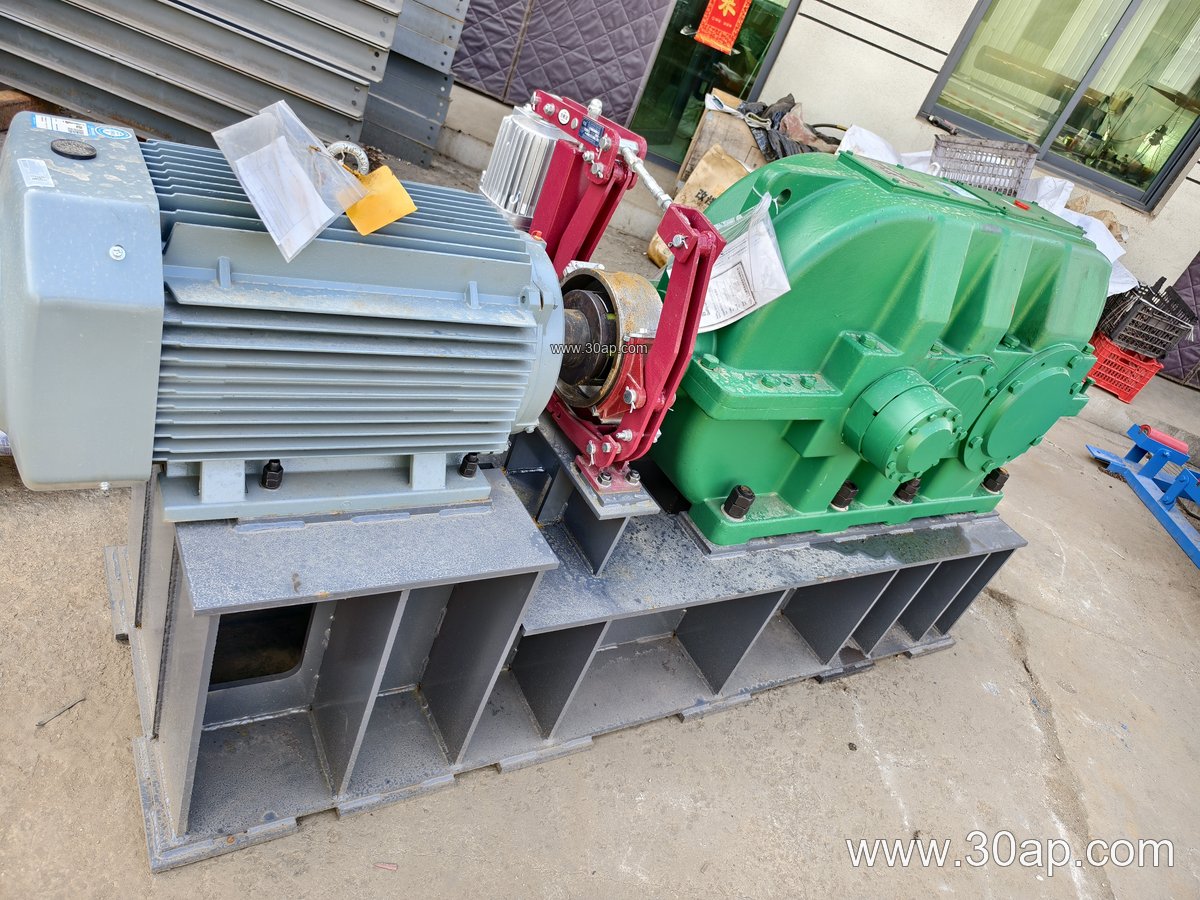
How the Assembly Is Built
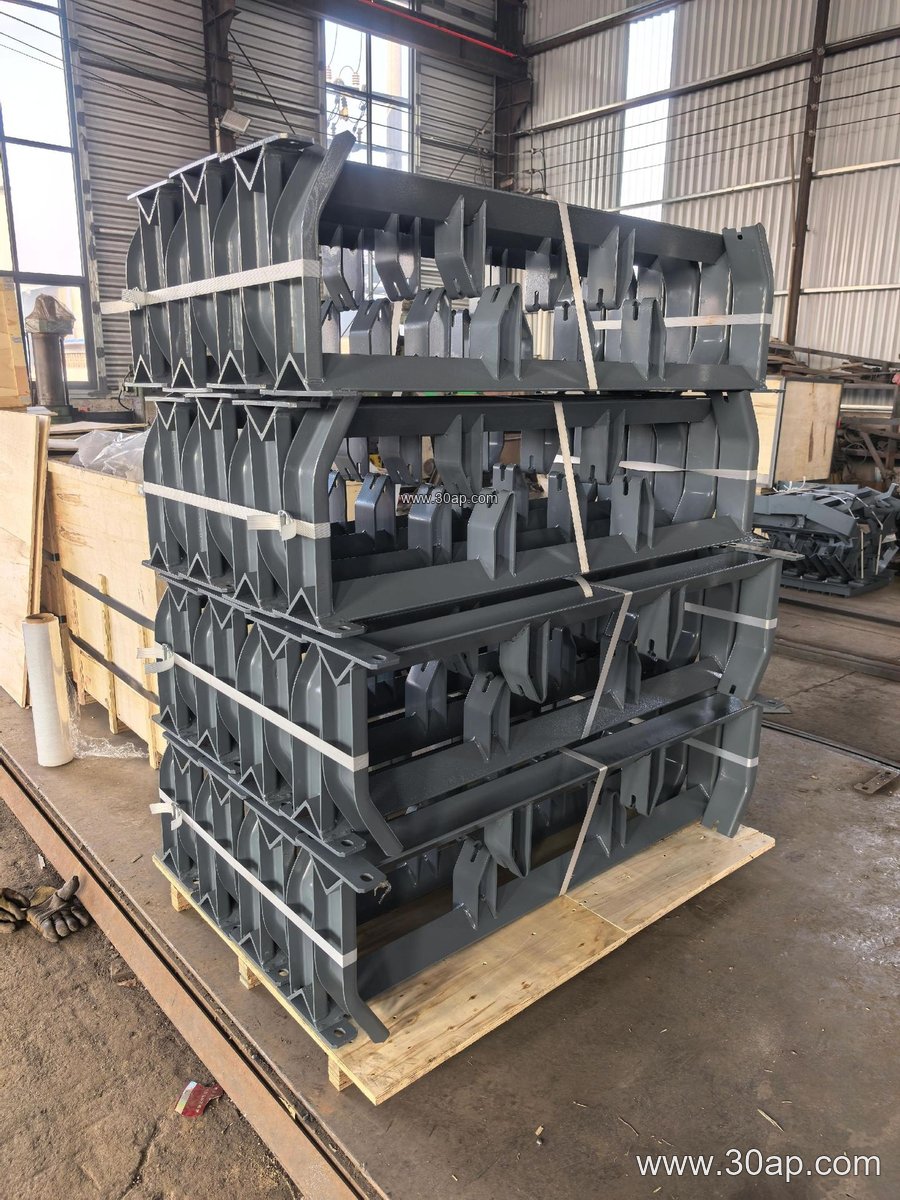
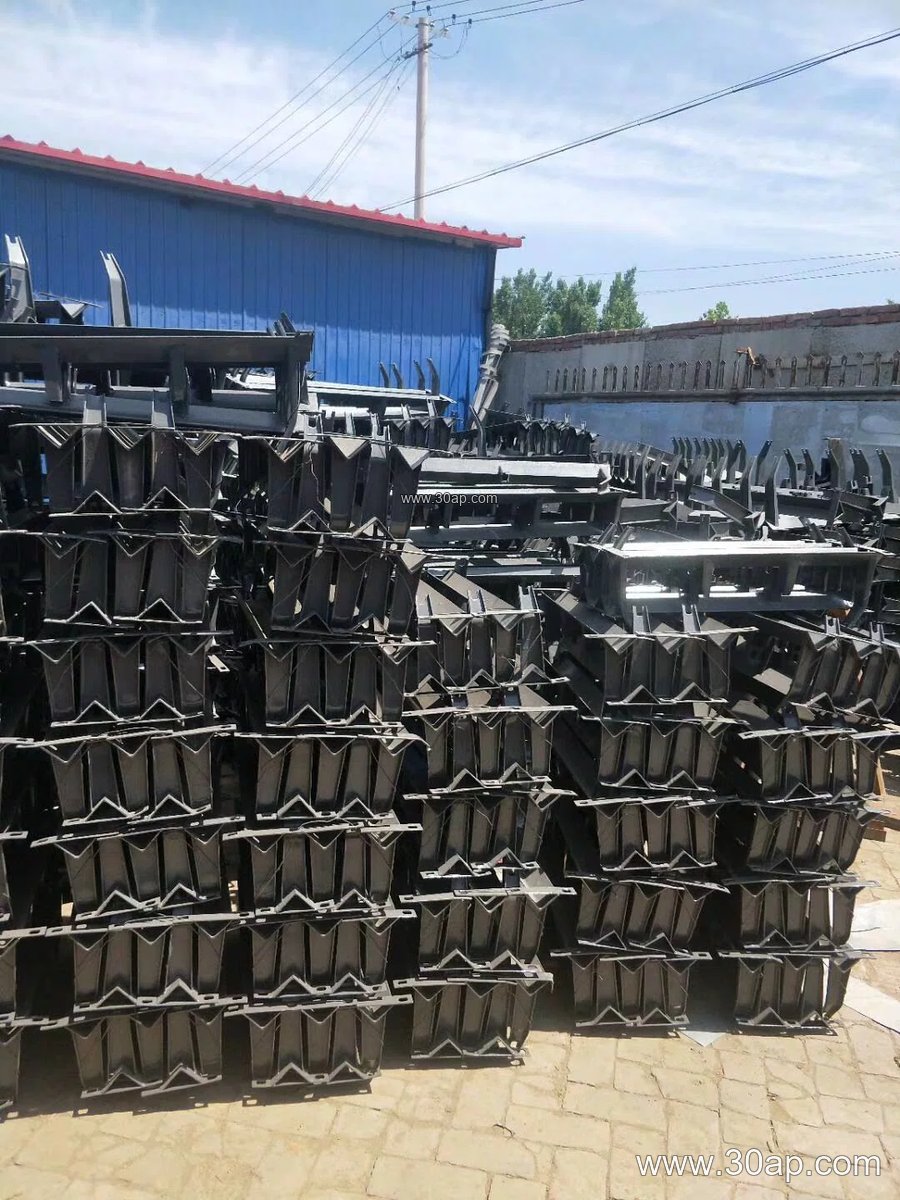
Most assemblies are fabricated from angle steel, channel steel, or folded steel plate. The crossbeam length and mounting hole spacing are made to suit the belt width and the trough angle, so they are not fixed numbers. A troughing assembly carries three idlers in a trough shape, while a return assembly supports the belt on the way back with one or two rollers.
- Crossbeam with welded or bolted end plates
- Idler seats or hooks that locate the roller shaft
- Legs or hangers that connect to the main frame
- Optional adjustment slots for trough angle or height
Surface finish matters in wet or dusty plants. A coal washing plant may prefer a painted or galvanized bracket assembly to slow corrosion, while a cement plant often deals with fine abrasive dust that settles on the crossbeam.
Trough Angles and Idler Diameters
Trough angle is chosen for the material and belt stiffness. Common values are 20, 30, 35, and 45 degrees, and an adjustable bracket can move between these positions. A 35 degree trough is often used with a 800mm or 1000mm belt in aggregate duty, while a 45 degree trough may suit a wider 1200mm or 1400mm belt that carries a deep load. The table below shows reference combinations, not fixed rules.
| Belt Width | Trough Angle | Idler Diameter | Typical Use |
|---|---|---|---|
| B500 | 20-30 degrees | Ø89 | Small sand and gravel lines |
| B650 | 30 degrees | Ø89 or Ø108 | Aggregate transfer |
| B800 | 35 degrees | Ø108 | Quarry and crusher feed |
| B1000 | 35-45 degrees | Ø108 or Ø133 | Cement and power plant coal |
| B1200 | 35-45 degrees | Ø133 or Ø159 | Iron ore and heavy bulk |
| B1400 | 35-45 degrees | Ø159 | Port and ship loading |
| B1600-B2000 | 35-45 degrees | Ø159 or Ø194 | Large mining conveyors |
These pairings are common references. A wider belt does not force one trough angle, and belt width alone does not set the shaft diameter. The idler manufacturer and the conveyor designer confirm the final match.
Where These Assemblies Are Used
In a limestone quarry, troughing brackets support the carry side through the crushing and screening circuit, while return brackets hold the belt on its way back. In a port terminal, heavy-duty assemblies under a wide belt handle ore or coal at high tonnage. The same bracket group also appears in fertilizer plants, grain silos, and tunnel spoil removal, wherever a conveyor belt moves bulk material.
Fixed brackets suit stable, permanent frames. Adjustable brackets help during installation and when the trough angle needs fine tuning. A self-aligning bracket with forward-leaning idlers can assist tracking on long runs, but it is a different function from a standard troughing bracket and should be specified for that purpose.
Buyer Checklist
- Confirm belt width and required trough angle before ordering.
- Match idler diameter and shaft ends to the bracket seats.
- Check frame hole spacing and crossbeam length against the drawing.
- Choose material and finish for the site: dusty cement plant, wet coal plant, or coastal port.
- Ask whether adjustment slots are needed for alignment.
A conveyor bracket assembly is a small cost item compared with the belt, but it controls how the belt sits. Getting the bracket right protects the idler roller, reduces spillage, and keeps the whole conveyor line running steadily.