What a V-Type Idler Bracket Does
A V-Type Idler Bracket is the mounting frame that holds two idler rollers in a V shape under the return strand of a conveyor belt. Instead of letting the belt run flat on a single return roller, this bracket sets the rollers at an angle so the belt forms a shallow trough. That shape helps the belt track straighter, sheds loose material, and keeps the return run from sagging between support points. Maintenance crews in a limestone quarry or a coal washing plant often reach for this bracket when belt misalignment and spillage on the return side become a daily irritation.
The same product also appears under the name V-return idler frame or V-shaped return bracket. These are equivalent names for the same assembly; they do not describe a different component. A drive pulley, tail pulley, or bend pulley is a separate item and cannot be swapped for a bracket, just as a troughing bracket is not a substitute for this return-side frame.
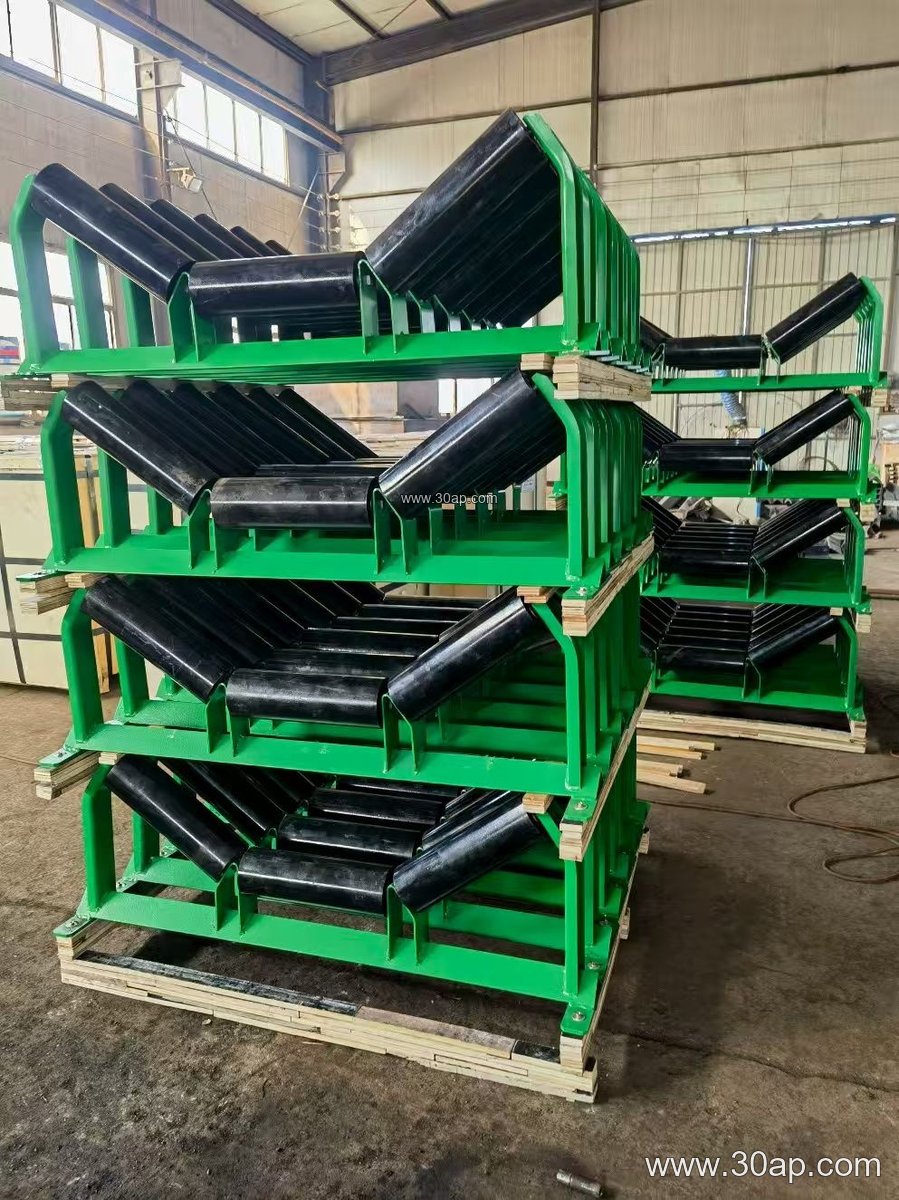
How the Bracket Is Built
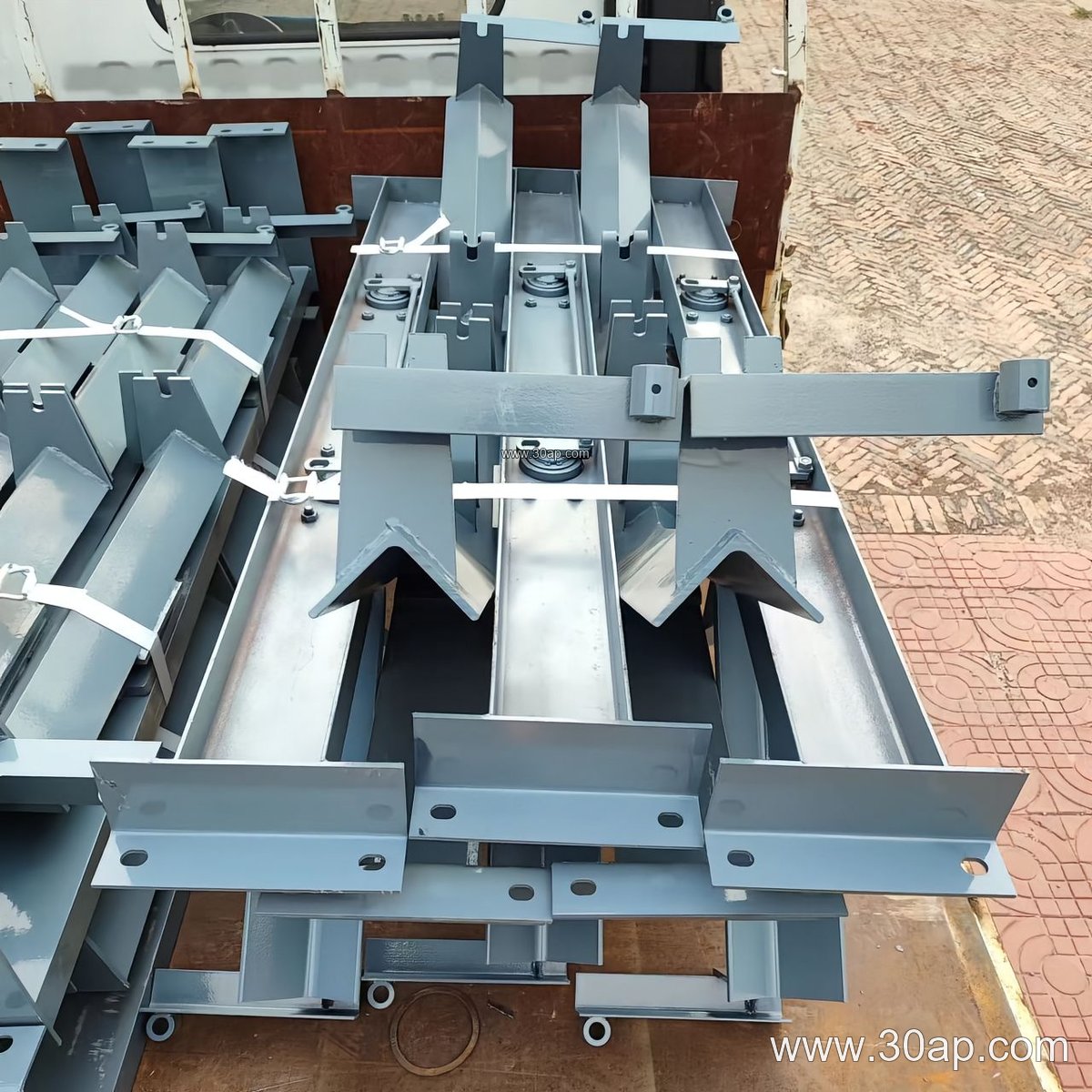
Most units are fabricated from angle steel, channel steel, or bent steel plate. Two inclined arms meet at a central low point, forming the V. Each arm carries a mounting slot or hole pattern for the idler shaft, and the whole frame bolts to the conveyor stringer. The angle of the arms, the distance between mounting holes, and the crossbeam length are set by the belt width and the trough angle rather than by one fixed formula.
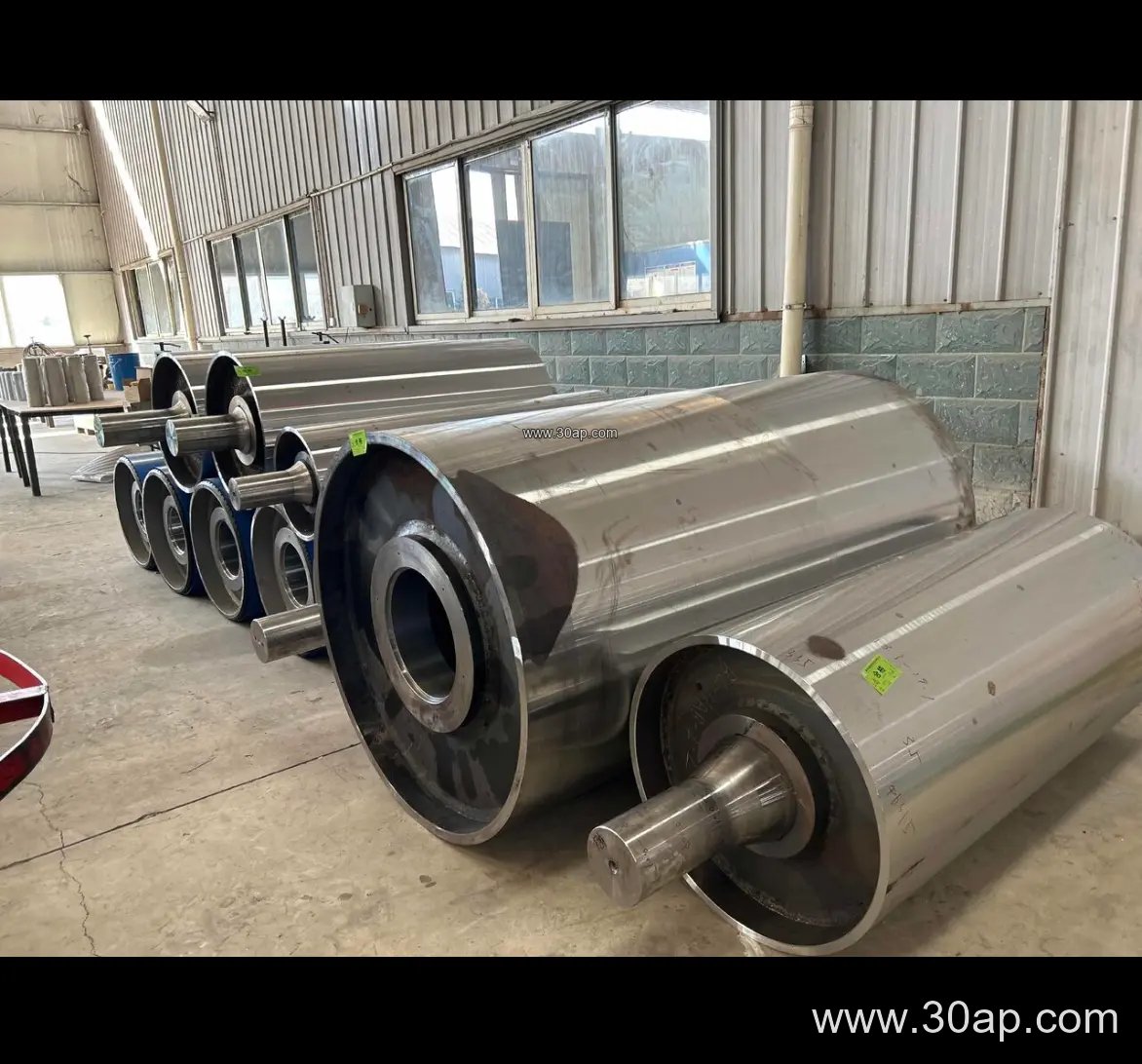
- Common belt widths: B500, B650, B800, B1000, B1200, B1400, B1600, B1800, B2000
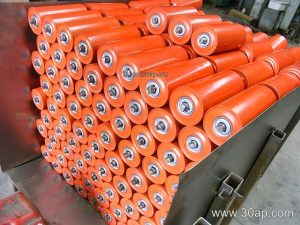
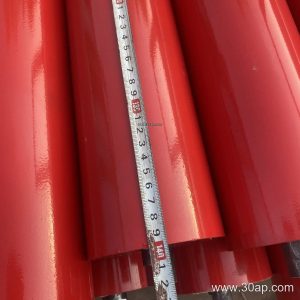
- Typical return roller diameters: Ø89, Ø108, Ø133, Ø159
- V angle: usually matched to the trough angle used on the carrying side, such as 20, 30, or 35 degrees
- Finish options: painted, galvanized, or powder coated, depending on the environment
Fabricators should confirm hole spacing and overall width against the actual conveyor drawing. A bracket that fits a B800 frame will not fit a B1200 stringer, and the two should never be treated as interchangeable.
Where It Fits on the Conveyor
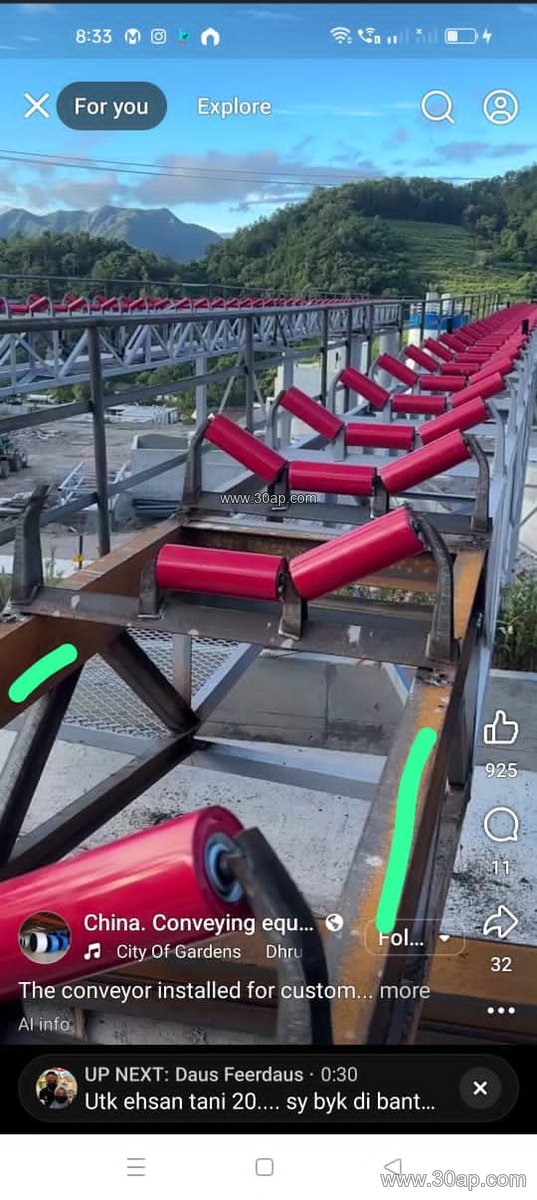
The bracket sits on the return run, spaced between the head and tail of the conveyor. In a cement plant or a power plant coal yard, it is often installed every few meters to support the empty belt. In a crusher circuit feeding a Rock Conveyor Belt, the V frame also helps centre the belt after impact and reduces edge wear. On a steep incline, such as a tunnel muck removal line, the V shape gives the belt a natural centring bias that a flat return roller cannot provide.
It works alongside the conveyor belt, conveyor pulley, and conveyor bracket system rather than replacing any of them. Proper alignment of the frame with the pulley centreline matters more than the bracket’s own weight or finish.
Selection Points for Buyers
Buyers should start from the belt width, the return idler diameter, and the required V angle. A B650 frame with Ø89 rollers and a 30 degree V is a common light-duty combination; a B1200 frame with Ø133 rollers and a 35 degree V suits heavier bulk material. These are examples, not fixed pairings, and a wider belt does not automatically dictate a single roller diameter.
Also check the mounting hole pattern, the steel thickness, and whether the site needs a adjustable version. Adjustable V brackets let crews fine-tune the angle and take up slack as the belt wears. For abrasive or wet service, a galvanized or coated frame lasts longer than bare painted steel.
Installation and Maintenance Notes
Mount the bracket square to the belt centreline, tighten bolts evenly, and spin each idler by hand before start-up. Check for belt contact on the bracket arms, which usually signals the wrong roller diameter or a bent frame. Inspect quarterly for loose bolts, corrosion, and roller seizure. Replacing a worn idler roller is far cheaper than replacing a damaged conveyor belt, so a routine bracket check pays for itself.