What a High-Capacity Conveyor Idler Does on the Line
In a quarry, a coal preparation plant, or a cement plant, the belt carries more than rock and dust. It carries load, heat, and the constant demand for uptime. A high-capacity conveyor idler is the roller under that belt that keeps the whole run stable. Its job is simple to describe and harder to execute: support the belt, keep it tracking, and do it without adding unnecessary drag or maintenance work.
This is not a single part number. It is a class of troughing and return rollers built for wider belts, heavier material, and longer shifts. When the belt is a heavy-duty mining conveyor belt moving ore at high tonnage, the idlers underneath are often the first components to feel the stress.
How the Roller Is Put Together
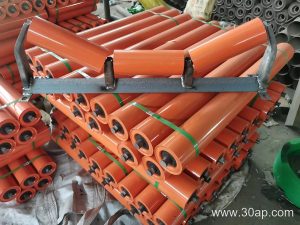
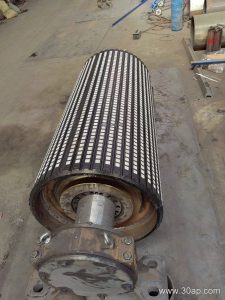
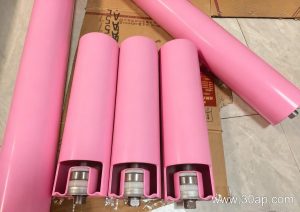
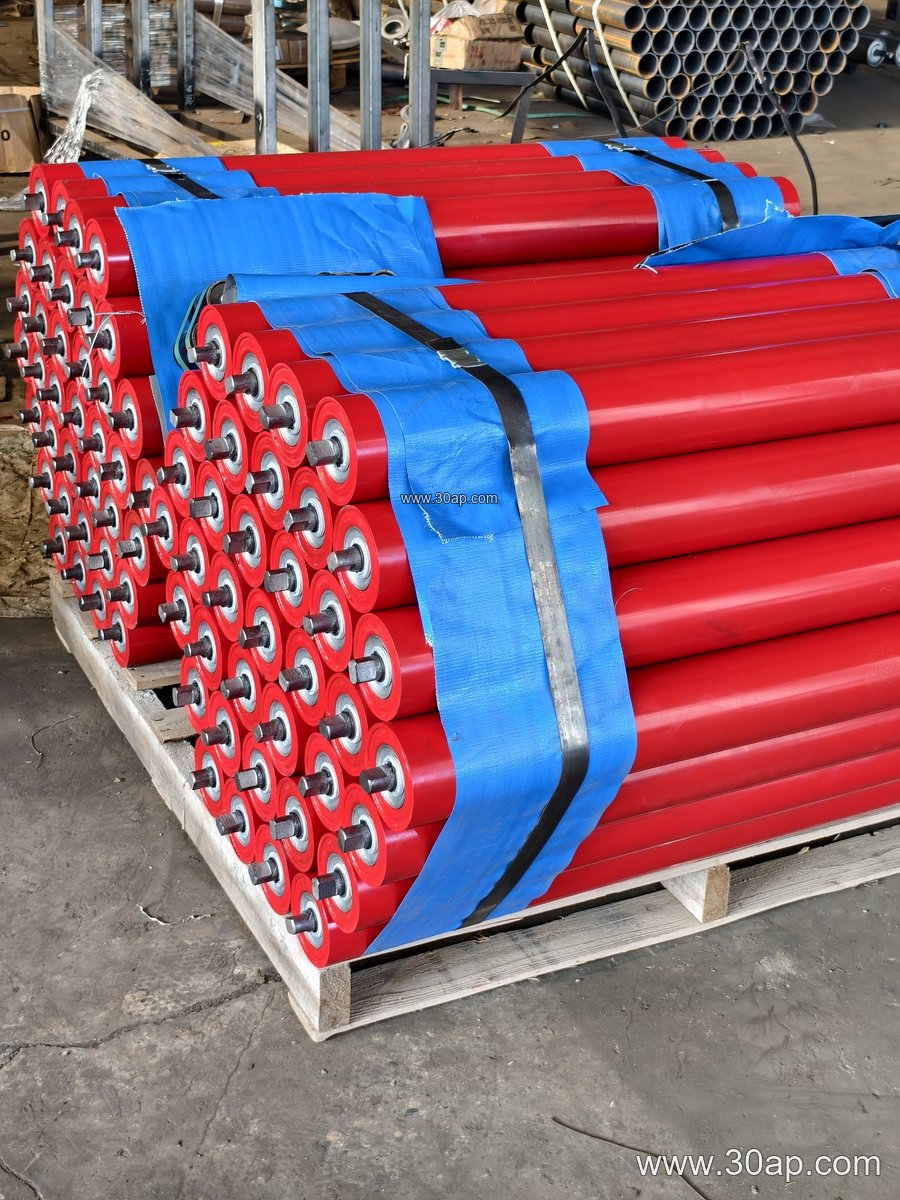
A high-capacity conveyor idler usually starts with a thick-walled steel tube, machined at both ends to seat the bearing housing. The roller surface can be plain steel, nylon, ceramic, or rubber-disc covered, depending on whether abrasion, build-up, or impact is the main concern. Inside, the bearing selection and seal design matter as much as the tube thickness. Common bearing sizes include 6205, 6305, 6306, and 6308, but a given roller diameter is not locked to one bearing number.
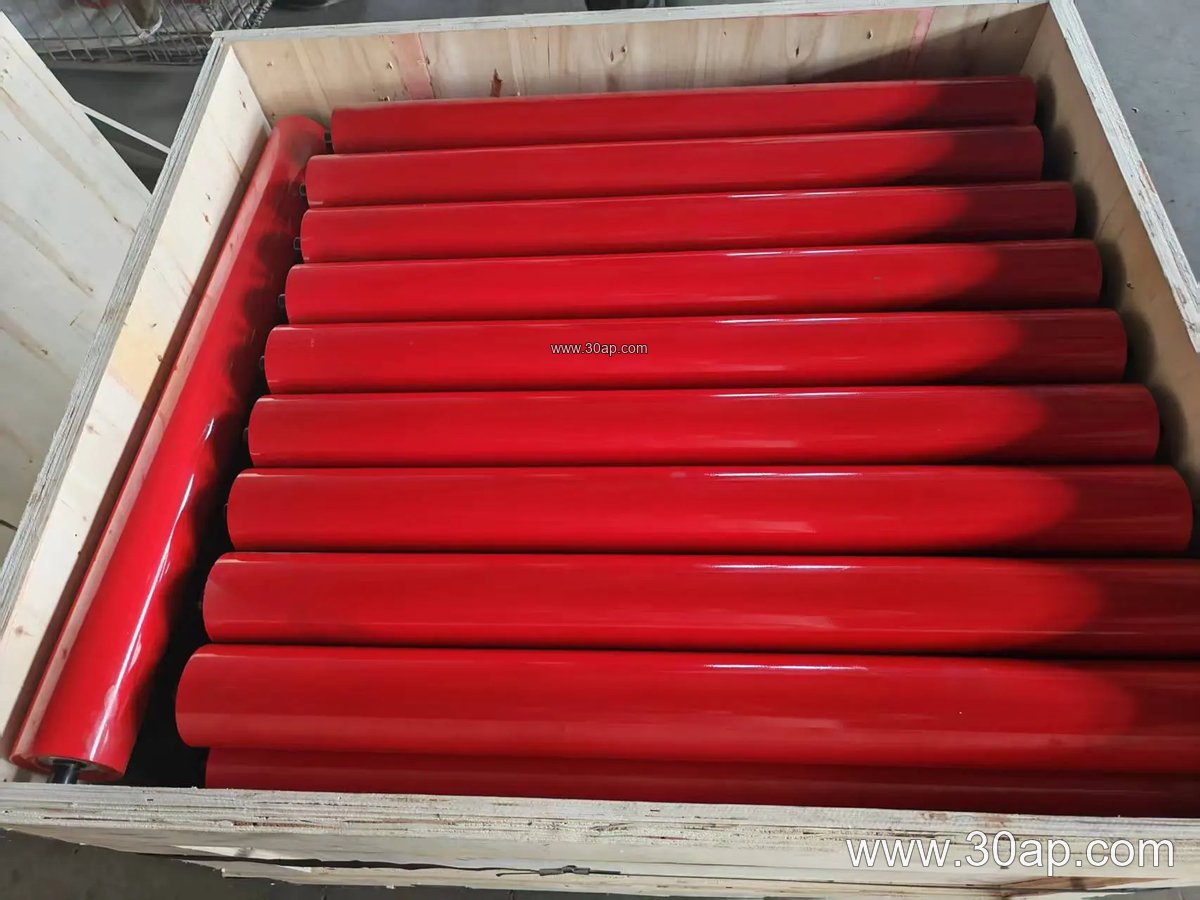
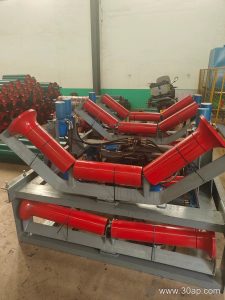
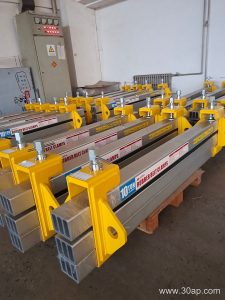
The idler roller is mounted on a shaft and held by a conveyor bracket. A troughing set may be single-roll, two-roll, or three-roll, and the trough angle is typically 20, 30, 35, or 45 degrees. For high-capacity service, the frame and shaft are sized to handle the belt load plus the weight of the material, not just the belt itself.
Where It Fits in the Conveyor
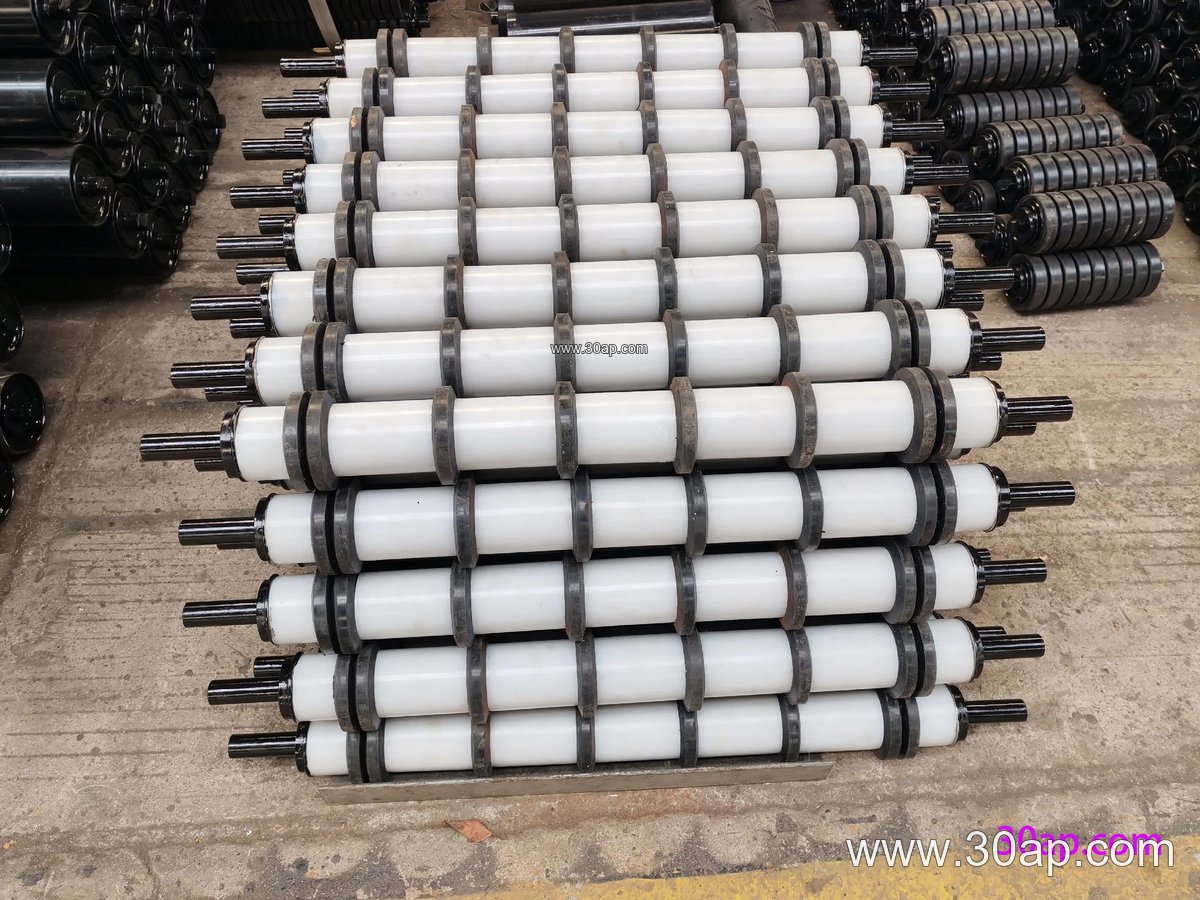
High-capacity conveyor idlers appear in several positions along the run. Troughing idlers carry the loaded belt. Impact idlers with rubber rings sit under the loading point where rock or clinker drops onto the belt. Return idlers support the empty side, and V-return or spiral rollers help shed carryback. Transition idlers ease the belt from a flat pulley into the trough profile.
In a copper mine or an iron ore terminal, the belt may be a steel cord conveyor belt or an EP conveyor belt running at high tension. The idler does not carry that tension, but it must keep the belt aligned so the edges do not rub and the splice does not take extra stress. In a power plant coal yard or a limestone stockpile, dust and fines are constant, so seal quality and roller roundness often decide how long the idler lasts.
Sizes and Configurations Buyers Commonly See
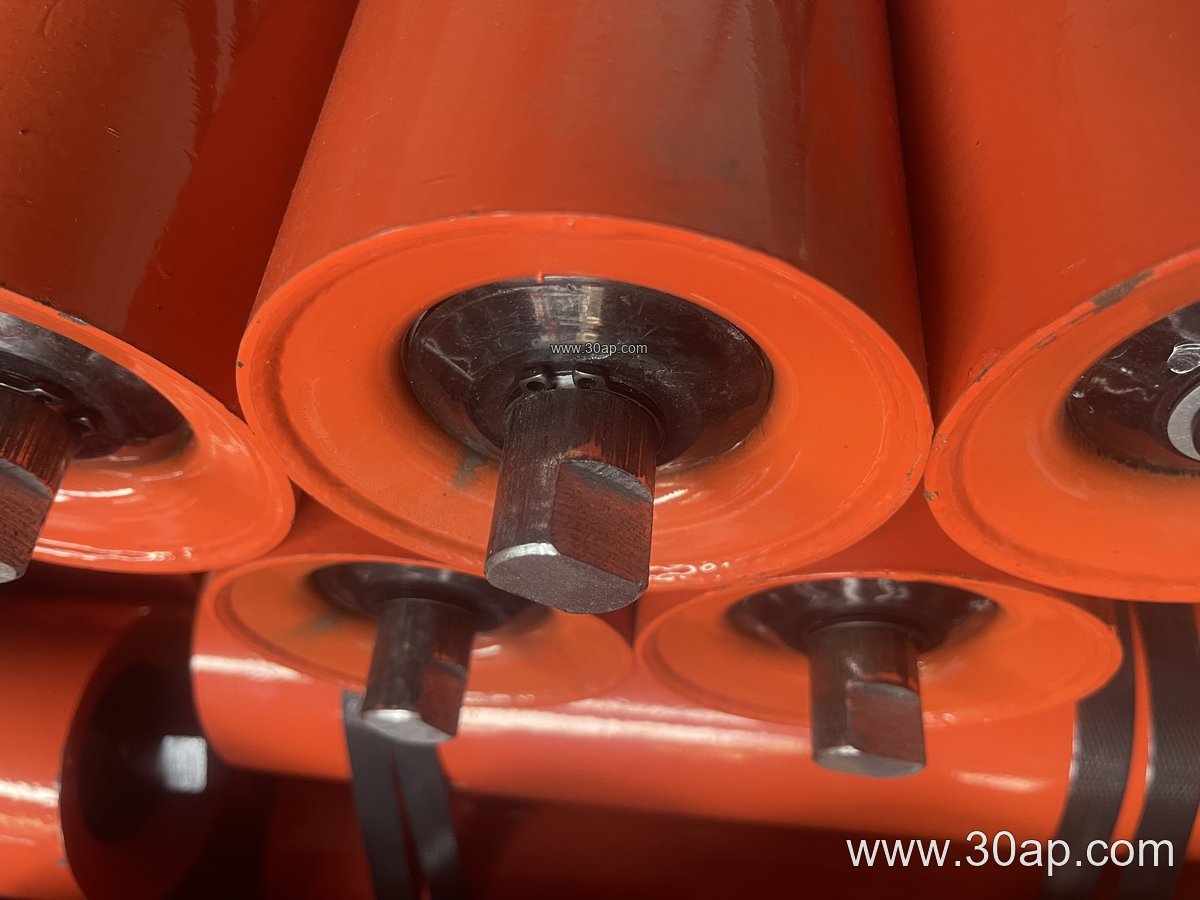
High-capacity idlers are usually selected by belt width, roller diameter, trough angle, and roller length. The table below shows common reference ranges. These are not fixed matches; the final combination depends on the conveyor design, belt speed, and material load.
| Parameter | Common Reference Range |
|---|---|
| Roller diameter | Ø89, Ø102, Ø108, Ø127, Ø133, Ø159, Ø178, Ø194, Ø219 mm |
| Belt width | B650, B800, B1000, B1200, B1400, B1600, B1800, B2000, B2200 mm |
| Trough angle | 20°, 30°, 35°, 45° |
| Troughing set | Single-roll, two-roll, three-roll |
| Roller surface | Steel tube, nylon, ceramic, rubber rings |
| Bearing examples | 6204, 6205, 6305, 6306, 6308, 6310 |
For a three-roll troughing set, typical roller lengths run from about 200 mm on a B500 belt up to roughly 750 mm on a B2000 belt. Side rollers and center rollers can differ, so the set should be checked as a group. A 1200mm wide conveyor belt does not automatically get one roller diameter, and a 1500mm wide belt does not fix a shaft size without design review.
What to Check Before Ordering
- Load and impact: If the belt is a crusher conveyor belt or a rock conveyor belt receiving large lumps, impact idlers with rubber rings may be needed at the transfer point.
- Environment: A coal mining conveyor belt underground may call for flame retardant and anti-static properties, while a cement plant may need dust-resistant seals.
- Belt type: A pipe conveyor belt or a corrugated sidewall conveyor belt has different edge and profile needs than a flat EP conveyor belt.
- Roller speed: Higher belt speeds increase bearing speed and seal wear, so the idler diameter and bearing choice should be reviewed together.
- Tracking: Self-aligning idlers can help on long runs, but they do not replace proper pulley alignment and belt training.
On a site that also runs a fabric core conveyor belt or a multi-ply fabric core conveyor belt, the idler selection should still follow the actual belt load and trough profile. A high-capacity conveyor idler is a support component, not a universal fit. Buyers get the best result when they match roller diameter, length, bearing, and seal to the conveyor duty rather than copying a list from another line.