What a Chemical Resistant Conveyor Belt Does
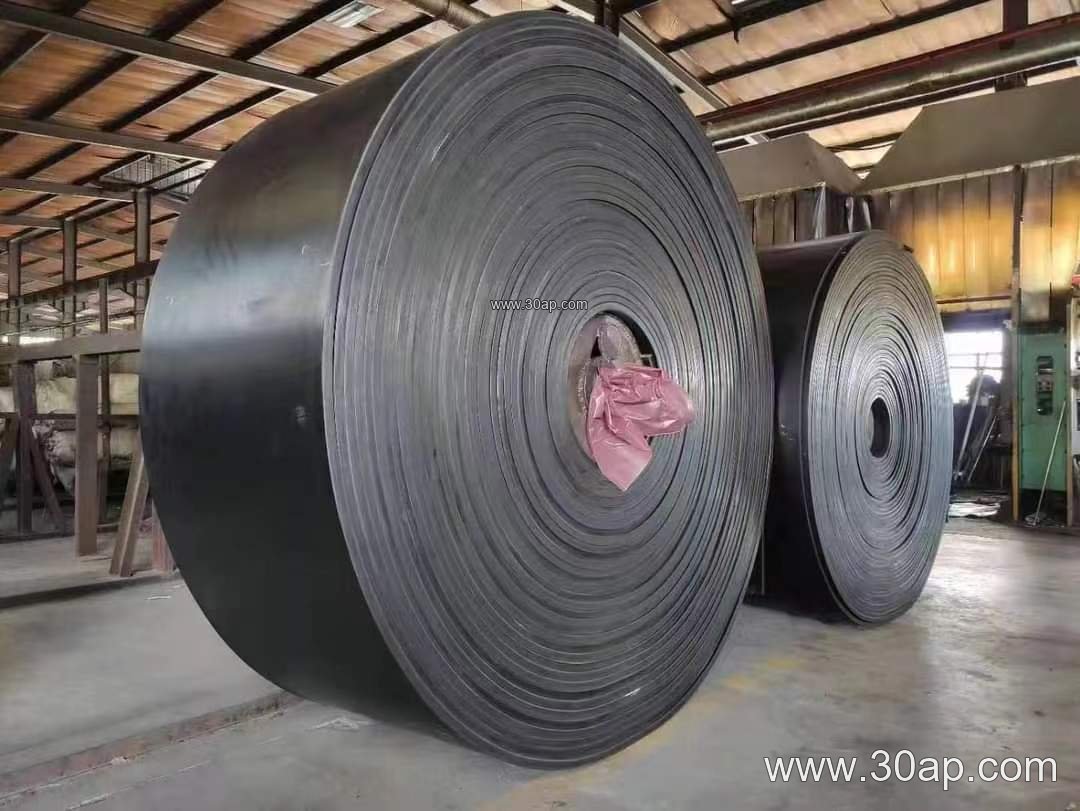
A chemical resistant conveyor belt is a fabric-reinforced rubber belt engineered to keep its cover and carcass intact when the material being carried, or the environment around the conveyor, contains acids, alkalis, salts, solvents, or other reactive compounds. In a fertilizer plant, a mineral processing line, or a waste treatment facility, a standard rubber belt may swell, harden, or crack within months. The chemical resistant conveyor belt uses a cover compound and a carcass construction chosen to slow that attack, so the belt keeps its tensile strength and its surface profile for a longer service window. It belongs to the same family as the acid resistant conveyor belt, but the term chemical resistant covers a broader range of aggressive media rather than a single class of substance.
Construction and Material Choices
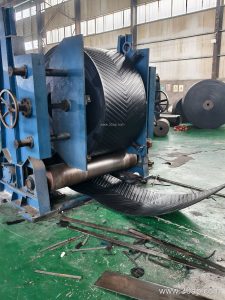
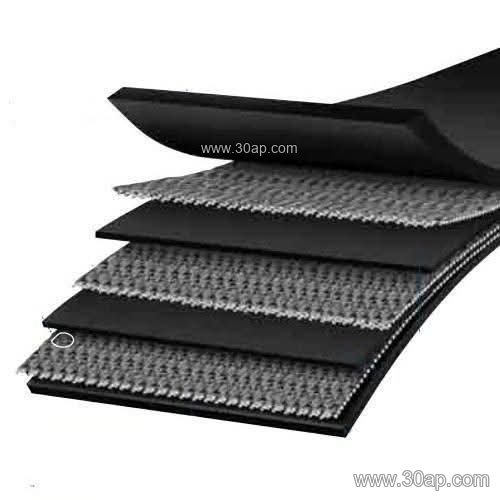
The belt is normally built as a multi-ply fabric core structure. EP conveyor belt fabric (polyester warp, nylon weft) and NN conveyor belt fabric (nylon warp and weft) are both common carcass options, and the number of plies usually runs from two to six depending on the required strength. For very long runs or high tension, a steel cord conveyor belt carcass may be specified instead of fabric, though the cover compound still does the chemical duty.
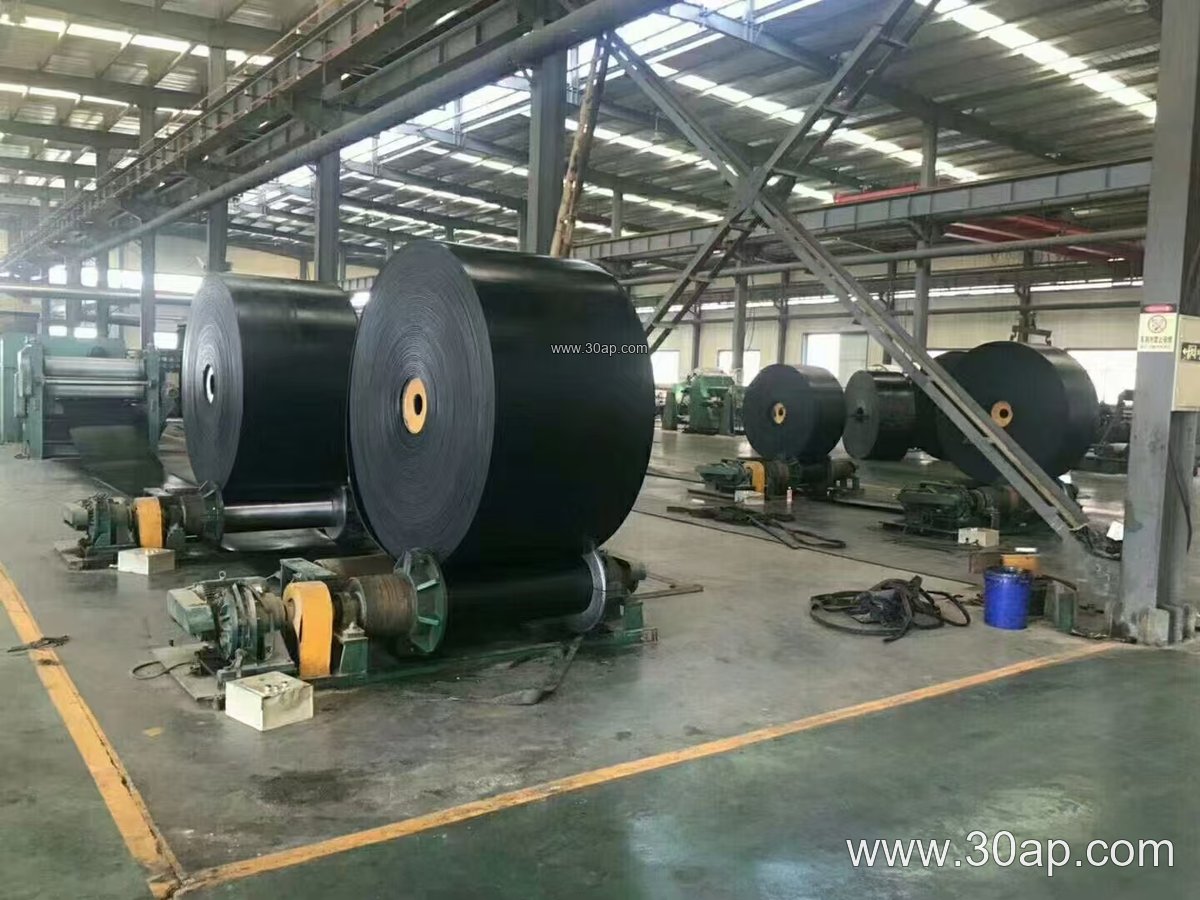
The cover is where most of the engineering effort goes. Formulators adjust the polymer base, filler system, and vulcanization package so the top cover resists swelling and permeation. Bottom cover thickness is often kept modest, while the top cover may be thicker where the aggressive material sits. Edge protection and skim coats between plies help stop wicking along the fabric if the cut edge is exposed to liquid.
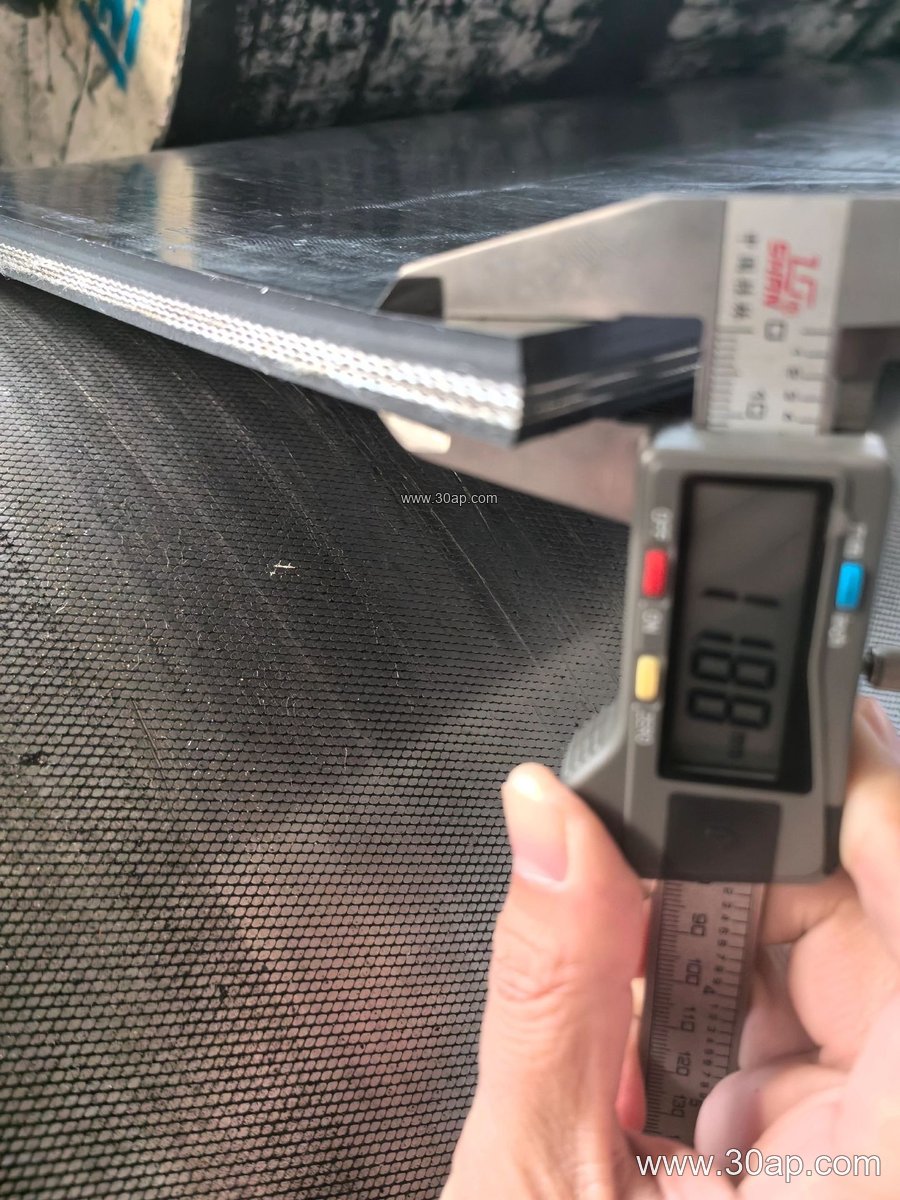
- Cover gauge examples: 3+1.5 mm, 4+2 mm, 5+2 mm, 6+2 mm, 8+3 mm
- Carcass: 2 to 6 plies of EP or NN fabric, or steel cord for high tension
- Surface forms: smooth, chevron conveyor belt profile for incline, or corrugated sidewall conveyor belt for steep, confined routes
Typical Duty Points
Chemical duty shows up in more industries than many buyers expect. Fertilizer and phosphate handling, salt and potash operations, pulp and paper mills, battery and metal refining plants, and wastewater sludge lines all present wet or damp loads that attack rubber. In a cement plant the concern is usually alkaline dust and slurry rather than acid, while a copper ore or gold mining circuit may expose the belt to acidic leachate. Port terminals handling bulk chemicals and ship loading conveyor systems also need covers that resist splash and residue.
Where the same line also carries hot material, a heat resistant conveyor belt may be the better compromise, and where oil mist or oily scrap is present, an oil resistant conveyor belt cover is usually preferred. Flame retardant conveyor belt and anti-static conveyor belt grades are common in coal mining conveyor and underground coal mining conveyor applications, but those properties are separate from chemical resistance and should be requested explicitly. If the load is abrasive as well as reactive, a high abrasion resistant conveyor belt cover can be combined with the chemical-resistant compound.
Specifications Buyers Should Confirm
There is no universal size chart, so treat any table as a starting reference and confirm final values with the belt manufacturer. Belt width is matched to the load and the conveyor structure, not to a fixed pulley diameter. Common widths include B500, B650, B800, B1000, B1200, B1400, B1600, B1800, and B2000, and a wide conveyor belt in the 1800 mm or 2000 mm class may be used in large bulk terminals.
| Parameter | Typical Reference Range | Notes |
|---|---|---|
| Fabric grade | EP200, EP315, EP400, EP500, EP630, EP800, EP1000, EP1250, EP1600, EP2000 | Higher grades for longer runs and higher tension |
| Belt width | B500, B650, B800, B1000, B1200, B1400, B1600, B1800, B2000 | Match to load size and troughing arrangement |
| Cover thickness | 3+1.5, 4+2, 5+2, 6+2, 8+3 mm | Top and bottom cover gauges |
| Ply count | 2 to 6 plies | Fabric core construction |
| Surface form | Smooth, chevron, corrugated sidewall | Choose by incline and confinement |
Selection and Maintenance Notes
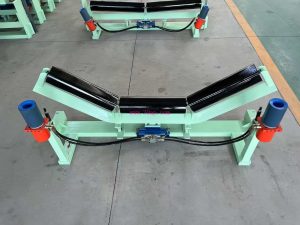
Start with the chemistry, not the price. Identify the actual substance, its concentration, its temperature, and whether it arrives wet or dry, because a dilute acid at ambient temperature and a hot concentrated alkali are completely different problems. Ask the belt supplier for cover compound data rather than relying on a generic chemical resistant label. Then check the mechanical side: impact resistant conveyor belt covers at the loading point, adequate troughing idler roller support, and correct conveyor pulley alignment all extend belt life.
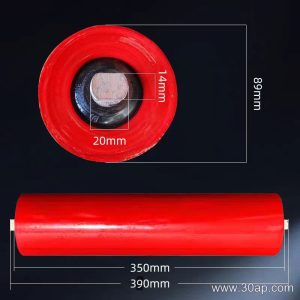
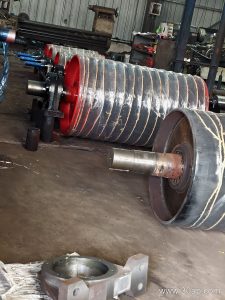
On the conveyor itself, keep the drive pulley, tail pulley, and bend pulleys clean and check lagging for chemical attack as well, since degraded lagging can slip and damage the belt. Inspect the conveyor bracket and frame for corrosion, and confirm that the idler roller seals are suited to the environment. Store spare belts away from sunlight, ozone sources, and pooled chemicals. For very demanding routes, an endless conveyor belt splice made at the factory removes a mechanical joint that would otherwise be a weak point against chemical ingress.
For mine and quarry operators comparing options, a mining conveyor belt with the right cover compound will usually outperform a general-purpose belt on cost per ton, even though the initial price is higher. For plant engineers working through vendor documentation, matching the belt grade and cover to the process stream is the single most reliable decision. More selection notes for conveyor belts, idler rollers, and pulleys are available at conveyor belt and conveyor pulley resources.